Fraction simplification Grade 3 Addition & Subtraction Worksheets
7 filtered results
Difficulty Level
Grade
Age
-
From - To
Subject
Activity
Standards
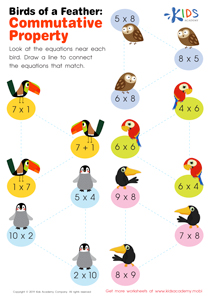
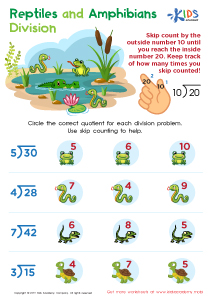
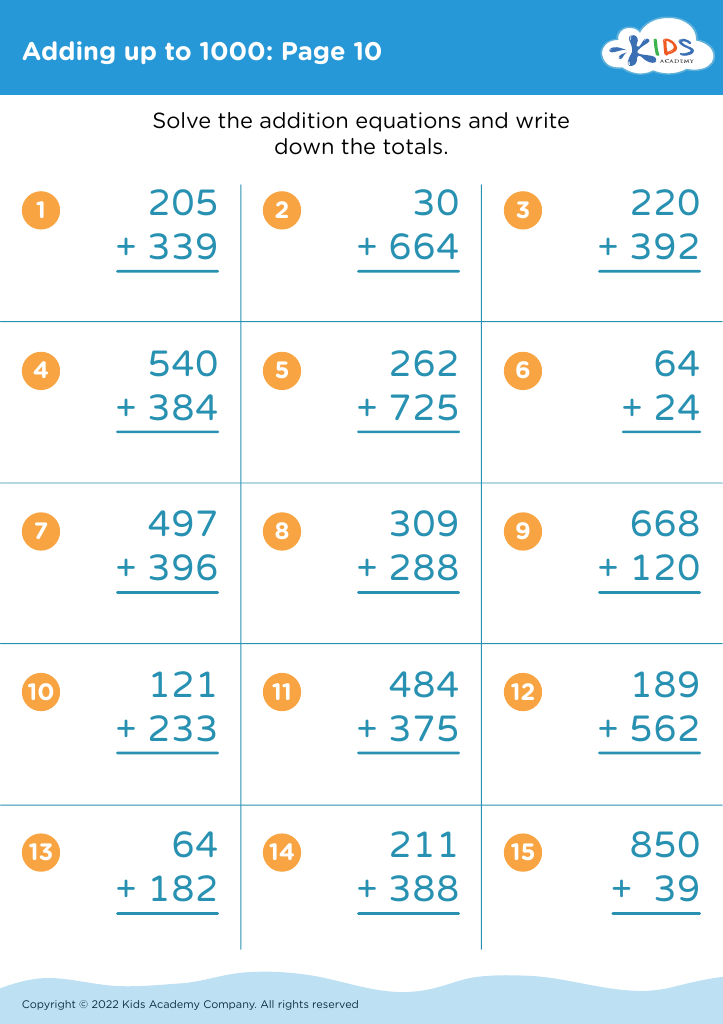
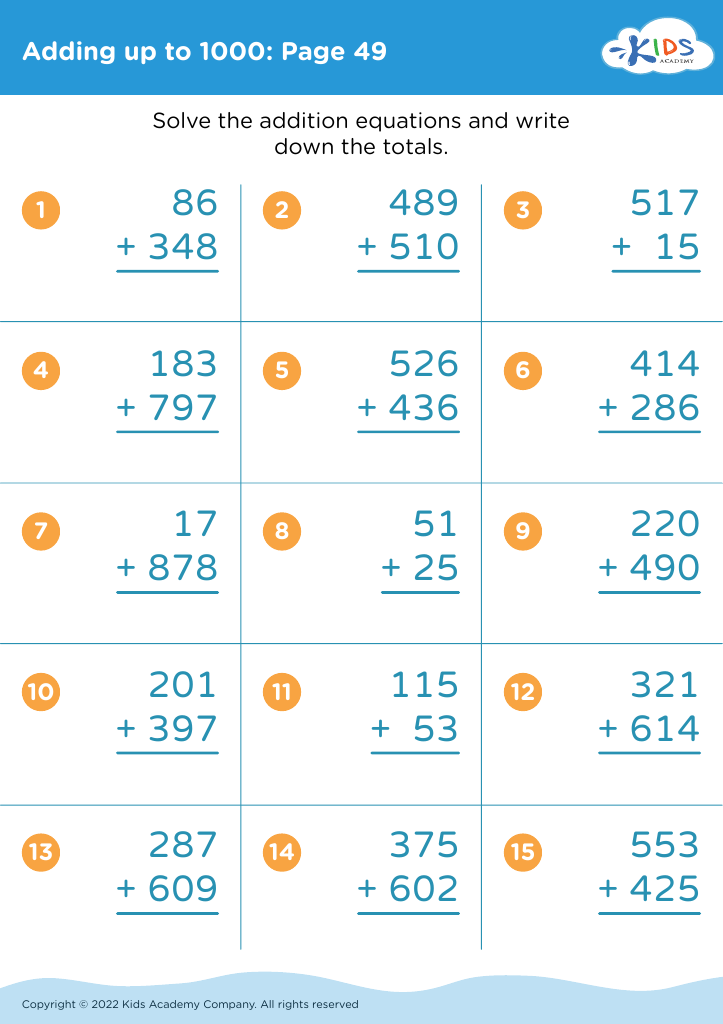
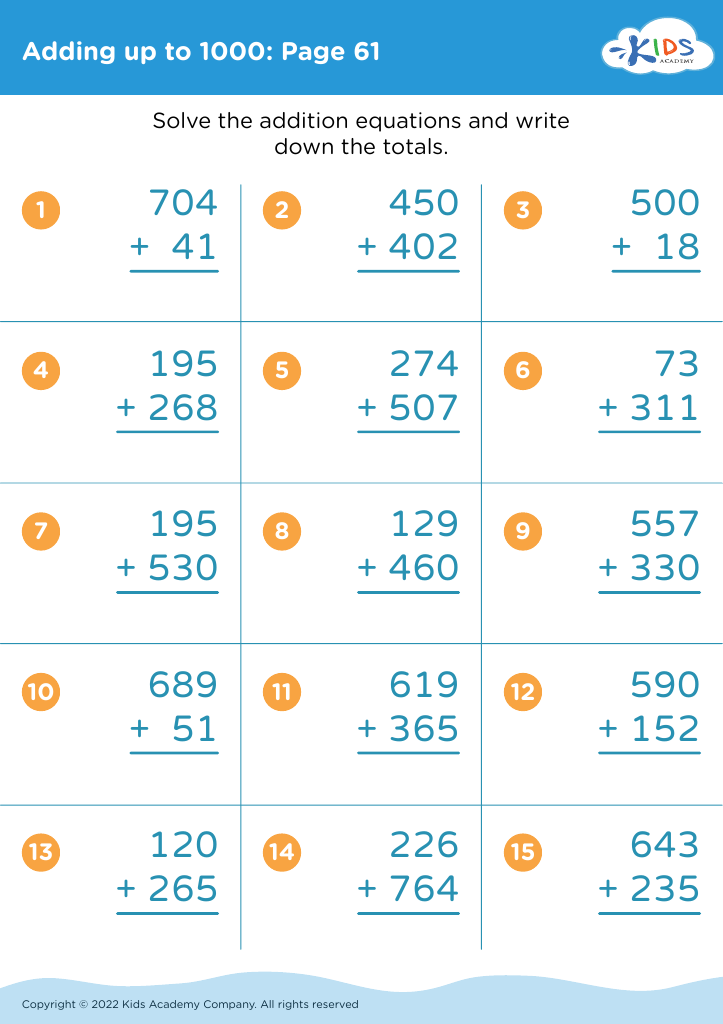
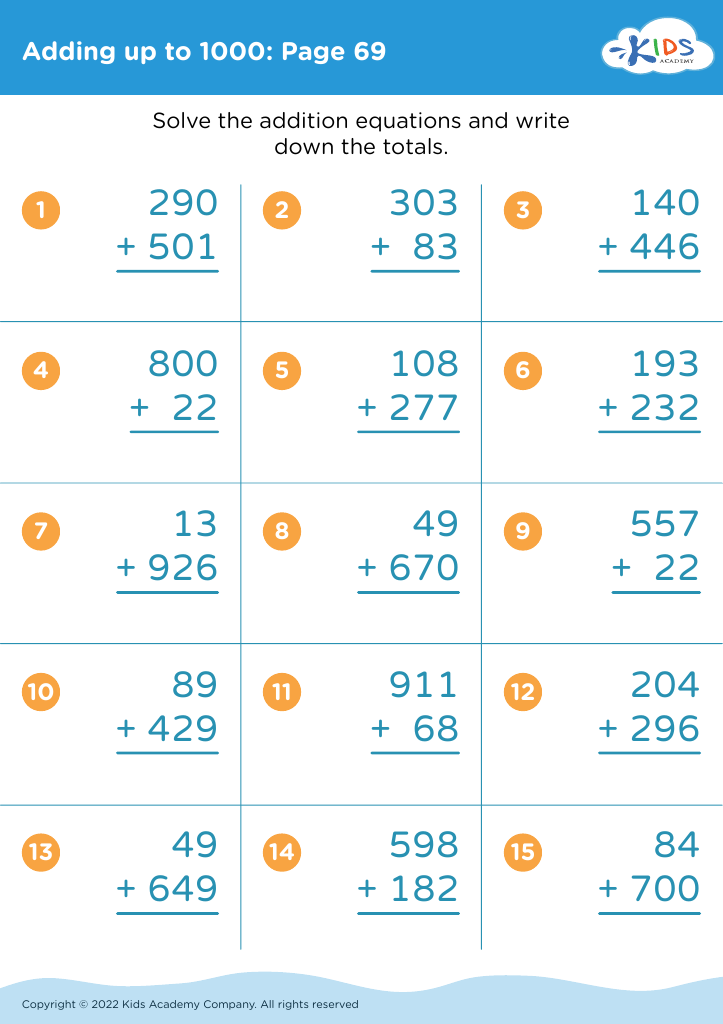
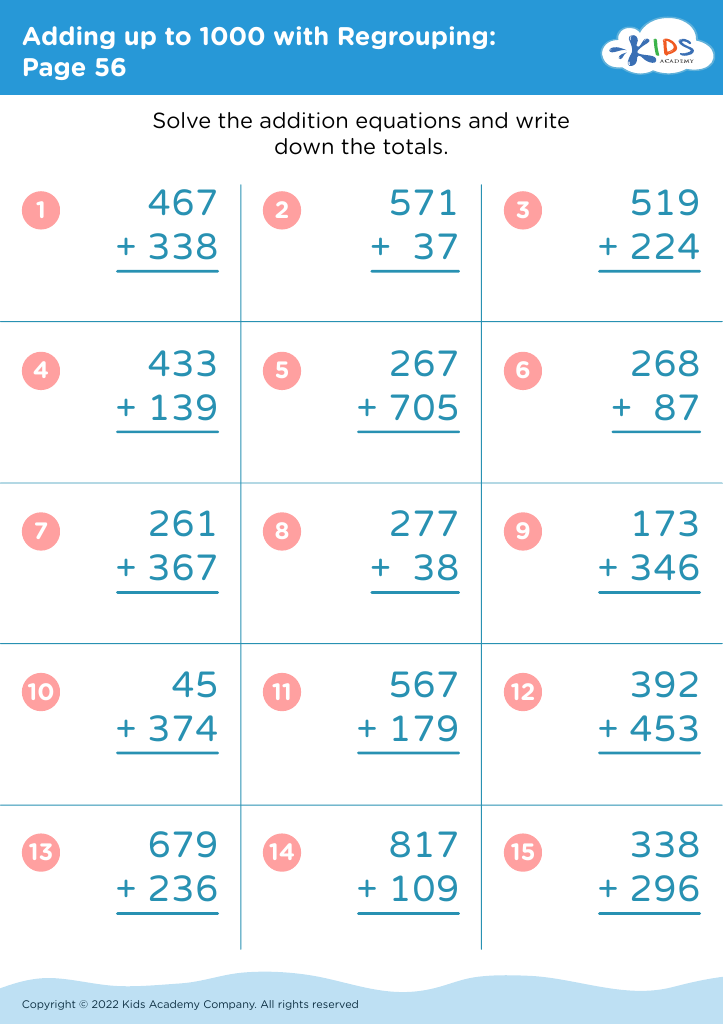
Our "Fraction Simplification Grade 3 Addition & Subtraction Worksheets" offer an engaging way for third graders to develop their fraction skills. Designed by educators, these worksheets help kids grasp the fundamental concepts of simplifying, adding, and subtracting fractions. Each sheet contains a variety of approachable problems to ensure comprehensive understanding and retention. By practicing with our expertly crafted exercises, students can build confidence while having fun. Parents and teachers alike will appreciate the ease of integrating these printable resources into their educational routines. Start your child’s journey towards fraction mastery today with our effective and enjoyable worksheets!
Favorites
With answer key
Interactive
Join Kids Academy for Free
Who is primarily going to use this learning content?








Understanding fraction simplification starting in Grade 3 is a foundational skill that contributes to a child’s long-term mathematical success. Simplifying fractions helps children recognize equivalency, an essential concept that underpins higher-level mathematical operations. By grasping fraction simplification early, students can navigate more complex arithmetic with ease, boosting their confidence and problem-solving abilities.
Additionally, simplified fractions make it easier for students to perform addition and subtraction. Consider 1/2 + 1/4; when fractions are simplified appropriately, children quickly grasp that 1/2 equals 2/4, simplifying the sum to 3/4. Such skills streamline computations, ensuring they become second nature.
Teaching these math skills also nurtures critical thinking, as students learn to break down problems into simpler parts. It builds a strong mental framework for coping with proportions, ratios, and algebra in later education stages.
Lastly, early proficiency in fraction arithmetic benefits beyond the classroom. Real-world applications like cooking, budgeting, and even time management frequently involve fractions. Therefore, dedication to teaching and upholding these skills lays the foundation for future academic success and daily life functionality, making it a crucial investment for both teachers and parents.