Identifying shapes Grade 3 Addition & Subtraction Worksheets
3 filtered results
-
From - To
Discover our engaging Grade 3 Addition and Subtraction Worksheets designed to enhance students' understanding of shapes while honing their math skills. This unique resource combines geometric shape identification with addition and subtraction practice, fostering critical thinking and problem-solving abilities. Each worksheet offers a variety of exercises, allowing learners to recognize shapes such as triangles, circles, and squares while applying arithmetic operations in real-world contexts. Perfect for classroom activities or at-home reinforcement, our worksheets support educational growth in an interactive format. Empower your third graders to explore the world of shapes and numbers with these dynamic learning tools that make math fun!
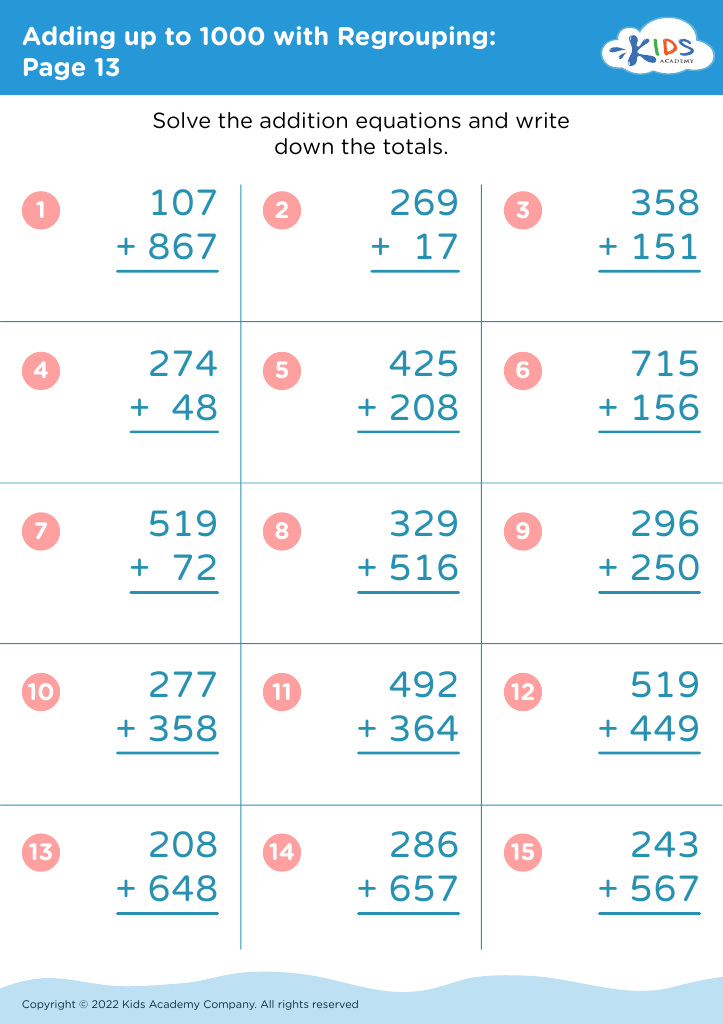
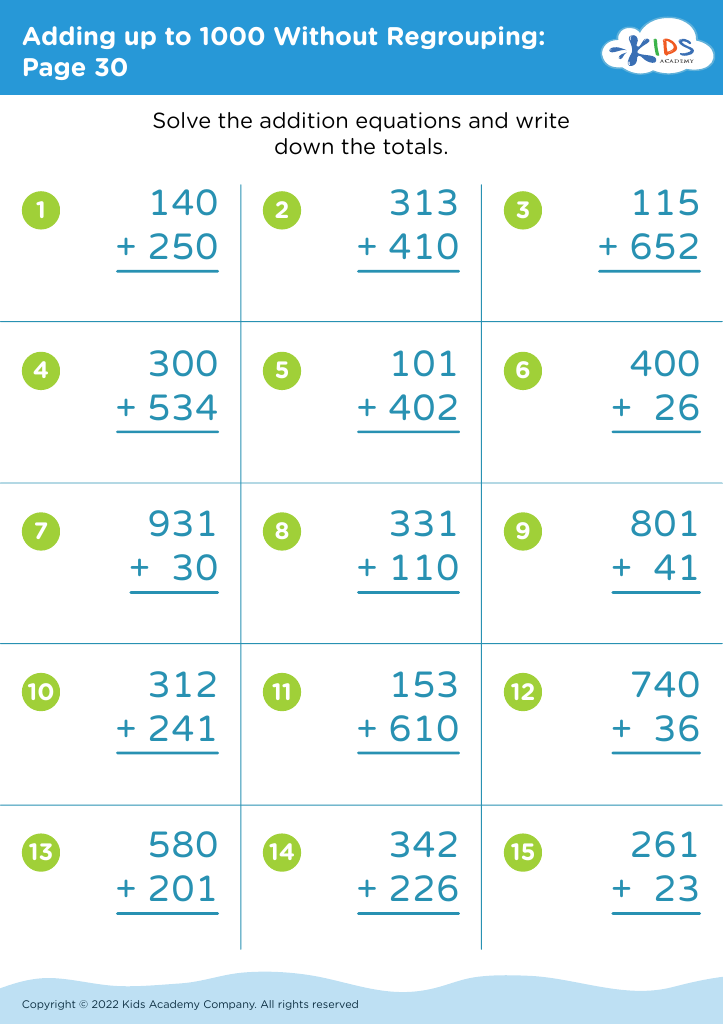
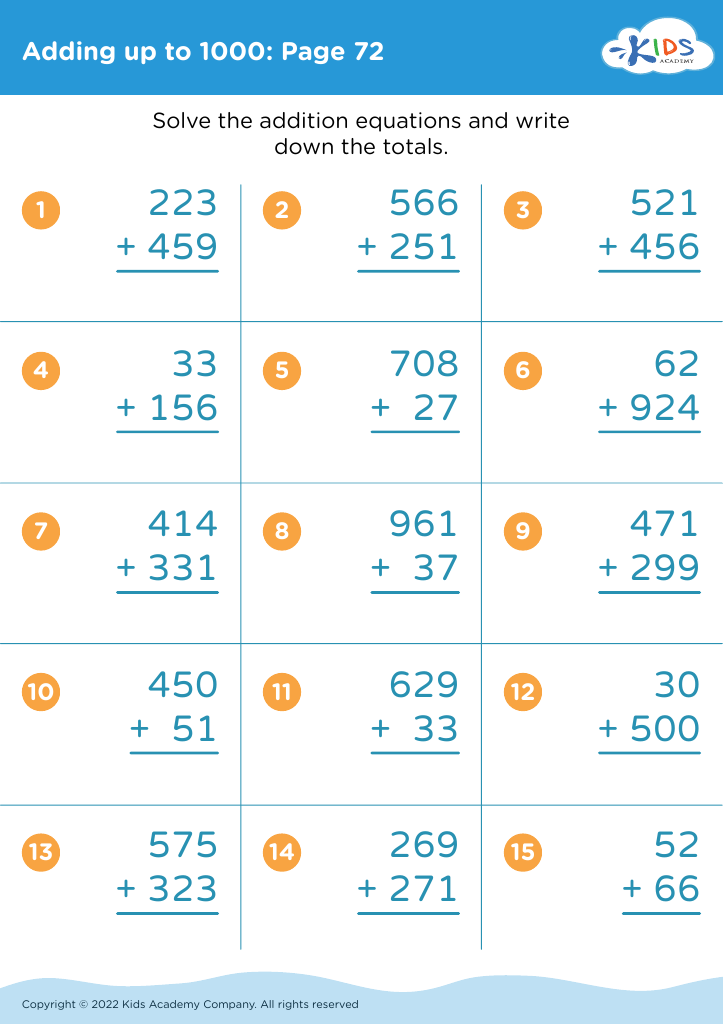








Identifying shapes and mastering grade 3 addition and subtraction are fundamental skills in early education that significantly impact a child's cognitive development. Parents and teachers should care about these concepts as they help lay the groundwork for more complex mathematical skills in the future.
Recognizing shapes aids in children's spatial awareness and enhances their ability to visualize and understand relationships in the physical world. This skill is crucial not only in math but in daily activities, as it helps children recognize patterns, categorize objects, and develop critical thinking.
Similarly, proficiency in addition and subtraction at this stage builds a child’s numerical fluency, which is essential for pursuing more advanced math operations. These foundational skills are not just about learning to add and subtract but also about developing problem-solving abilities, logical reasoning, and perseverance when tackling challenging tasks.
When parents and teachers actively engage in reinforcing these skills through practical activities and discussions, they foster a love for learning, encourage curiosity, and promote academic confidence. Consequently, emphasizing shape identification and basic arithmetic can lead to mastery in higher-order thinking skills, better preparing children for future educational challenges.