Practicing multiplication Grade 3 Addition & Subtraction Worksheets
3 filtered results
-
From - To
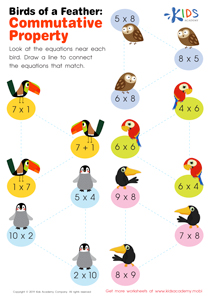
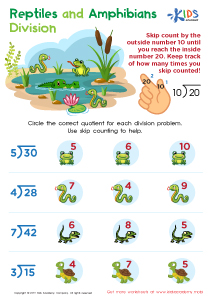
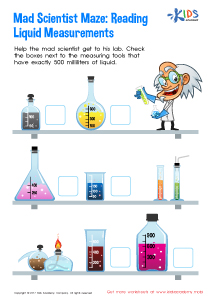
Explore our comprehensive "Practicing Multiplication Grade 3 Addition & Subtraction Worksheets" designed to boost your child's math skills effectively. These engaging resources help third graders master essential multiplication concepts while reinforcing addition and subtraction techniques. With diverse problem sets tailored for young learners, our worksheets make learning math fun and accessible. Enjoy a mixture of practice exercises, puzzles, and word problems that promote critical thinking and problem-solving abilities. Perfect for classroom activities or at-home practice, these printables are your go-to solution for building a solid mathematical foundation in a supportive, confidence-building atmosphere. Explore and download now!
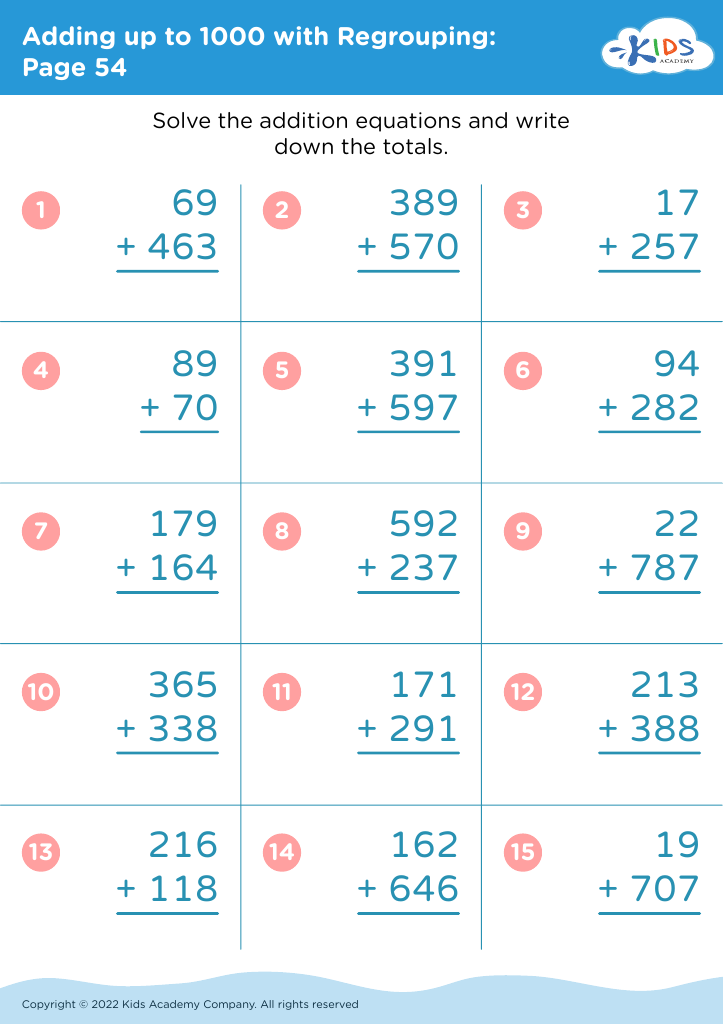
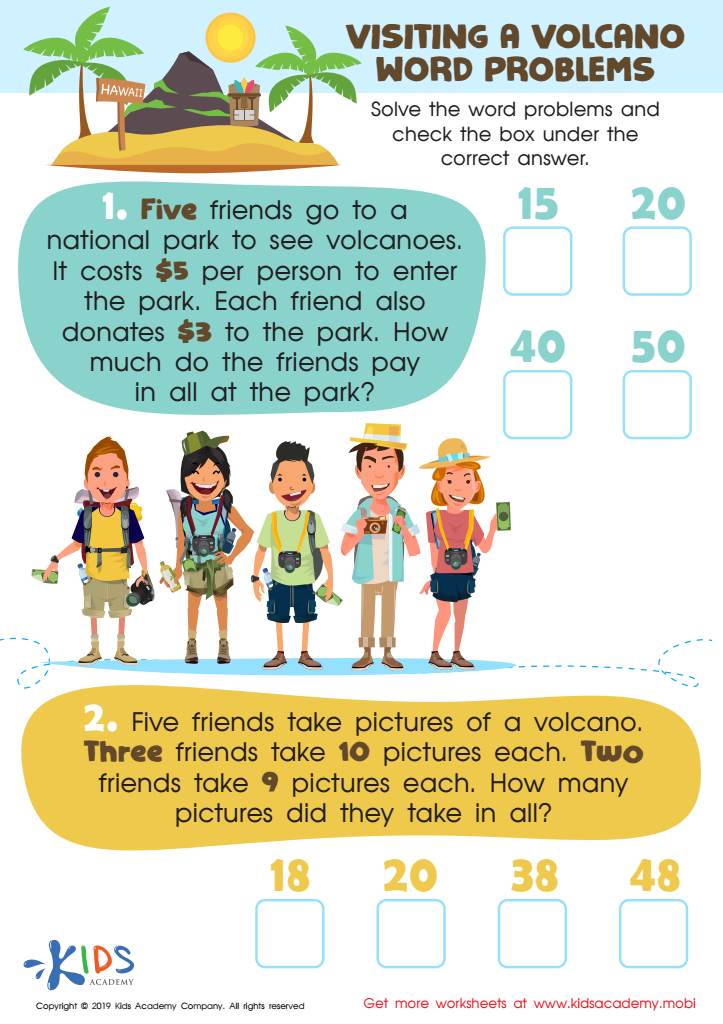
Visiting a Volcano Word Problems Worksheet
 Assign to My Students
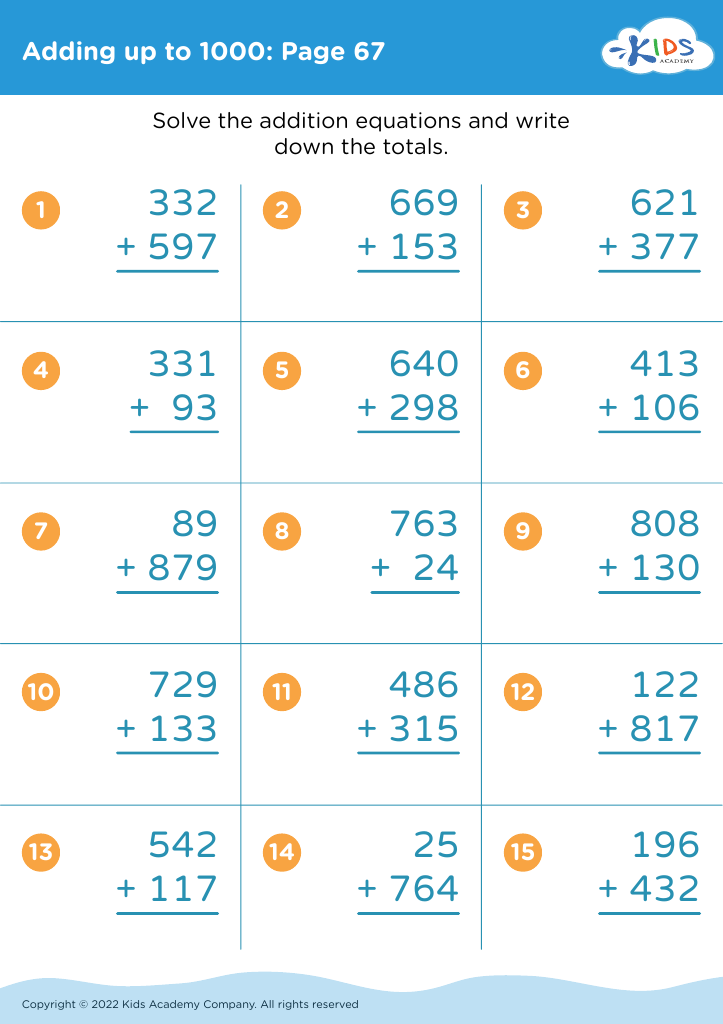








Practicing multiplication, addition, and subtraction in Grade 3 is crucial for laying a strong mathematical foundation for children. At this stage, children are transitioning from basic arithmetic to more complex problem-solving skills, and mastering these fundamental operations is key to their future success in math.
Addition and subtraction are building blocks for understanding the more intricate world of mathematics. They not only help with day-to-day calculations but also prepare children for more advanced math concepts like algebra and geometry. Proficiency in these operations ensures that students can handle multi-step problems more effectively, enhancing their critical thinking and analytical skills.
Multiplication, introduced in Grade 3, is equally important. It expands mathematical understanding and offers a more efficient way to conceptualize repeated addition. As children become fluent in multiplication, they also develop an ability to tackle division, fractions, and eventually more complex mathematical equations.
Parents and teachers recognizing the significance of these skills will be better positioned to support students' learning. Regular practice using engaging methods—such as games, visual aids, and real-life problem-solving scenarios—helps make math an enjoyable subject. Encouraging consistent practice builds confidence, reduces math anxiety, and fosters a lifelong appreciation for the subject. By dedicating time to these fundamental operations, children are equipped with the tools necessary for future academic and everyday success.