Visual interpretation Grade 3 Addition & Subtraction Worksheets
3 filtered results
-
From - To
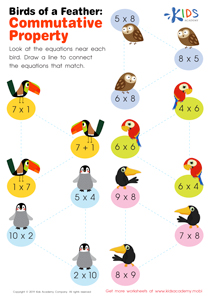
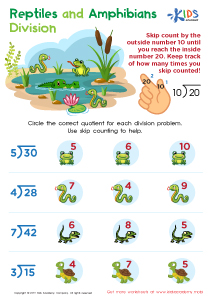
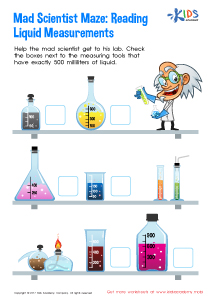
Welcome to our Visual Interpretation Grade 3 Addition & Subtraction Worksheets! These engaging resources are designed to help young learners grasp fundamental math concepts through visual aids. Our worksheets feature colorful illustrations and diverse visual formats that support the understanding of addition and subtraction, facilitating a deeper comprehension of mathematical operations. Students will enhance their problem-solving skills by interpreting visual representations while reinforcing their numeric abilities. Perfect for classroom use or at-home learning, our worksheets foster an interactive and enjoyable way to master addition and subtraction. Explore our collection today and watch your child flourish in math!
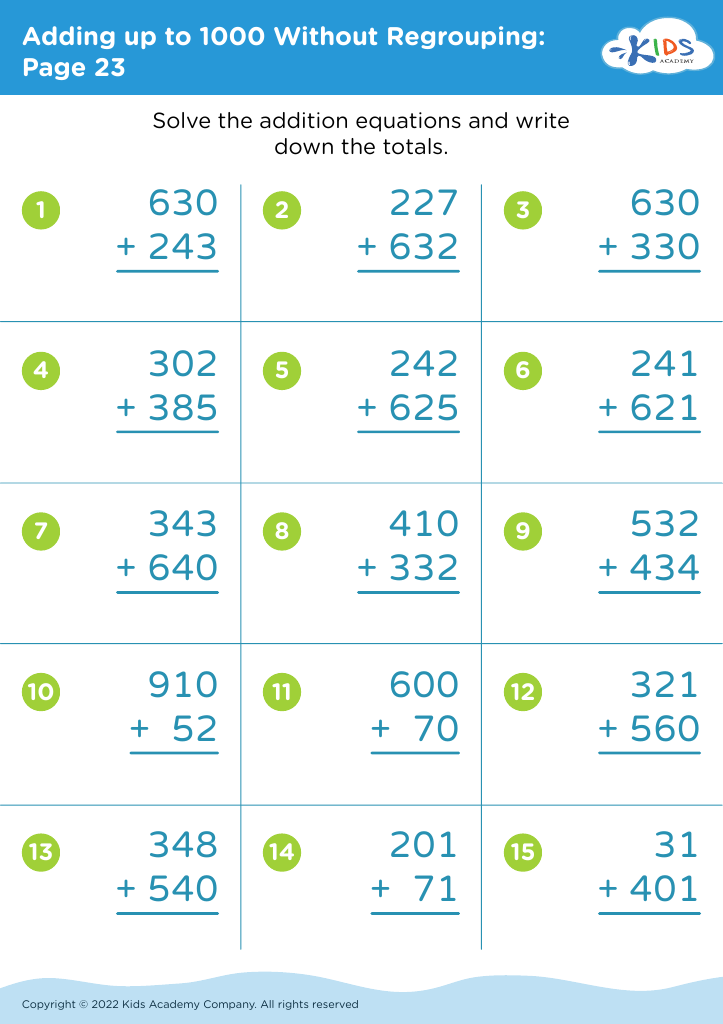
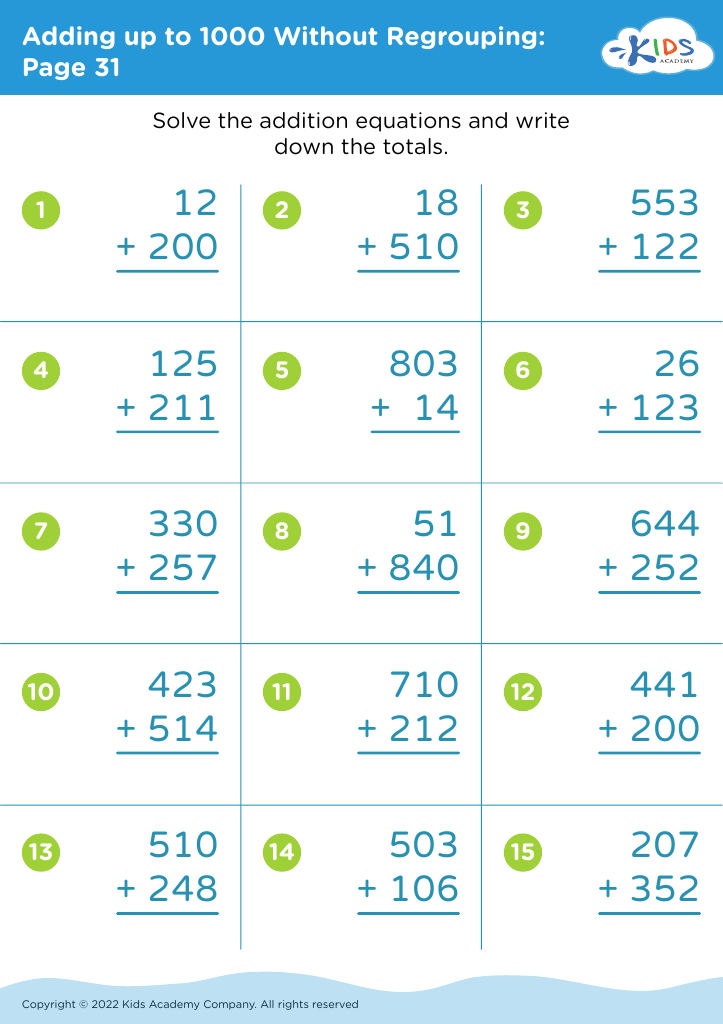
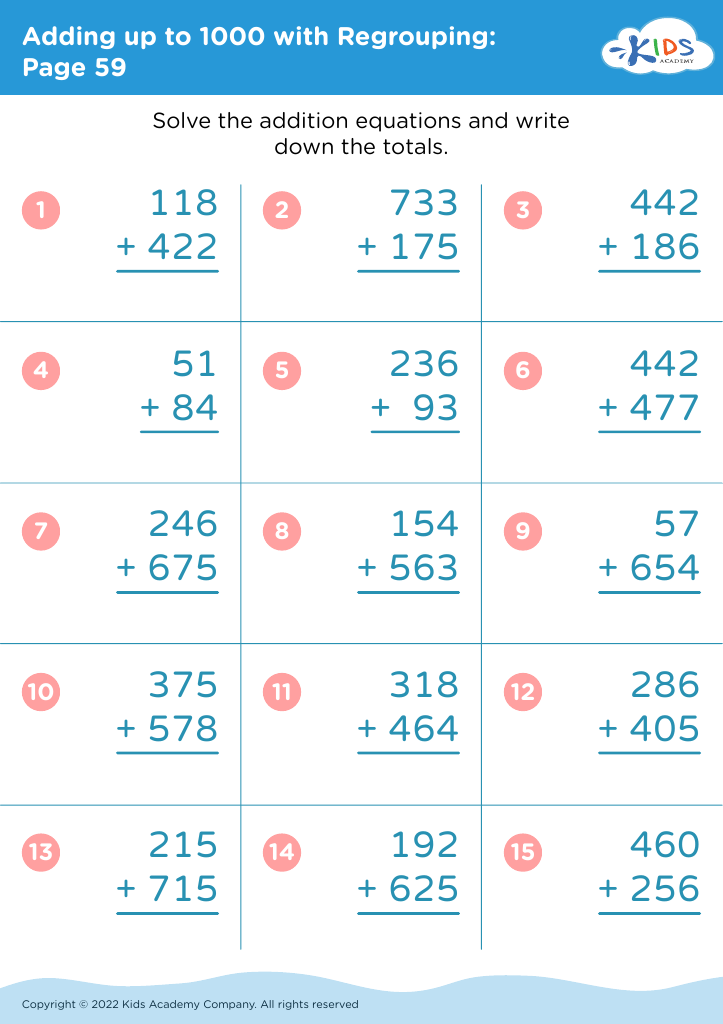








Visual interpretation in Grade 3 addition and subtraction is crucial for building a strong mathematical foundation. This skill involves understanding and analyzing visual representations, such as number lines, bar models, and graphs, which help students grasp complex concepts more easily. By utilizing visuals, children can see the relationships between numbers and the operations being performed.
Parents and teachers should care about this skill because it enhances critical thinking and problem-solving abilities. When students can visualize math problems, they are better equipped to tackle more advanced concepts later on, leading to greater confidence and independence in their mathematical journey. Additionally, visual interpretation encourages engagement—students are often more motivated to solve problems when they can manipulate and interact with visual aids.
Moreover, many standardized tests and real-life applications require strong visual interpretation skills. By focusing on this aspect, parents and teachers can ensure that children are not only prepared for tests but also for practical situations that demand mathematical reasoning. In nurturing these skills, adults set the groundwork for a lifelong appreciation and understanding of mathematics, ultimately aiding in academic success and everyday decision-making. Thus, encouraging visual interpretation in early education is both important and beneficial.