Check out this FREE Grade 3 Trial Lesson on Addition!

Equivalent Fractions

Favorites
With answer key
Interactive
  • Grade 3
  • Understanding fractions
  • Addition
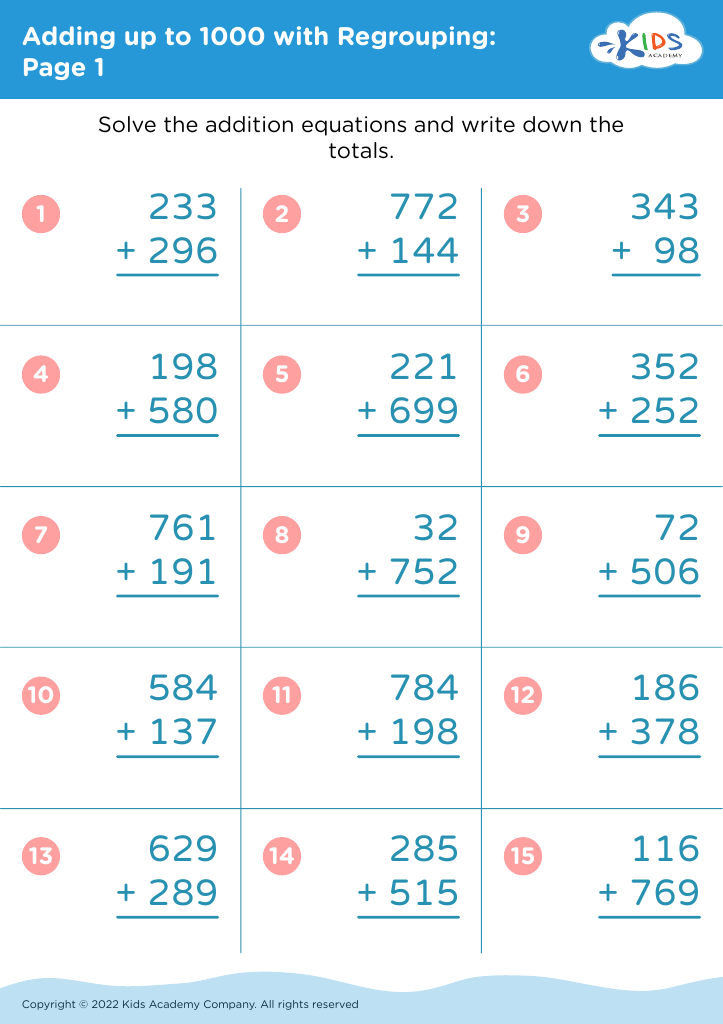
Adding up to 1000 with Regrouping: Page 1
Worksheet
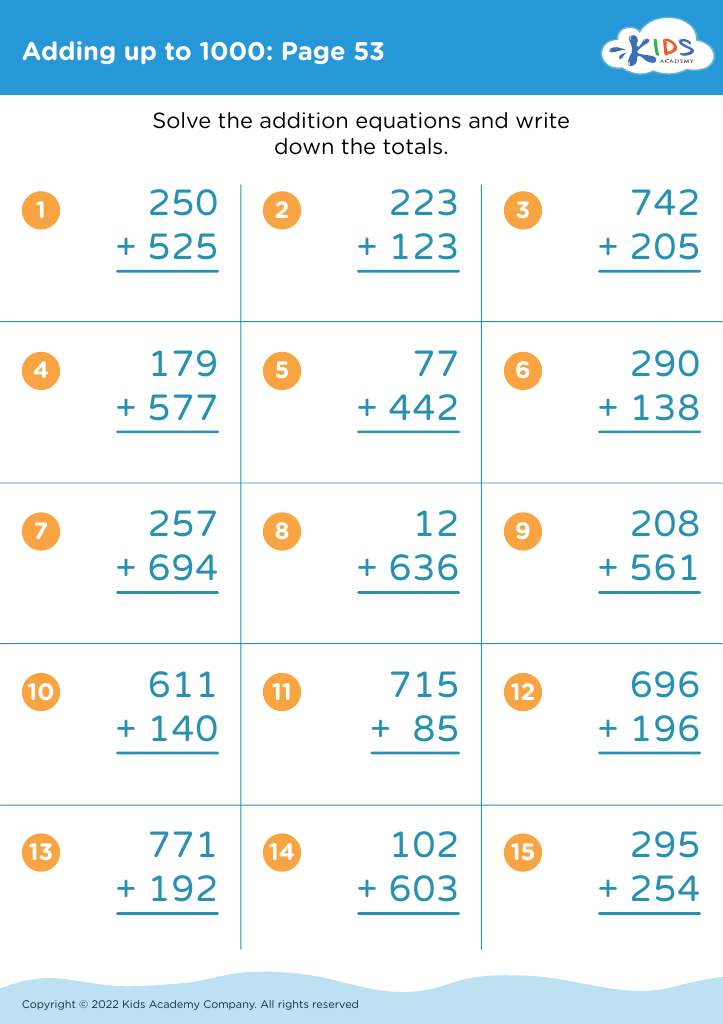
Adding up to 1000: Page 53

Adding up to 1000: Page 53

Adding up to 1000: Page 53
Worksheet
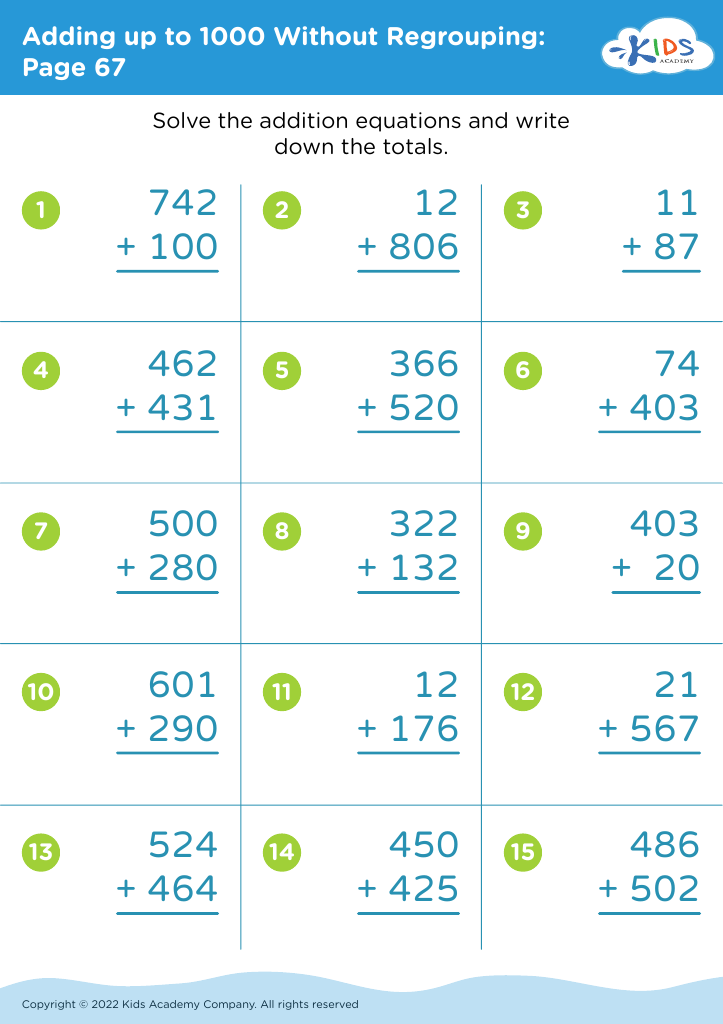
Adding up to 1000 Without Regrouping: Page 67
Worksheet
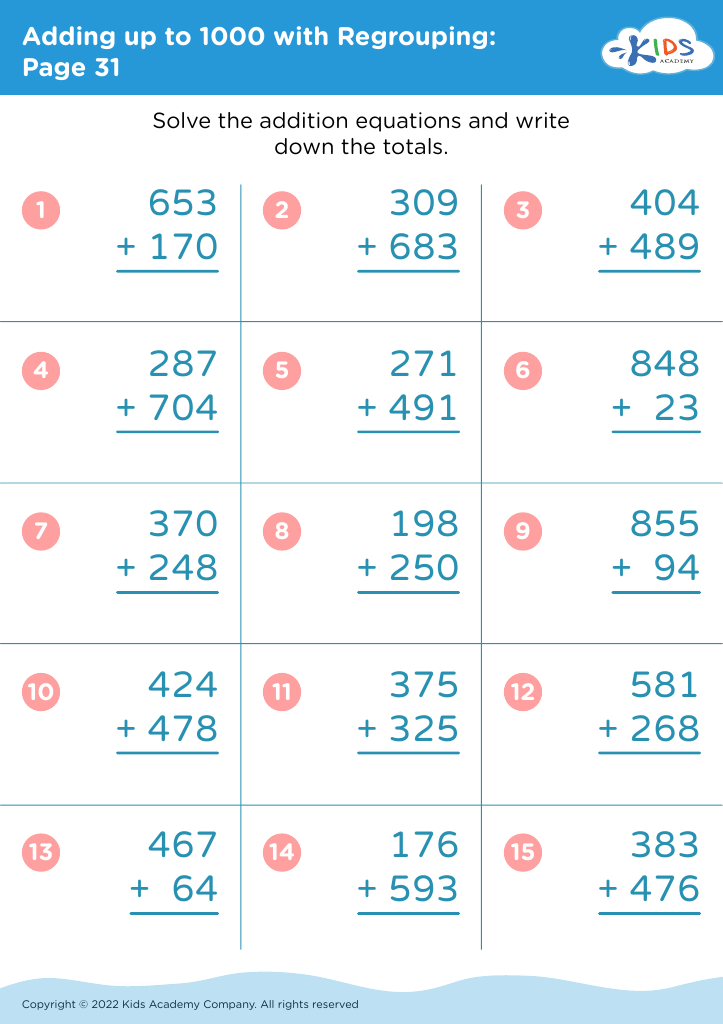
Adding up to 1000 with Regrouping: Page 31
Worksheet
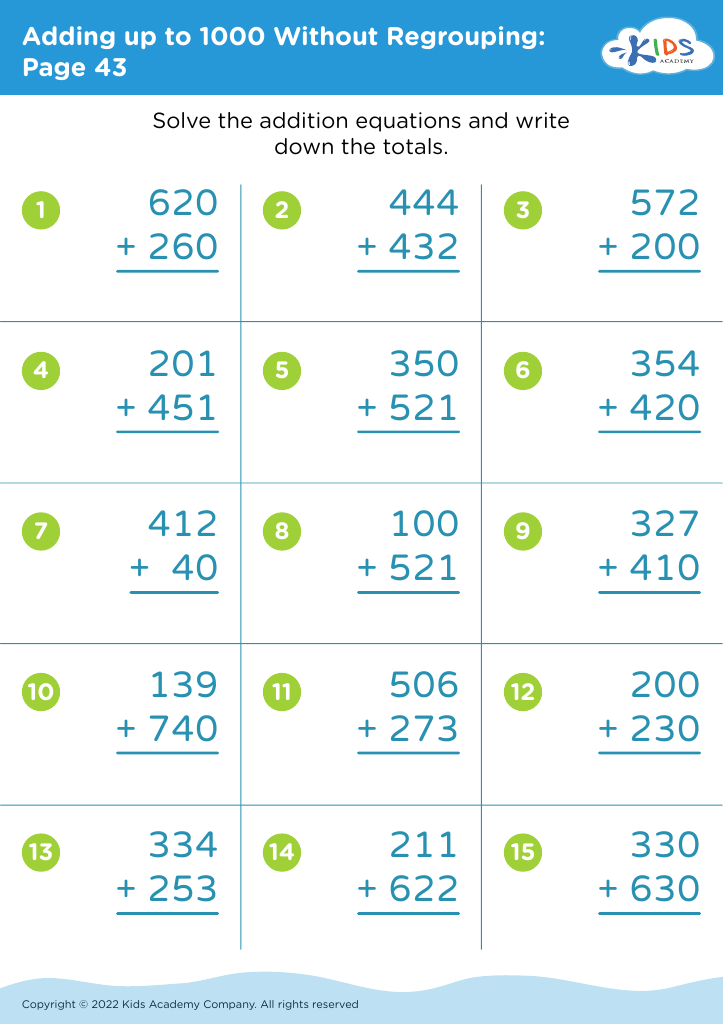
Adding up to 1000 Without Regrouping: Page 43
Worksheet
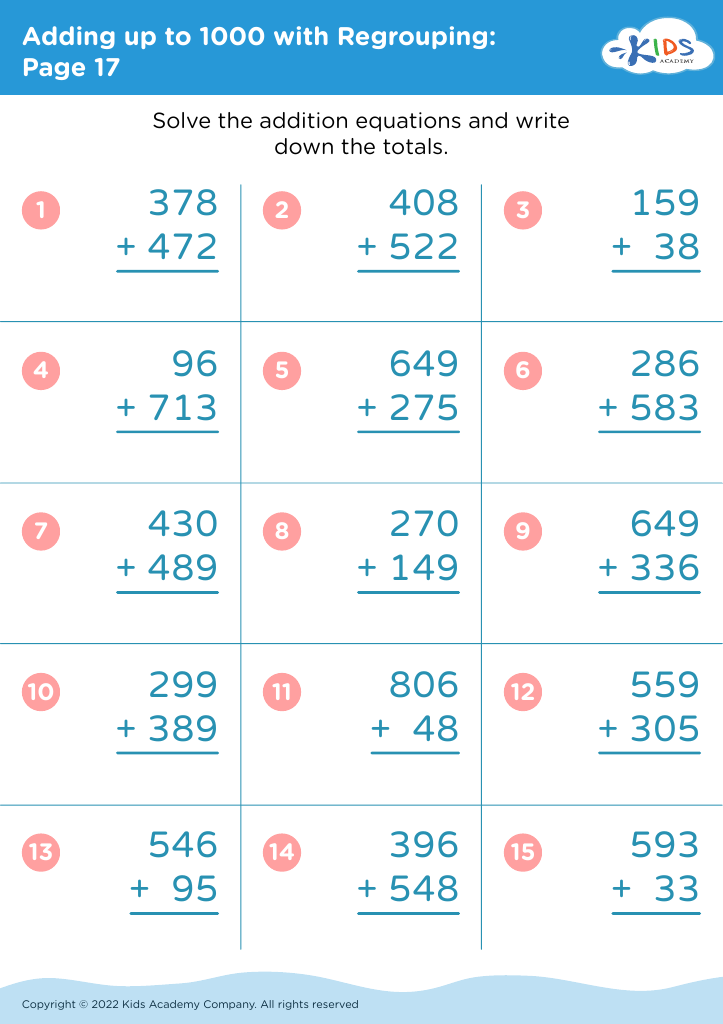
Adding up to 1000 with Regrouping: Page 17
Worksheet
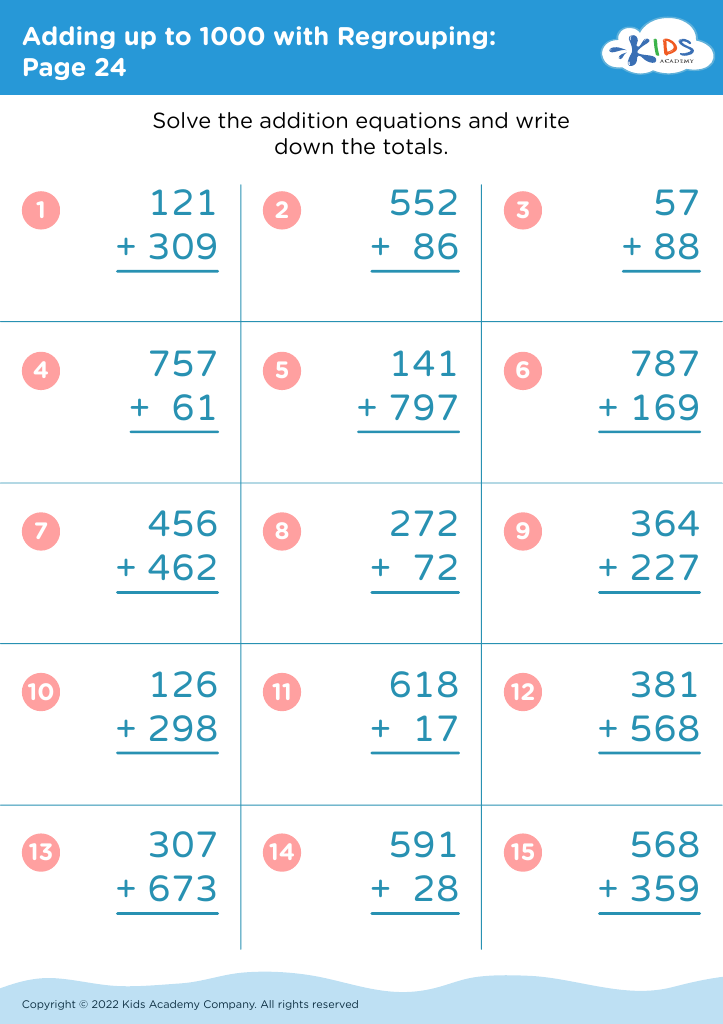
Adding up to 1000 with Regrouping: Page 24
Worksheet
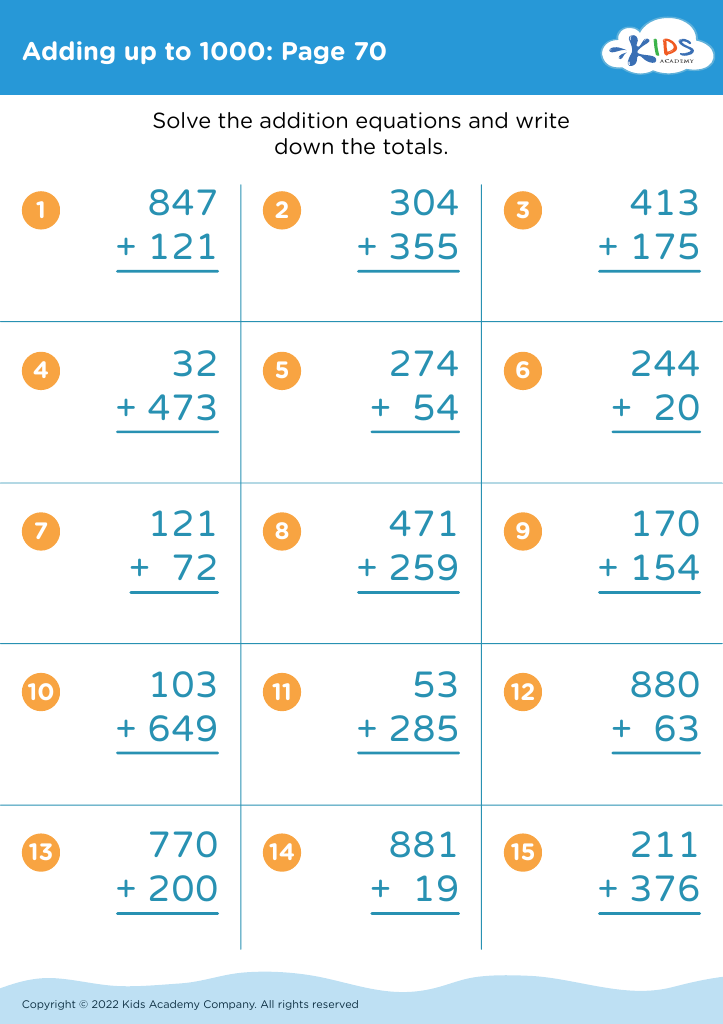
Adding up to 1000: Page 70

Adding up to 1000: Page 70

Adding up to 1000: Page 70
Worksheet
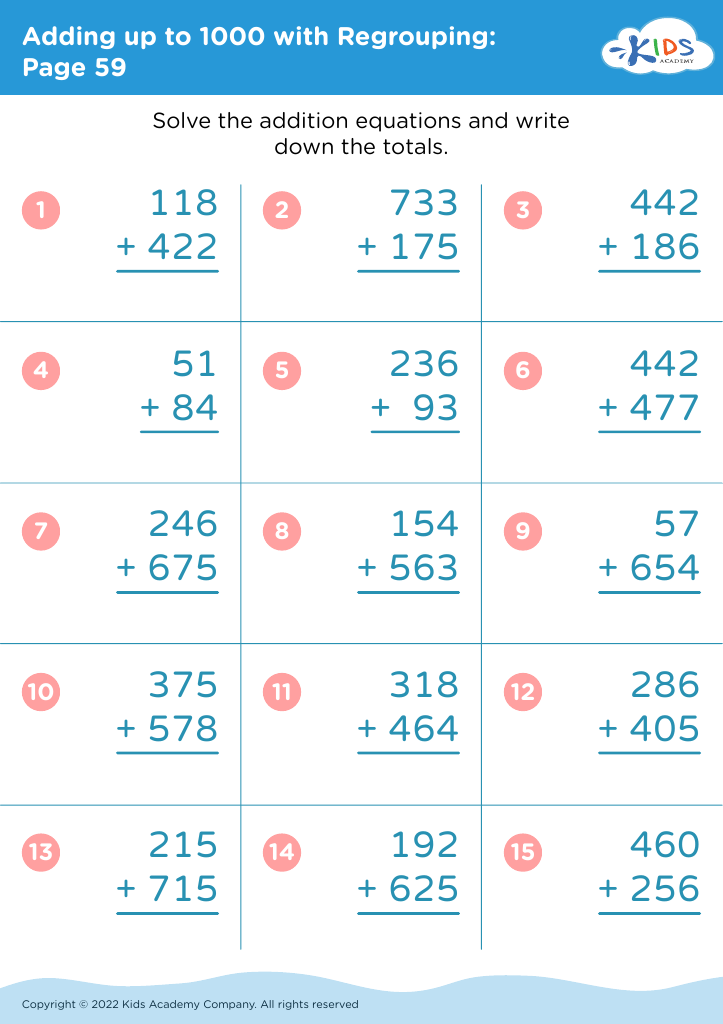
Adding up to 1000 with Regrouping: Page 59
Worksheet
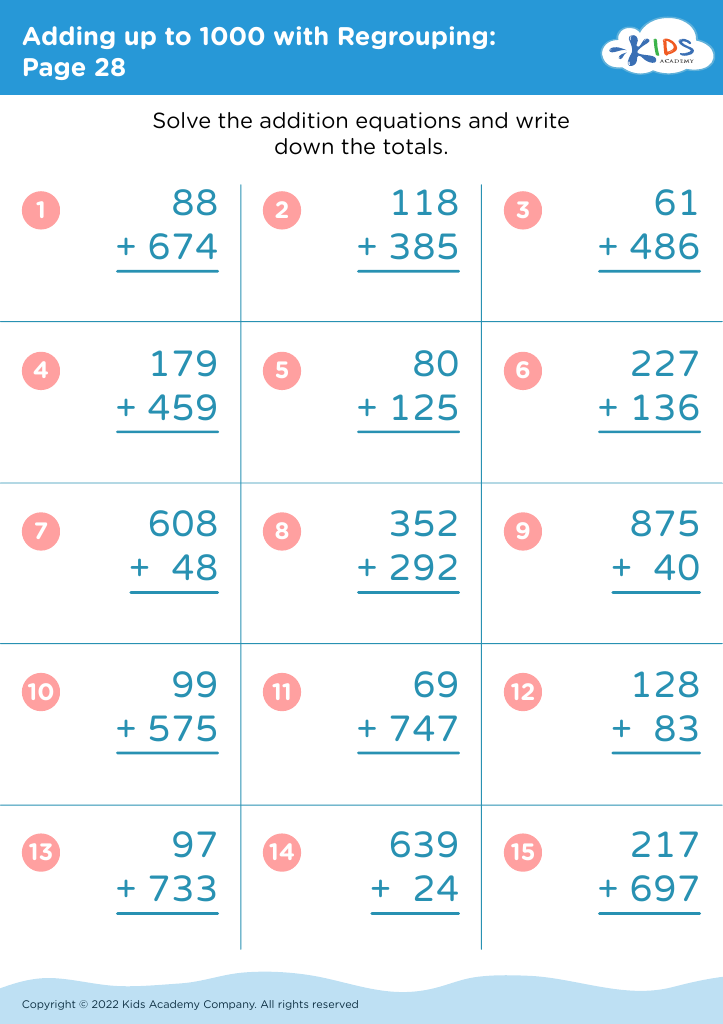
Adding up to 1000 with Regrouping: Page 28
Worksheet
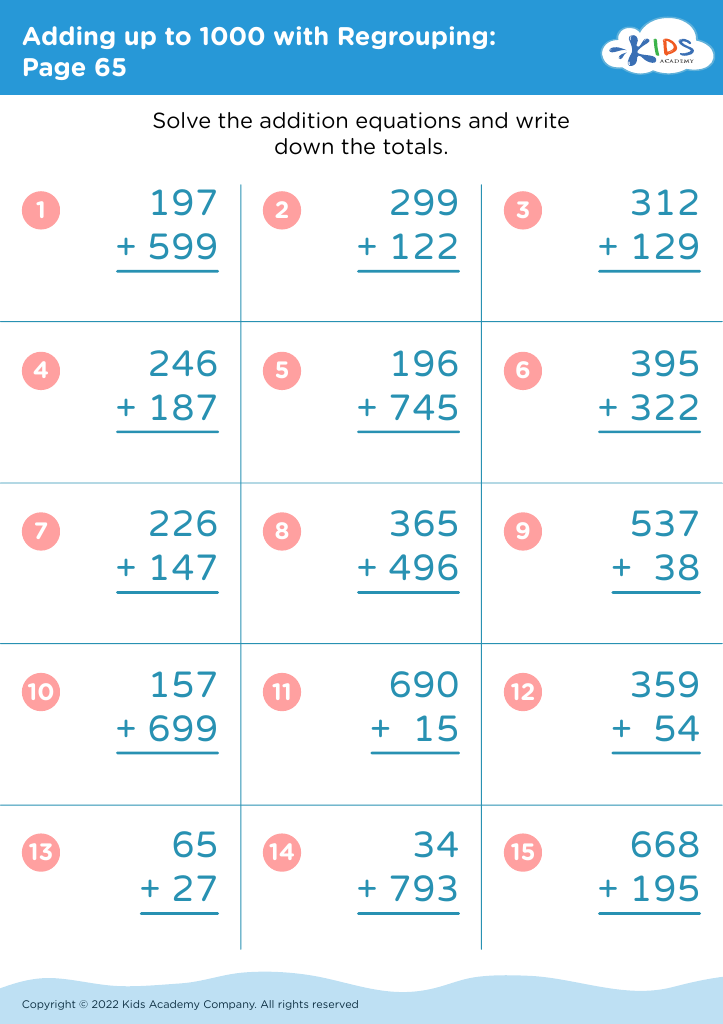
Adding up to 1000 with Regrouping: Page 65
Worksheet
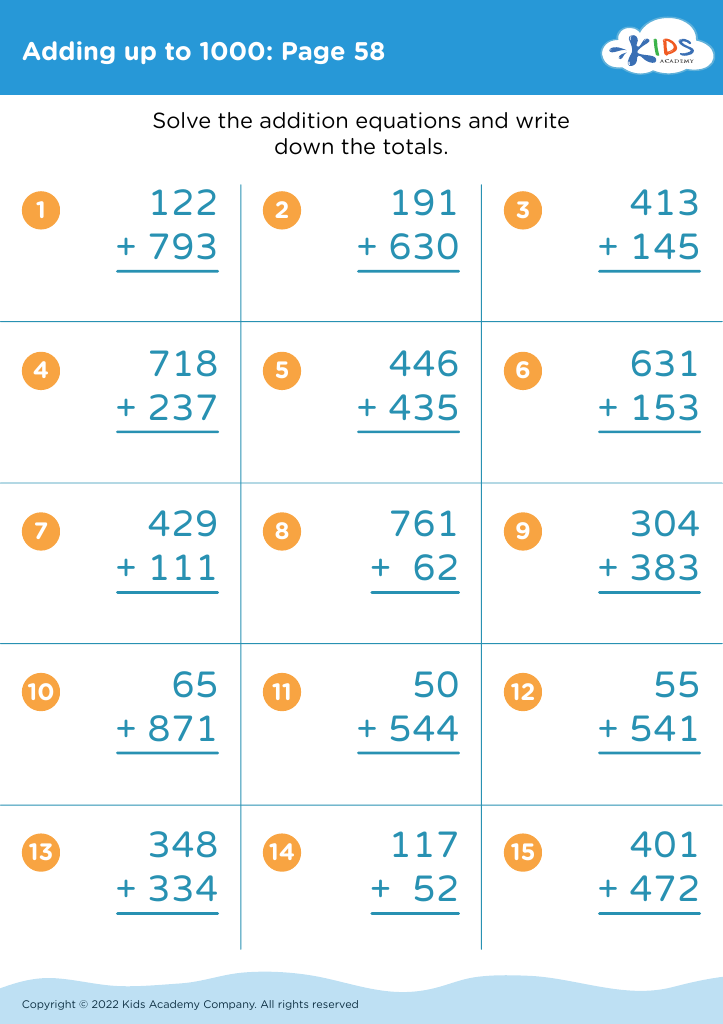
Adding up to 1000: Page 58

Adding up to 1000: Page 58

Adding up to 1000: Page 58
Worksheet
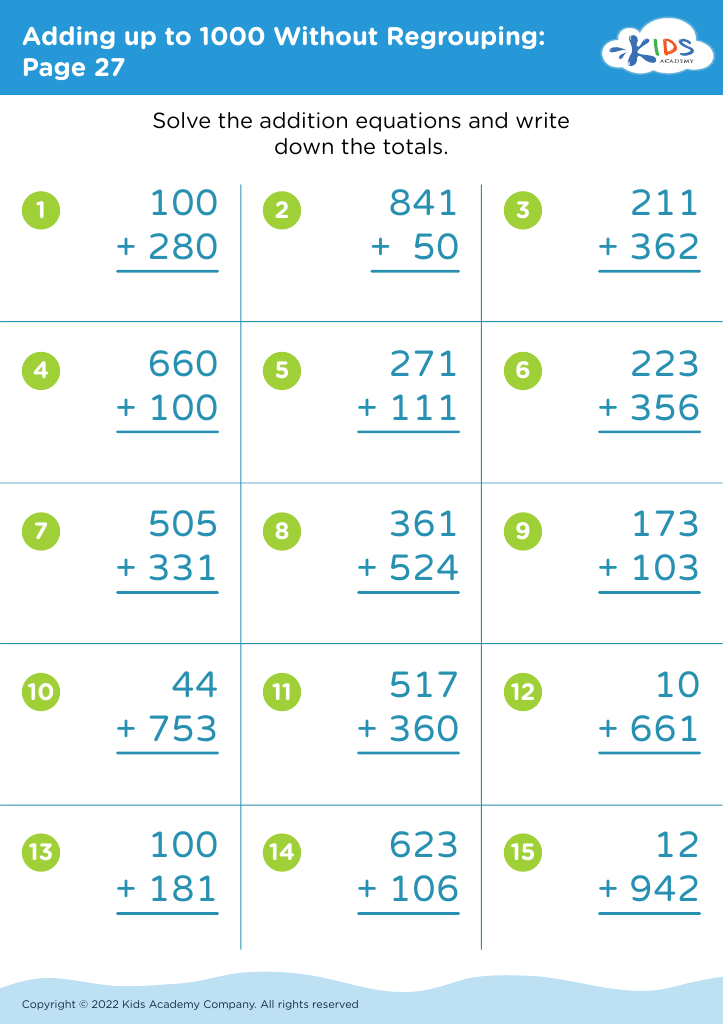
Adding up to 1000 Without Regrouping: Page 27
Worksheet
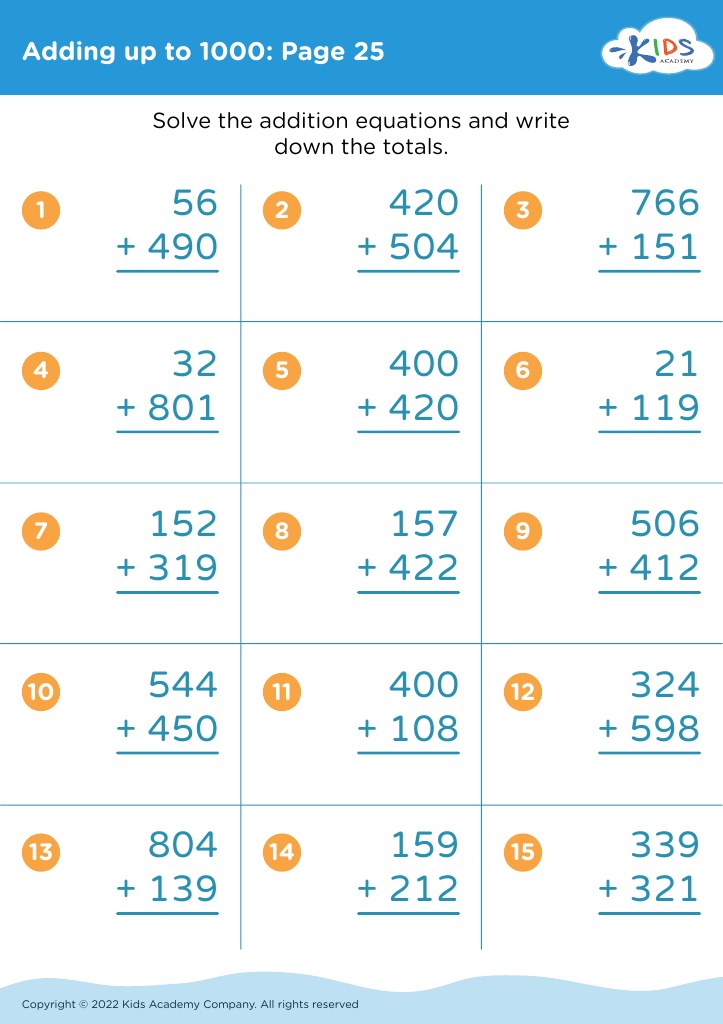
Adding up to 1000: Page 25

Adding up to 1000: Page 25

Adding up to 1000: Page 25
Worksheet
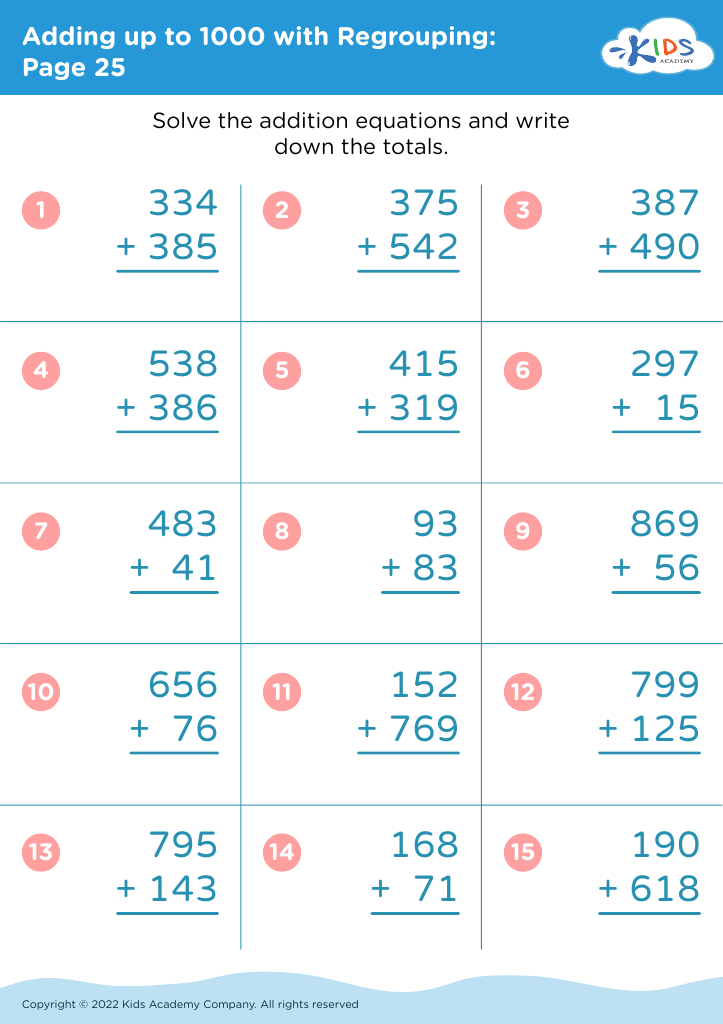
Adding up to 1000 with Regrouping: Page 25
Worksheet
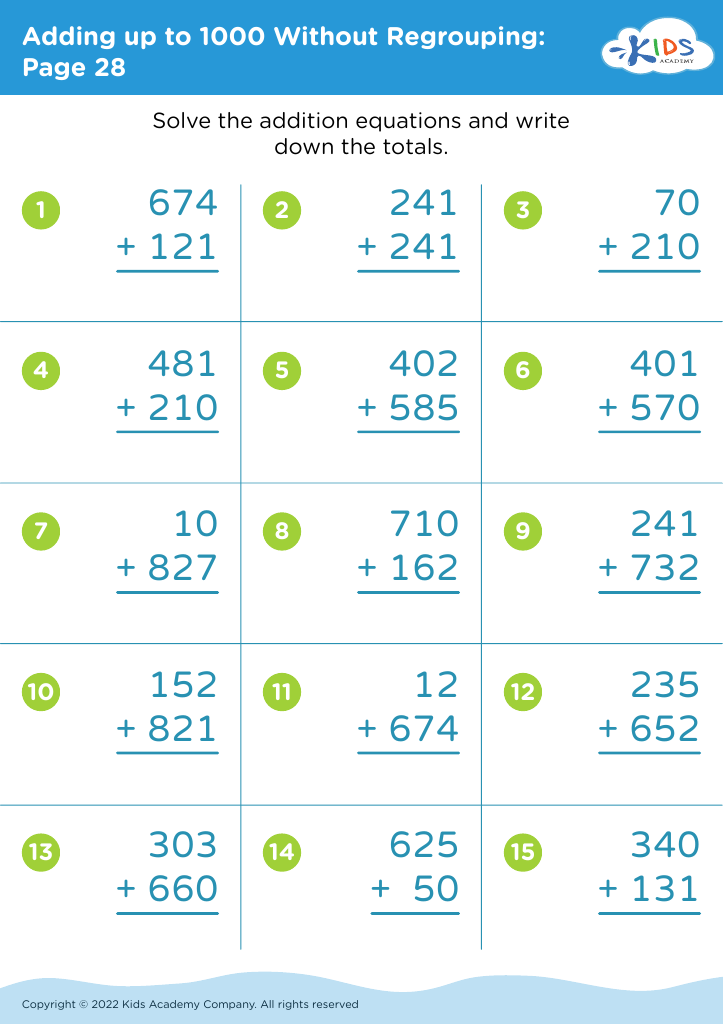
Adding up to 1000 Without Regrouping: Page 28
Worksheet
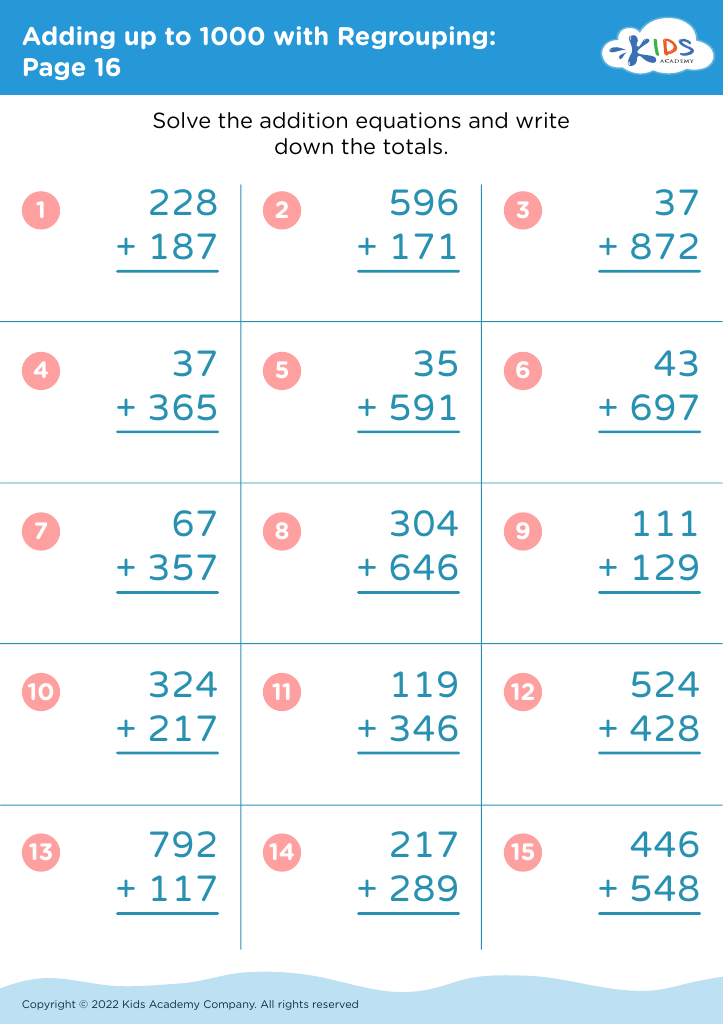
Adding up to 1000 with Regrouping: Page 16
Worksheet
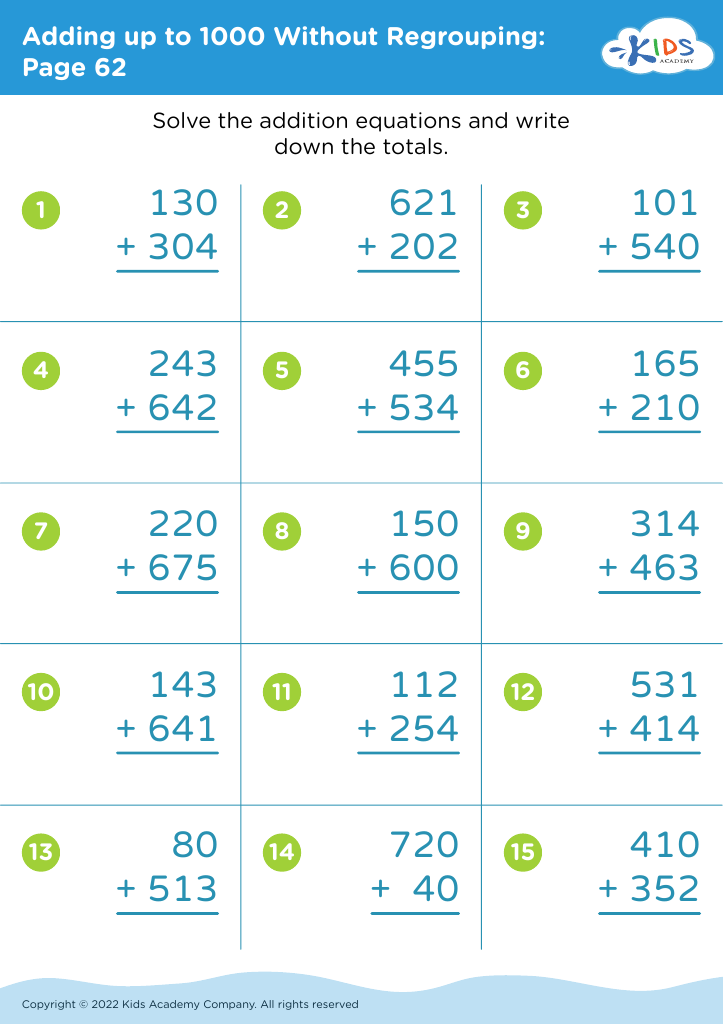
Adding up to 1000 Without Regrouping: Page 62
Worksheet
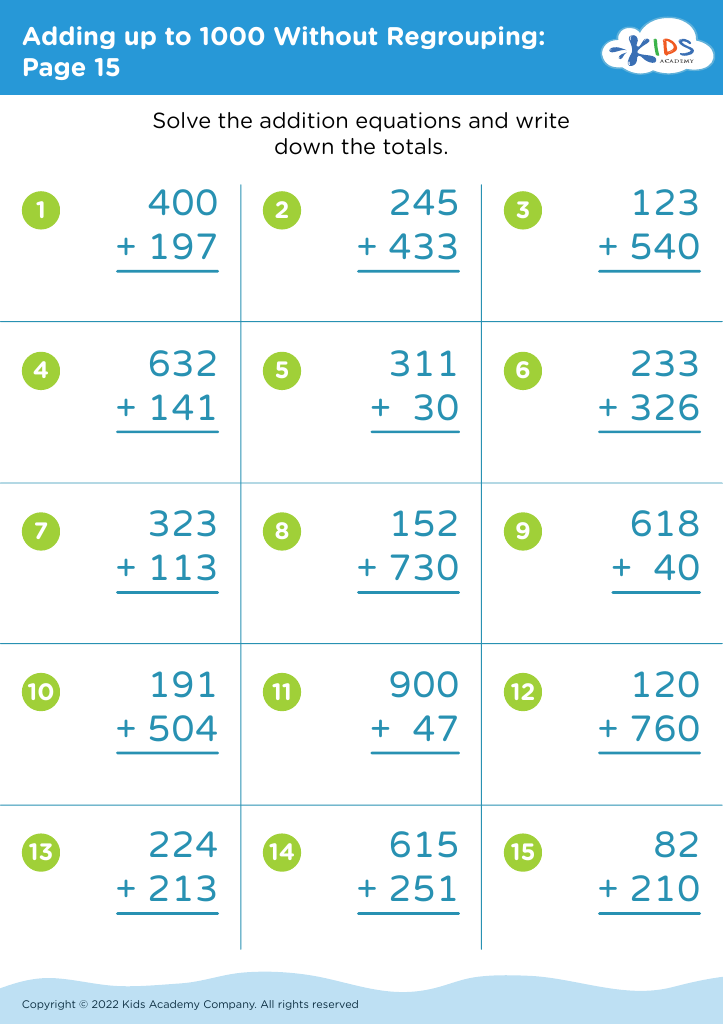
Adding up to 1000 Without Regrouping: Page 15
Worksheet
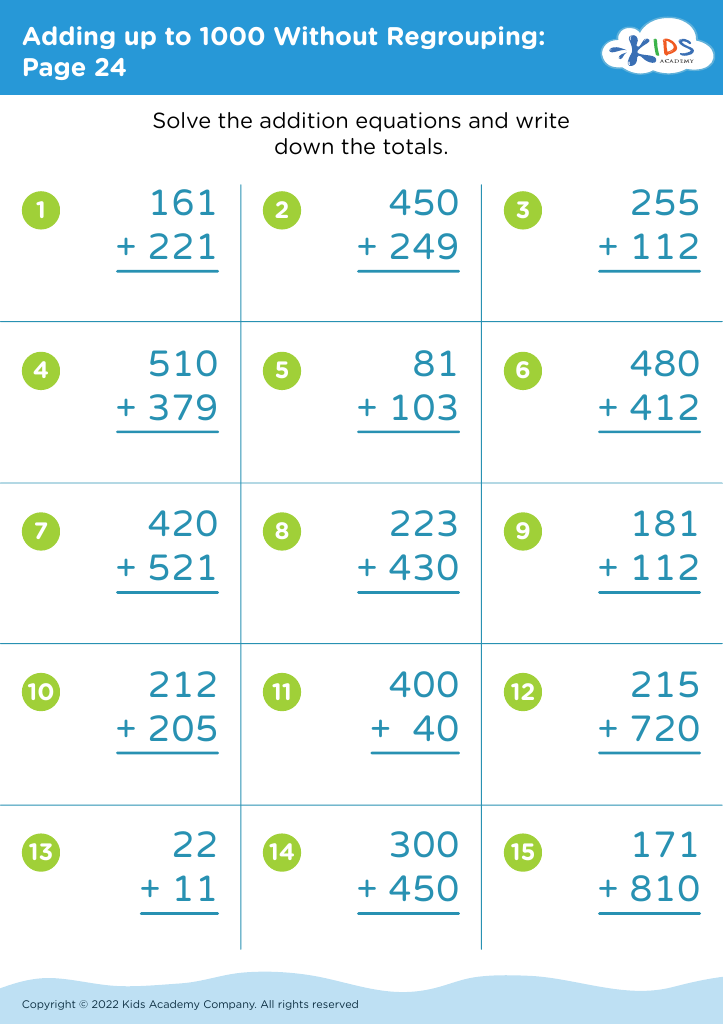
Adding up to 1000 Without Regrouping: Page 24
Worksheet


Understanding fractions is a key mathematical concept for third graders that lays the foundation for critical thinking and problem-solving skills. At this age, students are typically introduced to the idea of parts of a whole, which can be a challenging yet rewarding concept. Parents and teachers should care about this topic for several reasons.

Firstly, fractions are not just an academic concept; they are used in everyday life situations. Understanding fractions helps children manage real-world tasks like cooking, measuring, or dividing items. For example, knowing that 3/4 of a cup is less than a whole cup is essential for anyone who bakes or follows a recipe.

Additionally, proficiency in fractions sets the stage for more complex mathematical topics in later grades, such as ratios, decimals, and algebra. A strong grasp of addition and concepts related to fractions enables students to approach these advanced topics with confidence.

Teachers can nurture this understanding through engaging activities, while parents can reinforce these lessons at home. Ultimately, supporting a child’s understanding of fractions promotes a positive attitude toward math, instills curiosity, and lays a solid groundwork for lifelong learning. Being proactive in this area helps cultivate future thinkers and problem solvers.