Addition Practice Grade 3 Numbers Worksheets
4 filtered results
-
From - To
Enhance your third grader’s math skills with our engaging Addition Practice Worksheets! Designed specifically for Grade 3, these printable exercises help young learners master essential addition concepts. Our worksheets feature a variety of fun and interactive problems that promote fluency in addition, reinforce number recognition, and build confidence in mathematical reasoning. Whether used as in-class activities or homework assignments, these resources cater to different learning styles and promote independent practice. Download our Addition Practice Worksheets today and set your child on the path to becoming a math whiz! Perfect for parents and teachers alike the support early building blocks in math education!
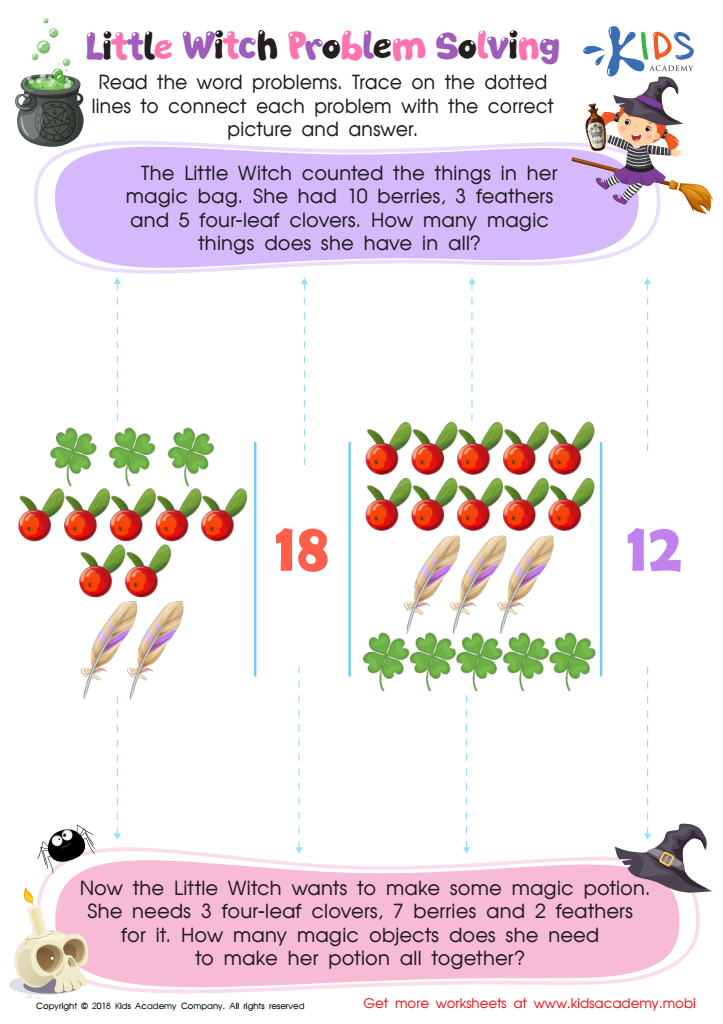
Little Witch Problem Solving Worksheet
 Assign to My Students
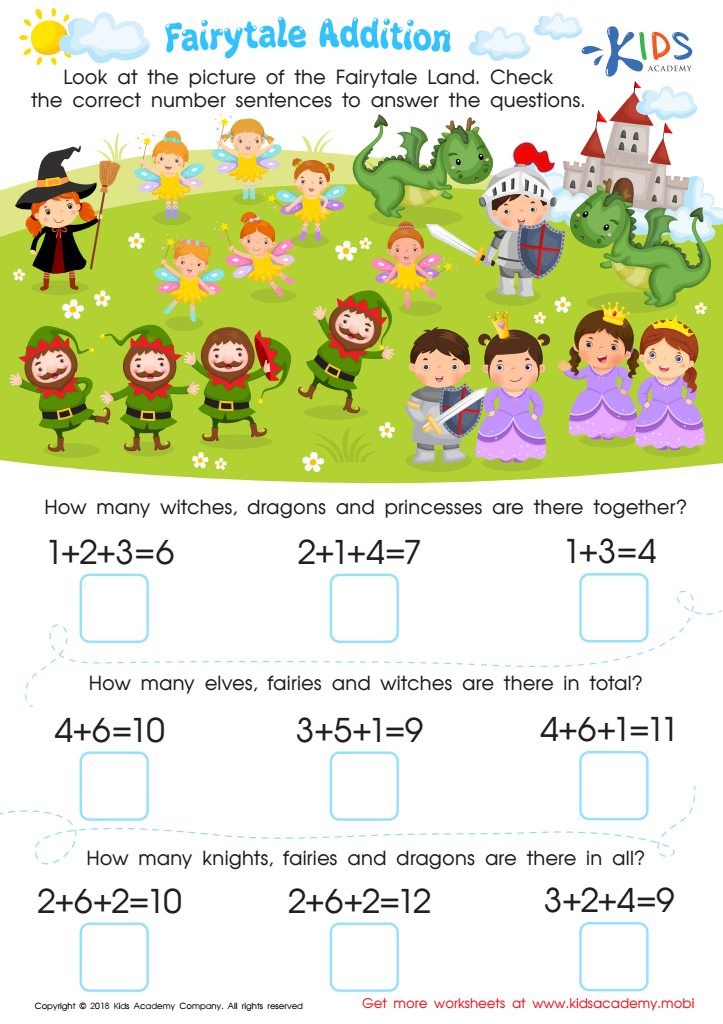
Fairytale Addition Worksheet
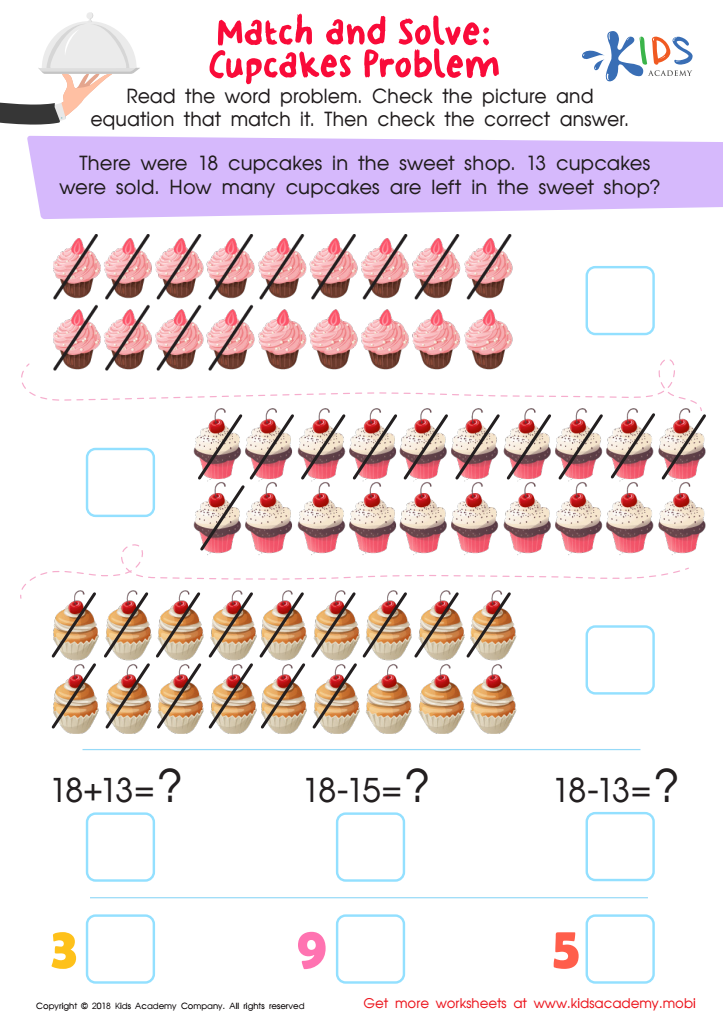
Match and Solve: Cupcakes Problem Worksheet
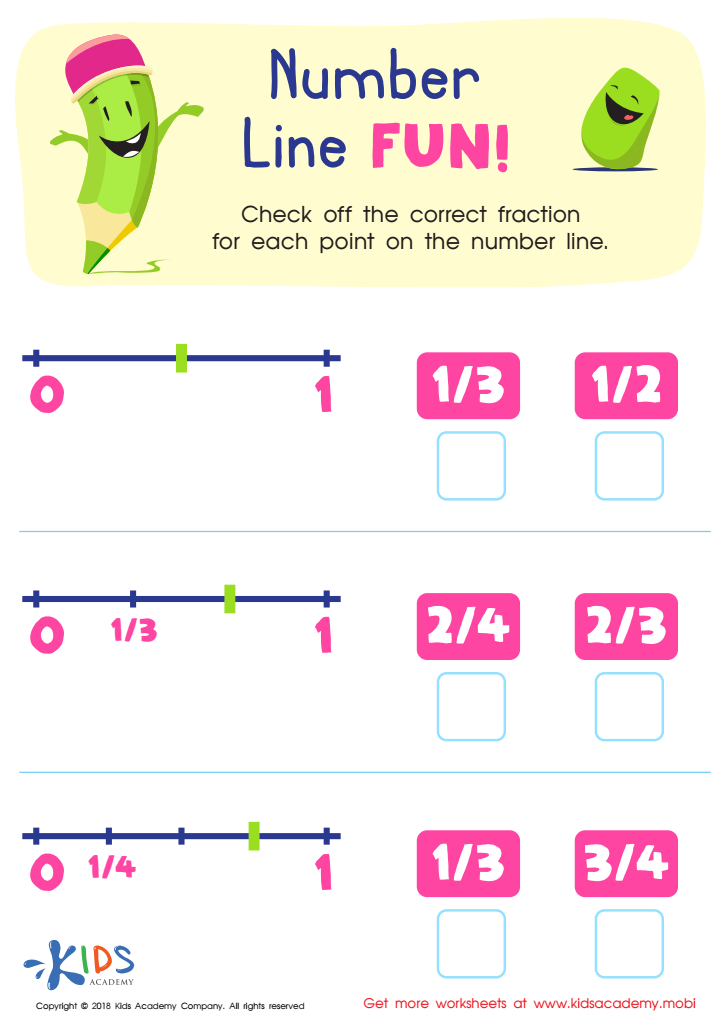
Number Line Fun Worksheet








Parents and teachers should prioritize addition practice for third graders because it lays a crucial foundation for future mathematical understanding and overall academic success. In third grade, students are transitioning from basic arithmetic concepts to more complex problem-solving skills. Mastering addition fosters confidence in their abilities, which can translate to a positive attitude toward math.
Addition practice not only enhances fluency with numbers but also strengthens critical thinking skills. Children learn to recognize patterns, relationships between numbers, and the concept of place value, which are essential as they progress to more advanced topics like multiplication and division. Additionally, addition skills are vital for real-life scenarios, from budgeting to time management.
Engaging in consistent addition practice can also improve a child's ability to tackle word problems and multi-step equations, preparing them for higher-order math challenges. Moreover, fostering strong math skills encourages students to participate actively in classroom discussions, enhancing their overall learning experience.
Ultimately, dedicated addition practice in grade 3 sets students up for success, equipping them with the necessary tools to confidently navigate their educational journey and beyond. By supporting mastery in addition, both parents and teachers play an essential role in shaping proficient, enthusiastic learners.