Color recognition Grade 3 Numbers Worksheets
4 filtered results
Difficulty Level
Grade
Age
-
From - To
Subject
Activity
Standards
Boost your third-grader’s math proficiency with our engaging Color Recognition Grade 3 Numbers Worksheets. Designed to blend learning and fun, these worksheets help children effortlessly identify and work with numbers through vibrant coloring activities. Each sheet plays a dual role: reinforcing number skills and enhancing color recognition. Ideal for visual and kinetic learners, these resources foster a strong foundation in basic math concepts while stimulating creativity. Our collection is perfect for classroom use or at-home practice, providing students with enjoyable, hands-on learning that keeps them motivated. Ensure your child excels in math with these interactive and educational worksheets!
Favorites
With answer key
Interactive
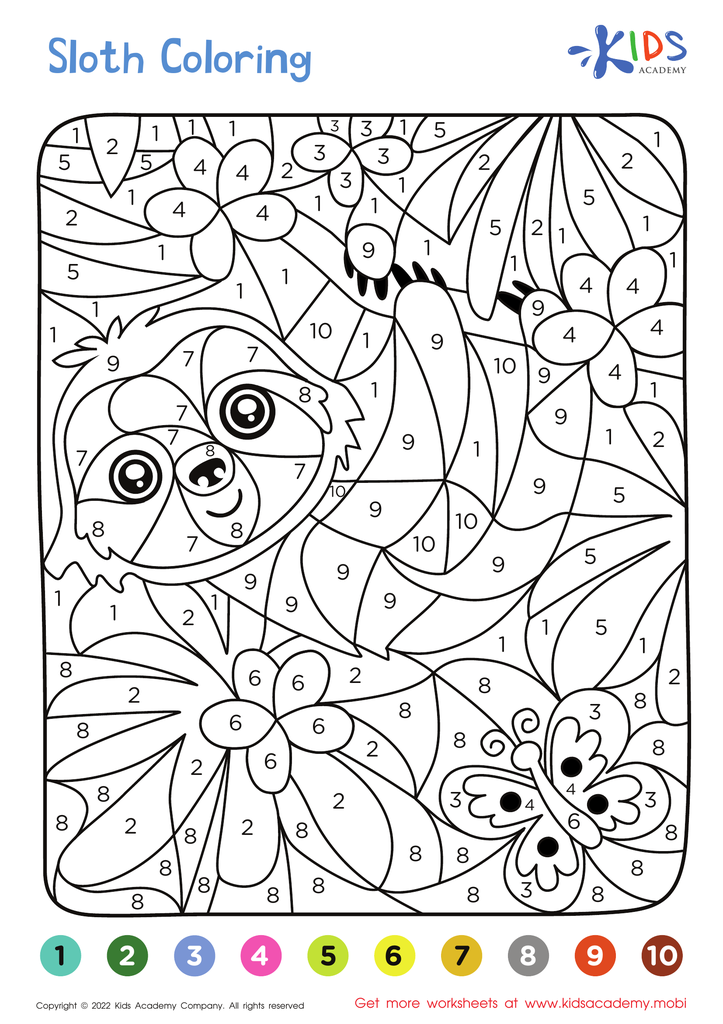
Sloth – Coloring by Numbers
Download our free coloring by numbers PDF page featuring a sloth! This fun activity is for all ages; just match the numbers to the colors and create a masterpiece. Get the entire family involved and see who can create the best sloth.
Sloth – Coloring by Numbers
Worksheet
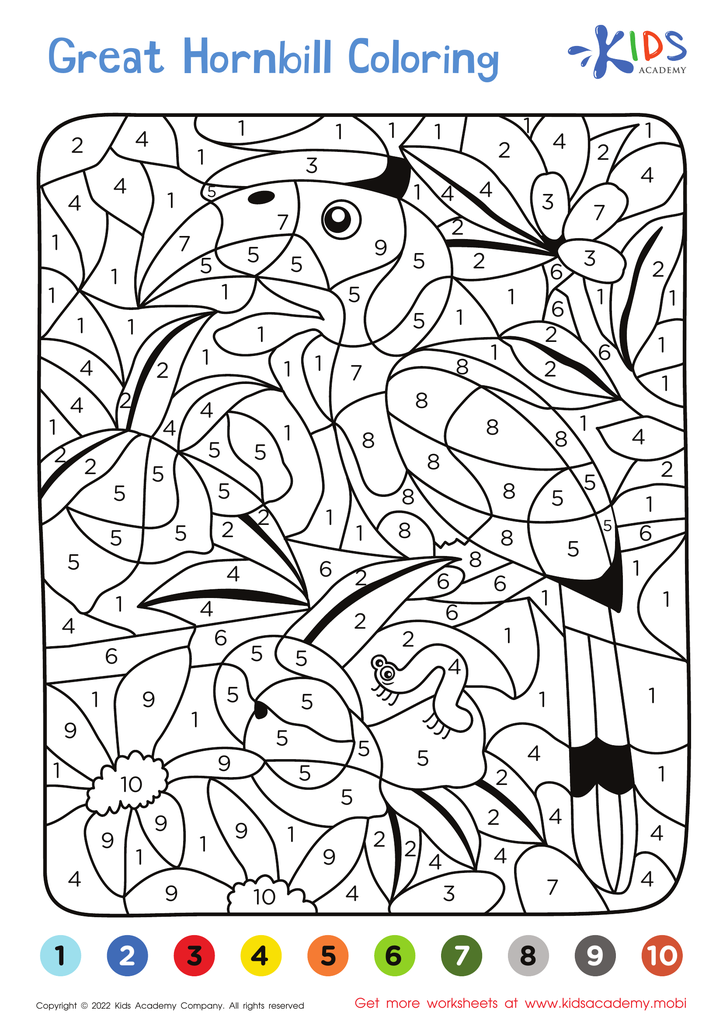
Great Hornbill – Coloring by Numbers
Download our free PDF page, featuring a hornbill for you to color in! Numbers are provided so you can follow along, making the picture come to life. Fun for all ages!
Download our free PDF page and have fun coloring a hornbill according to the numbers! You'll bring the picture to life with every stroke of your creativity. Perfect for all ages!
Great Hornbill – Coloring by Numbers
Worksheet
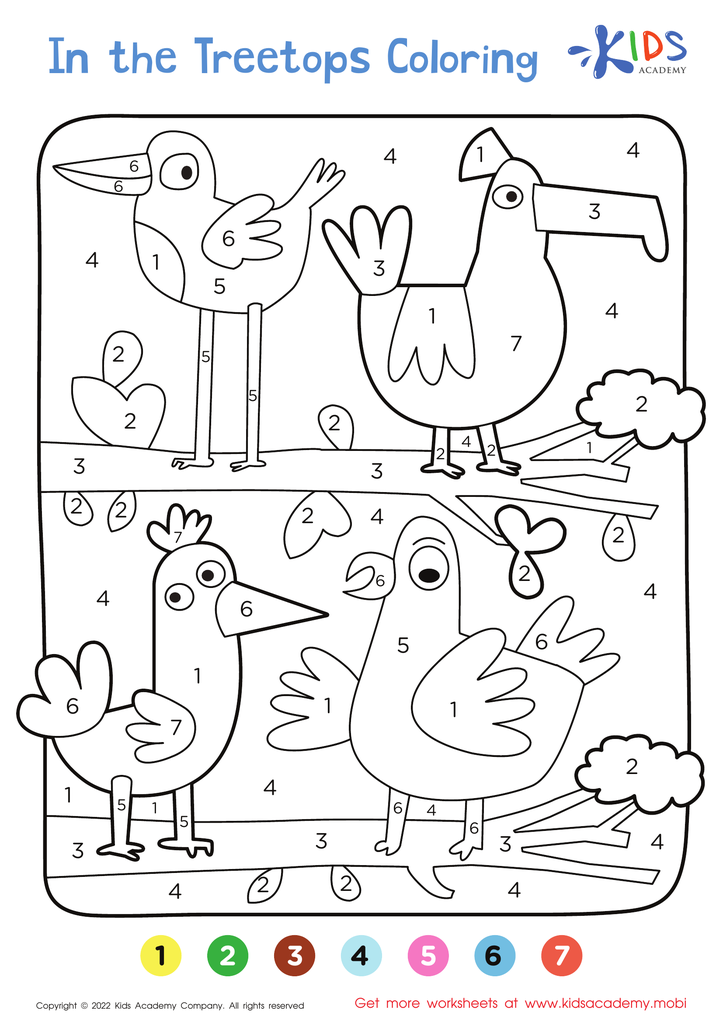
In the Treetops – Coloring Page
Coloring by numbers with a fantasy bird design - free PDF page to download! Get creative and bring the birds to life with color.
In the Treetops – Coloring Page
Worksheet
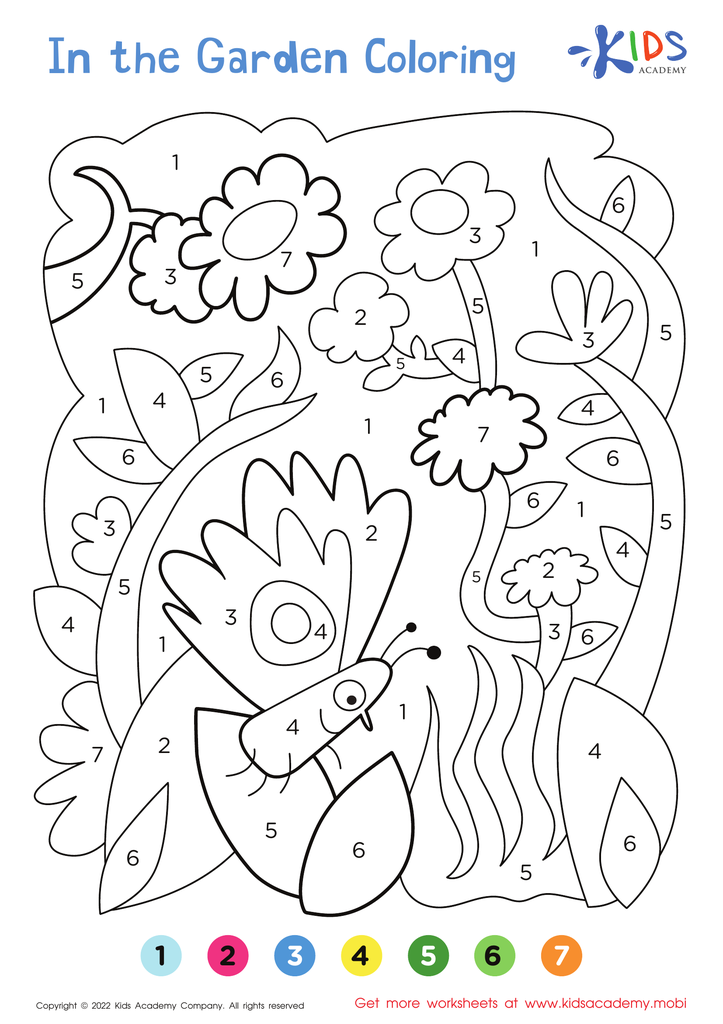
In the Garden – Coloring by Numbers
Download a free PDF page with a beautiful garden scene, perfect for coloring by numbers. Enjoy hours of creative fun and relaxation with this vibrant page.
In the Garden – Coloring by Numbers
Worksheet
Join Kids Academy for Free
Who is primarily going to use this learning content?








Color recognition and understanding grade 3 numbers are foundational skills that play an essential role in a child's cognitive development and academic success. When parents and teachers emphasize color recognition, they are enhancing a child's visual and spatial awareness, which is crucial for learning. Knowing colors helps children in organizing and categorizing information, an essential skill for problem-solving and understanding complex subjects later in their academic journey.
Understanding grade 3 numbers, which involves basic arithmetic operations, place value, and beginning concepts of multiplication and division, builds a critical foundation for more advanced math topics they will encounter in subsequent grades. Number concepts help children develop reasoning and critical thinking skills, which are indispensable across all areas of learning and everyday life.
When children grasp both color recognition and grade 3 numbers effectively, they build confidence in their learning abilities. This confidence translates into a positive attitude towards schooling and learning in general. Furthermore, these skills are interconnected; for instance, using color-coded objects can assist in teaching counting, sorting, and arithmetic operations more engagingly. Therefore, parents and teachers should care about and actively foster these skills to ensure children have a strong base for later academic challenges and everyday problem-solving.