Problem-solving practice Grade 3 Math Worksheets
4 filtered results
-
From - To
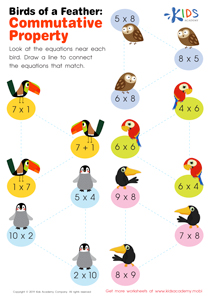
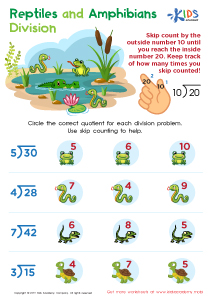
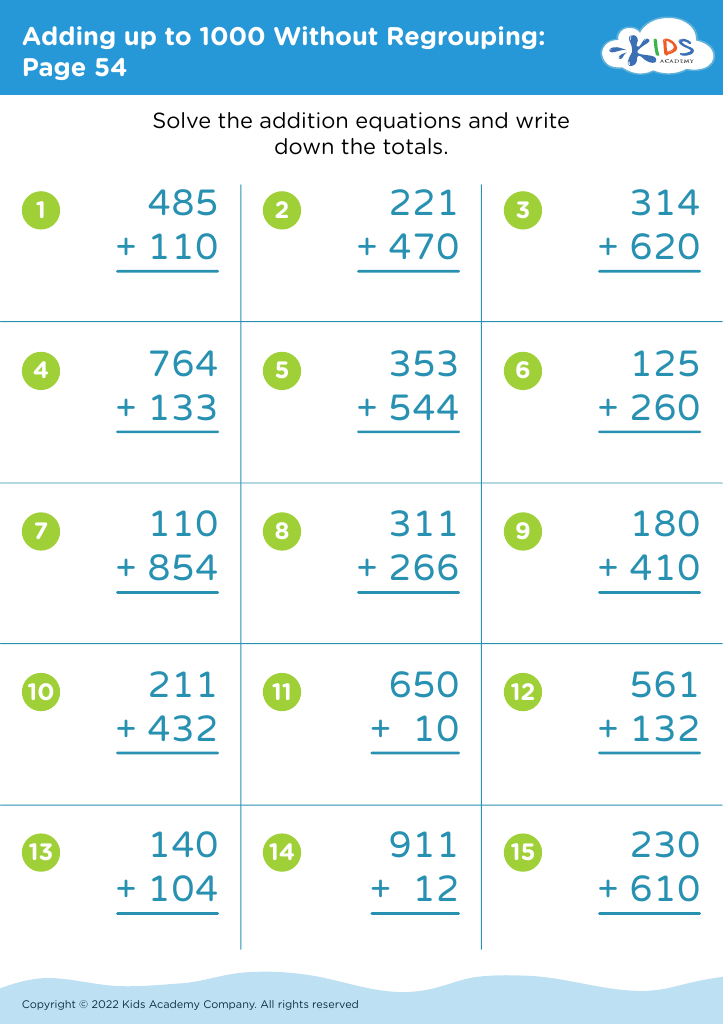
Enhance your third grader's math skills with our engaging Problem-Solving Practice worksheets! Designed specifically for Grade 3 students, these printable resources help children develop critical thinking and analytical abilities crucial for tackling real-world math challenges. Our meticulously crafted worksheets cover a variety of topics, including word problems and multi-step equations, encouraging students to apply their math knowledge in practical situations. These activities not only strengthen problem-solving techniques but also build confidence and foster a love for learning. Perfect for classroom use or at-home practice, our worksheets are an excellent tool for preparing third graders for academic success. Start engaging young minds today!
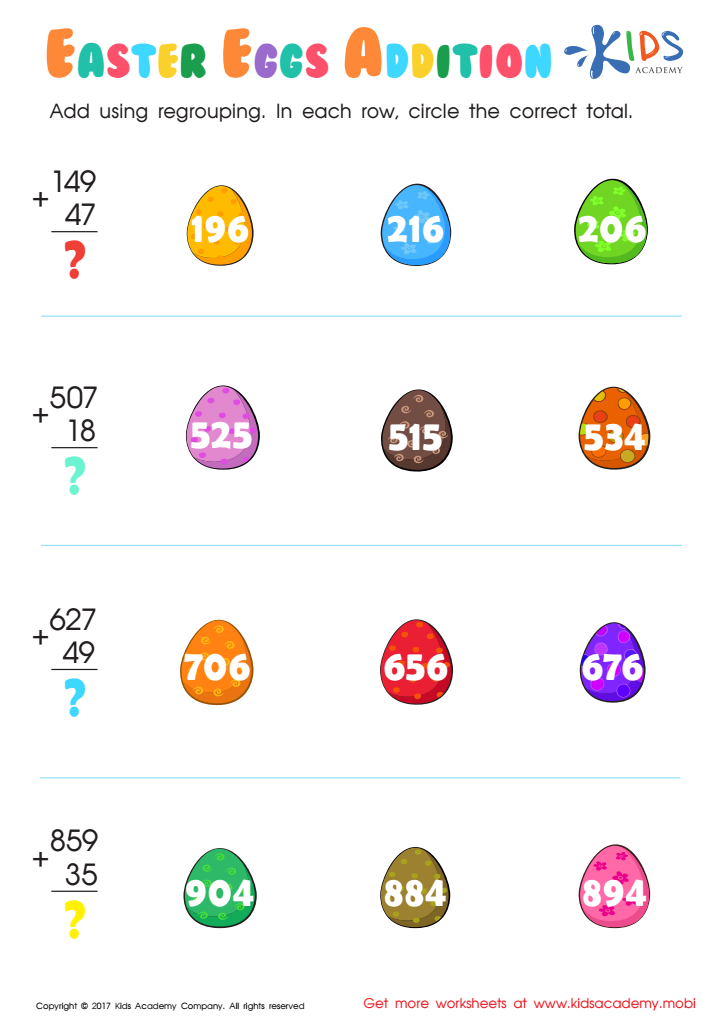
Addition with Regrouping Worksheet
 Assign to My Students
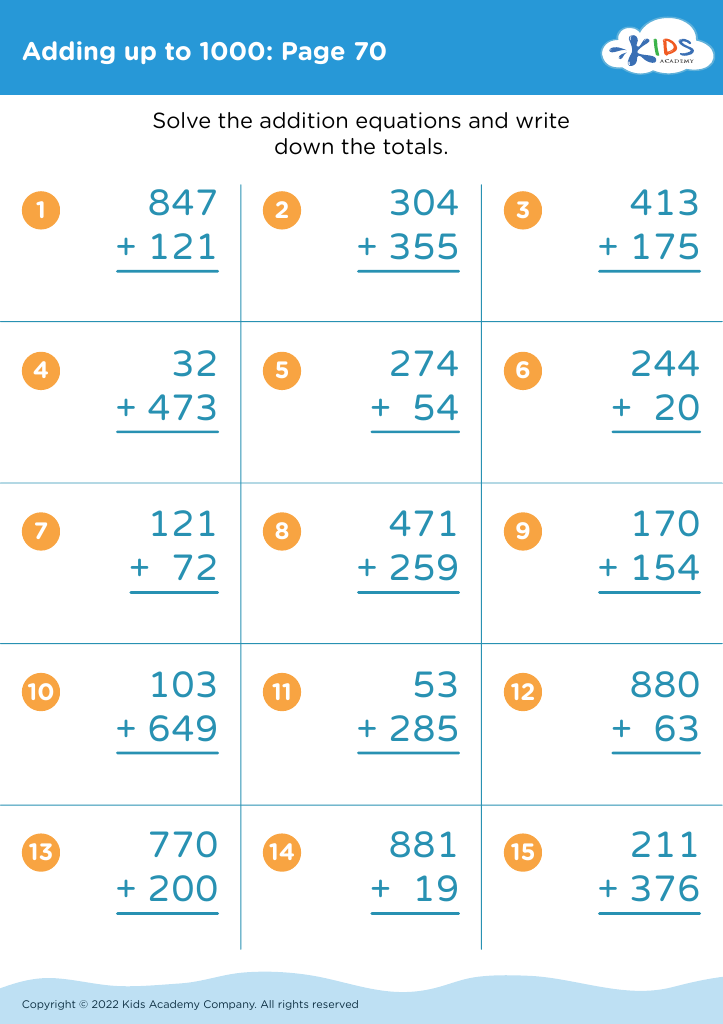
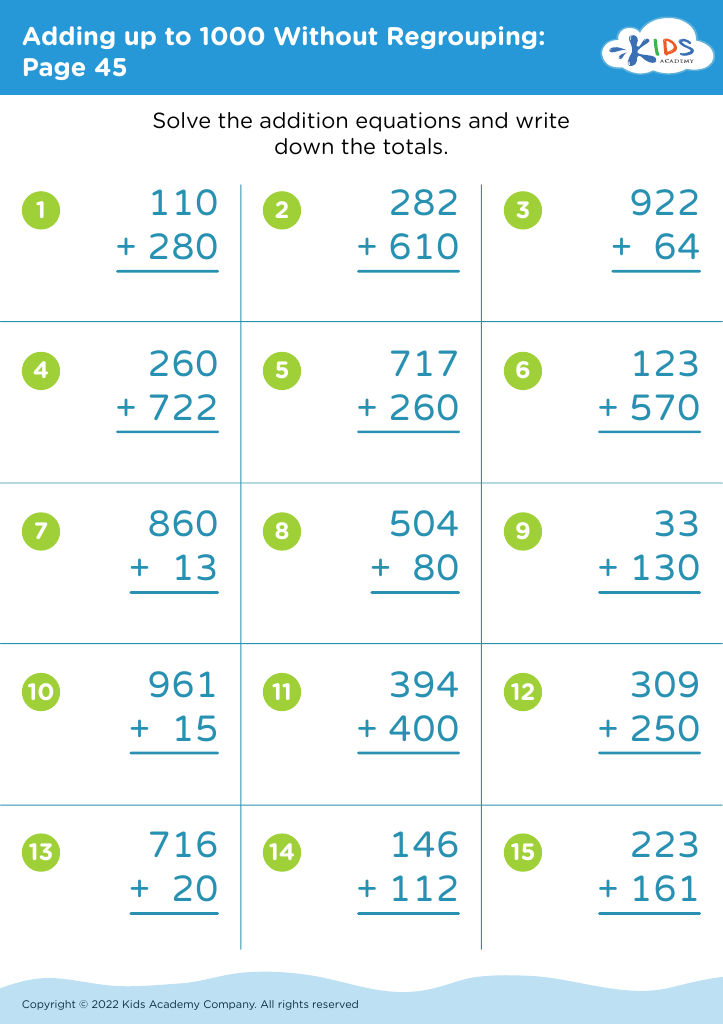








Problem-solving practice in Grade 3 math is crucial as it lays the foundation for critical thinking and analytical skills. At this stage, children are transitioning from basic arithmetic to more complex concepts, and engaging them in problem-solving helps reinforce their understanding of mathematical principles. This practice encourages students to apply their knowledge to real-world situations, making math relevant and enjoyable.
Furthermore, problem-solving enhances perseverance and resilience. When children encounter challenging problems and work through them, they learn to approach difficulties with a positive mindset rather than giving up. This can translate to other academic areas and aspects of life, helping develop lifelong skills.
Parents and teachers play a vital role in this process. By collaborating to provide diverse and engaging problem-solving activities, they create an enriched learning environment that encourages creativity and exploration. Such an environment fosters a love for math, which can counteract the fear or anxiety many children feel about the subject.
In summary, investing time in problem-solving practice helps Grade 3 students build essential skills, fostering both their mathematical understanding and cognitive development, equipping them for future academic success.