Understand patterns Grade 3 Math Worksheets
3 filtered results
-
From - To
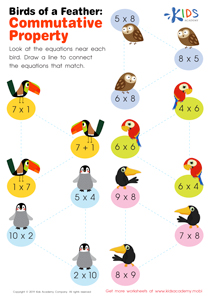
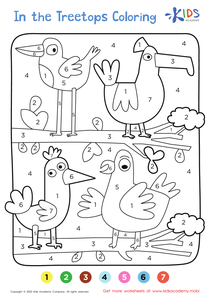
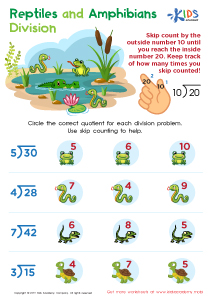
Unlock your child's potential with our "Understand Patterns - Grade 3 Math Worksheets." Designed to foster critical thinking, these engaging worksheets help third graders recognize, predict, and create patterns using numbers, shapes, and colors. Through a variety of fun and challenging activities, students build a solid foundation in algebraic thinking, essential for future math success. Perfect for classroom use or at-home practice, our expertly crafted worksheets cater to diverse learning styles and boost confidence. Empower your youngster with the skills needed to excel in math and develop a lifelong love of learning. Download and print today!
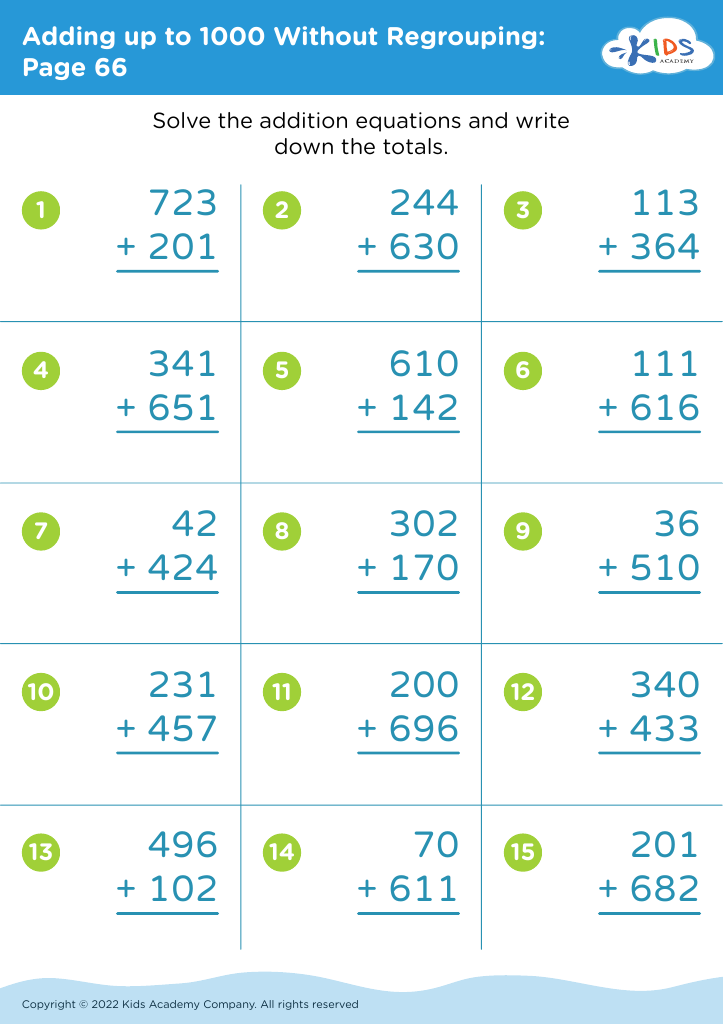
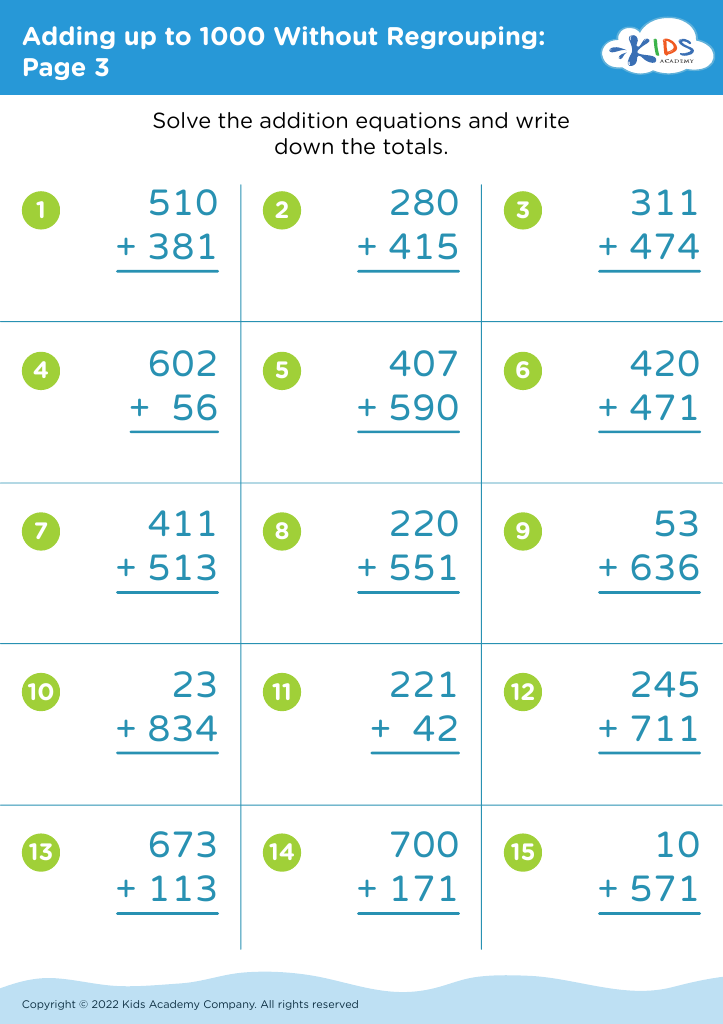
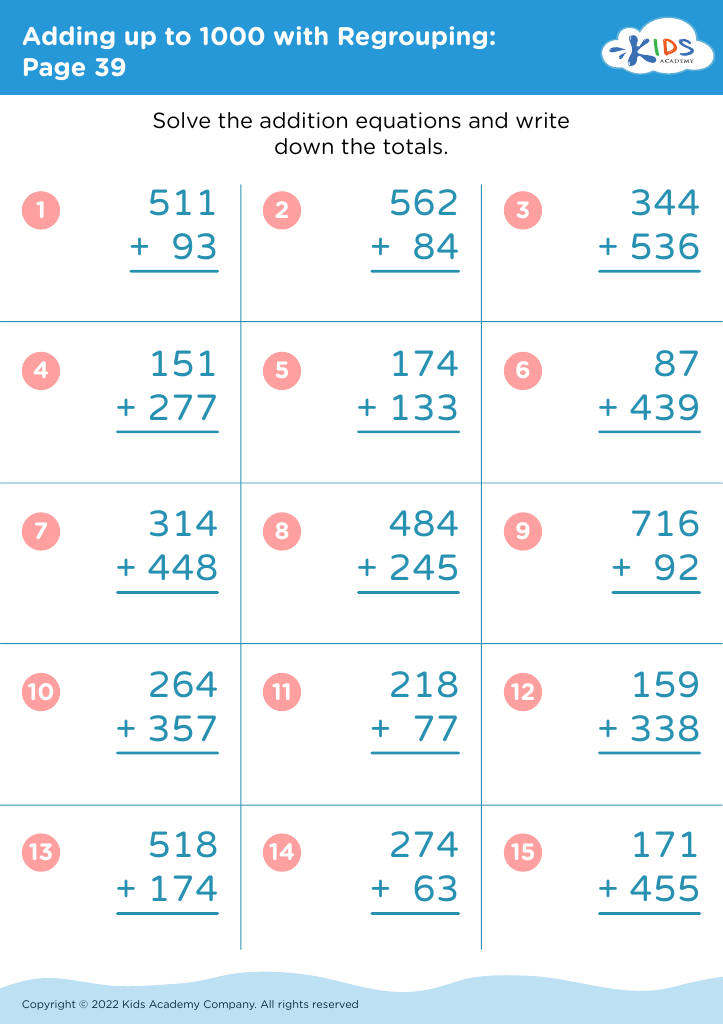








Parents and teachers should prioritize helping 3rd graders understand patterns in math because foundational skills in pattern recognition are crucial for mathematical thinking and problem-solving. Patterns form the basis for more complex mathematical concepts, such as algebra, geometry, and number theory, that students will encounter as they progress in their education. When children understand patterns, they develop skills in prediction, logical reasoning, and sequencing—skills that are not only vital in math but also in daily life and other academic subjects.
Encouraging pattern recognition helps children develop cognitive skills important for academic success, including critical thinking and analytical abilities. It trains their brains to see relationships and make connections between numbers, shapes, and other elements. This recognition of patterns fosters a deeper understanding of how math works, making it easier for students to grasp more complicated concepts later on.
Additionally, understanding patterns can boost students' confidence and enjoyment in learning math by providing a sense of structure and order. This positive early experience is crucial since attitudes toward math form early and can impact a student's academic journey. When parents and teachers engage students in activities that highlight patterns, they invest in the students' long-term educational success and build a solid mathematical foundation that will benefit them throughout their schooling and beyond.