Understanding multiplication Grade 3 Math Worksheets
7 filtered results
-
From - To
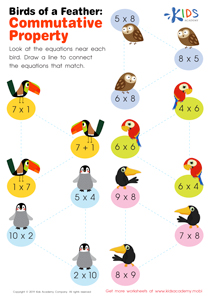
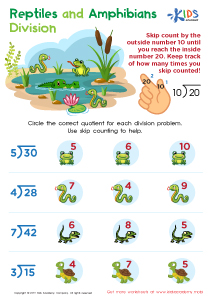
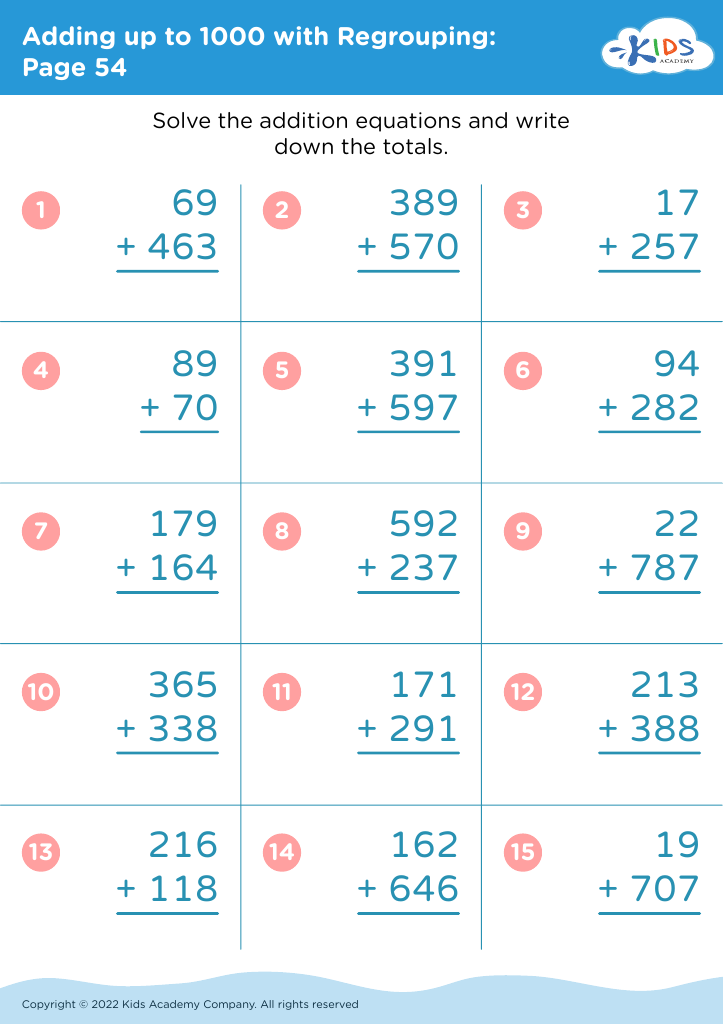
Discover an engaging collection of Grade 3 Math worksheets focused on understanding multiplication. Designed to spark curiosity and strengthen foundational skills, these worksheets offer a variety of activities that make learning multiplication intuitive and fun. Students will explore arrays, repeated addition, and real-world word problems to build confidence and proficiency in multiplying numbers. Ideal for reinforcing classroom learning or providing extra practice at home, these resources cater to diverse learning styles. Empower your third grader with our comprehensive worksheets, guiding them towards mastery of multiplication in a supportive and enjoyable way. Download today and watch their math skills flourish!
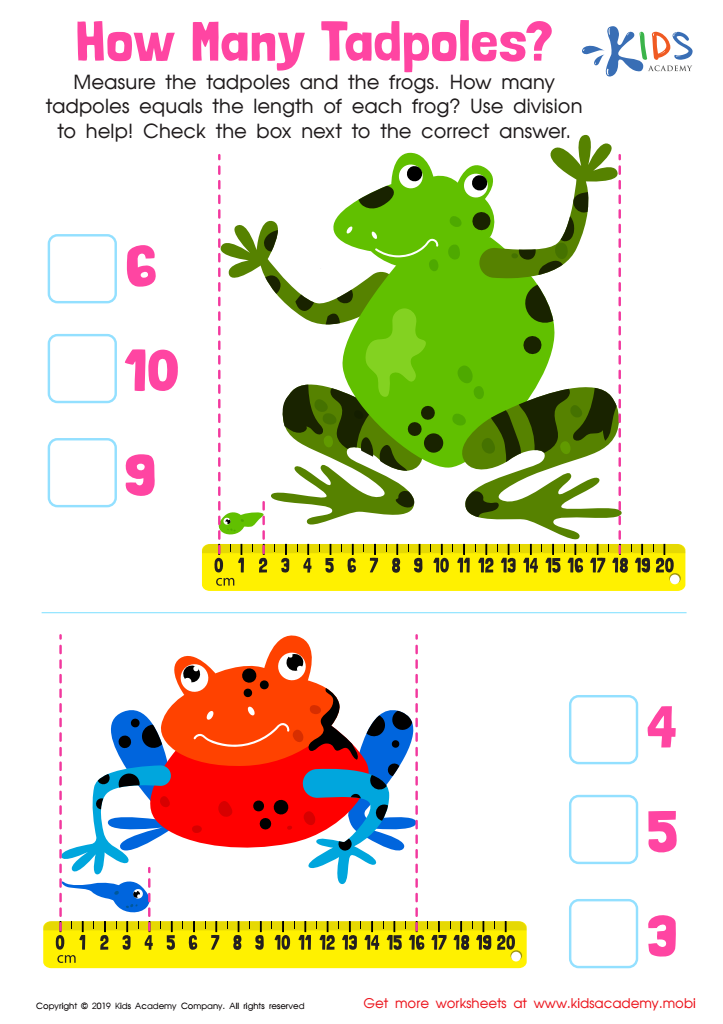
How Many Tadpoles Worksheet
 Assign to My Students
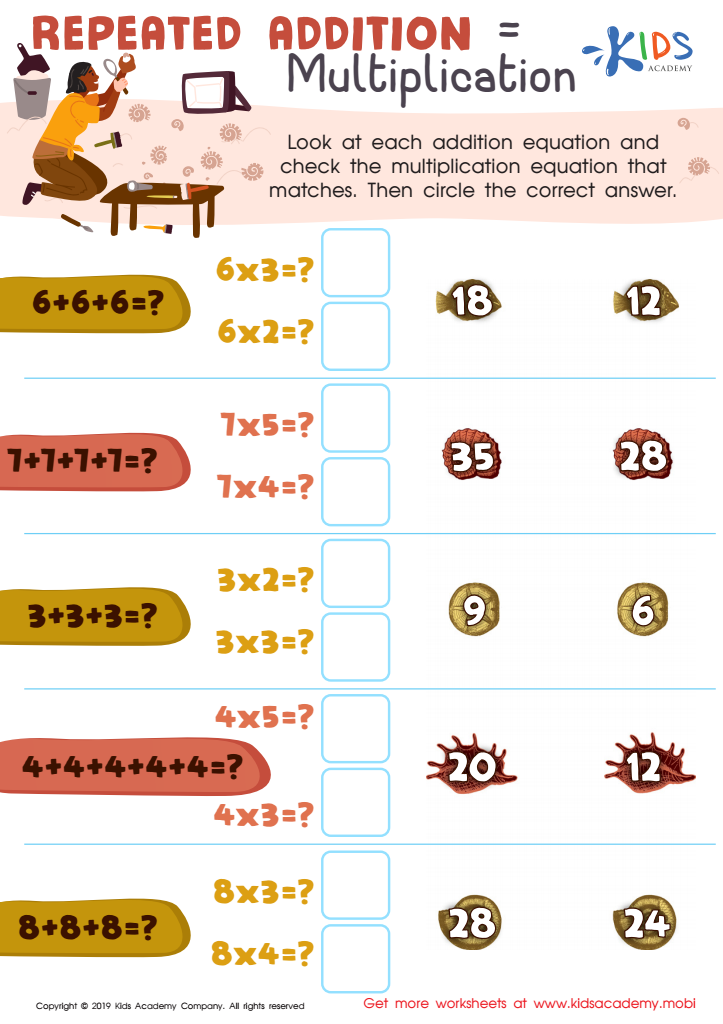
Repeated Addition = Multiplication Worksheet
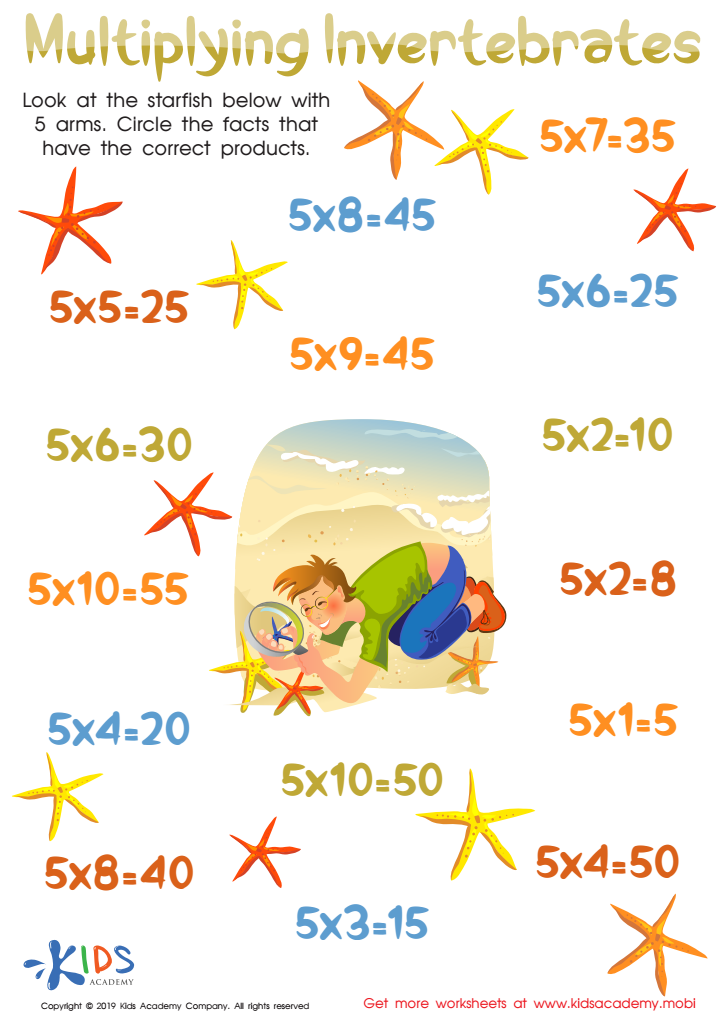
Multiplying Invertebrates Worksheet
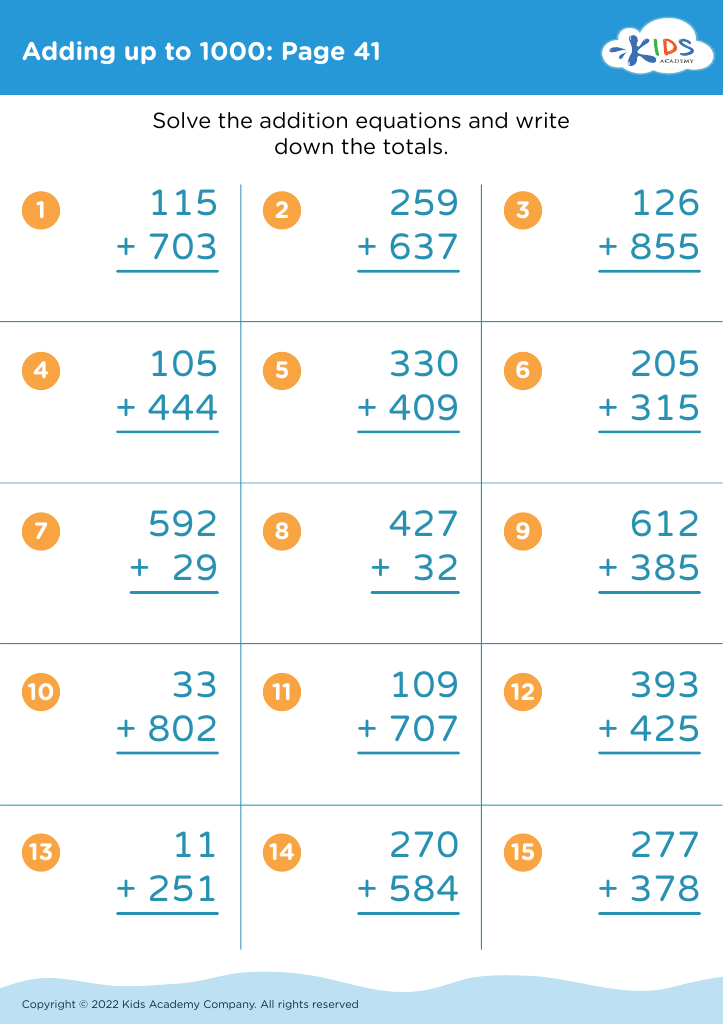
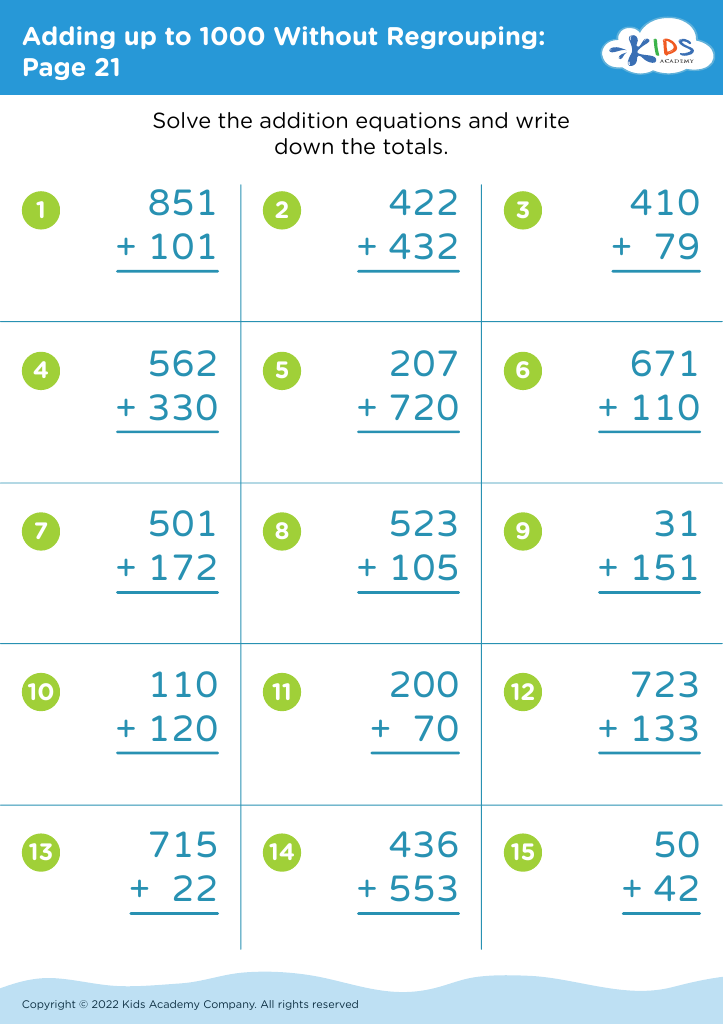







Understanding multiplication in Grade 3 is crucial for children as it lays a strong foundation for their mathematical skills. At this stage, kids transition from simple addition to more complex concepts, and multiplication is often seen as repeated addition, which helps them grasp the concept more intuitively. Mastery of multiplication allows students to solve problems more efficiently, enhancing their computational fluency and boosting their confidence in math.
Furthermore, multiplication is not just an isolated skill; it is interconnected with many other mathematical concepts, including division, fractions, and even early algebra. A solid understanding at this stage prepares students for future learning and daily life situations where math is applicable, such as budgeting, measuring, and understanding patterns.
Teachers and parents play a vital role in reinforcing these concepts through engaging activities, such as games and real-world applications. Encouraging children to explore multiplication can make learning meaningful and enjoyable. Involvement from adults shows children that math is important and valued, fostering a positive attitude towards it. Ultimately, ensuring that students grasp multiplication will help them not only in academics but also in developing critical thinking skills necessary for their overall growth.