Problem-Solving Skills Grade 3 Subtraction Worksheets
9 filtered results
-
From - To
Enhance your third grader’s mathematical abilities with our engaging Problem-Solving Skills Grade 3 Subtraction Worksheets. Designed to foster critical thinking and analytical skills, these worksheets present students with real-world subtraction challenges that encourage them to apply math concepts creatively. Each worksheet focuses on various problem types, helping young learners develop strategies to tackle subtraction in different contexts. Our materials are suitable for in-class instruction or independent practice, making math fun and approachable. Empower your child to boost their confidence and achieve mastery in subtraction as they explore practical math problems. Start building their problem-solving skills today!
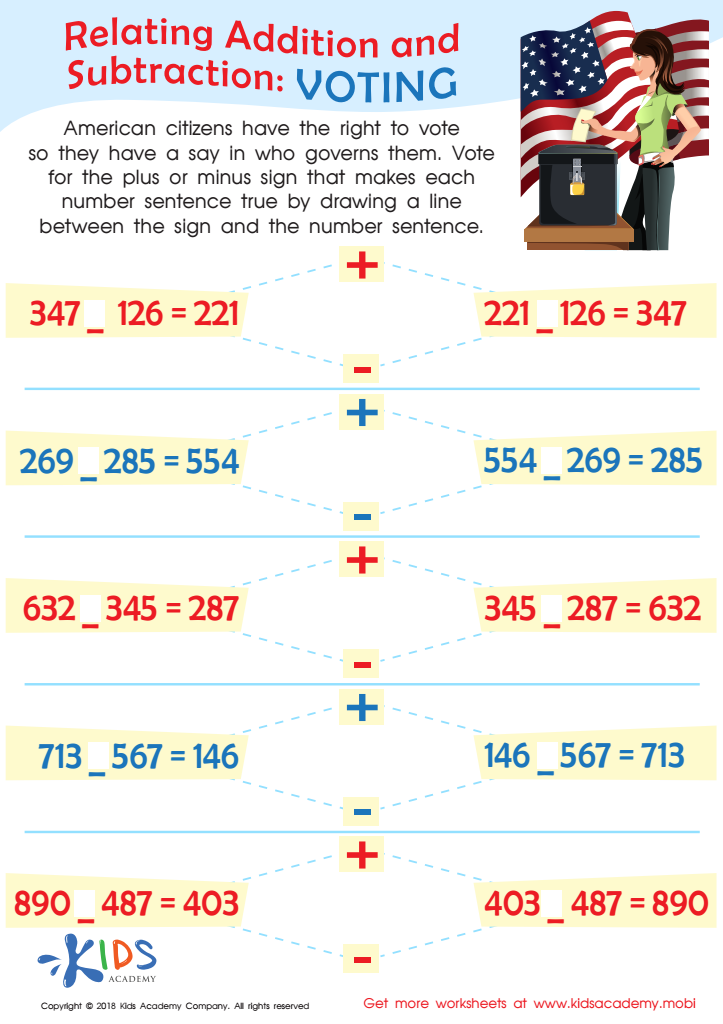
Voting Worksheet
 Assign to My Students
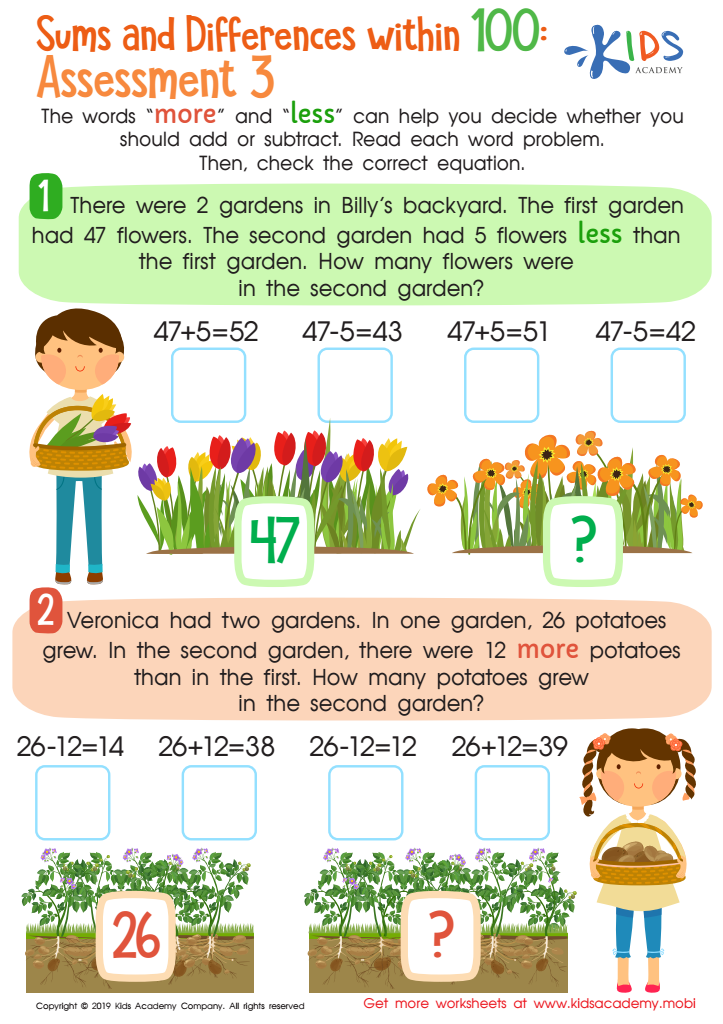
Sums and Differences Within 1 - Assessment 1 Worksheet
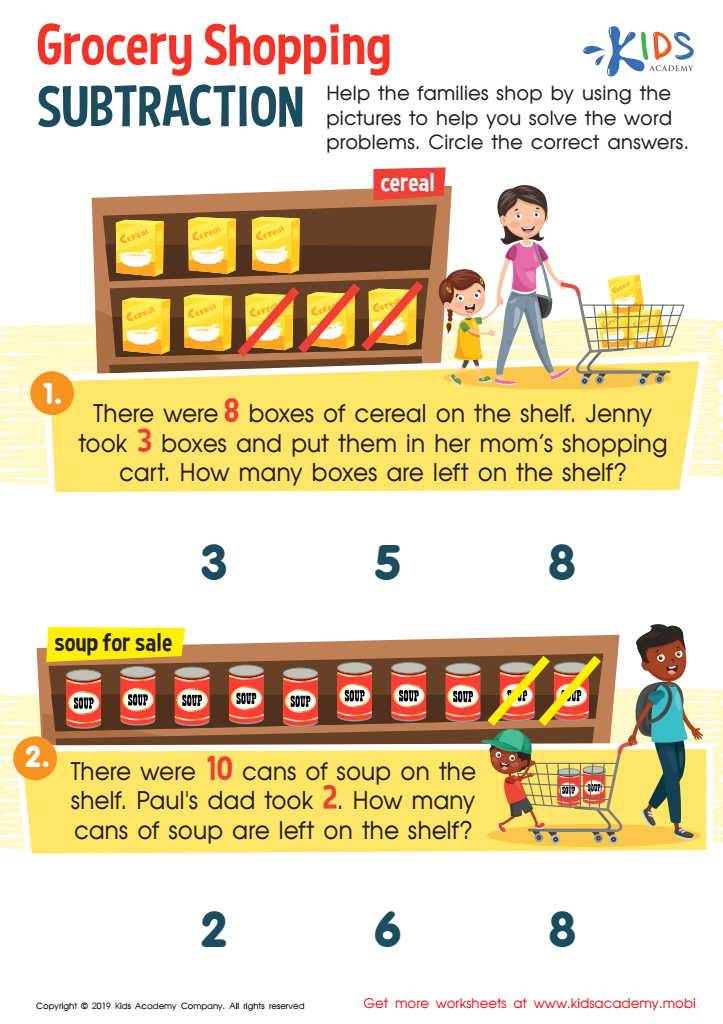
Grocery Shopping Subtraction Worksheet
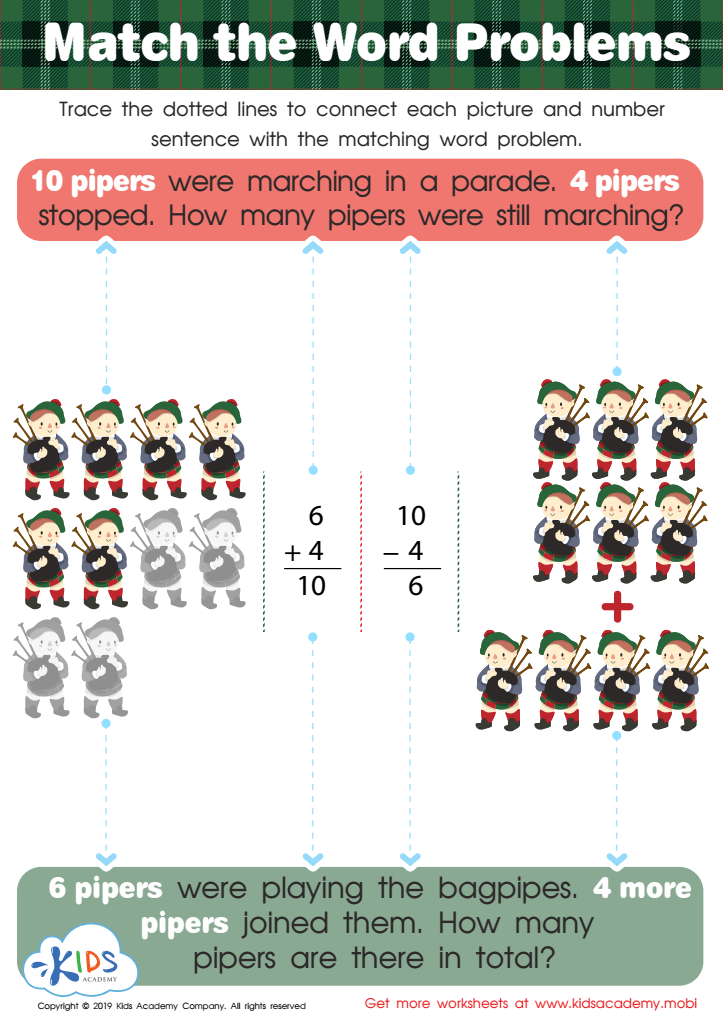
Match the Word Problems Worksheet
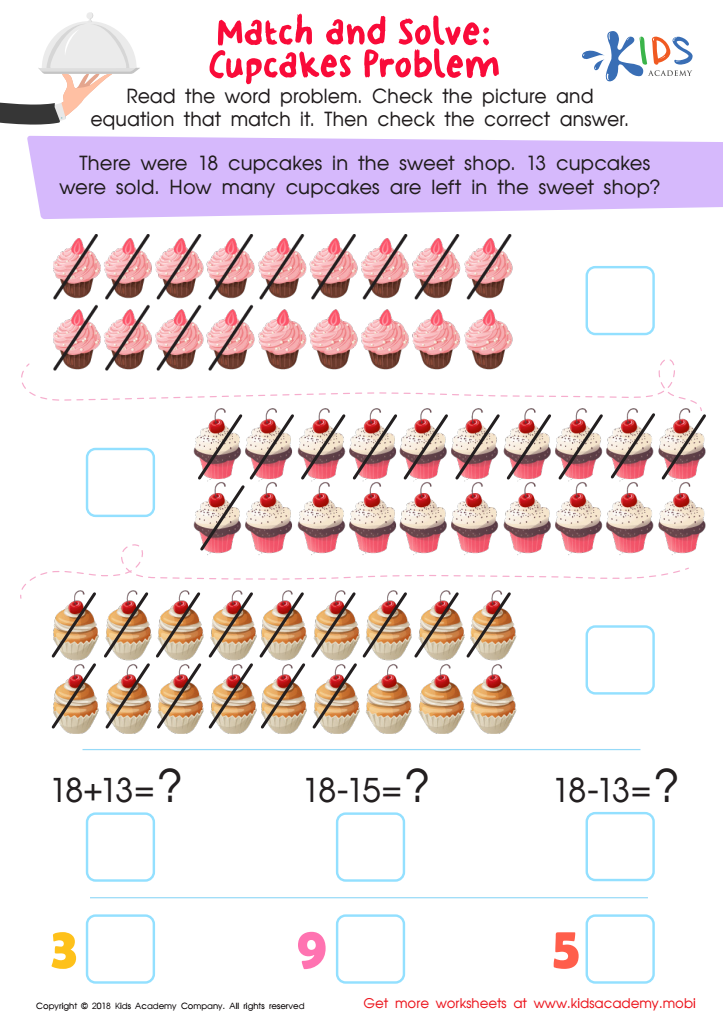
Match and Solve: Cupcakes Problem Worksheet
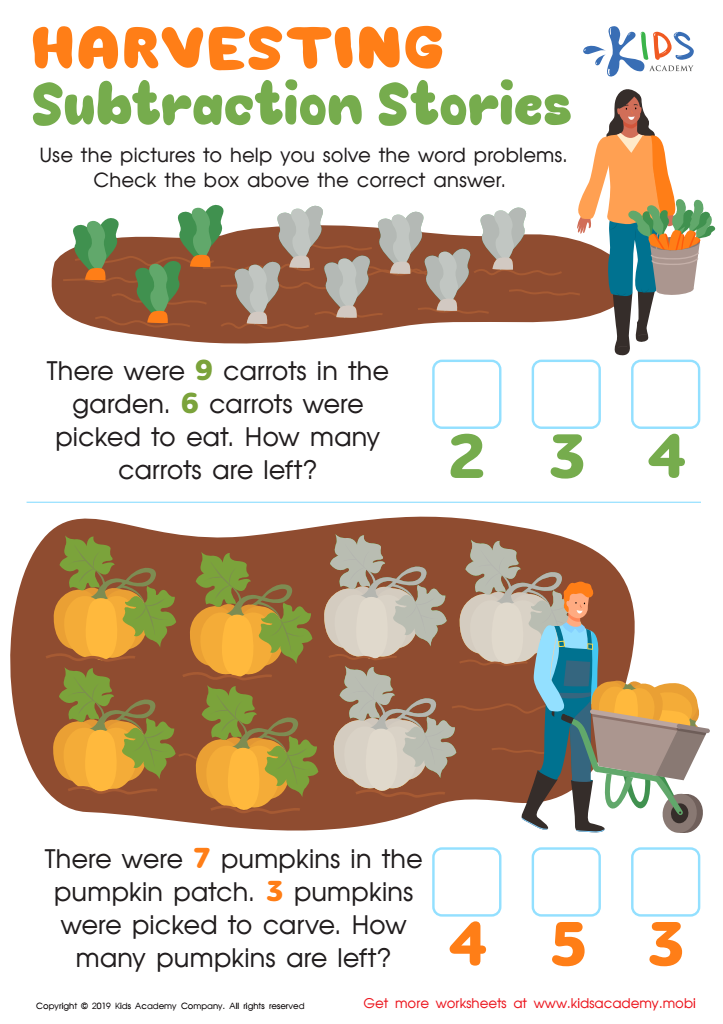
Harvesting Subtraction Stories Worksheet
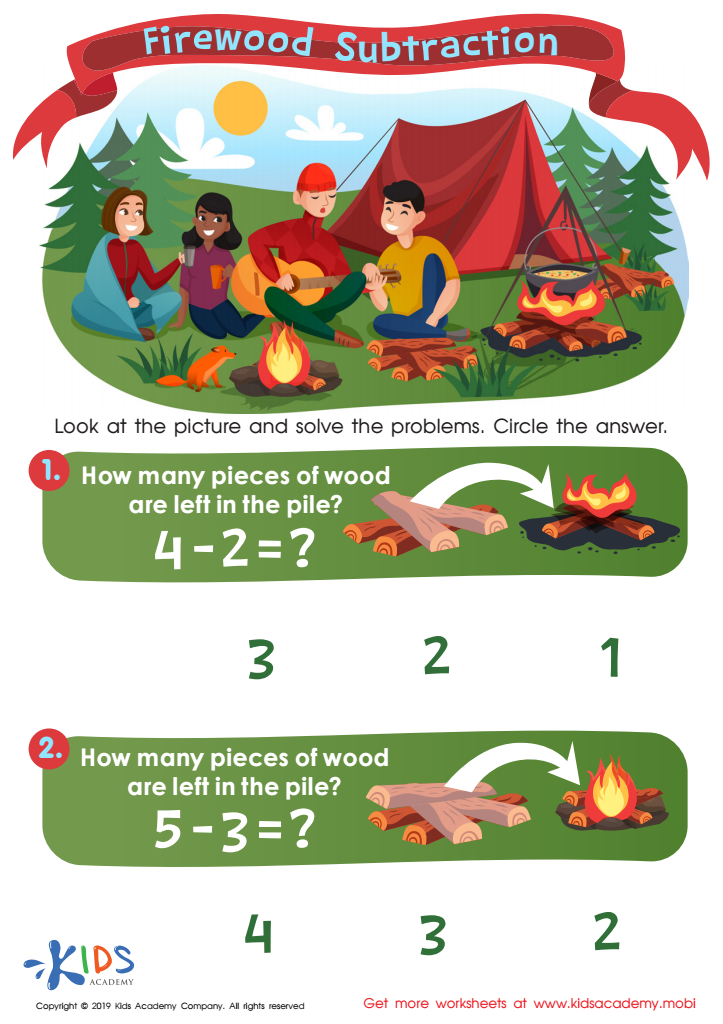
Firewood Subtraction Worksheet
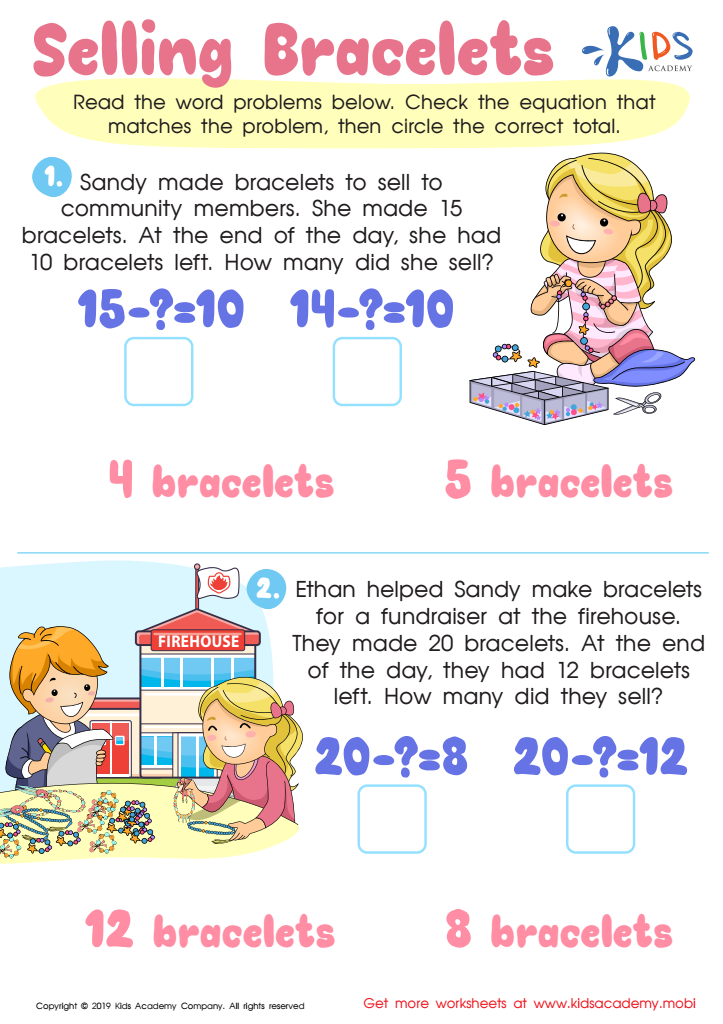
Selling the Bracelets Worksheet
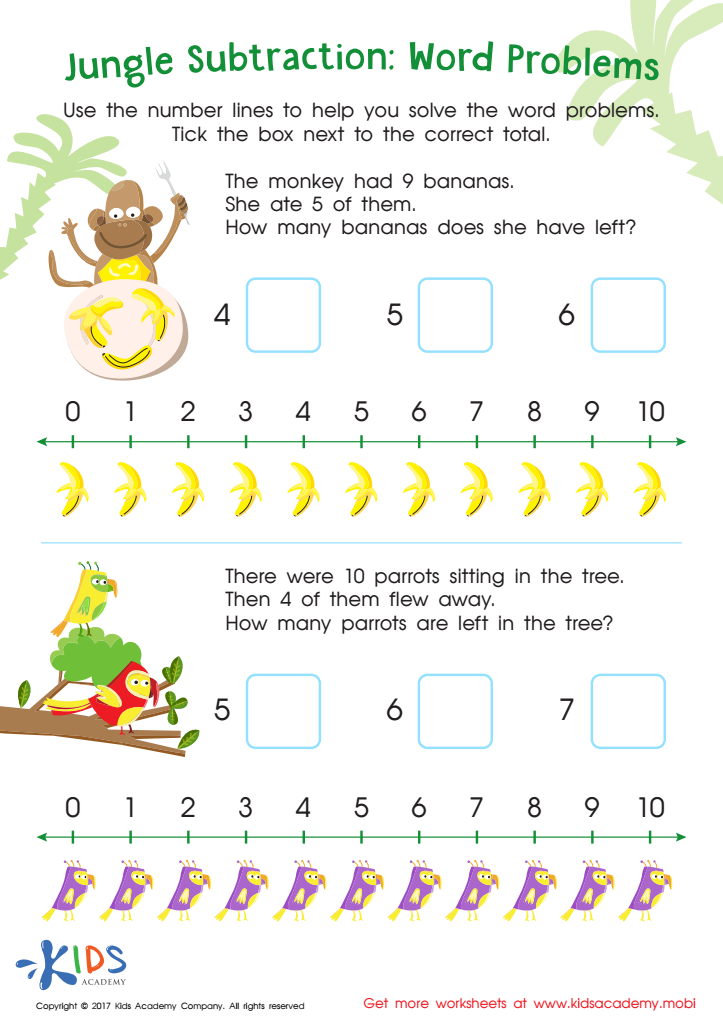
Jungle Subtraction Word Problems Substraction Worksheet








Problem-solving skills are crucial for Grade 3 students, particularly in subtraction, as these skills lay the foundation for their mathematical understanding and real-life applications. At this stage, children transition from basic arithmetic to applying their knowledge in complex scenarios, making it vital for parents and teachers to nurture these skills.
Firstly, strong problem-solving abilities encourage critical thinking. When students tackle subtraction problems, they learn to analyze various methods to reach a solution, fostering a mindset of exploration and perseverance. This skill transcends mathematics and applies to everyday decision-making, promoting confidence in their capabilities.
Moreover, reinforcing problem-solving in subtraction helps bridge gaps in understanding. Children are more likely to retain information and develop a genuine interest in math when they engage with challenges that make concepts meaningful. As they learn to break down problems into manageable steps, they enhance their comprehension of math as a whole.
Involving parents in this process—through games, practical examples, or discussions—creates a supportive environment. By working together, children can see the relevance of subtraction in real-life situations, therefore heightening engagement and interest, ultimately leading to improved academic performance.