Counting skills Grade 3 Building Vocabulary Worksheets
5 filtered results
-
From - To
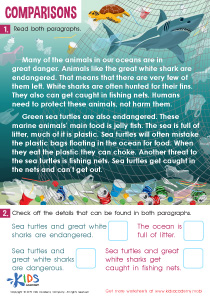
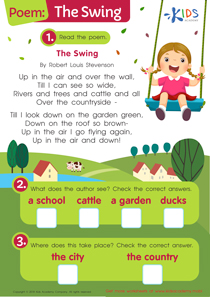
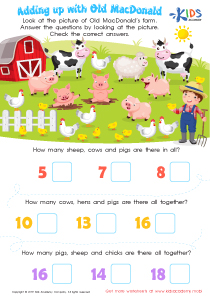
Enhance your third-grader's counting and vocabulary skills with our Counting Skills Grade 3 Building Vocabulary Worksheets. These specially designed worksheets combine the fundamentals of counting with vocabulary building activities to create a comprehensive learning experience. Through engaging exercises, children practice essential math skills while expanding their language abilities. Perfect for both classroom use and at-home practice, these worksheets support students in developing the proficiency needed for academic success. Help your child master counting and boost their vocabulary with our fun and educational resources! Visit Kids Academy today to discover our full range of third-grade worksheets.
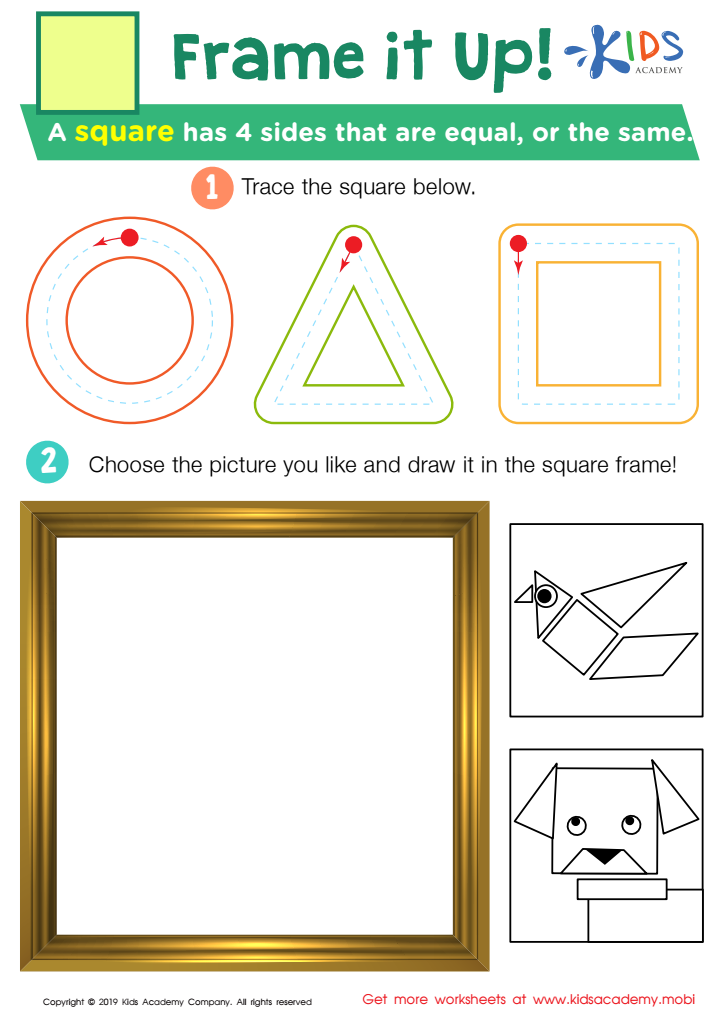
Frame it Up Worksheet
 Assign to My Students
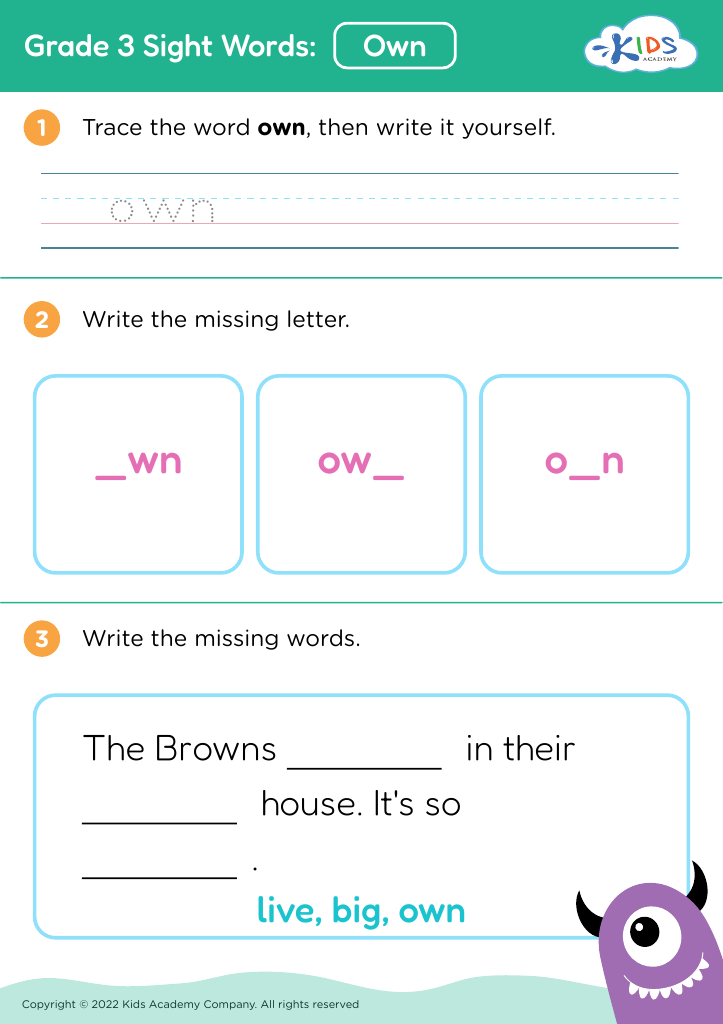
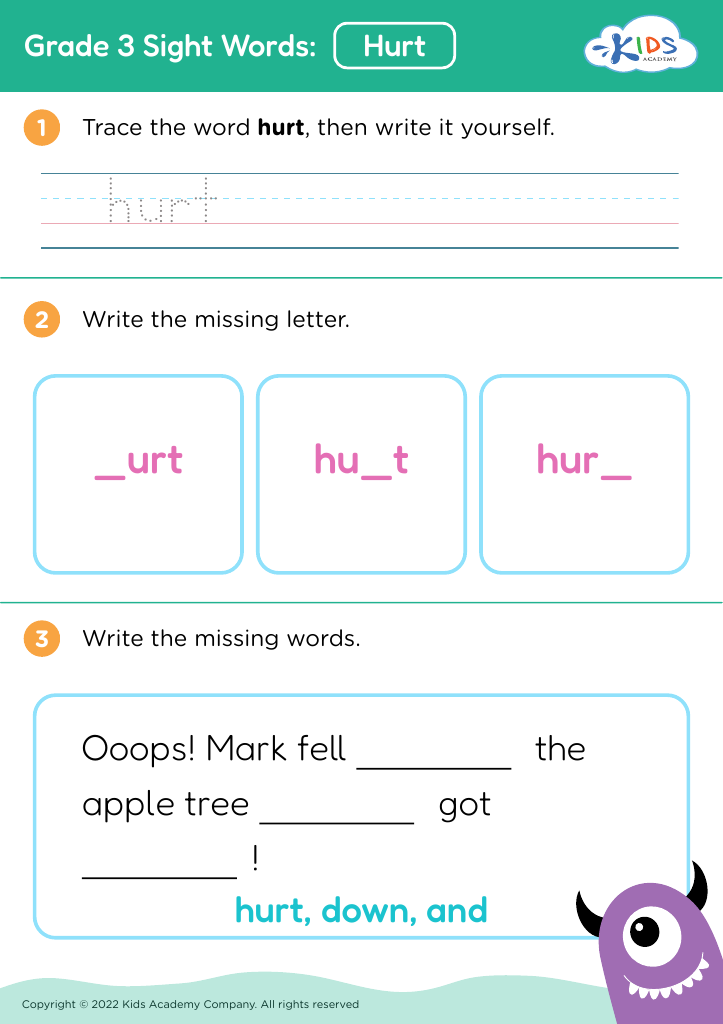
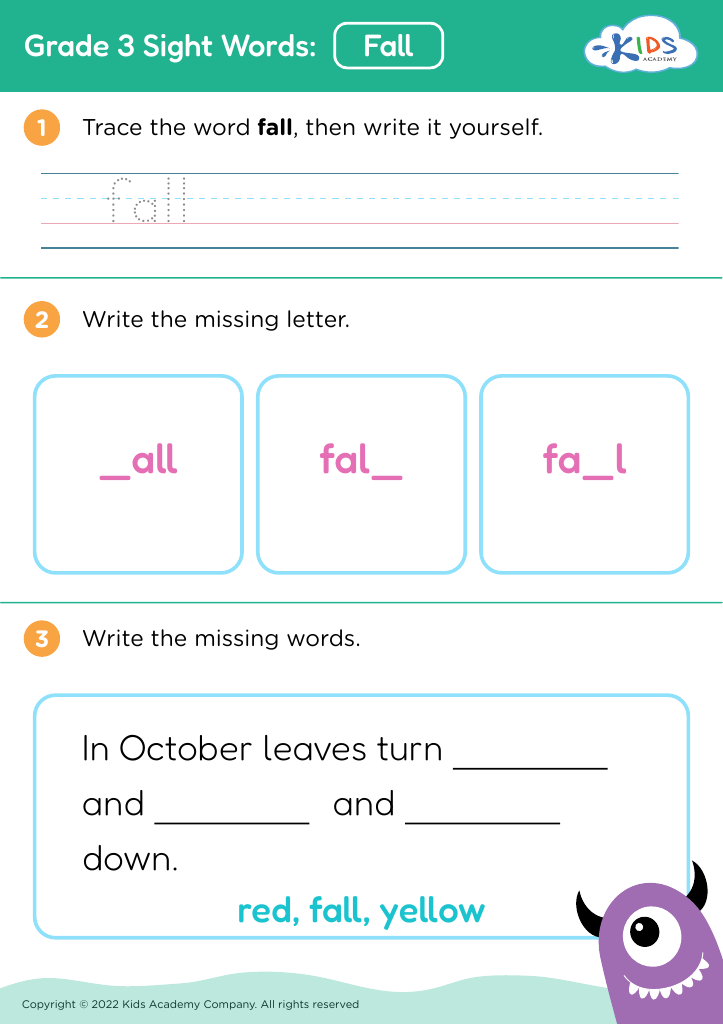
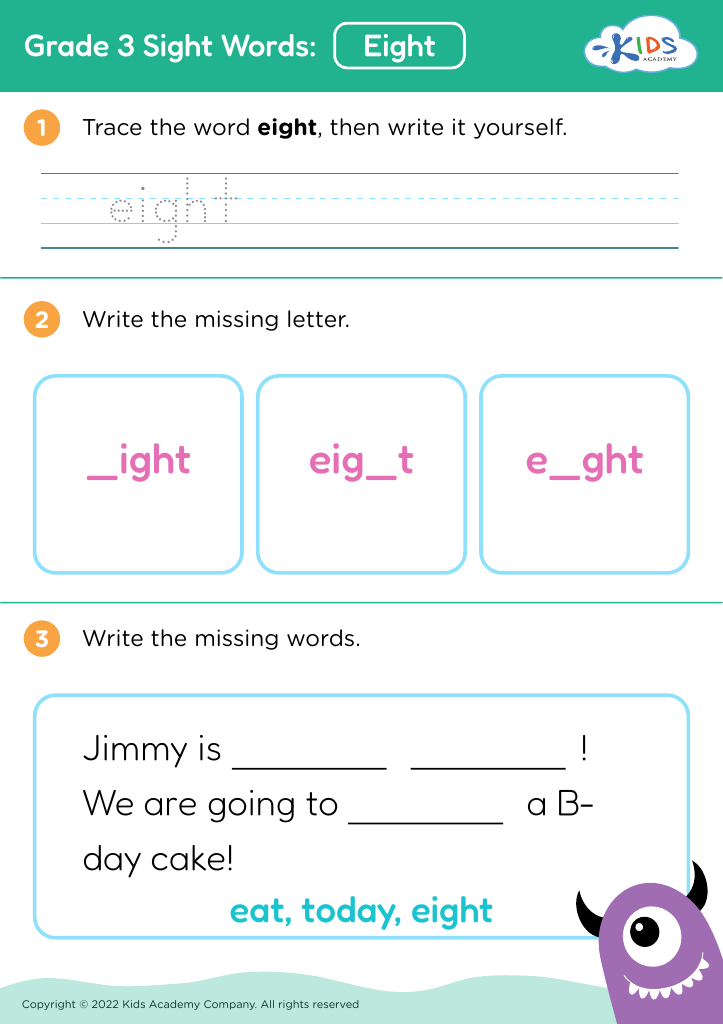







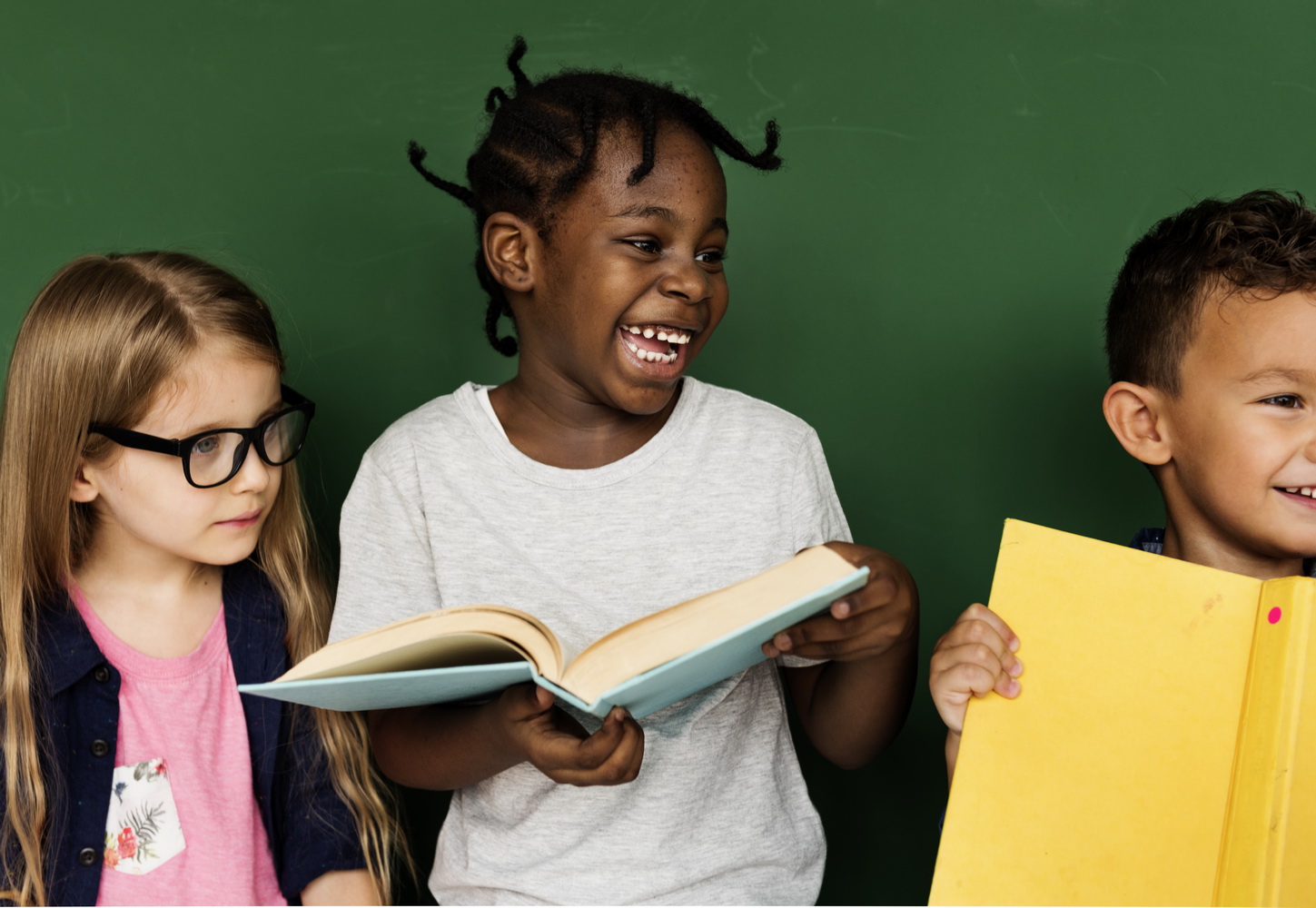
Parents and teachers should prioritize developing counting skills and building vocabulary in third grade because these foundational competencies are critical to overall academic success and cognitive development. Counting skills go beyond mere numerical fluency; they form the basis for understanding complex mathematical concepts. Proficiency in counting enables children to tackle more advanced operations like addition, subtraction, multiplication, and division with confidence, laying the groundwork for future STEM learning.
Simultaneously, building vocabulary is indispensable for reading comprehension, effective communication, and literacy development. A rich vocabulary enhances a child's ability to understand and absorb new information across all subjects, from science to social studies. It enables them to grasp nuanced meaning in texts, participate in discussions, and express their thoughts clearly and accurately.
Integrating counting skills and vocabulary at this pivotal stage helps children to draw connections between mathematical concepts and the language used to describe them. For instance, understanding the vocabulary of math ("add," "subtract," "total," "difference") can demystify word problems and reduce math anxiety.
In summary, robust counting skills and a wide vocabulary together act as catalysts for a child's academic journey. By developing these skills, parents and teachers equip children with the necessary tools to excel academically, think critically, and navigate the world with greater ease and confidence.