Fraction simplification Grade 3 Building Vocabulary Worksheets
4 filtered results
Difficulty Level
Grade
Age
-
From - To
Subject
Activity
Standards
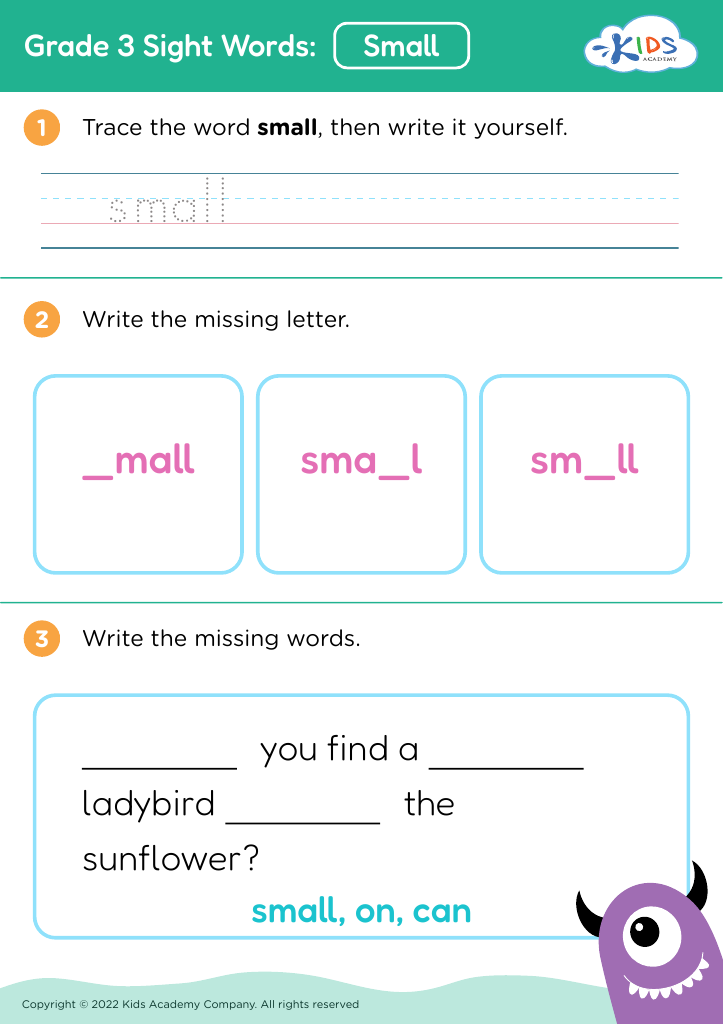
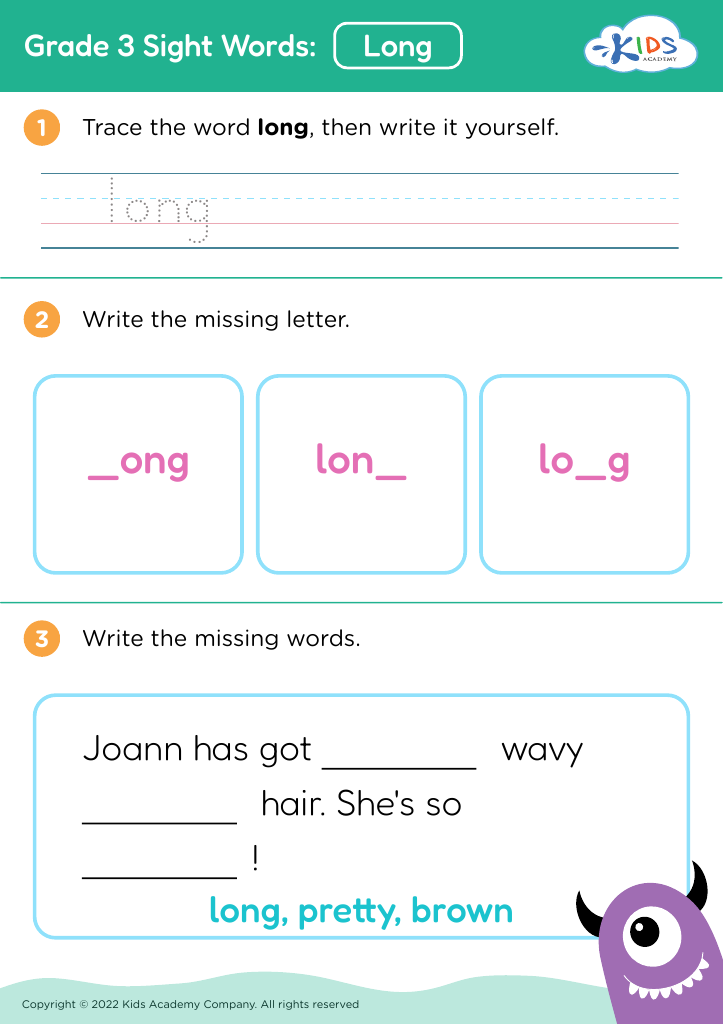
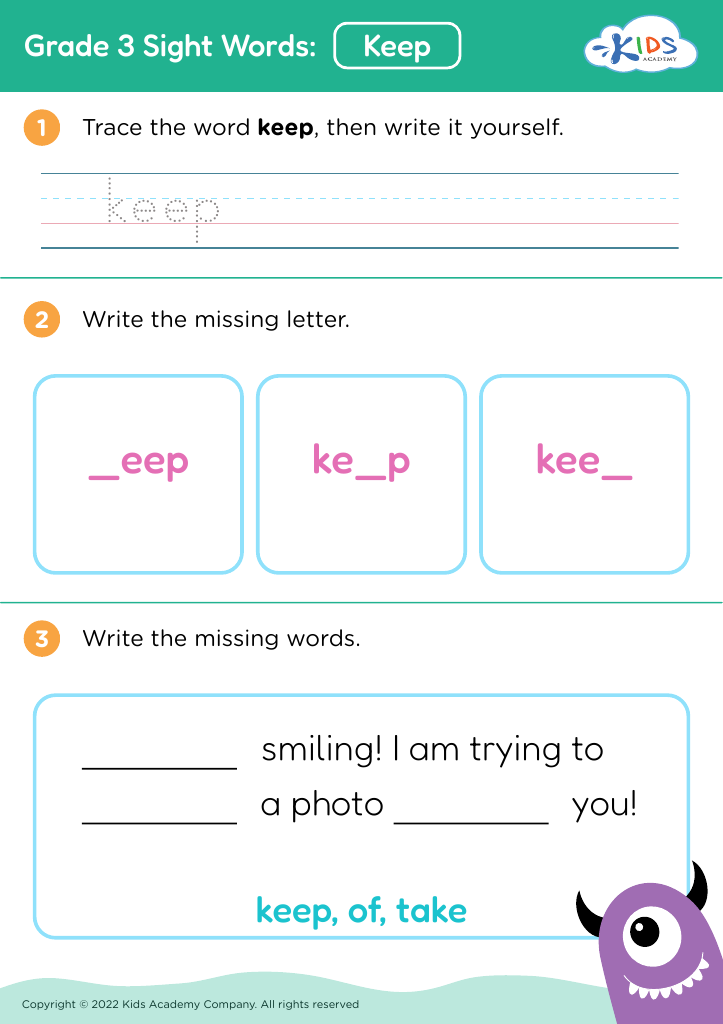
Introducing our engaging Fraction Simplification Grade 3 Building Vocabulary Worksheets! These interactive resources are designed to help third graders master essential vocabulary related to fractions through fun and effective exercises. Each worksheet features a variety of activities that encourage students to simplify fractions while expanding their math vocabulary. With clear instructions and colorful graphics, kids will be motivated to practice and reinforce their understanding of fractions. Perfect for classroom use or at-home learning, these worksheets foster both mathematical skills and language development, making them an ideal addition to any Grade 3 curriculum. Build confidence in fraction simplification with our engaging materials today!
Favorites
With answer key
Interactive
Join Kids Academy for Free
Who is primarily going to use this learning content?







Understanding fraction simplification is essential for Grade 3 students as it lays the foundation for their future mathematical skills. Parents and teachers should prioritize this concept because it goes beyond mere calculation; it's about grasping the relationship between numbers and enhancing problem-solving abilities. Simplifying fractions helps students develop critical thinking, as they learn to recognize equivalent values and apply these skills in real-life contexts.
Building vocabulary around fractions is equally important. Educational research shows that a strong mathematical vocabulary supports comprehension and enables students to articulate their thought processes clearly. Terms like "numerator," "denominator," and "equivalent" empower children to communicate mathematically and engage in discussions about fractions confidently.
Moreover, mastering fraction simplification encourages persistence and resilience. Students may encounter challenges as they grasp these concepts, but overcoming them fosters a growth mindset. By supporting students' understanding of fractions, parents and teachers equip them not only with mathematical skills but also with tools for lifelong learning and reasoning. In today's world, where quantitative literacy is increasingly important, a solid foundation in fractions will serve students well as they progress through higher-grade math and real-world applications.