Sight words recognition Grade 3 Building Vocabulary Worksheets
3 filtered results
Difficulty Level
Grade
Age
-
From - To
Subject
Activity
Standards
Enhance your Grade 3 students' reading skills with our engaging Sight Words Recognition Building Vocabulary Worksheets! These specially designed worksheets focus on key sight words essential for developing literacy. Students will practice recognition, spelling, and usage through a variety of fun activities. By mastering these high-frequency words, your child will not only build their vocabulary but also gain confidence in reading fluency. Our worksheets are perfect for classroom use or at-home practice, allowing learners to progress at their own pace. Empower your young readers today! Explore our collection and watch them thrive as they become proficient in recognizing sight words.
Favorites
With answer key
Interactive
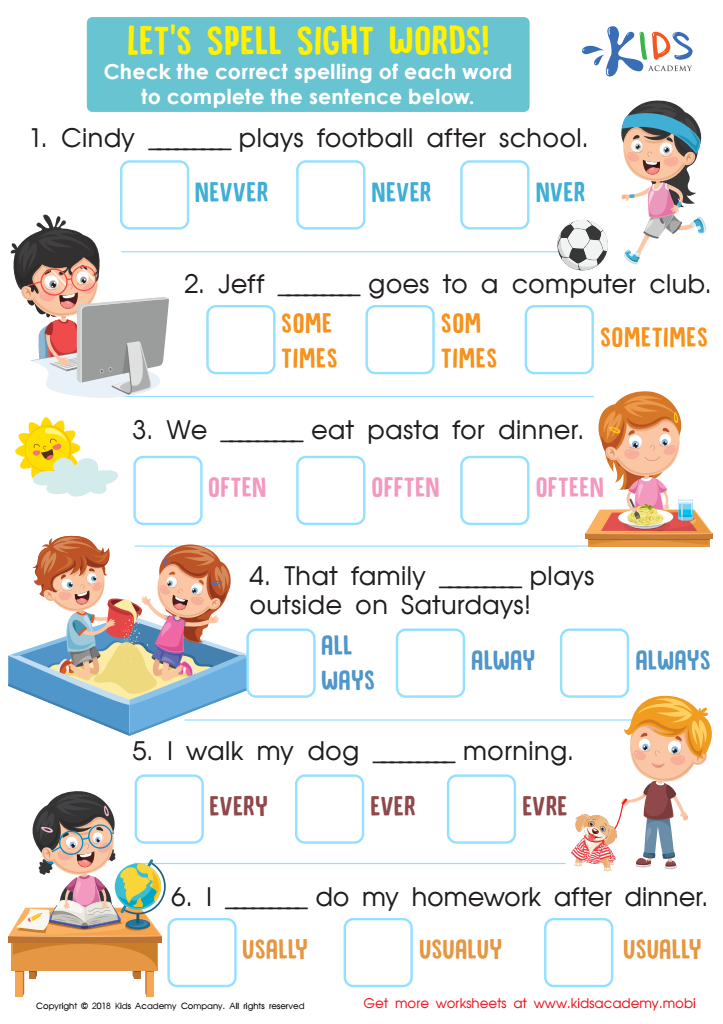
Let's Spell Sight Words Worksheet
Help your kids spell tricky sight words by asking them to spot differences in the sentences of activities they do regularly. This worksheet contains incomplete sentences, with the correct spelling of the word in the options for them to fill in. Get them to look out for words with the wrong spellings.
 Assign to My Students
Let's Spell Sight Words Worksheet
Worksheet
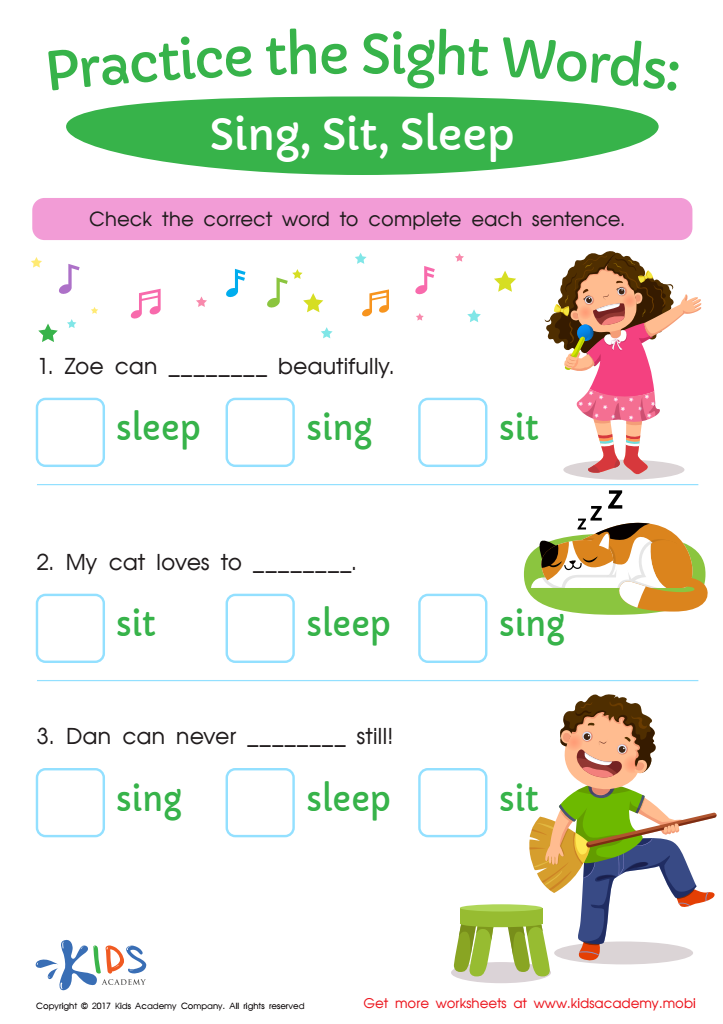
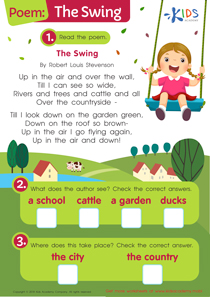
Sing, Sit, Sleep Sight Words Worksheet
Practice sight words with this printable worksheet featuring sing, sit, sleep! Confusing at first, these words can be mastered with the help of simple sentences and fun illustrations.
Sing, Sit, Sleep Sight Words Worksheet
Worksheet
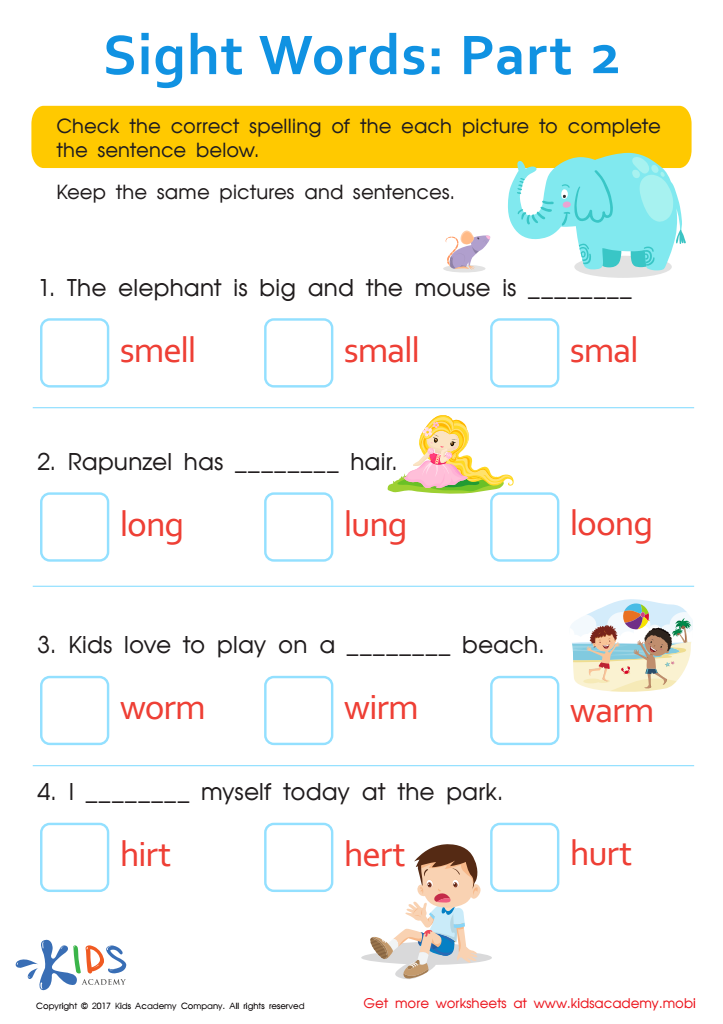
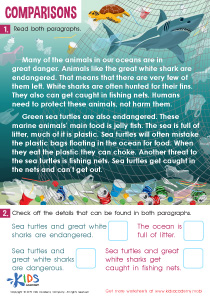
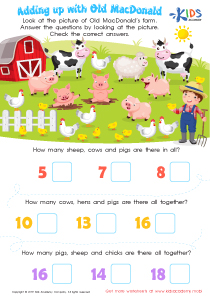
Sight Words Worksheet
This 3rd grade worksheet strengthens fluency and spelling in just a few minutes! Kids will read a sentence and fill in each blank with the correct sight word. Enjoy watching their skills grow!
Sight Words Worksheet
Worksheet
Join Kids Academy for Free
Who is primarily going to use this learning content?








Sight words recognition is crucial for Grade 3 students as it significantly impacts their reading proficiency and overall literacy development. At this stage, children are transitioning from learning to read to reading to learn. Sight words—common words that frequently appear in texts—enable students to recognize and understand these essential terms without needing to decode them phonetically each time. Early mastery of sight words promotes fluency, allowing learners to focus on comprehension rather than getting bogged down by difficult words.
Parents and teachers should prioritize sight word recognition because it enhances vocabulary building. A robust vocabulary facilitates better understanding and engagement with content across subjects, fostering critical thinking and communication skills. When students can quickly recognize sight words, they can participate more actively in discussions, respond confidently to questions, and express their ideas effectively.
Additionally, strong sight word knowledge is foundational for later academic success. Children who struggle with reading in primary grades often face challenges in subsequent years, impacting their confidence and passion for learning. Therefore, by prioritizing sight word recognition, educators and parents are not only aiding students in becoming proficient readers but also equipping them with essential tools for lifelong learning and communication.