Understanding fractions Grade 3 Building Vocabulary Worksheets
11 filtered results
-
From - To
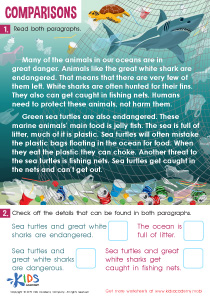
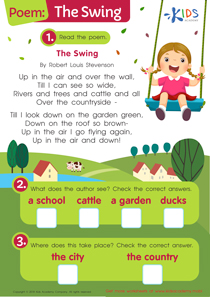
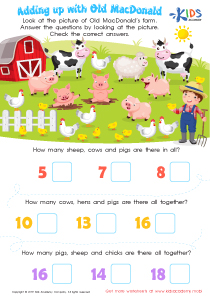
Unlock the world of fractions with our engaging "Understanding Fractions Grade 3 Building Vocabulary Worksheets"! These carefully crafted worksheets are designed to enhance students' comprehension of fractions while enriching their mathematical vocabulary. Through interactive activities and visual aids, third graders will learn to identify, represent, and compare fractions, paving the way for stronger mathematical foundations. Each worksheet encourages critical thinking, creativity, and collaboration, making learning both fun and effective. Perfect for classroom or at-home practice, these worksheets ensure that young learners build confidence in their fraction skills. Explore our collection and empower your child to master fractions today!
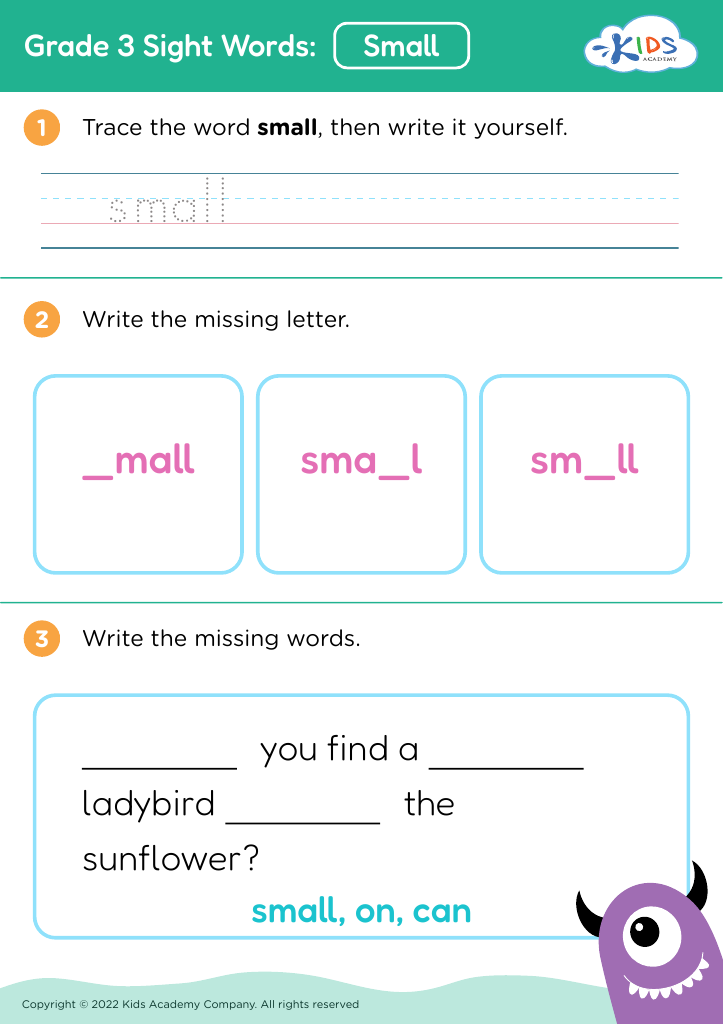
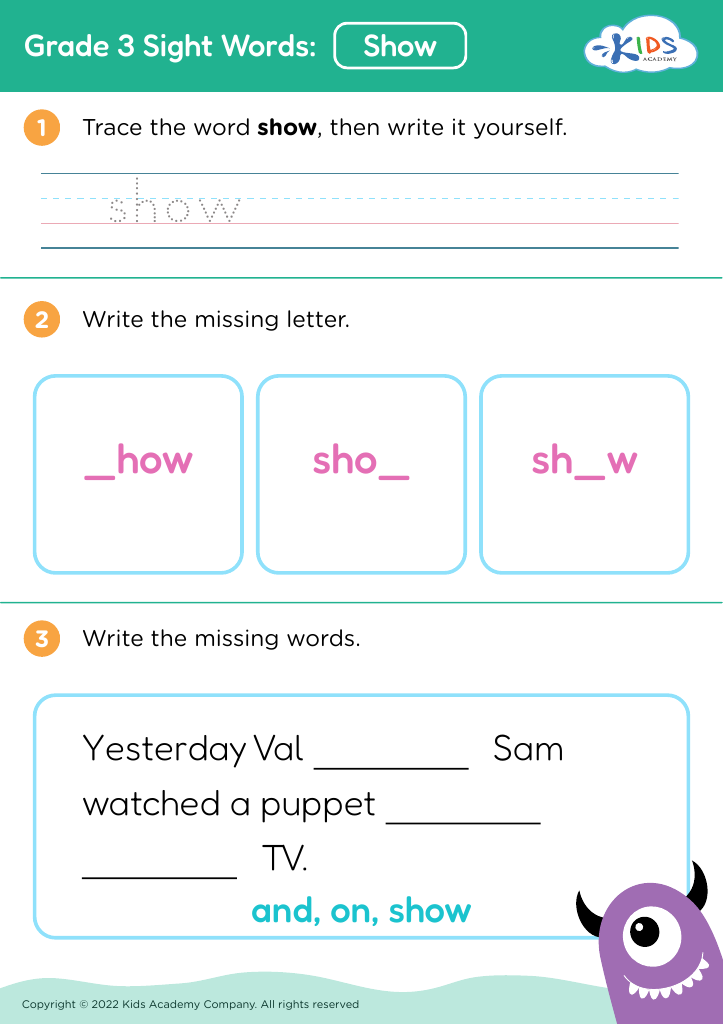
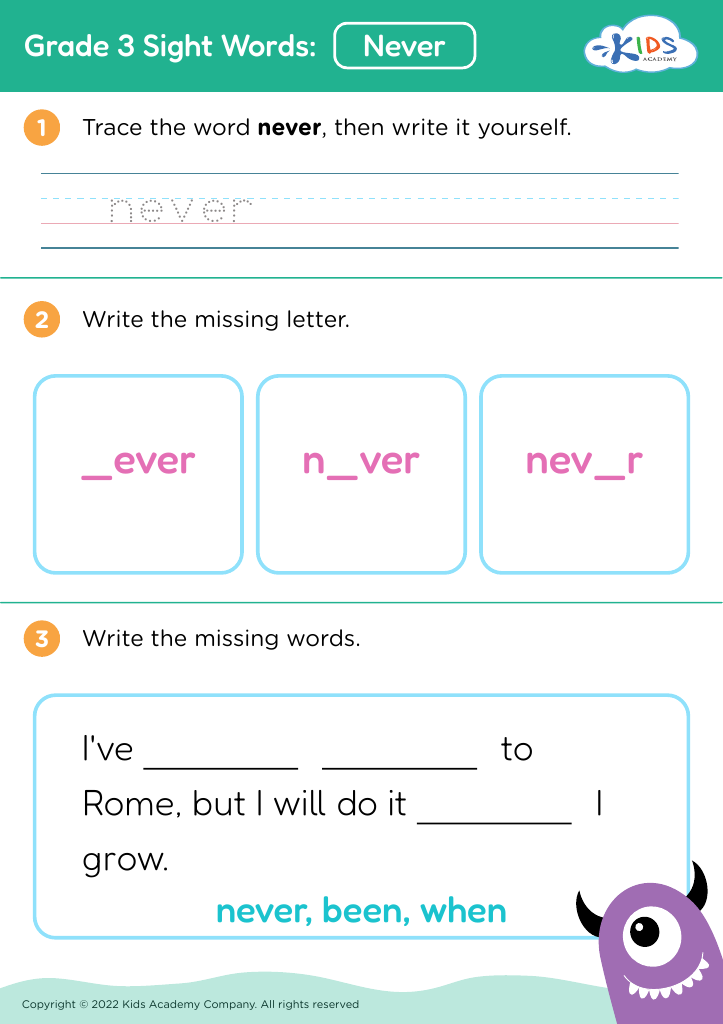
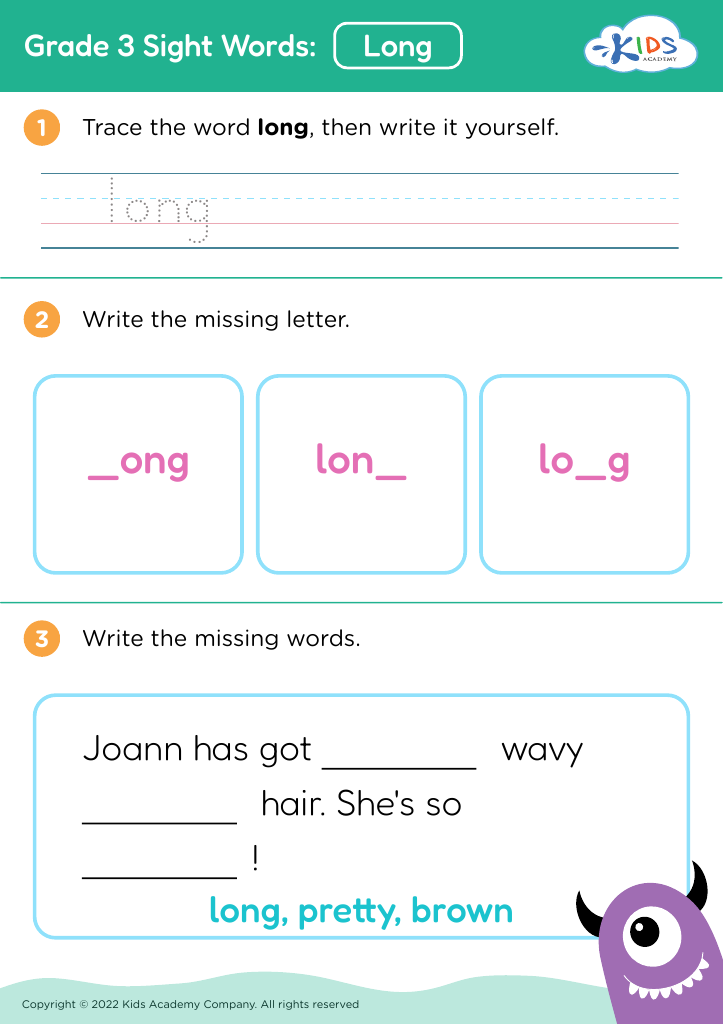








Understanding fractions is crucial for third graders as it lays the foundation for more complex mathematical concepts in later grades. At this stage, students begin to transition from concrete to abstract thinking. Developing a strong vocabulary around fractions helps them articulate their understanding and problem-solving processes. Parents and teachers should care about this because a solid grasp of fractions contributes significantly to students' overall math literacy, affecting their confidence and ability to tackle challenges in the future.
Moreover, fractions are not just an isolated topic; they are interconnected with various real-world applications. Helping students build vocabulary related to fractions—such as numerator, denominator, equivalent, and mixed number—enables them to engage more deeply with everyday situations like cooking, measuring, and budgeting, where fractions are commonly used.
By emphasizing the importance of language alongside numbers, educators and parents prepare students for collaborative discussions and assessments. When students are equipped with the right vocabulary, they are better positioned to express their thoughts and understanding, participate actively in class, and build a positive attitude toward mathematics. As fractions are foundational for Algebra and further math fields, fostering this understanding now is essential for long-term academic success.