Coloring skills Grade 3 Reading Worksheets
3 filtered results
-
From - To
Enhance your Grade 3 students' reading skills with our engaging Coloring Skills Worksheets! Designed to foster creativity while reinforcing reading comprehension, these worksheets guide kids through fun activities that blend color and learning. By matching words and illustrations, students strengthen their vocabulary and improve their ability to interpret text. Our worksheets cater to various learning styles, making them perfect for both classroom and at-home practice. Encourage your young learners to express their artistic side while boosting their literacy skills. Explore our collection today and provide your third-graders with enriching learning experiences that make reading both fun and educational!
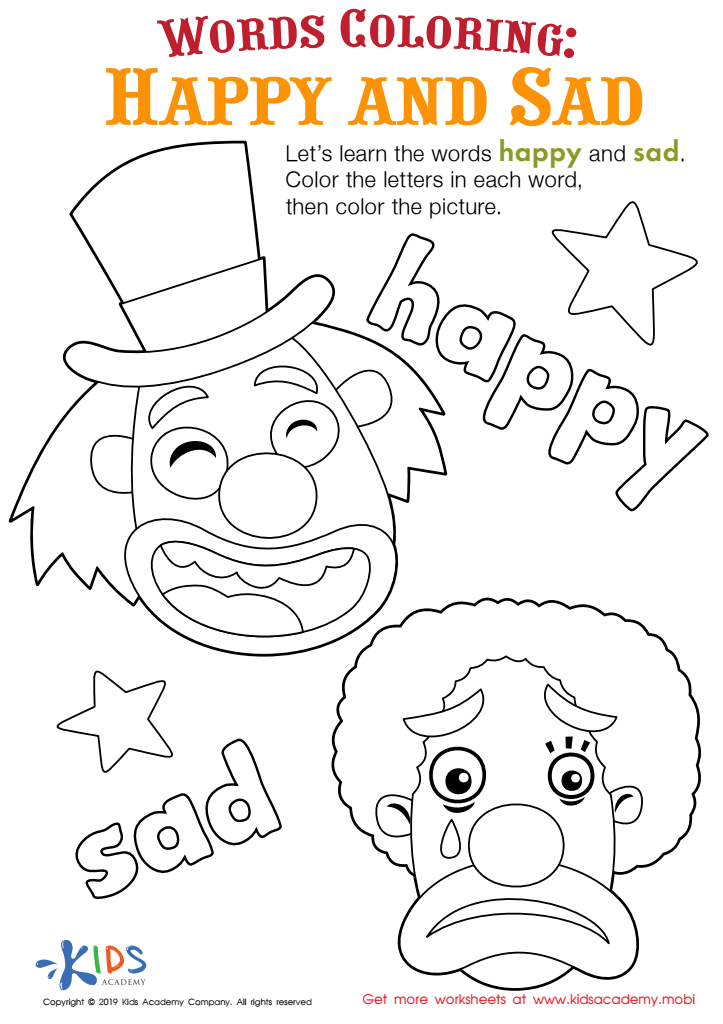
Happy and Sad Words Coloring Worksheet
 Assign to My Students
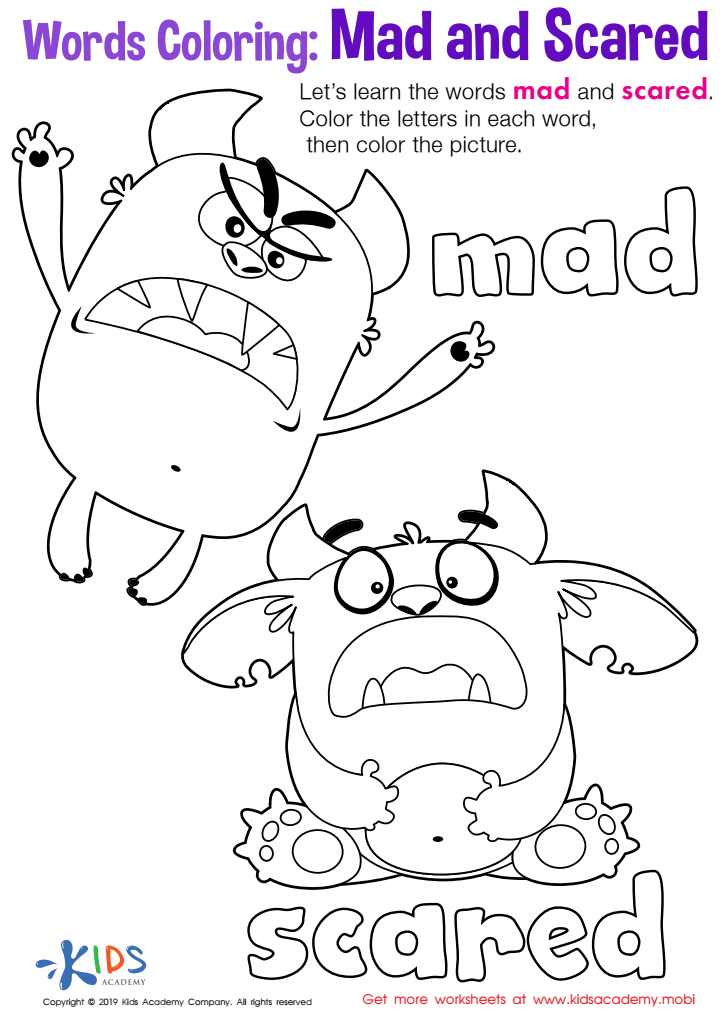
Mad and Scared Words Coloring Worksheet
Assign to My Students
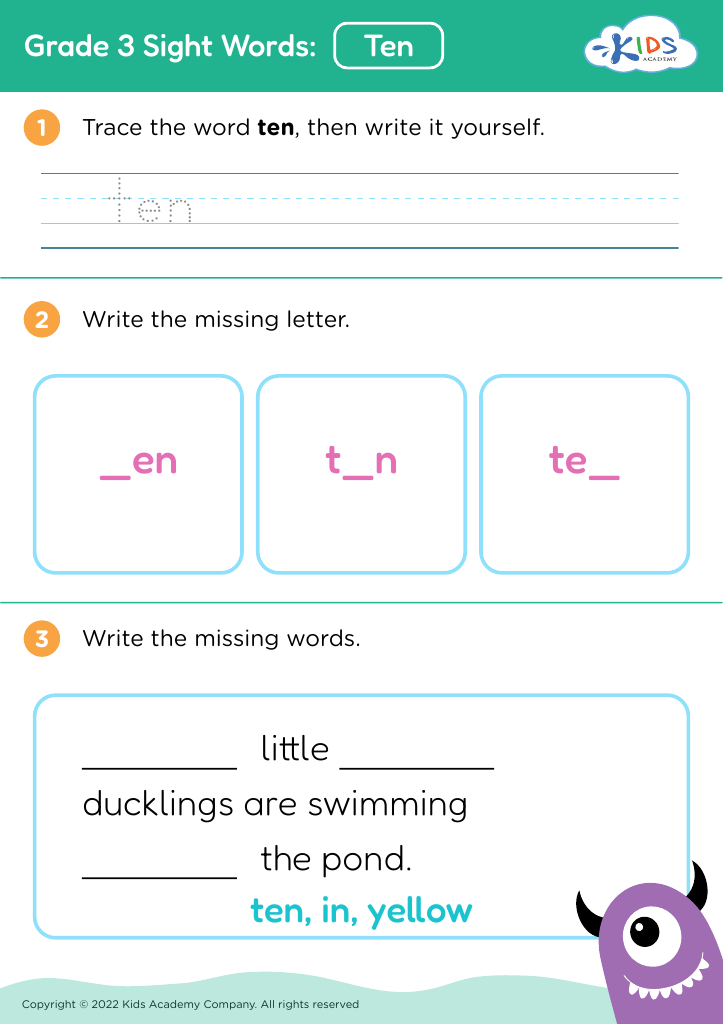






Parents and teachers should care about coloring skills in Grade 3, as they play a vital role in a child's overall development and contextual learning. Coloring enhances fine motor skills and hand-eye coordination, essential for writing and other classroom tasks. At this stage, children are developing critical literacy skills, and engaging with colors can make reading more enjoyable and interactive.
Incorporating coloring activities related to reading helps strengthen comprehension, as children visualize characters, settings, or events in a story. This creative expression aids memory retention, making it easier for children to recall information from the texts they read. Additionally, coloring can spark discussions about themes or plot points, improving verbal skills and critical thinking as students express their artistic work.
Furthermore, coloring fosters creativity and self-expression. In an educational environment that increasingly values STEM subjects, bolstering arts in learning demonstrates that creativity significantly supports cognitive development. Parents and teachers should advocate for these skills, as they are essential for nurturing a holistic learning experience—balancing academic skills with artistic exploration, thereby fostering a love of learning that's crucial during a child's formative years. Supporting coloring skills can build foundational abilities for success in reading and beyond.