Counting skills Grade 3 Reading Worksheets
5 filtered results
-
From - To
Explore our engaging Grade 3 Counting Skills Reading Worksheets, designed to enhance students' mathematical proficiency through reading comprehension. These worksheets incorporate fun and interactive activities that blend numeracy with literacy, helping third graders grasp essential counting concepts while enjoying stories and challenges. Aligned with educational standards, our resources support critical thinking and problem-solving skills. From number patterns to counting exercises, each worksheet offers a variety of exercises to suit diverse learning styles. Perfect for classroom use or at-home practice, these worksheets provide a fantastic opportunity for children to reinforce their counting skills in a creative and enjoyable way. Get started today!
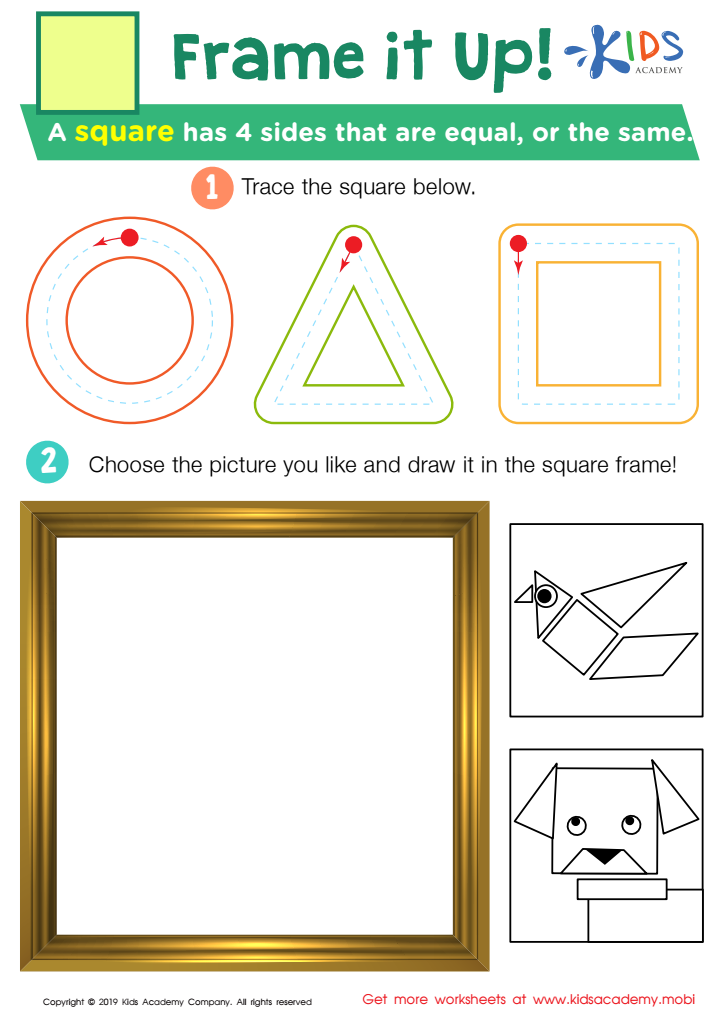
Frame it Up Worksheet
 Assign to My Students
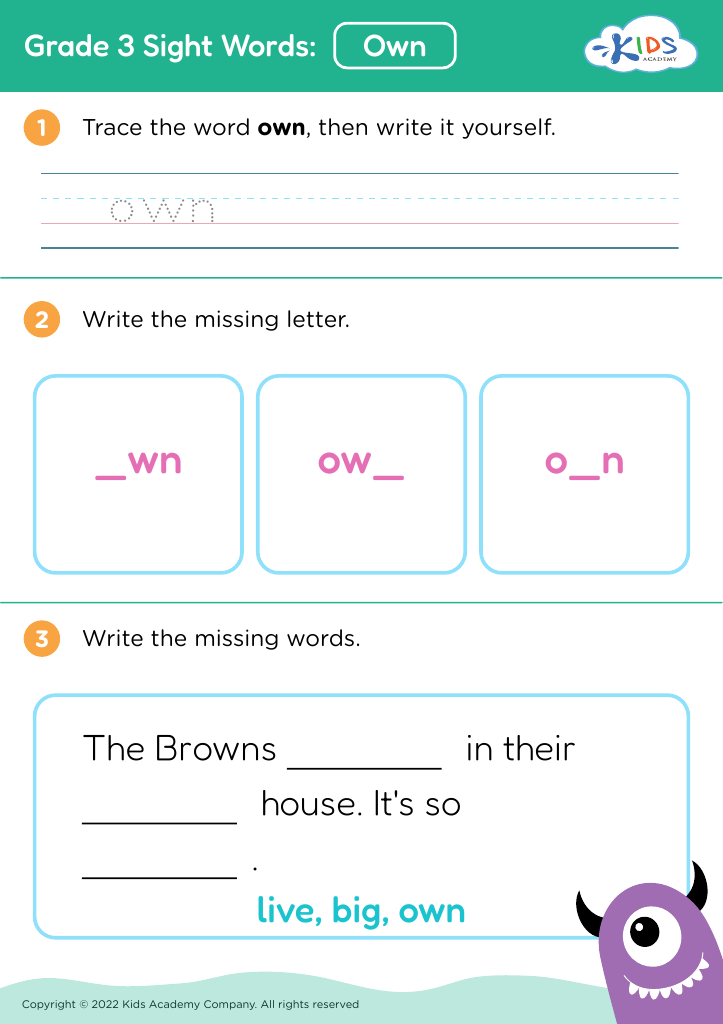
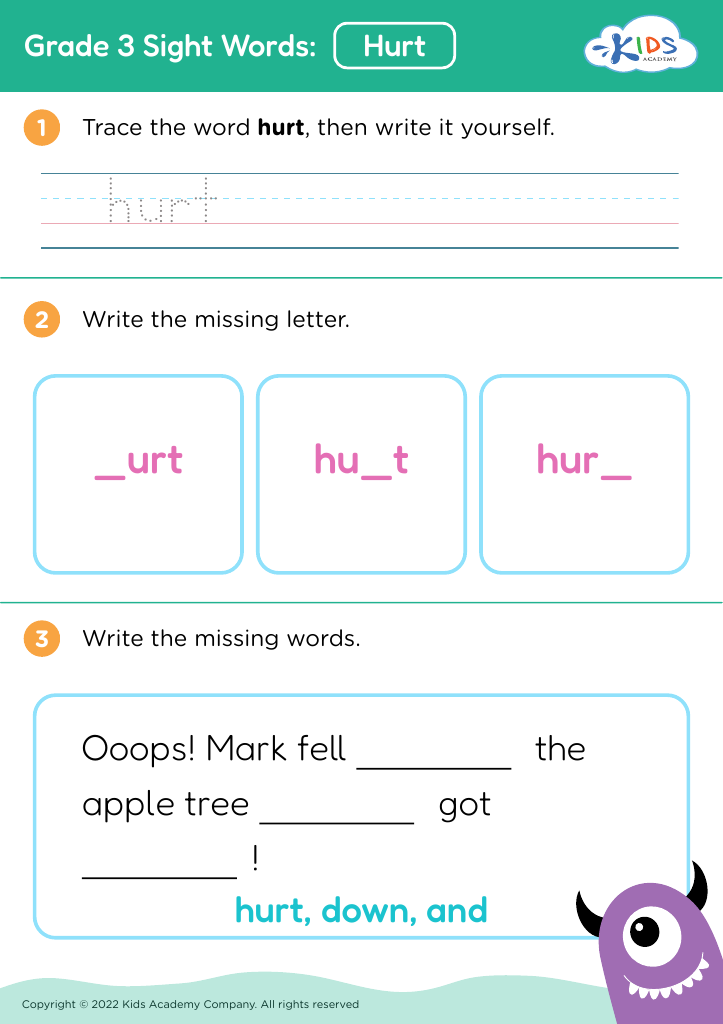
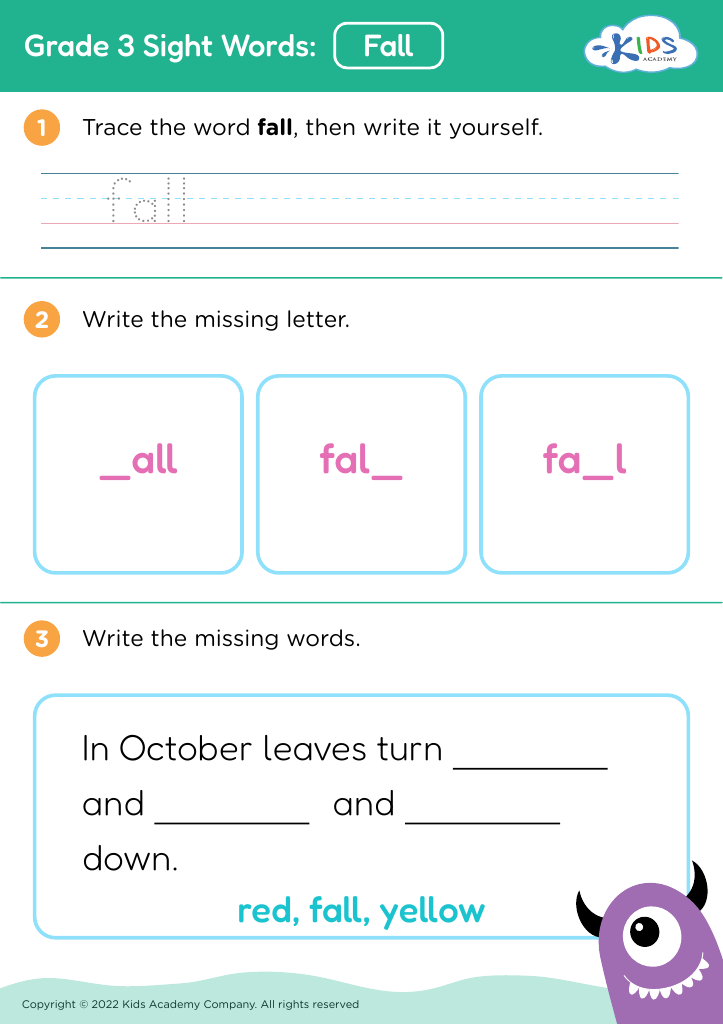







Counting skills are essential components of a child's overall development, particularly in Grade 3, where foundational academic skills are solidified. At this stage, students are increasingly expected to apply their knowledge of numbers and counting to solve problems and engage with more complex mathematical concepts. Consequently, parents and teachers should prioritize nurturing counting skills, as they serve as building blocks for further learning in math, science, and even reading comprehension.
Strong counting skills enhance a child's ability to recognize patterns, quantify numbers, and understand the relationships between different elements, which are crucial skills not just in math but across the curriculum. When children can count confidently, they often experience increased self-esteem, helping them participate in class discussions and collaborative projects. Additionally, at this age, integrating counting with reading activities—such as counting syllables in words or understanding numbered sequences in stories—encourages a more cohesive learning experience.
Moreover, fostering these skills early creates a positive attitude towards learning, making students more enthusiastic and engaged. This ultimate alignment between counting skills and reading proficiency ensures that children receive a well-rounded education that prepares them for future challenges in academia and beyond.