Math problem-solving Grade 3 Reading Worksheets
4 filtered results
Difficulty Level
Grade
Age
-
From - To
Subject
Activity
Standards
Enhance your Grade 3 students' reading and math skills with our engaging Math Problem-Solving worksheets! Designed specifically for third graders, these resources interlink reading comprehension with mathematical concepts. Each worksheet encourages critical thinking as students read various problem-solving scenarios and work through them step-by-step. By interpreting word problems, students develop both their problem-solving abilities and reading comprehension skills. Perfect for classroom or at-home learning, our worksheets help to foster a deeper understanding of mathematics while improving literacy. Discover creative ways to make math enjoyable and accessible! Elevate your teaching with our diverse collection of comprehensive and fun worksheets today!
Favorites
With answer key
Interactive
Join Kids Academy for Free
Who is primarily going to use this learning content?








Math problem-solving in Grade 3 is crucial for developing a child's critical thinking and reasoning skills, laying a foundation for future academic success. At this stage, students shift from learning basic operations to applying these skills in real-world contexts, enhancing their comprehension and analytical abilities. Engaging with math problems helps children learn to approach challenges systematically, fostering resilience and persistence.
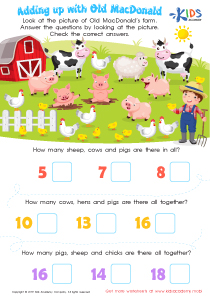
Moreover, math proficiency is strongly linked to reading comprehension. As students in Grade 3 begin to encounter word problems that require them to interpret language and context to extract numerical information, their reading and comprehension skills are simultaneously exercised. This synergy helps reinforce vocabulary and language structures, crucial for both subjects.
Parents and teachers should encourage this connection by incorporating math discussions into everyday situations, such as shopping or time management. Recognizing the importance of problem-solving abilities equips children with skills that extend beyond math, impacting their overall academic trajectory. When adults actively engage in this learning process, it not only enhances children’s confidence but also promotes a positive attitude toward math, ensuring they view challenges as opportunities for growth rather than obstacles. Investing in this balance strengthens foundational skills essential for lifelong learning and success.