Problem-Solving Skills Grade 3 Reading Worksheets
12 filtered results
-
From - To
Enhance your child’s critical thinking with our "Problem-Solving Skills Grade 3 Reading Worksheets." Designed for third graders, these engaging worksheets blend reading comprehension with essential problem-solving practices. Students will tackle a variety of fun, interactive activities that challenge their analytical abilities and promote strategic thinking. Each worksheet is crafted to help children identify problems, brainstorm solutions, and make reasoned decisions—all while improving their reading skills. Perfect for classroom use or at-home practice, these worksheets ensure a balanced approach to learning that prepares young learners for future academic success. Explore and boost your child's problem-solving confidence today!
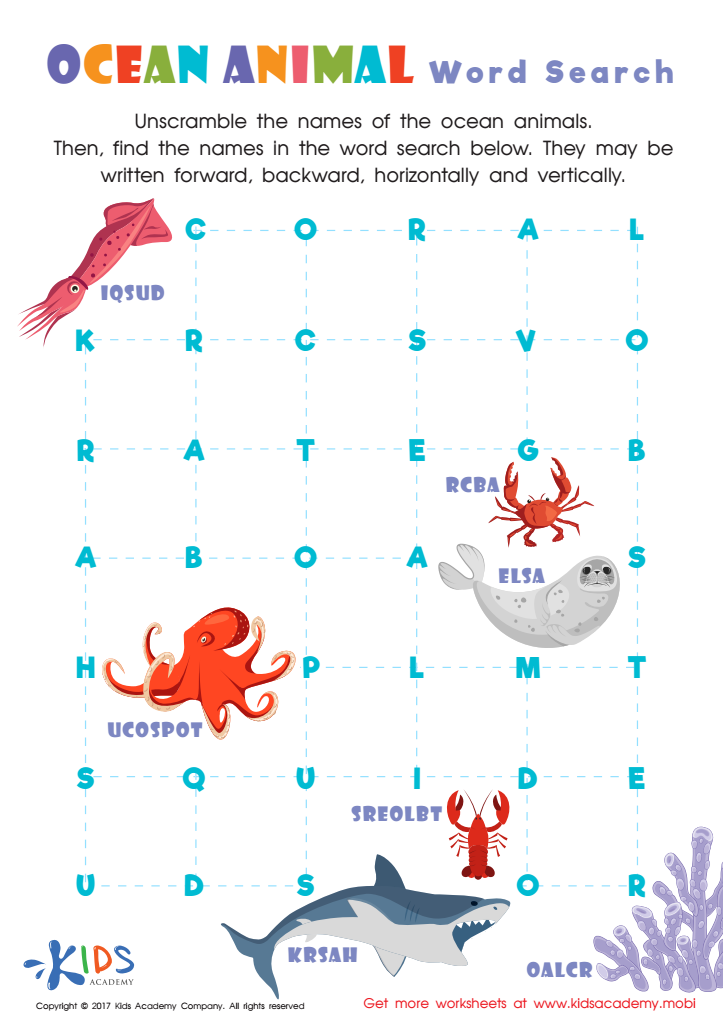
Ocean Animals Word Search Printable
 Assign to My Students
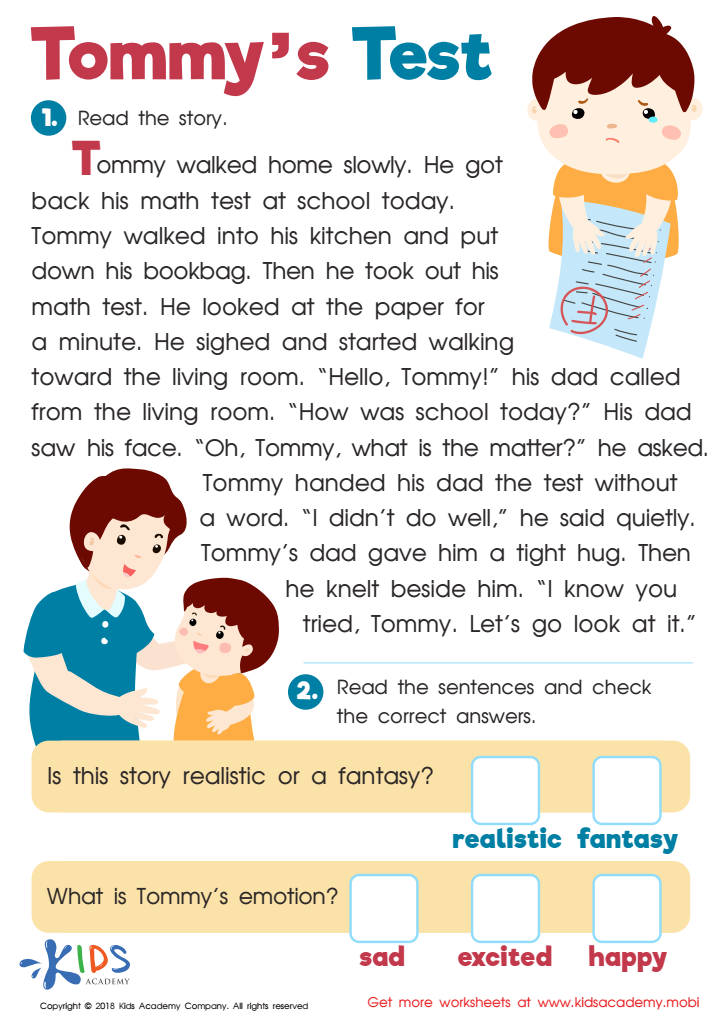
Tommys Test Worksheet
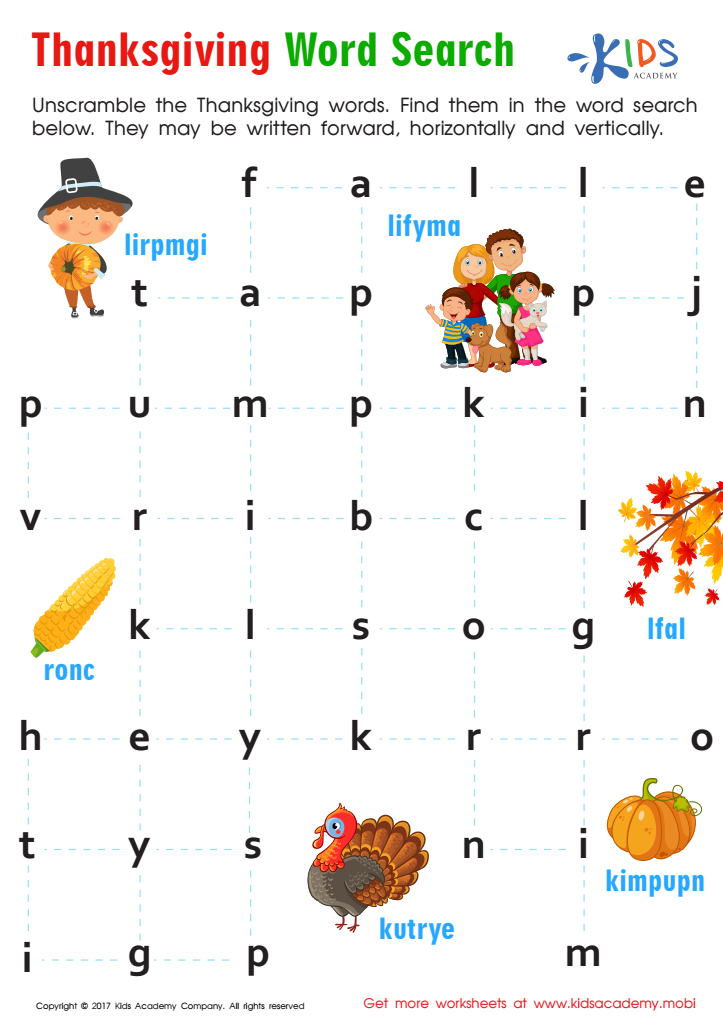
Thanksgiving Word Search Sight Words Worksheet
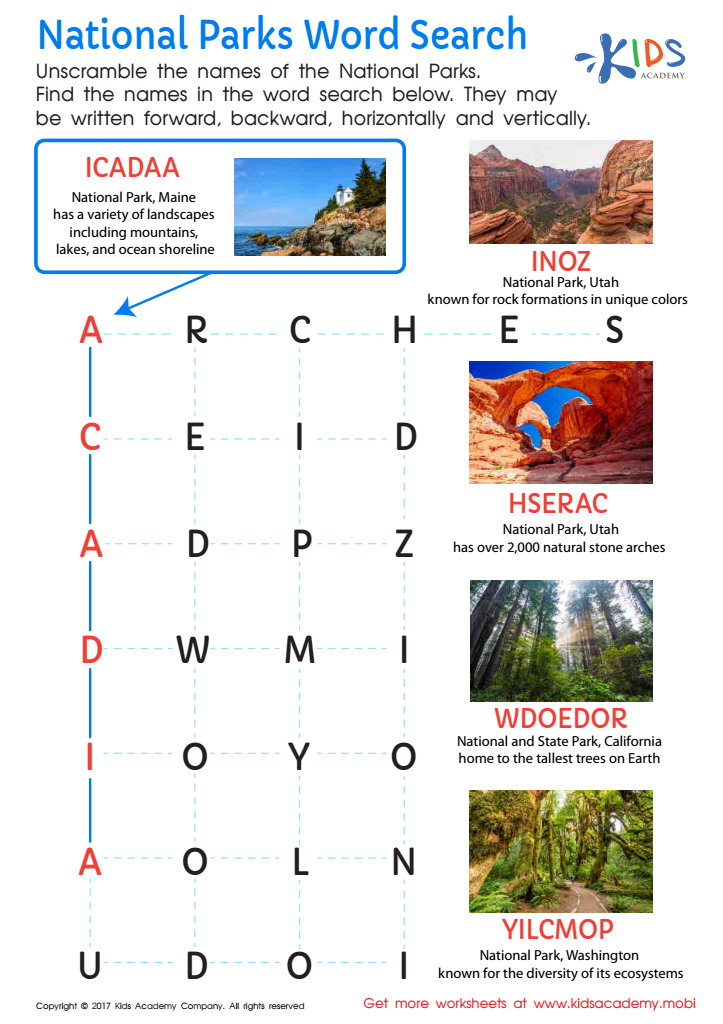
National Parks Word Search Worksheet
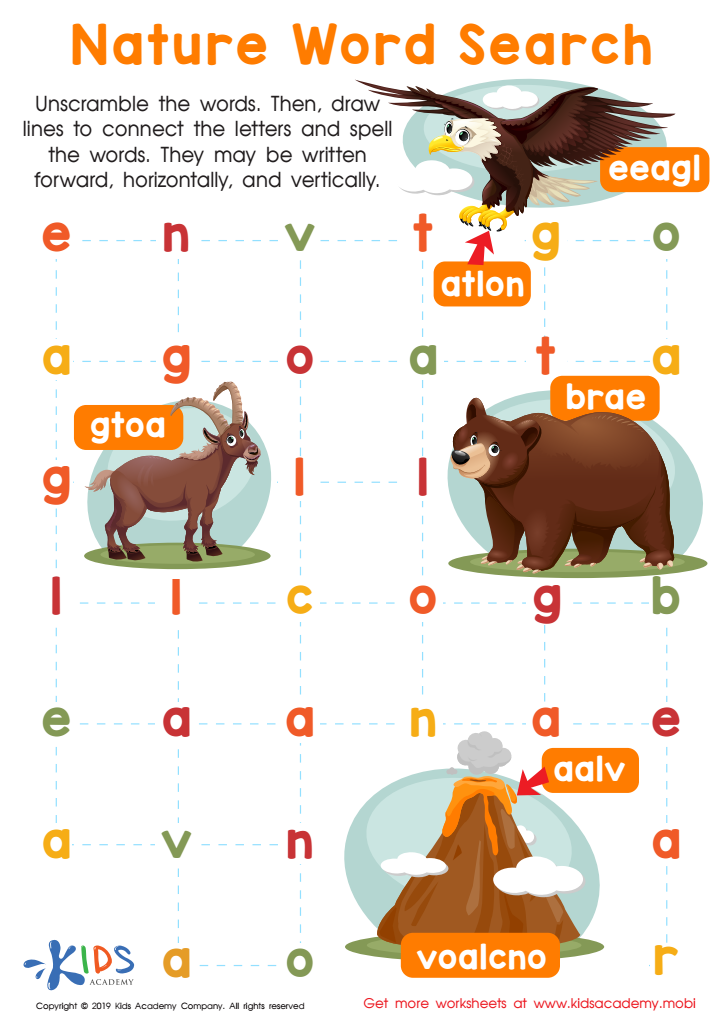
Nature Word Search Worksheet
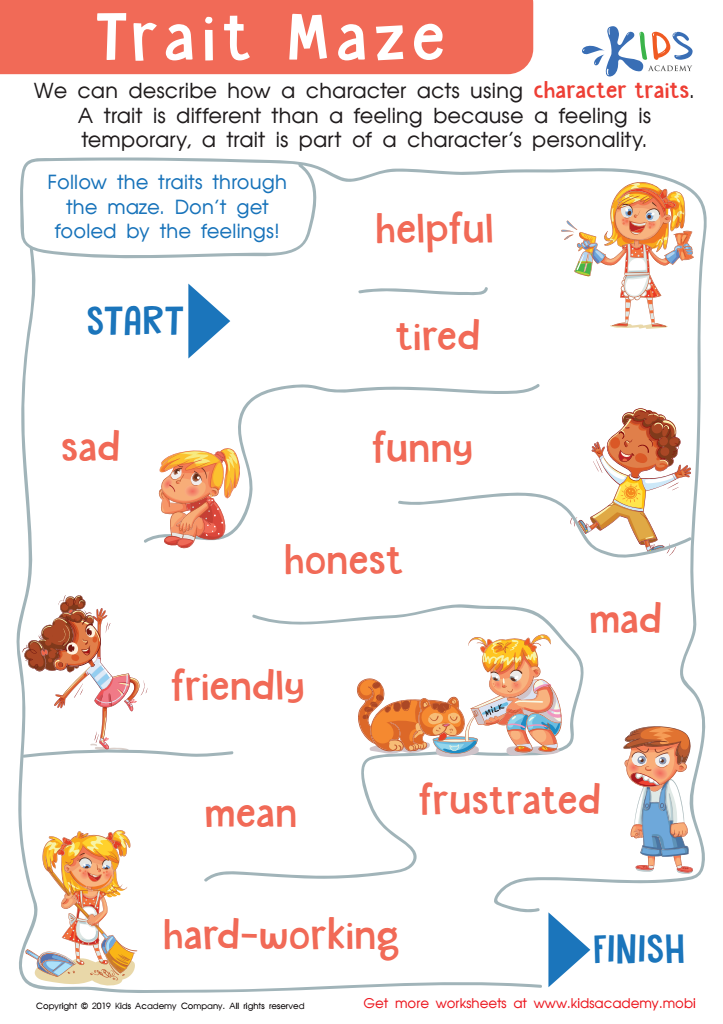
Trait Maze Worksheet
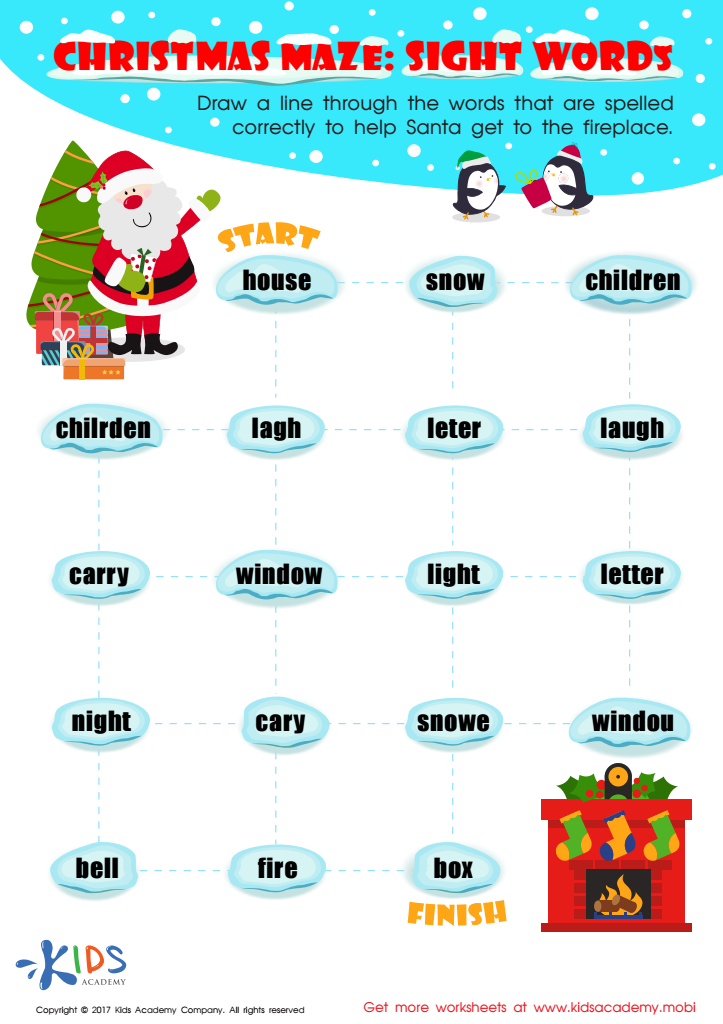
Sight Words Christmas Maze Printable
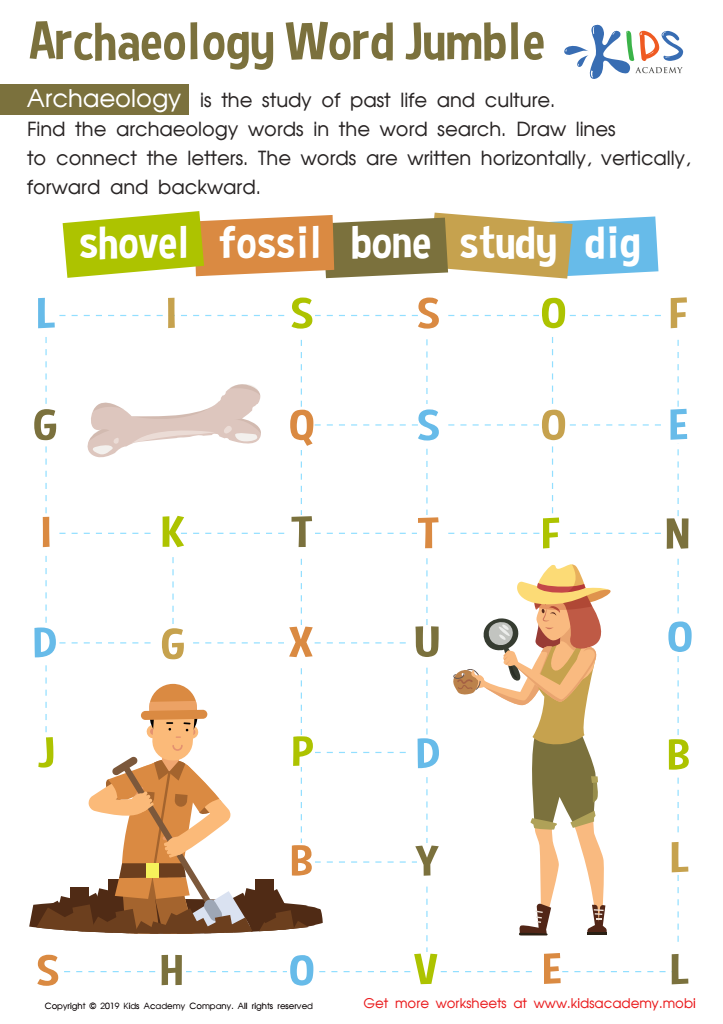
Archaeology Word Jumble Worksheet
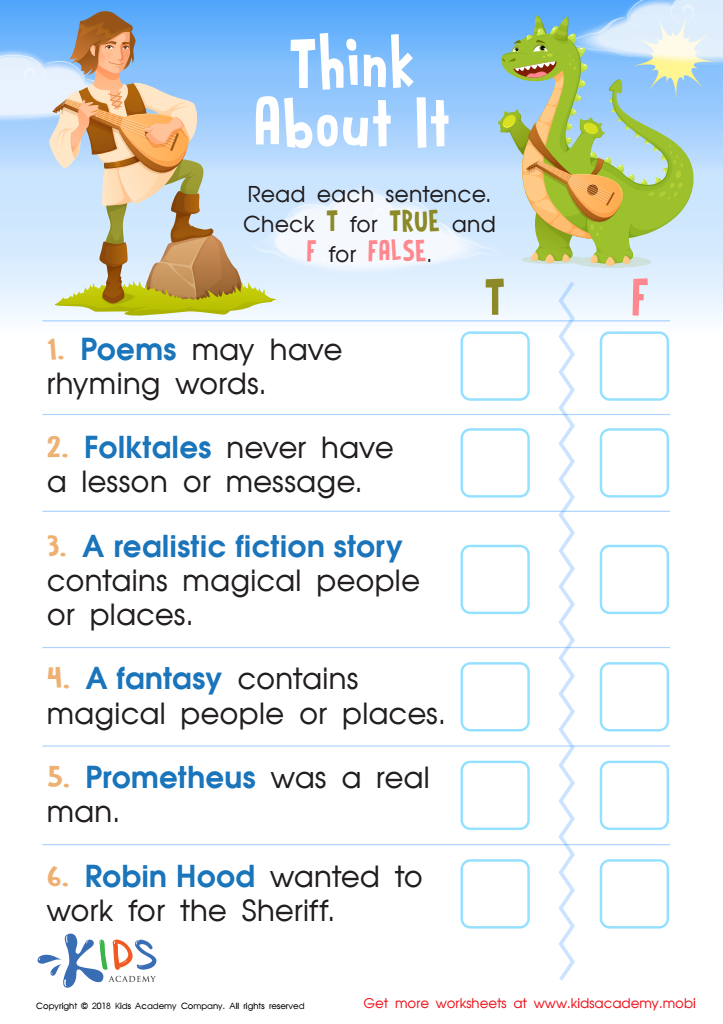
Think About It: Assessment Worksheet








Parents and teachers should care deeply about developing problem-solving skills in Grade 3 reading because these skills are foundational to a child's overall academic and life success. At this critical stage, children start to transition from learning to read to reading to learn. Strengthening problem-solving abilities empowers them to approach complex texts methodically, comprehend nuanced ideas, and make inferences, all of which are fundamental for continued academic progress.
Problem-solving in reading also mirrors real-world situations, enhancing children's ability to tackle challenges beyond the classroom. It fosters critical thinking, independence, and resilience by teaching them how to break down problems, seek solutions, and learn from mistakes. These competencies are not just academic but life skills that prepare students to navigate various situations, both personal and professional.
Moreover, early exposure to problem-solving in reading encourages a growth mindset, wherein children understand that effort and strategy can improve their abilities. This mindset promotes lifelong learning and adaptability, qualities highly valued in today’s fast-changing world.
Investing in problem-solving skills in Grade 3 reading ensures that children develop a solid foundation, enhancing their overall learning experience and setting them up for future success. Therefore, parents and teachers play an essential role in fostering these skills through supportive and encouraging environments.