Color recognition Grade 3 Reading Comprehension Worksheets
4 filtered results
-
From - To
Enhance your third grader's reading comprehension skills with our engaging Color Recognition Worksheets! These specially designed resources help students identify and understand colors through reading passages that are both informative and entertaining. Each worksheet incorporates vibrant imagery and context-based questions to reinforce learning. Students will master essential vocabulary while improving their ability to make inferences and draw conclusions based on their reading. Perfect for the classroom or at-home practice, our Color Recognition Worksheets make learning fun and interactive. Equip your child with the tools they need to succeed in reading comprehension while exploring the vibrant world of colors!

Twinkle Twinkle Little Star Coloring Page
 Assign to My Students
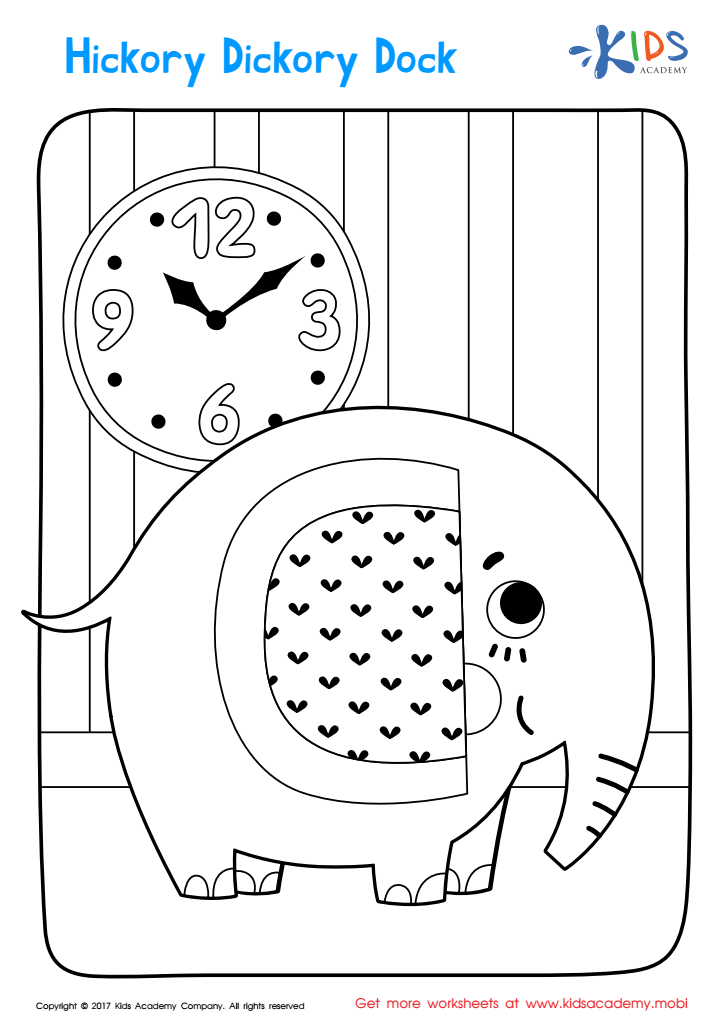
Hickory Dickory Dock Coloring Page
Assign to My Students
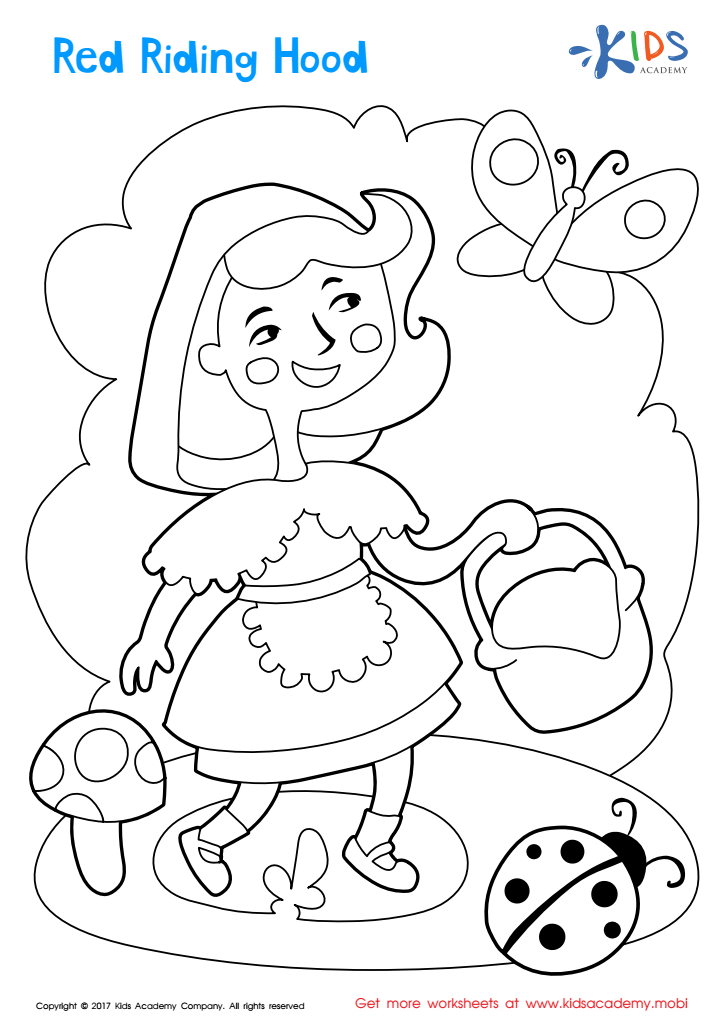
Red Riding Hood Coloring Page
Assign to My Students
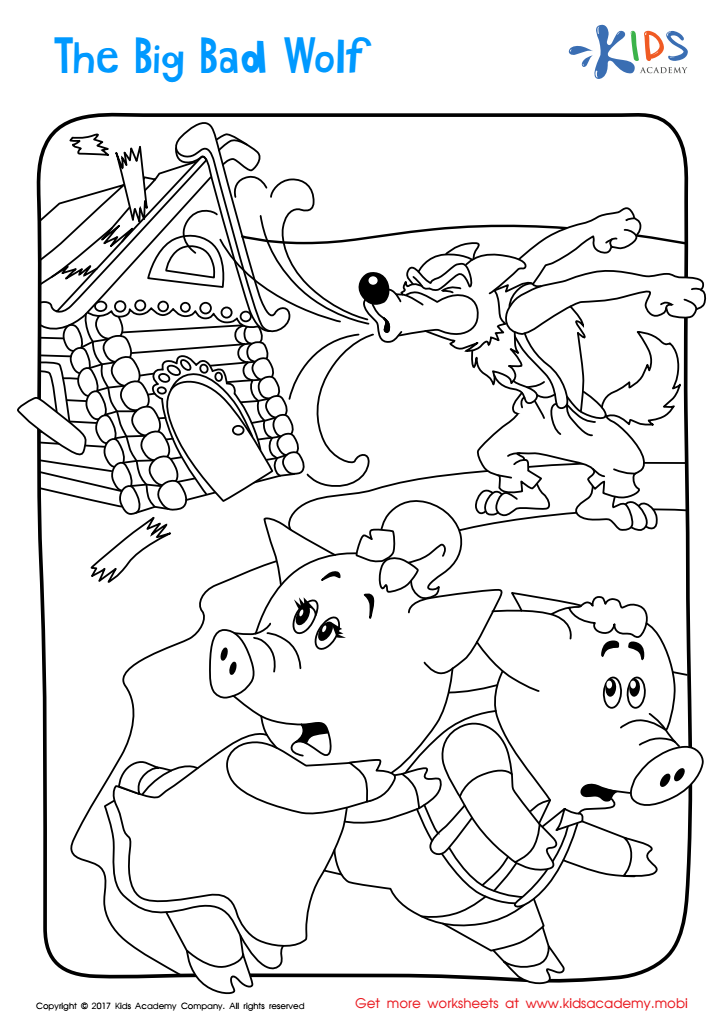
Big Bad Wolf Printable Coloring Page
Assign to My Students








Color recognition is a crucial element in early childhood education, particularly for Grade 3 students learning to read. By this stage, children are developing their reading comprehension skills, and understanding colors can play an integral role in their ability to interact with texts and engage fully with learning materials.
Firstly, color recognition helps students decipher information and enhance their vocabulary. Many reading materials use colors to describe characters, emotions, or settings, making comprehension more vivid and accessible. For instance, recognizing a “bright yellow sun” or a “deep blue ocean” enriches a child's reading experience and broadens their understanding by connecting visuals to meaning.
Secondly, color can be associated with specific feelings or themes, allowing for deeper discussions around narratives and character motivations. Understanding these associations strengthens critical thinking and encourages students to analyze stories on a deeper level.
Finally, color recognition can significantly boost overall cognitive development. It stimulates creativity and aids in fine motor skills as students engage in various activities—such as drawing or crafting—that surround color identification, enriching learning across subjects.
In summary, parents and teachers should invest time in promoting color recognition as it underpins literacy development, supports critical thinking, and enhances creative expression in Grade 3 learners.