Vocabulary development Grade 3 Reading Comprehension Worksheets
5 filtered results
-
From - To
Enhance your third grader's reading comprehension with our engaging Vocabulary Development worksheets! Designed specifically for Grade 3, these worksheets focus on expanding vocabulary through interactive exercises that promote understanding and retention. Students will encounter diverse texts and engaging activities that challenge their critical thinking skills and boost their language proficiency. From identifying unfamiliar words to using context clues, our resources help build a robust vocabulary essential for academic success. Ideal for classroom or home use, our worksheets are easy to incorporate into any learning routine. Unlock your child’s potential and make reading a fun and enriching experience today![Explore our collection now!]
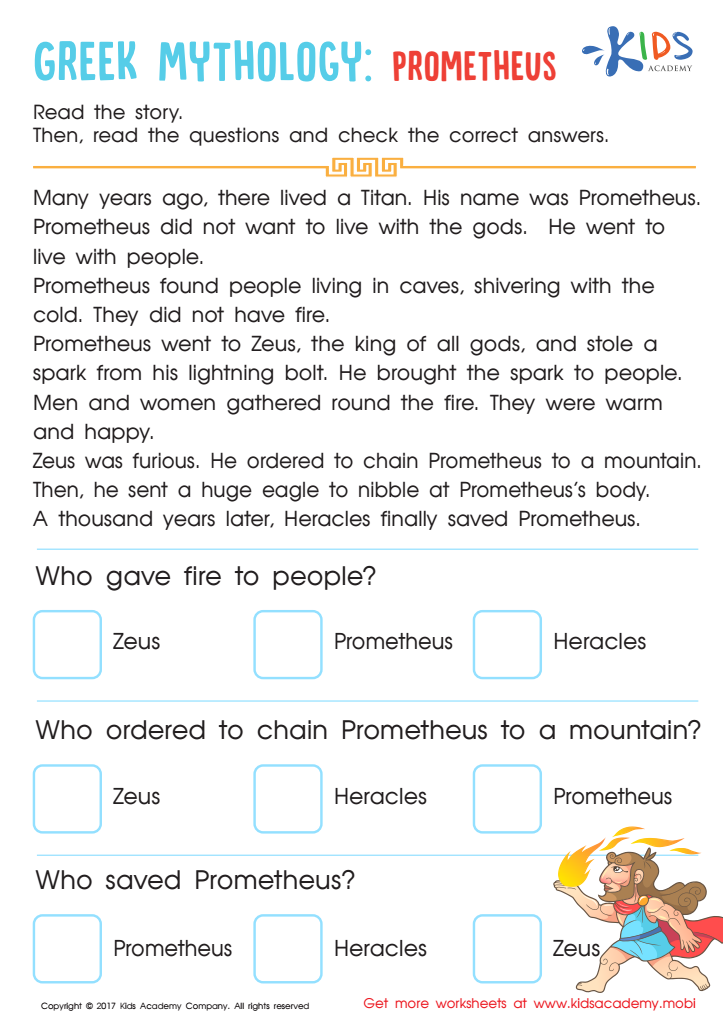
Prometheus Story Worksheet
 Assign to My Students
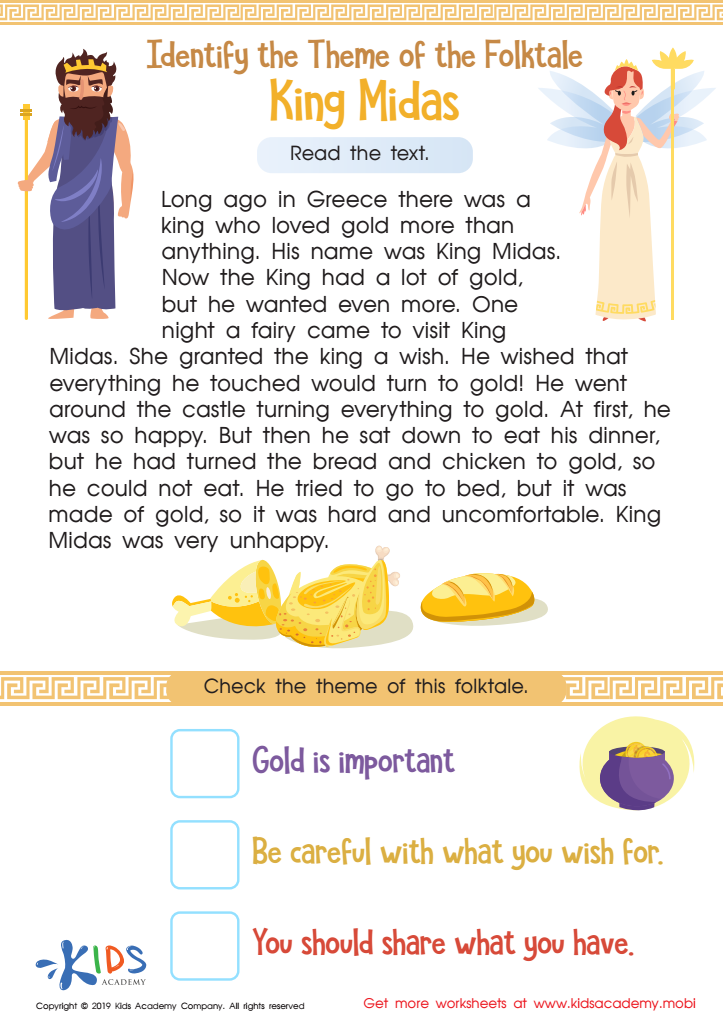
King Midas Worksheet
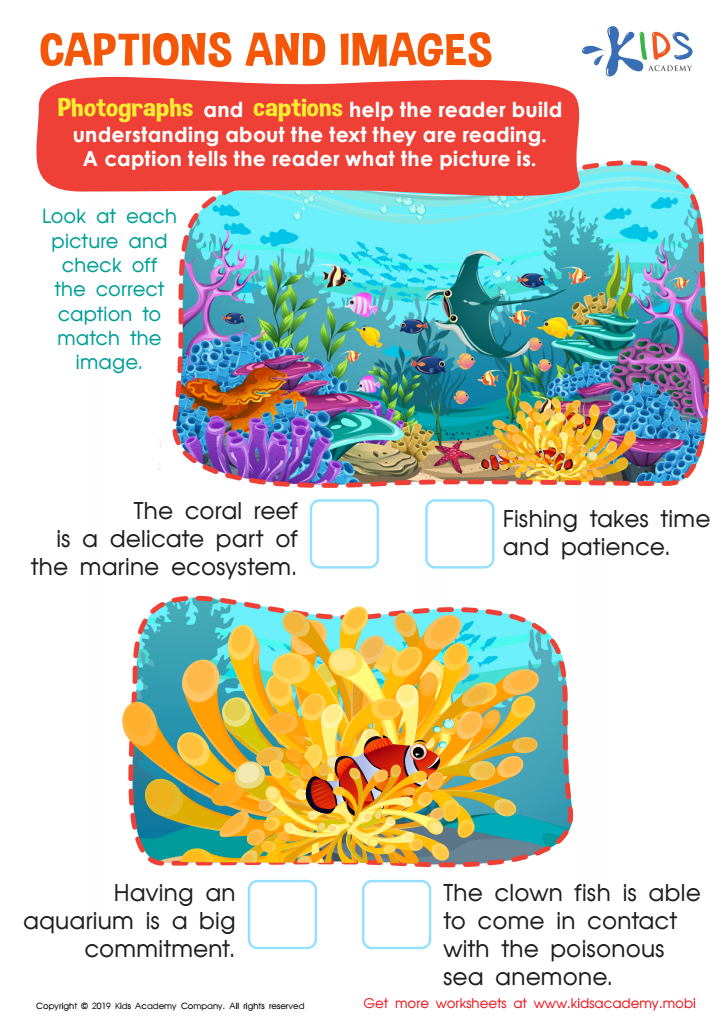
Captions and Images Worksheet
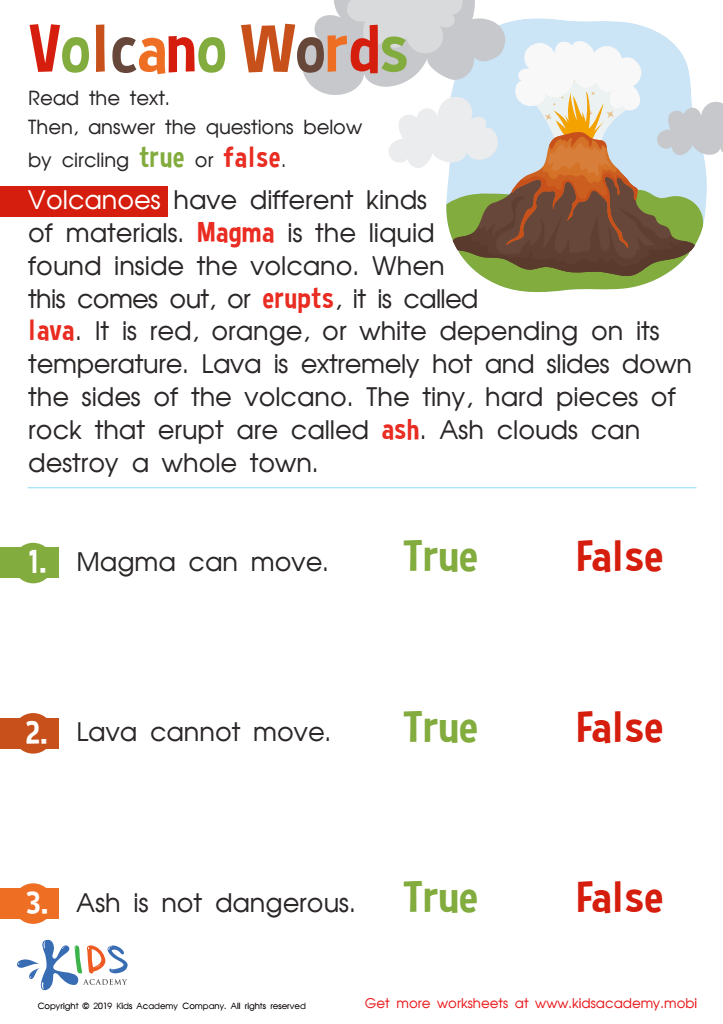
Volcano Words Worksheet
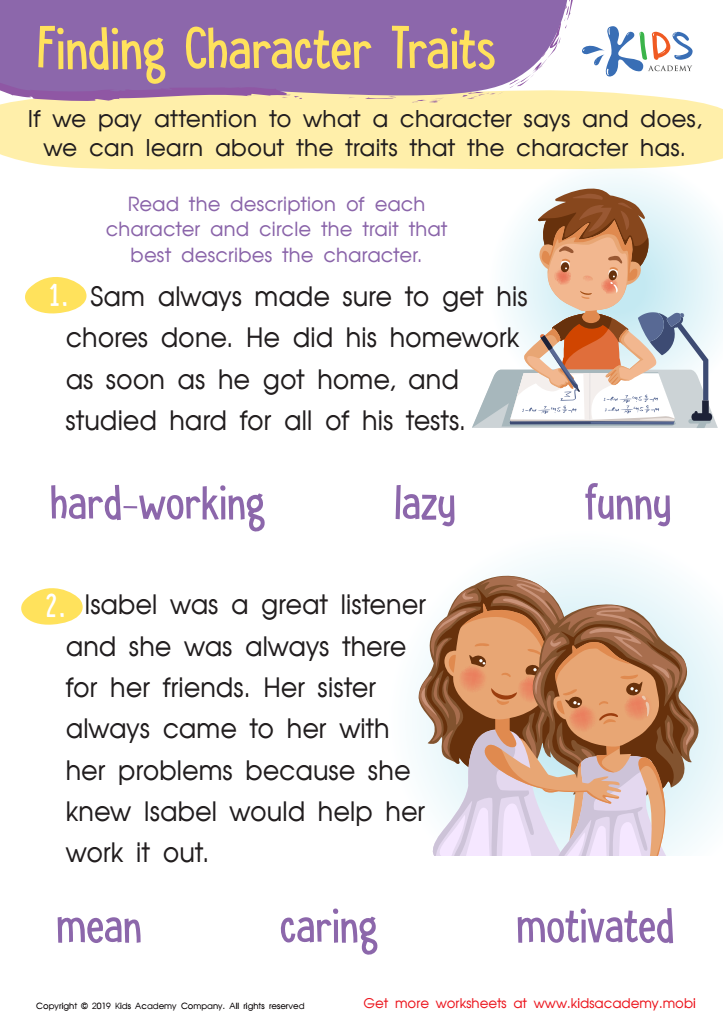
Finding Character Traits Worksheet








Vocabulary development is crucial for enhancing reading comprehension, especially in Grade 3, when students transition to more complex texts. At this stage, a robust vocabulary empowers children to decode words and comprehend their meanings within different contexts. This ability lays the foundation for successful reading experiences, as it enables students to understand both narrative and informational texts, fostering critical thinking and engagement with the material.
Teachers and parents should prioritize vocabulary development because it directly impacts academic success. A strong vocabulary not only improves reading skills but also enhances writing and verbal communication. Children with a rich vocabulary are better equipped to express their thoughts and ideas, which is vital for both classroom participation and social interactions.
Moreover, vocabulary development supports overall cognitive growth. When children encounter new words, they also learn to think analytically, make connections between concepts, and expand their worldview. Engaging in vocabulary-building activities through reading, discussions, and playful learning can cultivate a love for language, making learning enjoyable.
Investing in vocabulary development strengthens not just reading comprehension but also lifelong learning skills. When parents and educators actively support this growth, they foster an environment where students thrive academically and personally.