Color recognition Grade 3 Reading Fiction Worksheets
4 filtered results
Difficulty Level
Grade
Age
-
From - To
Subject
Activity
Standards
Discover our engaging Color Recognition Grade 3 Reading Fiction Worksheets designed to enhance your child's reading skills while exploring the vibrant world of colors. These interactive worksheets incorporate storytelling and color identification, making learning both fun and effective. Students will read captivating fictional passages, identifying and connecting with colors through comprehension questions and activities. Perfect for reinforcing creativity and visual perception, these worksheets continue to build essential literacy skills while fostering a love for reading. Ideal for classrooms or at-home practice, these resources support third-graders in developing their analytical abilities through imaginative storylines and colorful illustrations. Start their colorful reading journey today!
Favorites
With answer key
Interactive
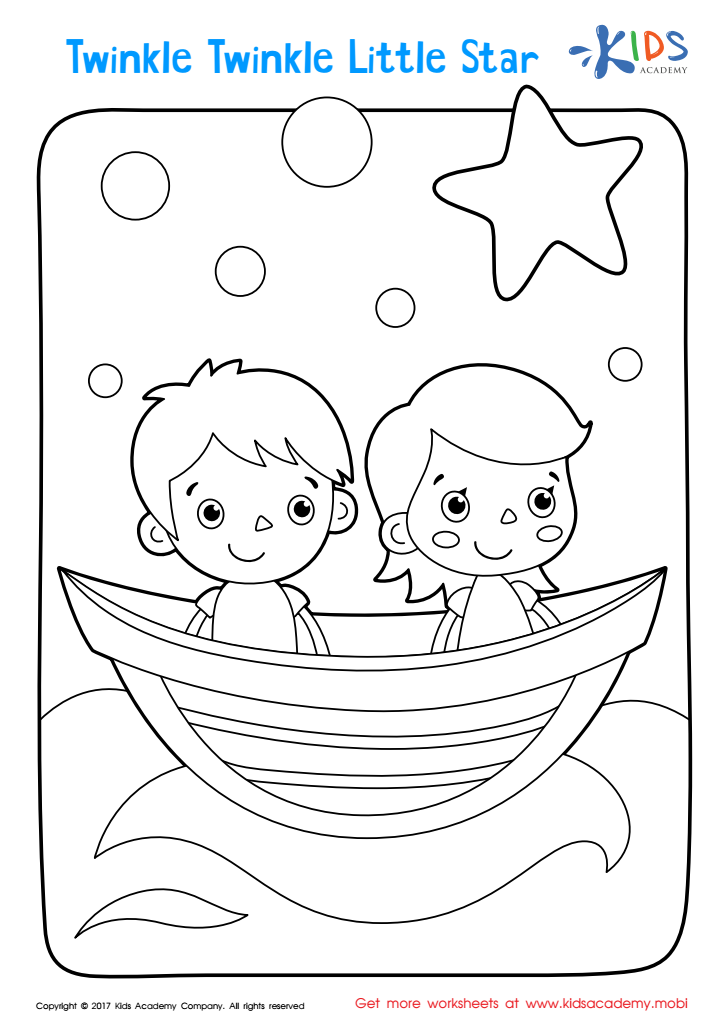
Twinkle Twinkle Little Star Coloring Page
Let your child wish upon a star as they color this scene of boy and girl stargazing. Sing Twinkle Twinkle Little Star while they choose colors to show the star twinkling in the night sky.
Download (PDF)
 Assign to My Students
Assign to My Students
Twinkle Twinkle Little Star Coloring Page
Worksheet
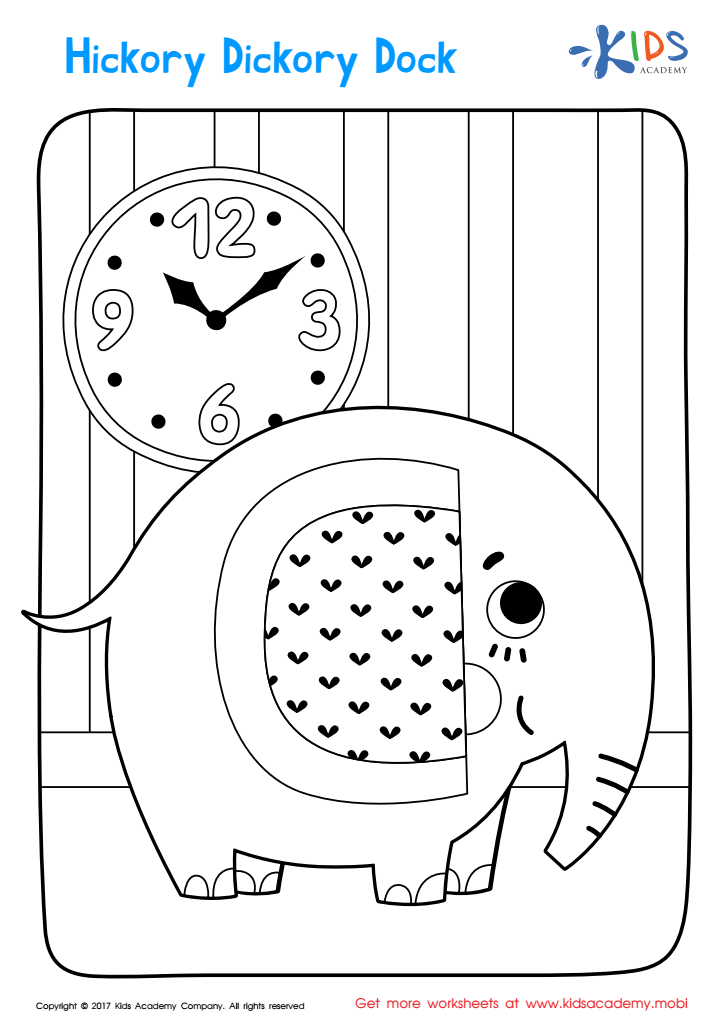
Hickory Dickory Dock Coloring Page
Sing and color with your child! Enjoy the classic nursery rhyme Hickory Dickory Dock as they color this fun printable. Watch the elephant climb and crash down the clock in the final part of the song. It's sure to bring smiles and giggles!
Download (PDF)
Assign to My Students
Assign to My Students
Hickory Dickory Dock Coloring Page
Worksheet
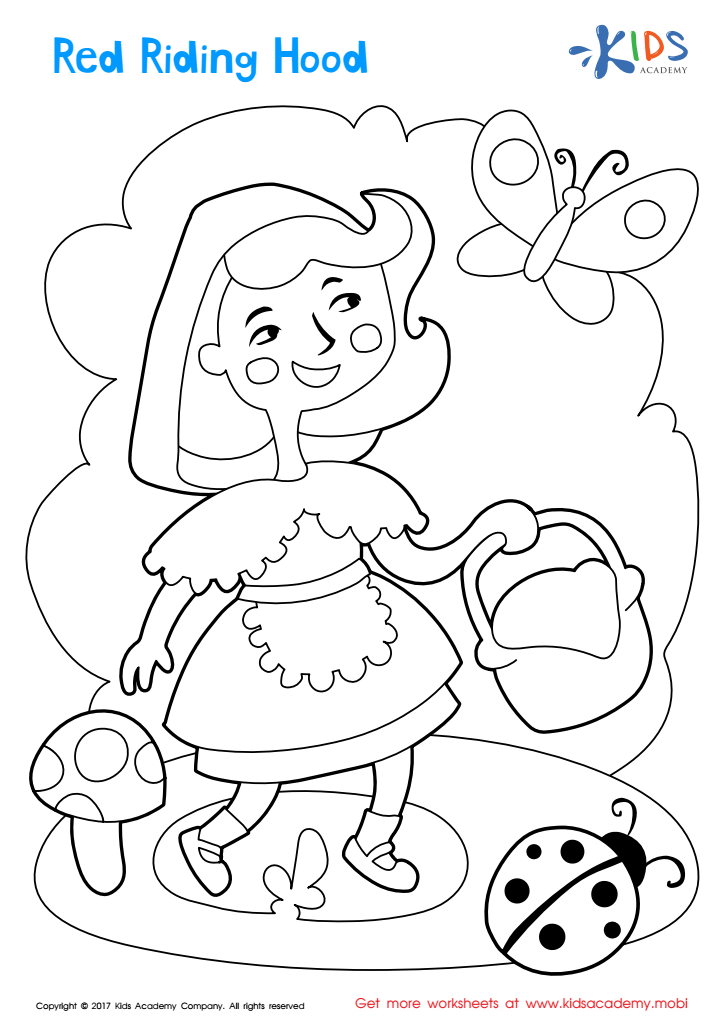
Red Riding Hood Coloring Page
Red Riding Hood awaits in the woods, with a butterfly, mushroom, and ladybug around her. Let your child bring the story to life with this magical printable coloring page. Fairytale fun for all!
Download (PDF)
Assign to My Students
Assign to My Students
Red Riding Hood Coloring Page
Worksheet
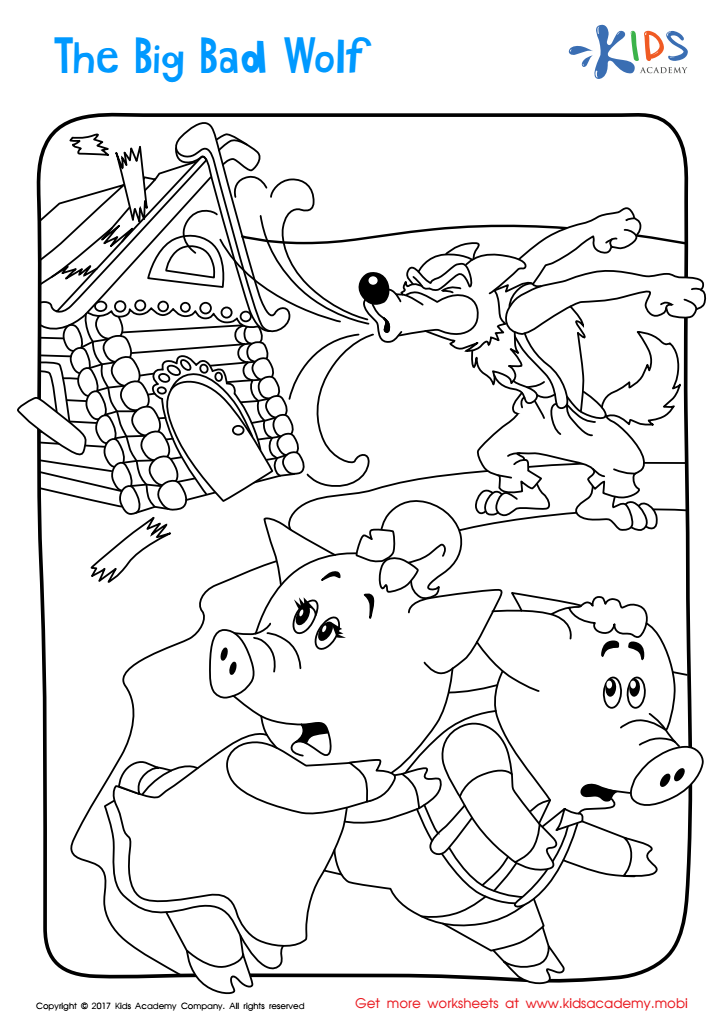
Big Bad Wolf Printable Coloring Page
Let your child have fun coloring the Big Bad Wolf blowing down the little pig's house! This printable coloring page introduces the classic tale, helping to develop reading comprehension skills.
Download (PDF)
Assign to My Students
Assign to My Students
Big Bad Wolf Printable Coloring Page
Worksheet
Join Kids Academy for Free
Who is primarily going to use this learning content?








Color recognition plays a vital role in a child’s cognitive development and literacy skills, particularly in the context of Grade 3 reading fiction. By this stage, children are increasingly engaging with texts that use colors as descriptive elements in storytelling, helping to enhance their imaginative thinking and emotional understanding.
Firstly, color recognition aids in vocabulary expansion and comprehension. When children associate colors with characters, emotions, or settings, they enhance their ability to visualize and understand narratives more deeply. For instance, a description of a “bright red apple” or a “dark, stormy sky” not only creates vivid imagery but also stimulates their curiosity and encourages discussions about choices authors make to convey mood and meaning.
Moreover, recognizing colors can support developing critical thinking skills. Children learn to analyze and interpret text elements based on color symbolism, which is prevalent in many stories. For example, a character wearing blue might signify calmness, while red may represent passion or danger.
For teachers and parents, fostering color recognition in reading activities promotes engagement and enjoyment of literature, thereby instilling a lifelong appreciation for reading. By emphasizing these skills, they create a strong foundation for holistic learning that intertwines literacy and visual scholarship.