Critical Thinking Grade 3 Reading Fiction Worksheets
6 filtered results
Difficulty Level
Grade
Age
-
From - To
Subject
Activity
Standards
Enhance your third grader's reading skills with our thoughtfully designed "Critical Thinking Grade 3 Reading Fiction Worksheets." These resources capture children's imagination while building essential critical thinking abilities. Engaging stories and creative exercises inspire students to analyze plots, predict outcomes, and dissect character motivations, fostering a deeper understanding of fiction. Each worksheet is crafted to challenge young minds, making reading both enjoyable and educational. Ideal for classroom use or home study, our printables offer a blend of fun and learning that keeps kids motivated. Ignite a lifelong love for reading and critical analysis in your child today!
Favorites
With answer key
Interactive
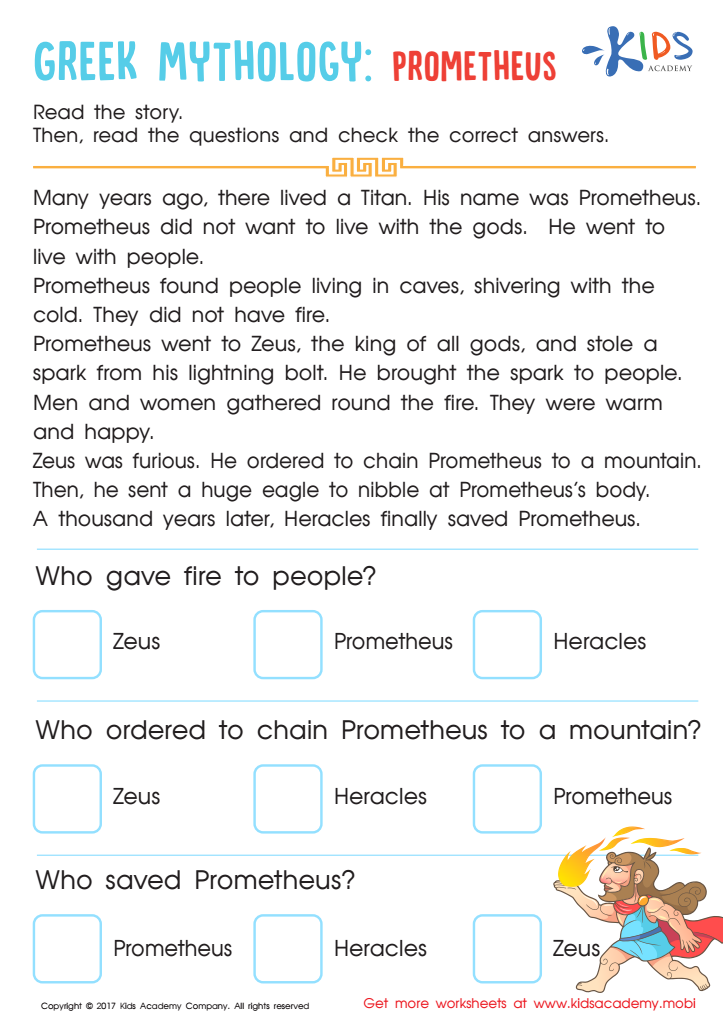
Prometheus Story Worksheet
Help kids improve reading comprehension with this Prometheus story worksheet! Learn about this classic mythological tale and break down the plot into understandable parts. By doing so, children will understand the story each step of the way.
Prometheus Story Worksheet
Worksheet
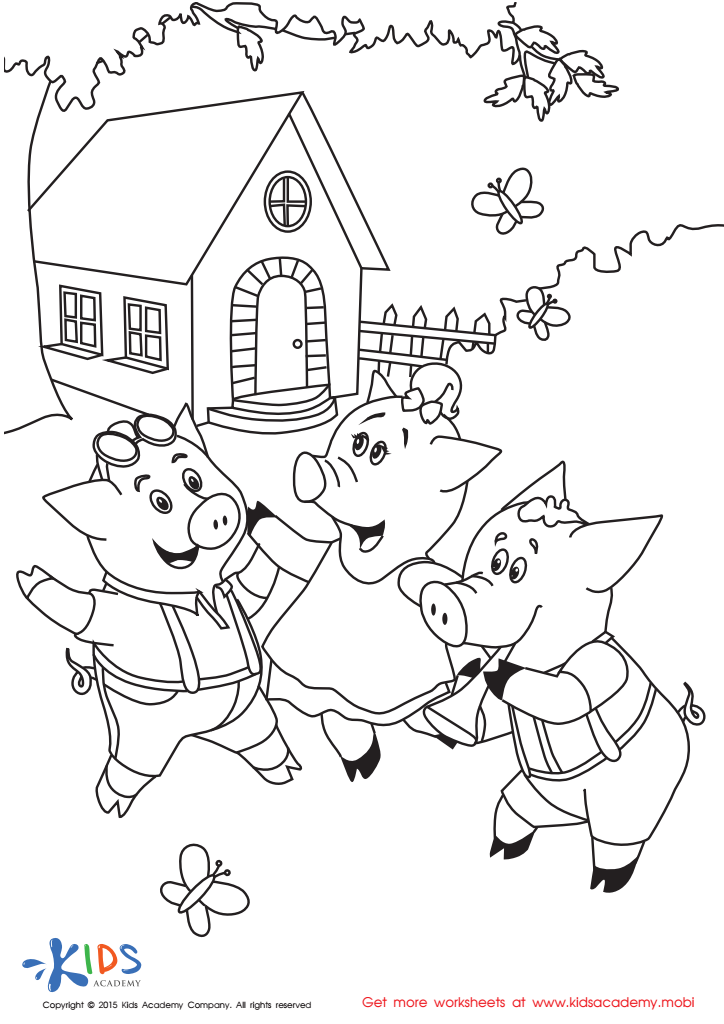
Folktales Printable PDF Worksheet: The 3 Little Pigs
Then, help your child to color the scene with pink piglets, blue sky and green grass. Make the brick house bright and vivid. Enjoy!
Download (PDF)
 Assign to My Students
Assign to My Students
Folktales Printable PDF Worksheet: The 3 Little Pigs
Worksheet
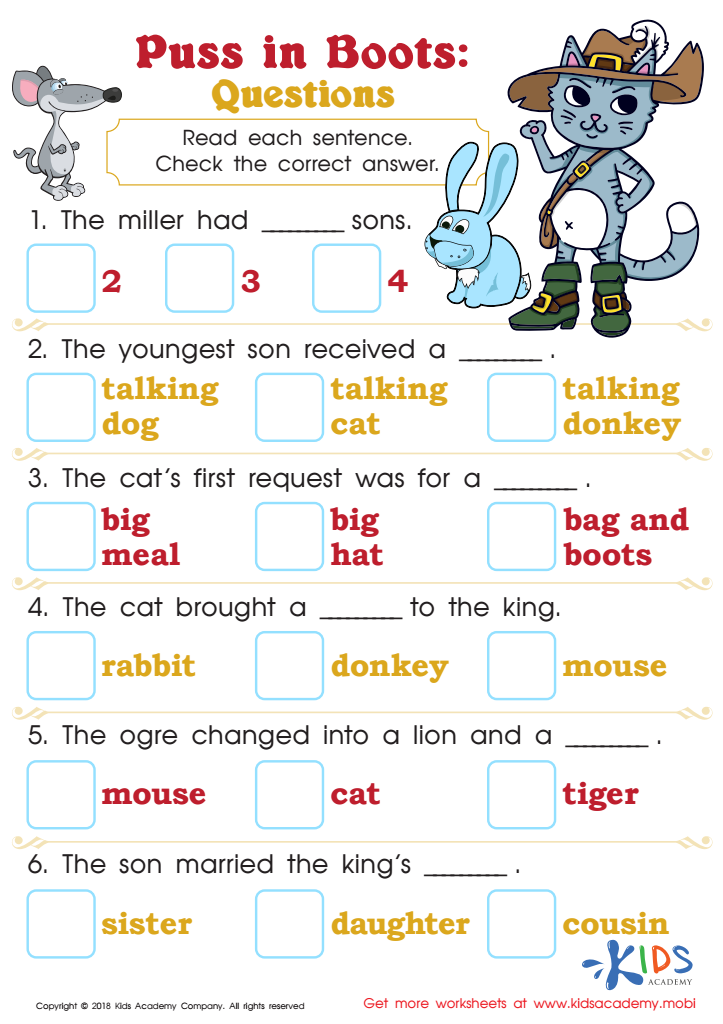
Puss in Boots: Questions Worksheet
This worksheet contains questions to be checked with boxes for the correct answers. It also has pictures of animals; ask kids to identify them, noting the objects with them. Read the questions and have kids provide the answers. Help them check the boxes for the right answer.
Puss in Boots: Questions Worksheet
Worksheet
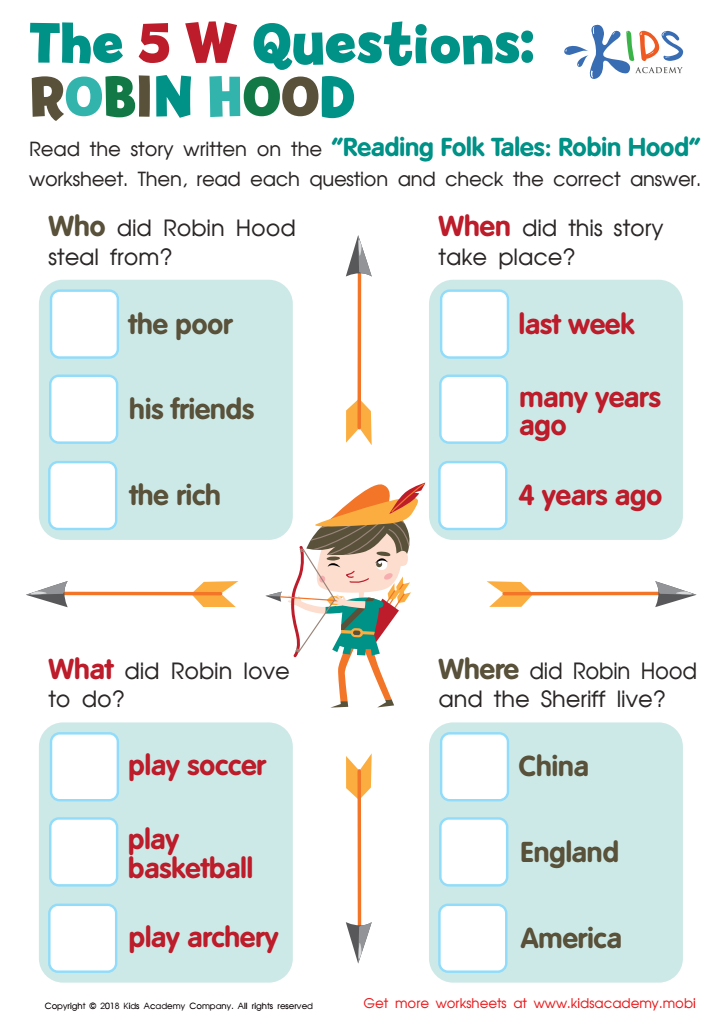
The 5 W Questions: Robin Hood Worksheet
Before embarking on this Robin Hood adventure, ensure your child reads and comprehends the 'Reading Folk Tales: Robin Hood' worksheet. Have them consider the story's lessons, and observe the details. Read the questions and help your kids select the correct answers.
The 5 W Questions: Robin Hood Worksheet
Worksheet
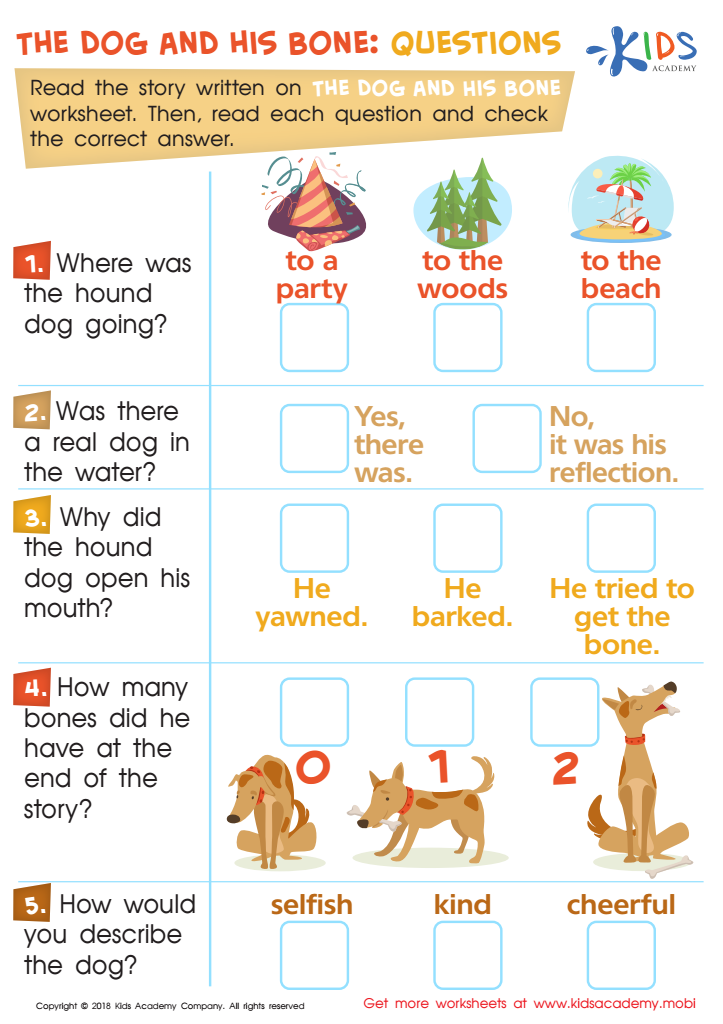
The Dog and His Bone: Questions Worksheet
Read the story of The Dog and His Bone to your child and help them understand it. Have them read it aloud if possible. Then, read the five questions on the worksheet and guide them to select the correct answers.
The Dog and His Bone: Questions Worksheet
Worksheet
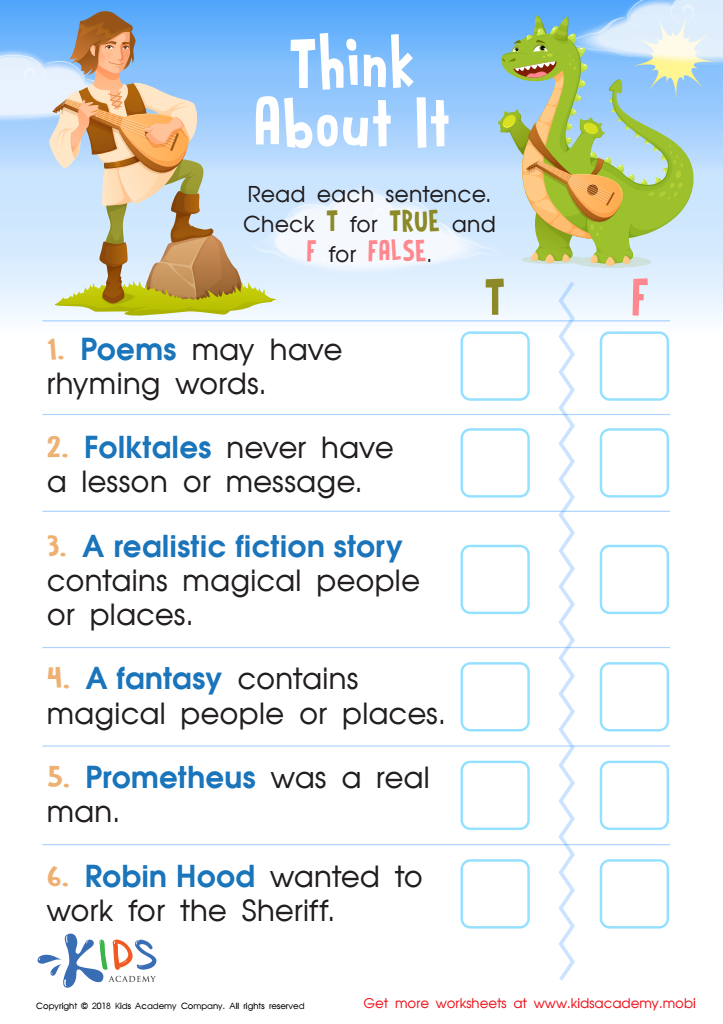
Think About It: Assessment Worksheet
Reading is a fun and important way to learn. Help your students become better readers with this simple yet colorful worksheet. Read each sentence aloud, then have them read it by themselves. Ask them to check T for True and F for False. It's a great way to practice their reading skills!
Think About It: Assessment Worksheet
Worksheet
Join Kids Academy for Free
Who is primarily going to use this learning content?







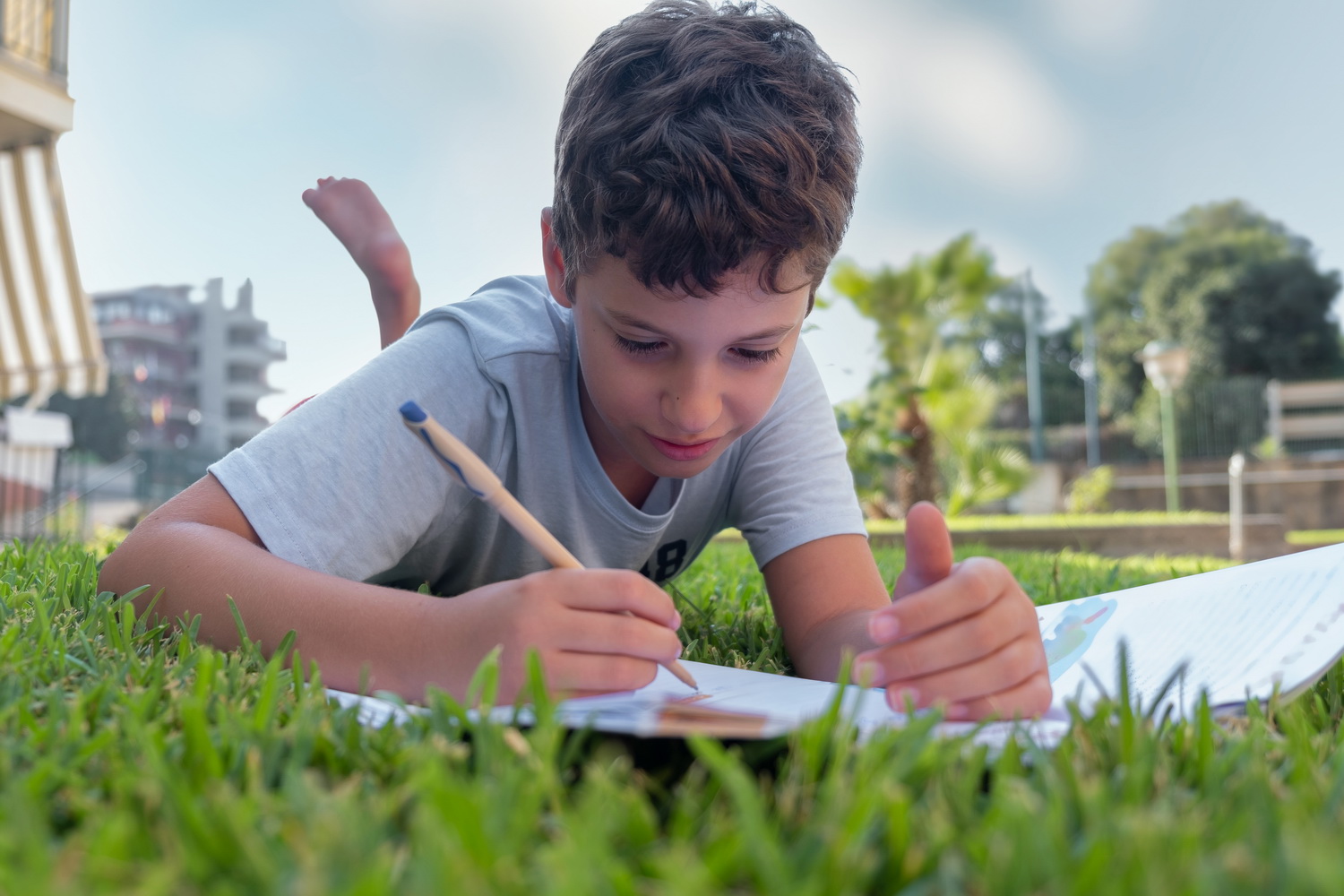
Parents and teachers should prioritize critical thinking in Grade 3 reading fiction because it equips children with essential cognitive skills that extend beyond the classroom. At this developmental stage, students are transitioning from learning to read to reading to learn. Encouraging critical thinking helps them understand and analyze a story's characters, plot, and themes, fostering a deeper appreciation of literature.
Critical thinking in reading fiction enhances comprehension and encourages children to make connections between the text and their own experiences. It teaches them to question narratives, understand different perspectives, and draw inferences, which are crucial for academic success and personal growth. Engaging with fiction critically also promises to elevate their empathy, as they explore various emotions and situations faced by characters, developing an enhanced ability to understand and respect diverse viewpoints.
Furthermore, honing these skills early sets a foundation for lifelong learning and problem-solving. Whether recognizing implicit messages in the text, evaluating the motives of characters, or predicting outcomes, such practices stimulate intellectual curiosity and resilience. This cognitive exercise not only improves reading proficiency but also prepares children to tackle real-world challenges with a thoughtful and innovative mindset.
By fostering critical thinking through fiction, parents and teachers help cultivate imaginative, informed, and reflective young individuals who are prepared for the complexities of life.