Problem-Solving Skills Grade 3 Reading Fiction Worksheets
3 filtered results
-
From - To
Enhance your Grade 3 students' reading comprehension with our engaging Problem-Solving Skills worksheets focused on fiction! These printable resources help young learners identify challenges within stories, analyze characters' decisions, and explore solutions effectively. By encouraging critical thinking and creative reasoning, our worksheets promote deeper understanding of story elements while making reading enjoyable. Each worksheet is thoughtfully designed to align with educational standards, making it perfect for reinforcing classroom lessons or independent practice at home. Immerse your students in captivating narratives as they develop essential problem-solving skills crucial for their academic growth. Explore our diverse collection and inspire confident young readers today!
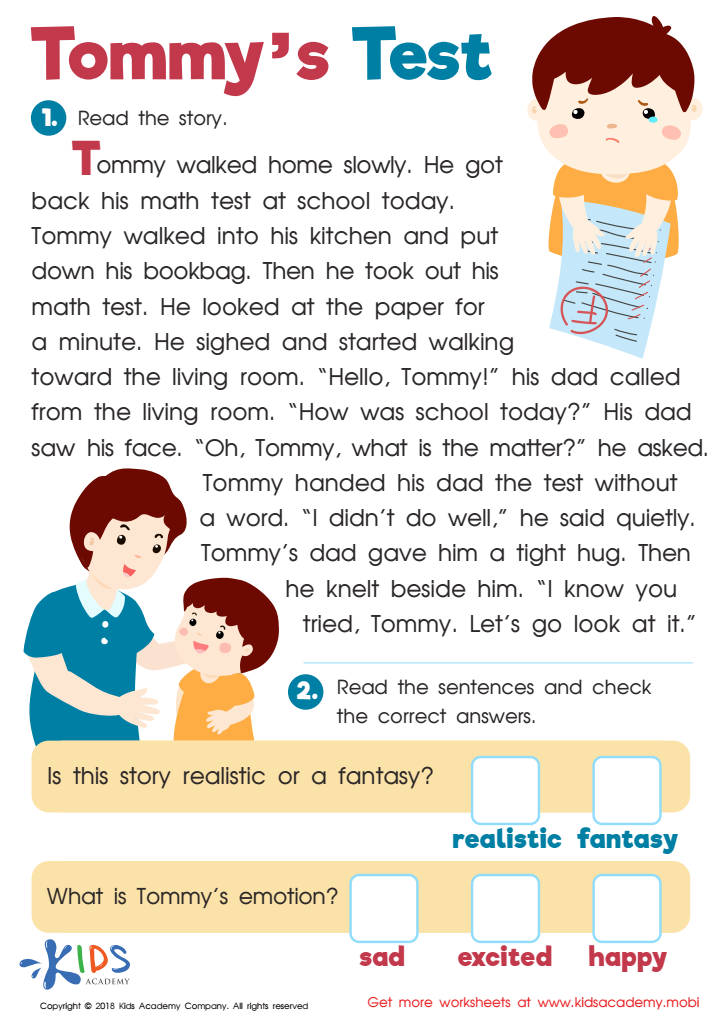
Tommys Test Worksheet
 Assign to My Students
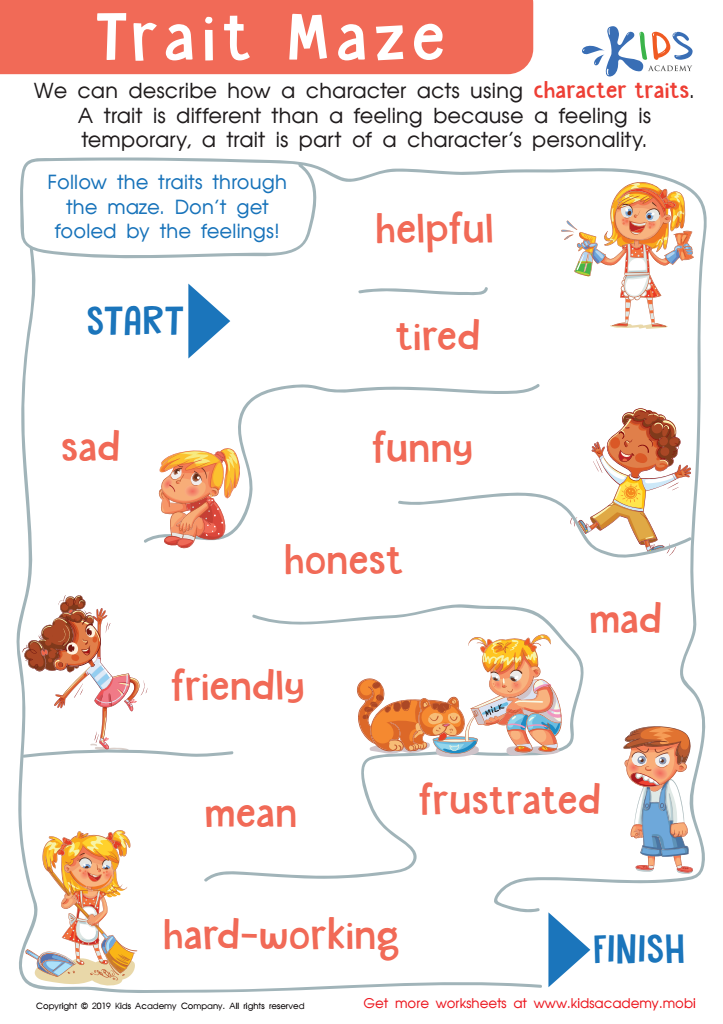
Trait Maze Worksheet
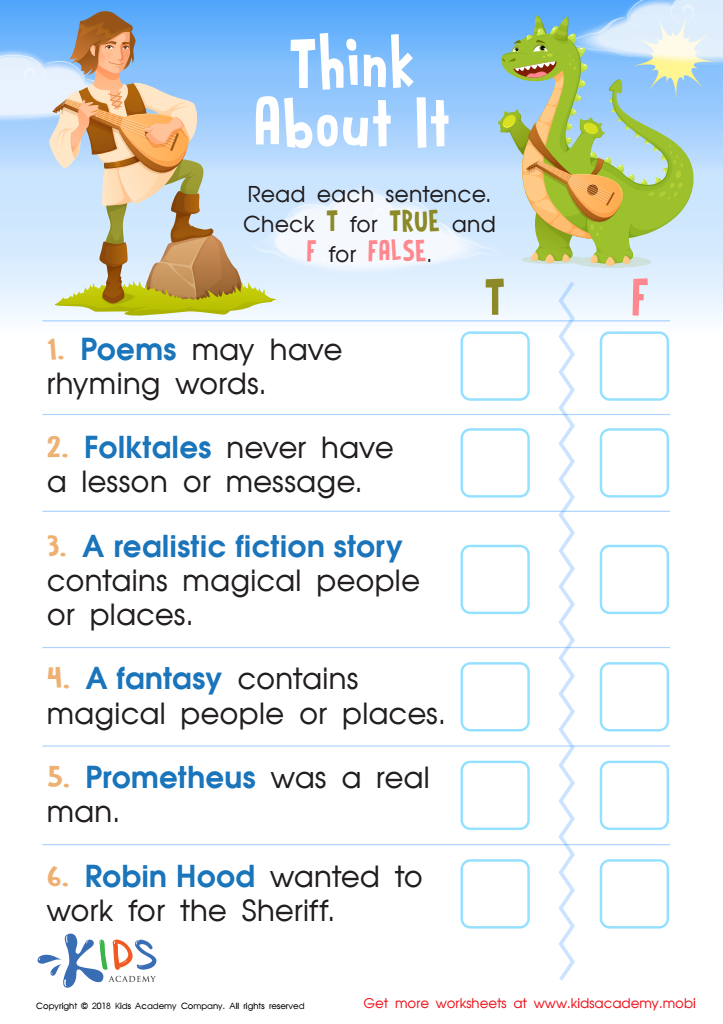
Think About It: Assessment Worksheet








Problem-solving skills in Grade 3 reading fiction are crucial for students’ overall development and academic success. At this stage, children begin to engage deeply with narratives, analyze characters, and understand conflicts within stories. Encouraging strong problem-solving skills through reading helps develop critical thinking and enhances comprehension abilities, allowing students to grasp underlying themes and messages in literature.
When students are taught to identify the problem a character faces and brainstorm solutions, they practice making connections between their experiences and the fictional worlds they explore. This process not only improves their analytical skills but also fosters empathy and emotional intelligence by allowing them to consider different perspectives.
Moreover, teachers and parents play a vital role in guiding discussions around stories. Engaging children in conversation about the dilemmas faced by characters fosters a sense of collaboration and encourages them to articulate their thoughts and ideas. This engagement helps students apply these skills beyond reading, improving their approach to real-life challenges. Ultimately, nurturing problem-solving abilities through Grade 3 reading fiction supports children's literacy, academic growth, and social-emotional learning, laying a strong foundation for effective communication and decision-making in the future.