Reading comprehension Grade 3 Reading Non-Fiction Worksheets
10 filtered results
-
From - To
Enhance your third grader's reading skills with our exceptional collection of Reading Comprehension Grade 3 Reading Non-Fiction Worksheets. These expertly designed printable activities help young learners understand and analyze informational texts. With engaging topics and diverse content, children expand their knowledge while mastering critical comprehension strategies. Our worksheets focus on key skills such as summarizing information, identifying main ideas, and interpreting details. Perfect for both classroom enrichment and at-home practice, these resources support students in becoming proficient readers and independent thinkers. Boost your child's confidence and proficiency in reading non-fiction with our comprehensive Grade 3 worksheets.
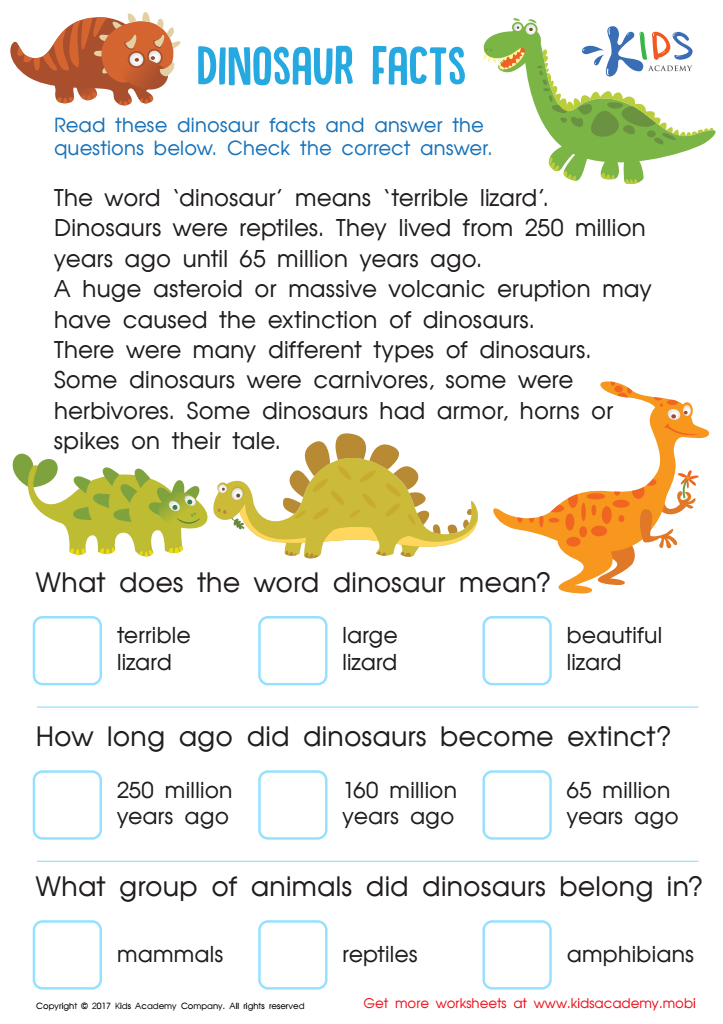
Dinosaur Facts Worksheet
 Assign to My Students
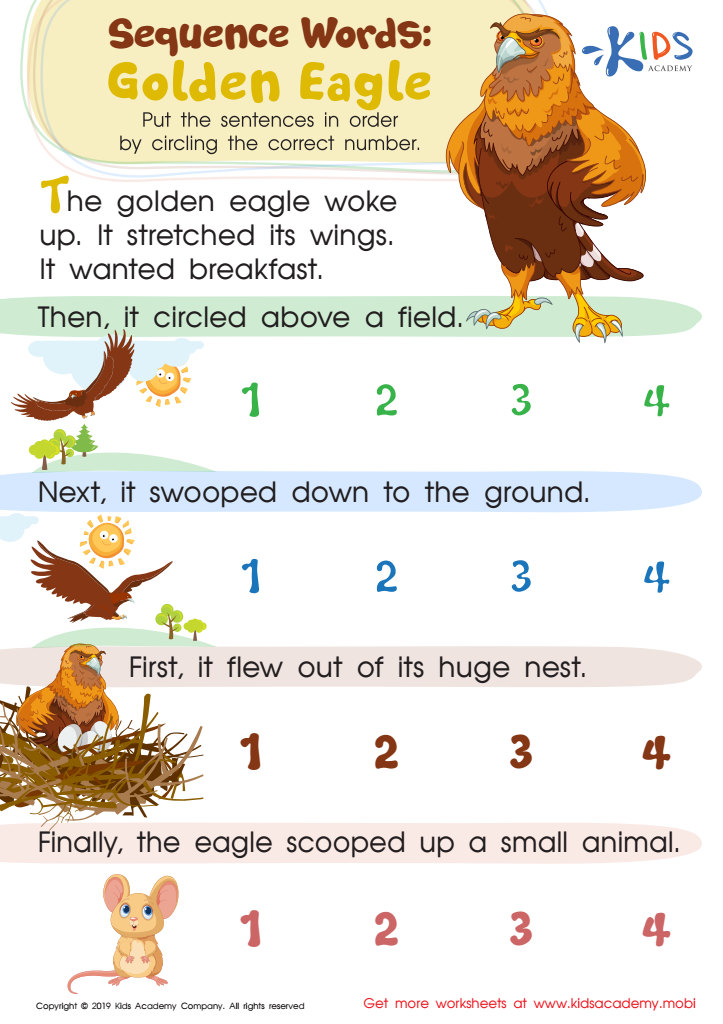
Sequence Word Eagle Worksheet
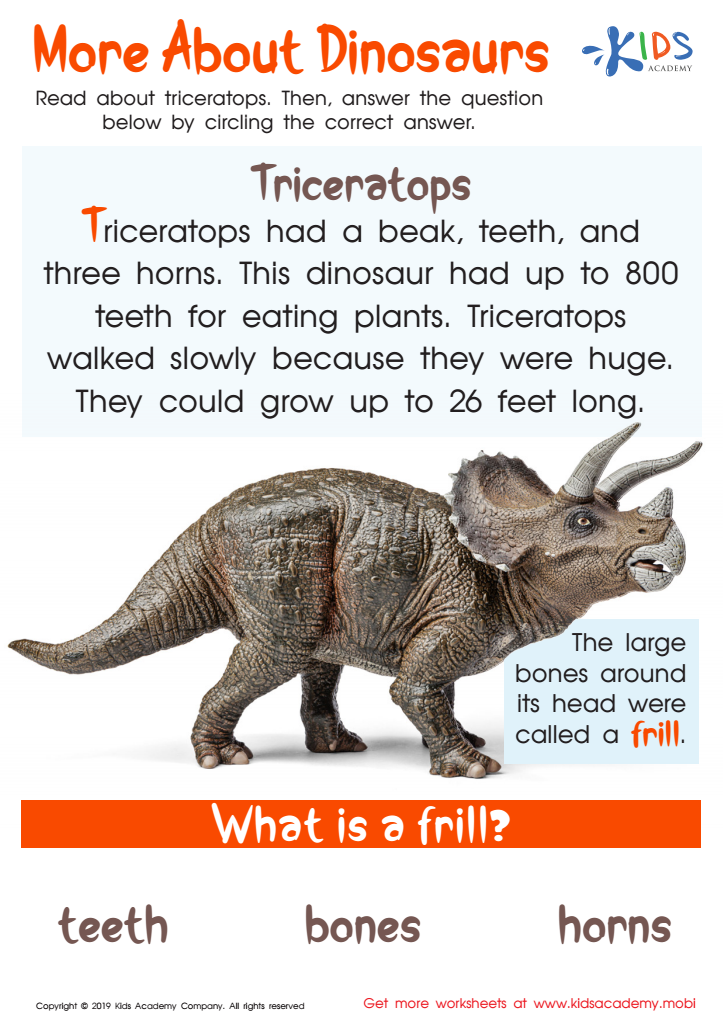
More About Dinosaurs Worksheet
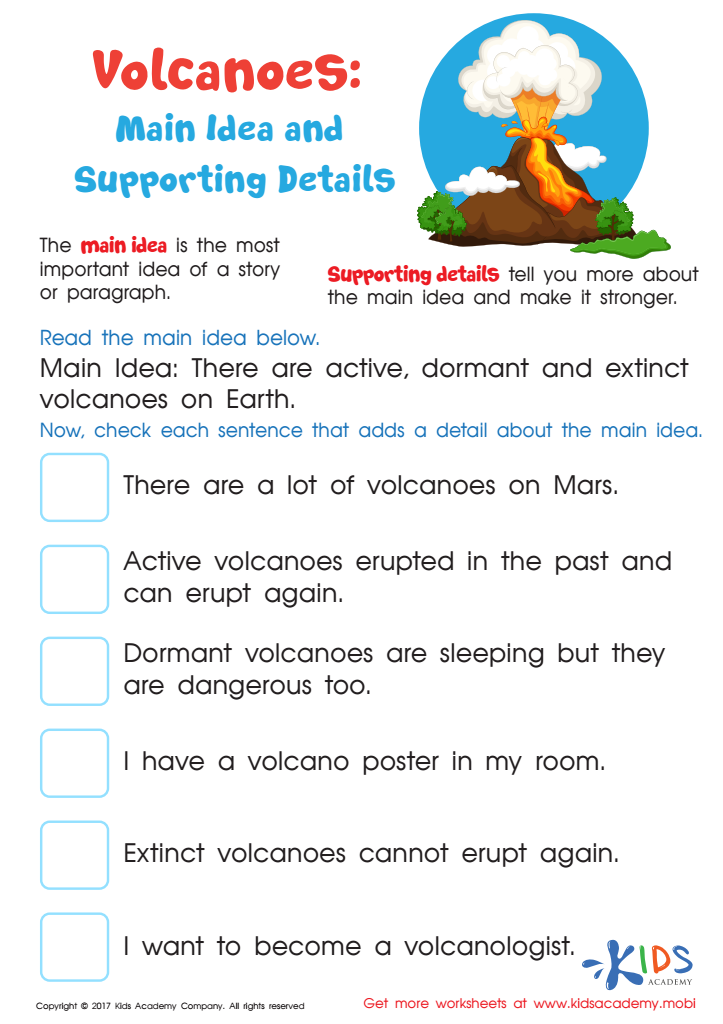
Volcano Facts Worksheet
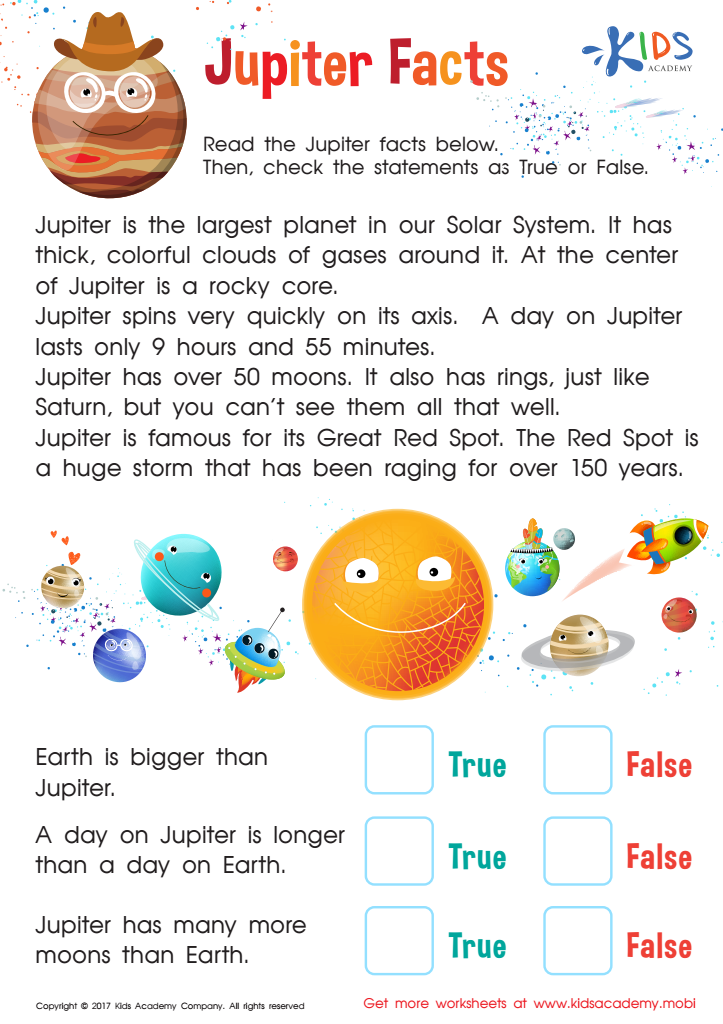
Jupiter Facts Worksheet
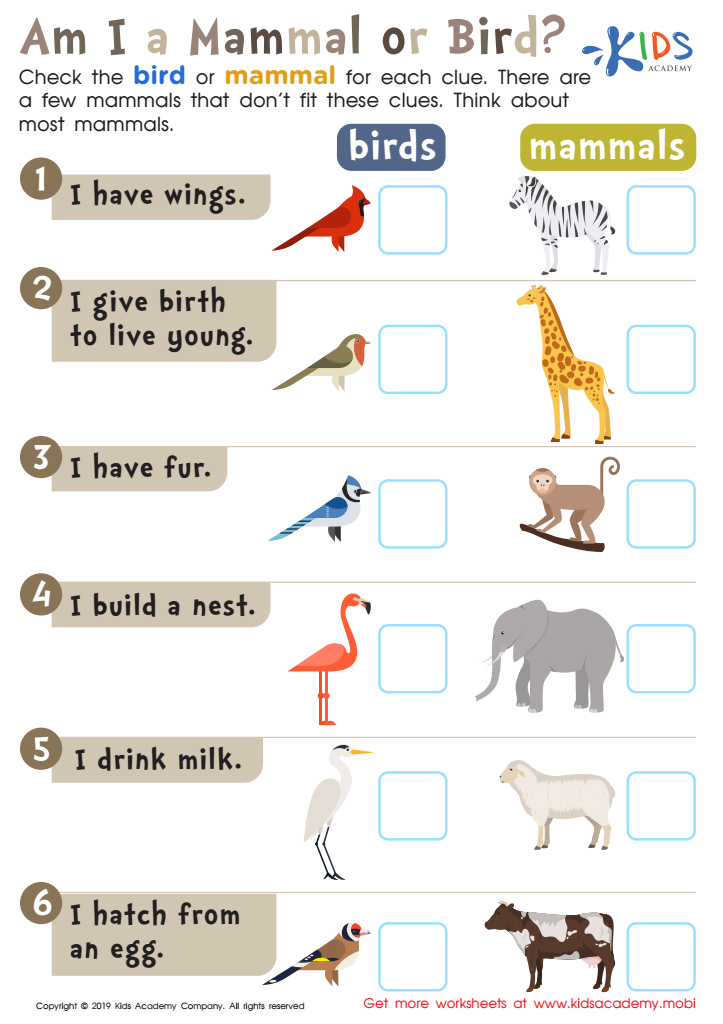
Am I a Mammal or Bird? Worksheet
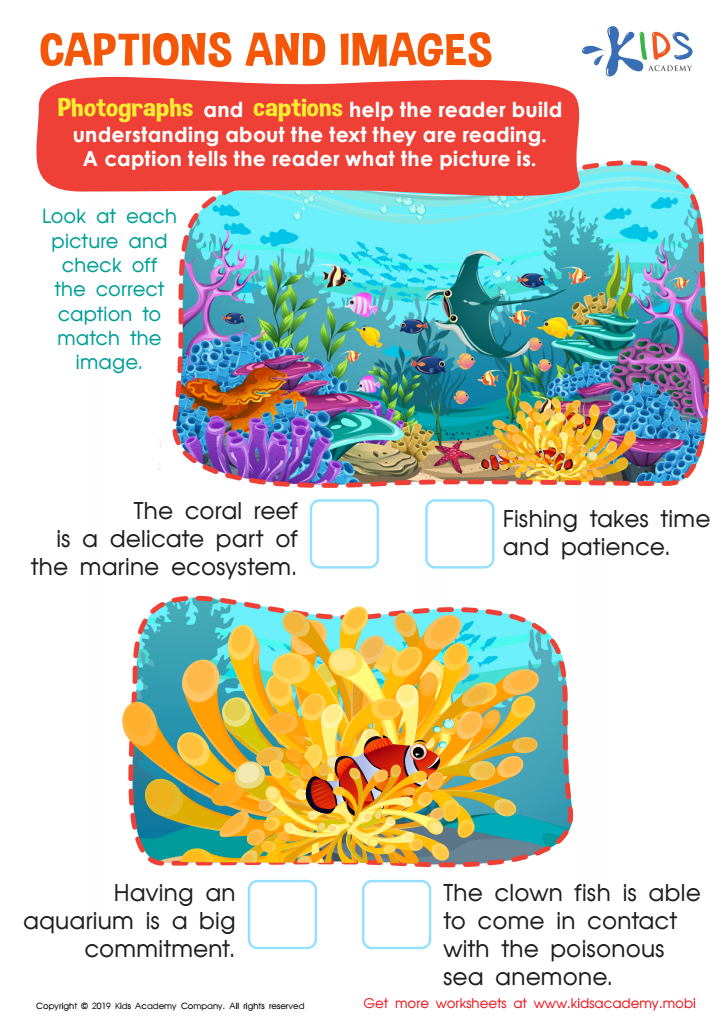
Captions and Images Worksheet
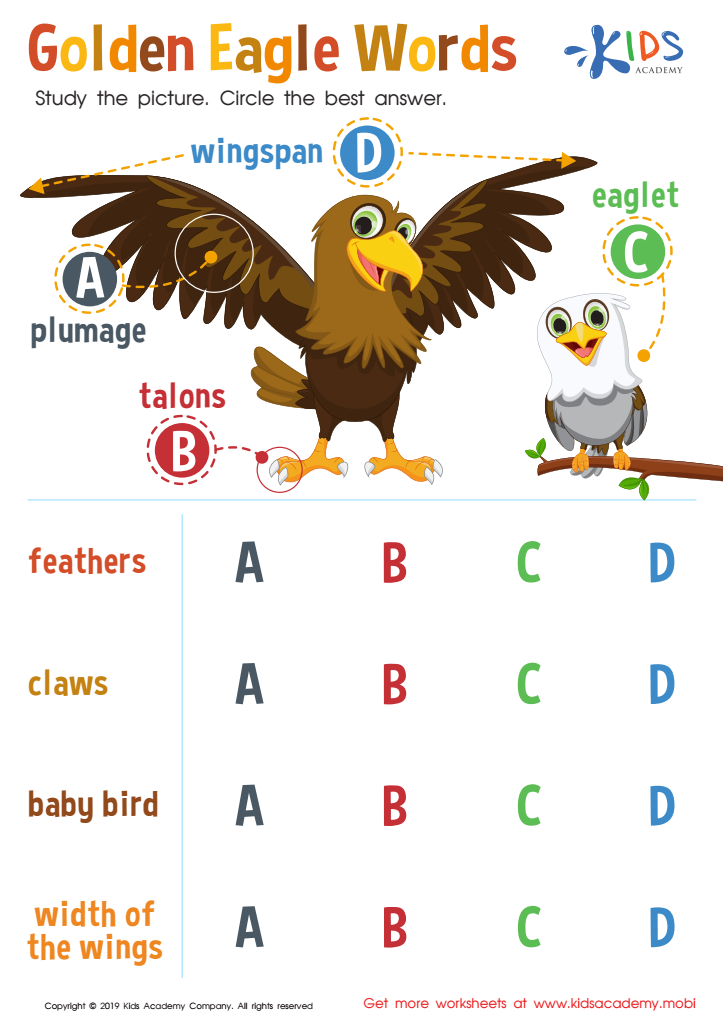
Golden Eagle Words Worksheet
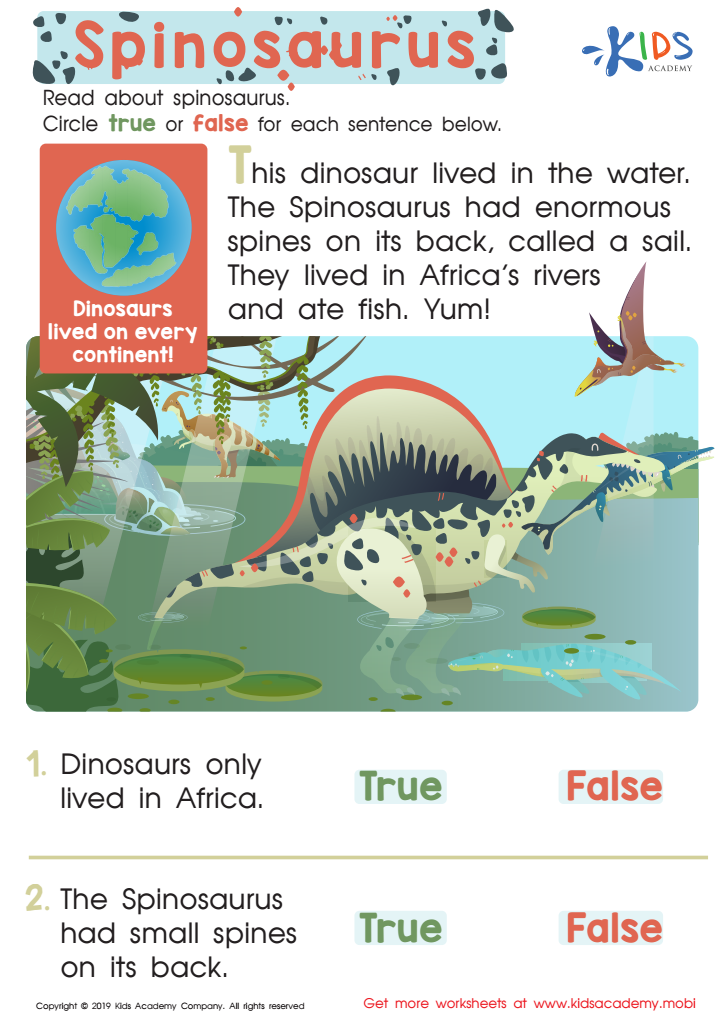
Spinosaurus Assessment Worksheet
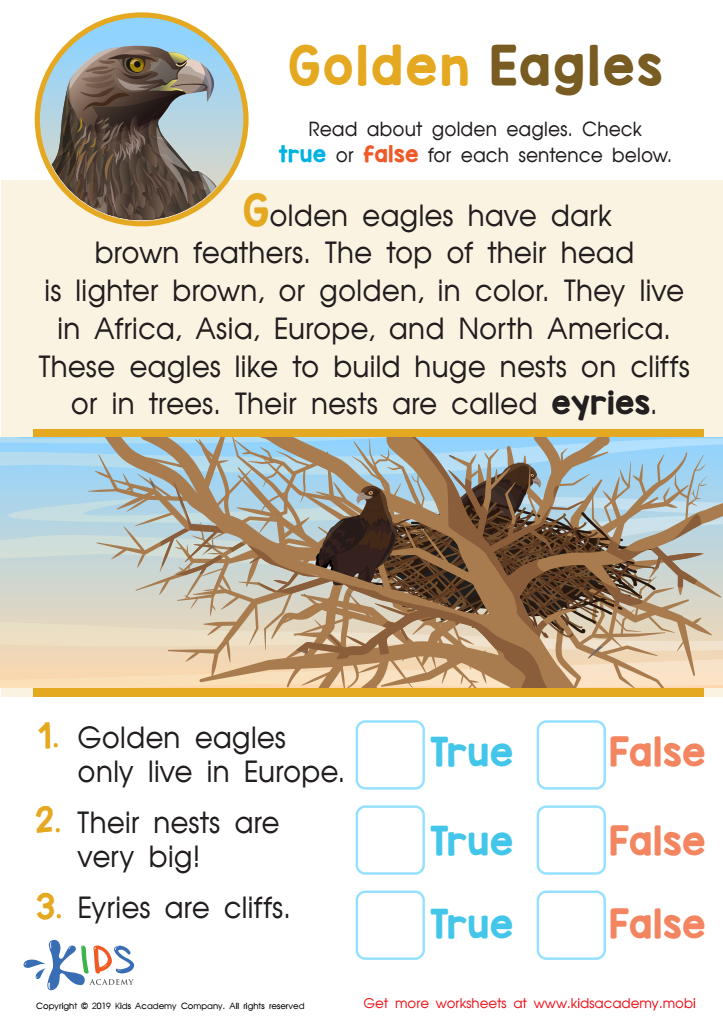
Golden Eagles Worksheet





Reading comprehension is a cornerstone of education, particularly at the Grade 3 level, a pivotal stage for young learners. Non-fiction materials play a critical role in this phase. Firstly, proficient reading comprehension impacts overall academic success. It helps students not only understand what they read but also enables them to analyze, synthesize, and apply information across various subjects.
When children grasp non-fiction texts, they open doors to real-world knowledge and practical information. They learn about diverse topics such as science, history, and geography, which nurture intellectual curiosity and critical thinking skills.
Furthermore, strong reading comprehension skills enhance communication abilities. Being able to understand and discuss non-fiction is foundational for clear expression and persuasive argumentation, skills essential for future academic and career success.
Caring about reading comprehension also addresses emotional intelligence. Understanding non-fiction can help students relate new information to their personal experiences, fostering empathy and a well-rounded worldview.
By prioritizing reading comprehension in Grade 3, parents and teachers lay down a strong educational foundation, promote lifelong learning, and prepare children for increasingly complex academic challenges. The emphasis on non-fiction ensures that students become well-informed individuals, ready to engage thoughtfully with the world around them.