For Parents


Making Halloween 2027 a Wholesome, Family-Bonding Experience
Oct. 7, 2026
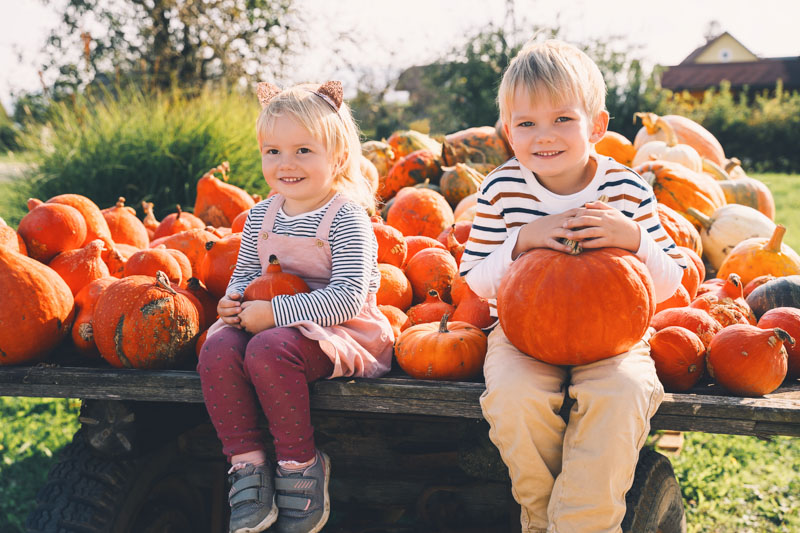
This Halloween, we’re sharing ideas on how to celebrate with your little learners in a more wholesome way. Make a paradigm shift by thinking about what you would like your children to learn and remember about your Halloween traditions. Join us as we discuss simple fixes, such as moving away from expensive, pre-made costumes, embracing traditions from across the globe, and getting more involved in the community to make it a holiday your family can bond over.
4 DIY Ideas to Make Your Halloween Extra Special
Oct. 7, 2026
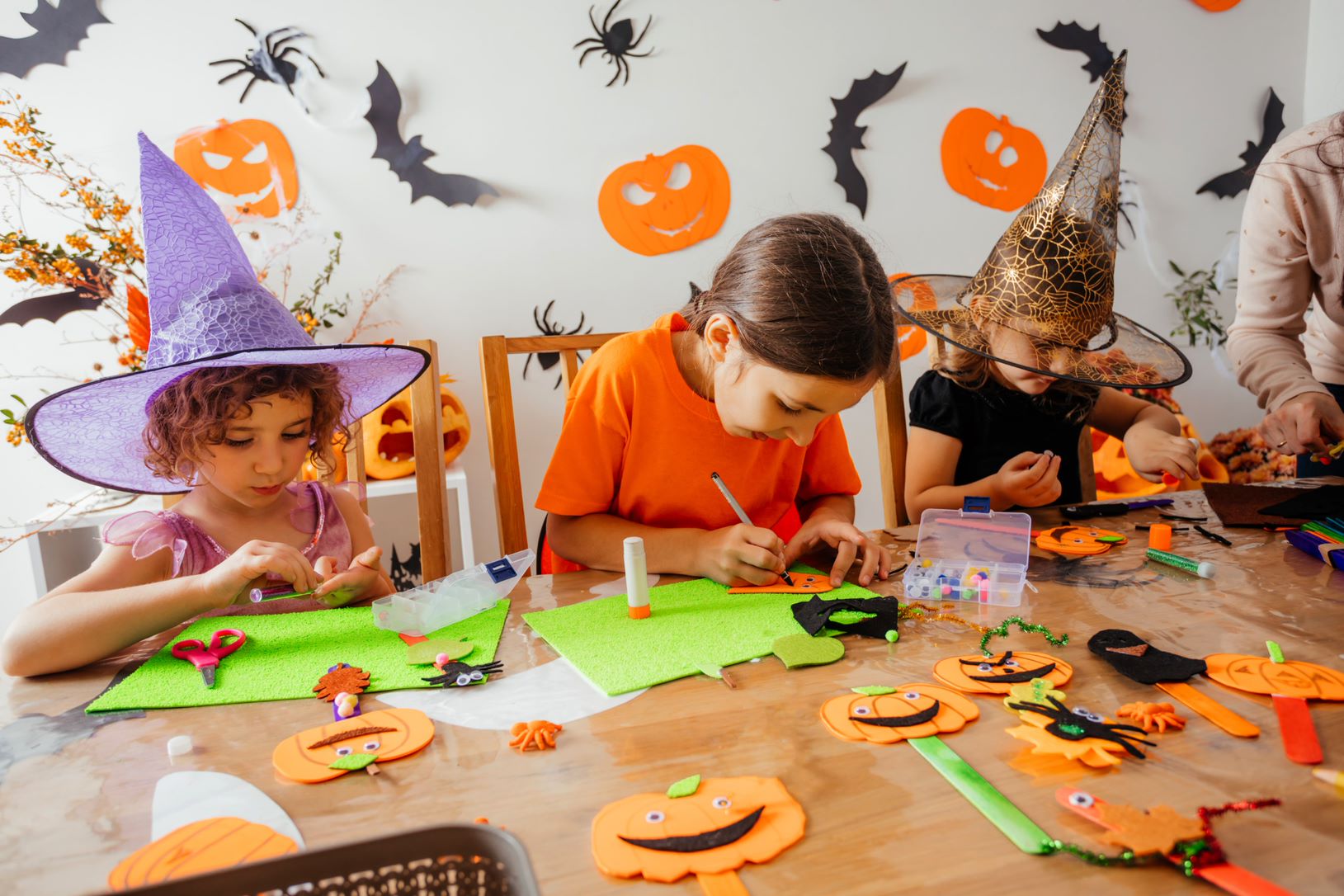
From Mexico’s Día de Los Muertos to China’s Teng Chieh Lantern Festival, cultures around the world commonly recognize a celebration in honor of the dead. In America, that holiday is best known as Halloween, and while it’s not a federally recognized holiday that results in a day off from school, it is a much-loved celebration that both kids and adults look forward to during the entire month of October.
Like many holidays, Halloween has evolved from ancient pagan customs, with this one originating in Ireland long ago. Samhain was a Gaelic religious festival that celebrated the end of the harvest season and to mark the beginning of winter.
ELA Skills Brush-Up with Kids Academy: Getting Ready for Third Grade
Aug. 4, 2026
The third grade represents a pivotal jump from second grade when it comes to literacy development. In the early elementary years, the focus is centered squarely around learning to read. But by the end of the second grade, something amazing happens; kids are equipped with all the necessary skills to read more independently. While they are still expanding their vocabulary and decoding larger words, they should be able to read grade level texts without much help. As a result, the third grade shifts the focus from learning to read to using reading as a tool for deeper learning.

Math Skills Brush-Up with Kids Academy: Getting Ready for Third Grade
July 20, 2026

As your child prepares to transition from second to third grade, it’s important to remember that there are many things that you can do at home to set them up for success in math. While many skills will be taught explicitly by your child’s teacher during the school year, there are important prerequisite skills that will give them a step up to starting third grade.
ELA Skills Brush-Up with Kids Academy: Getting Ready for Kindergarten
July 6, 2026
Entering kindergarten is an exciting milestone for both families and kids. Because it is seen as the first official year of formal schooling, the transition may seem a bit daunting. Even for children who attended preschool, kindergarten will feel different due to an increased focus on academics rather than just exploration and play. While preschoolers generally prepare through songs, read-alouds, and learning basic soft skills to manage behavior, there are specific early literacy skills they can strengthen to help them feel more confident and prepared.

How to Choose a Beneficial Summer Camp For Your Children
June 26, 2026
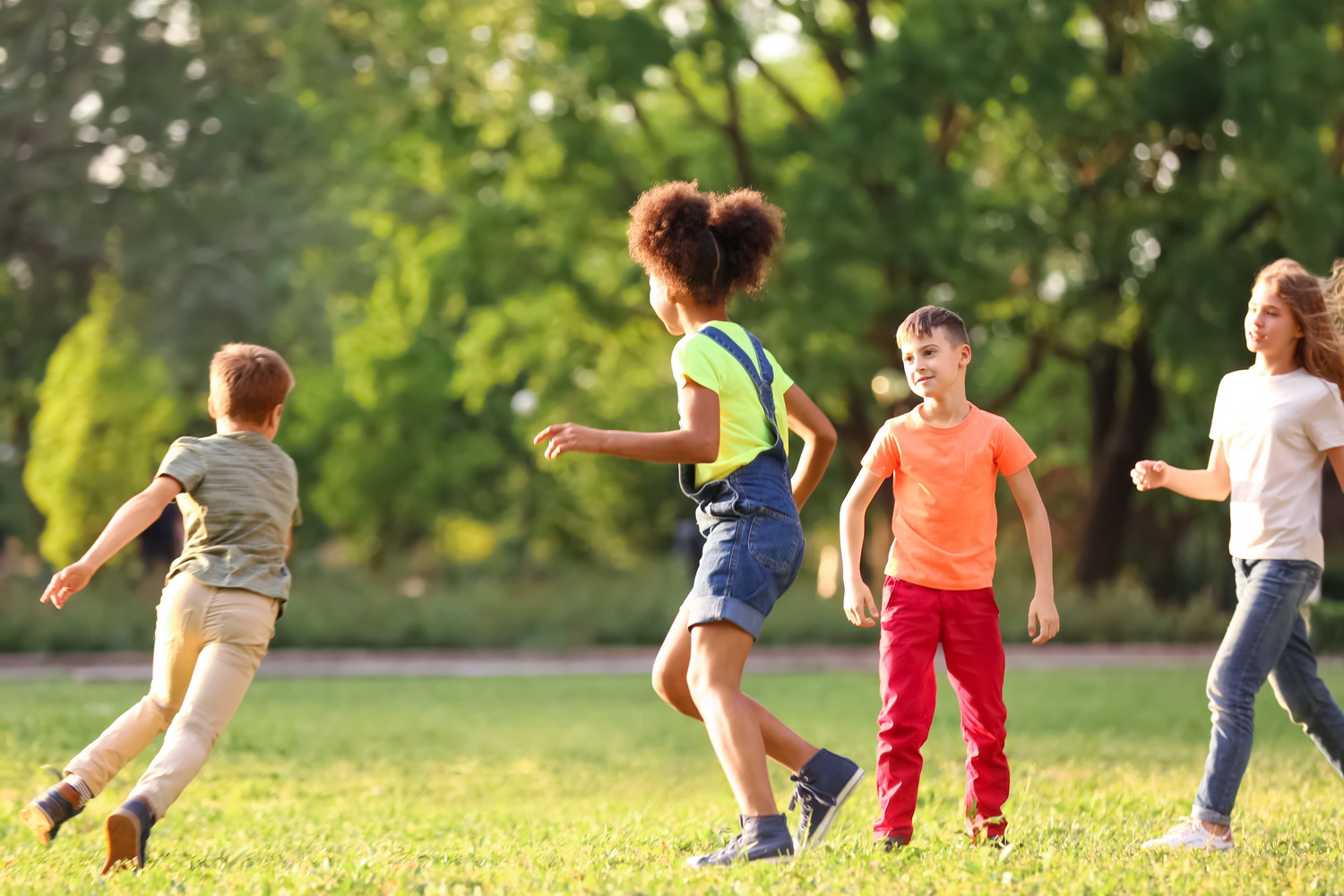
Elementary teacher Alison Carter gives advice on choosing the best summer camp for your child. It includes tips on camp types, costs, duration, inclusivity, activities, and other features to consider for an optimal combination of your child's leasure, learning and development during summertime.
Math Skills Brush-Up with Kids Academy: Getting Ready for Kindergarten
June 17, 2026

As your child prepares to enter kindergarten, it’s important to remember that there are many things that you can do at home to set them up for success in math. While many skills will be taught explicitly by your child’s teacher during the school year, there are important prerequisite skills that will give them a step up to starting kindergarten.
In this article, we’re covering all the math skills your child can master to be 100% ready for school. You’ll also find links to free learning resources that will help you in preparing your child for kindergarten math.
Recognizing and Counting Syllables in Grades 1-3
June 3, 2026
Syllable awareness is a foundational early literacy skill that directly relates to a child’s later ability to decode words and build reading fluency. Think of syllable recognition as a way to learn the sound structure of words so they can one day read new words quickly, even if they don’t know what they mean. Once fluent in reading, older readers use more advanced skills, like using context clues, to learn even more sophisticated words. As you can see, syllable awareness is just one of the first critical steps in the long journey towards reading like an adult!
Teaching First Graders How to Use Function Machines to Determine an Unknown Number
May 20, 2026

By the end of first grade, students should be able to determine an unknown whole number in an addition or subtraction equation relating three whole numbers. As students begin understanding addition as part plus part equals total and subtraction as total minus part equals part, they can begin to see patterns emerge in the relationships between numbers in equations. While an explicit naming of inverse operations does not occur until later grades, students begin to see that using a subtraction fact to determine the missing number in an addition problem (and vice versa) is an effective problem-solving strategy.
How to Create a Beneficial Home Environment for a Child with ADHD
May 14, 2026
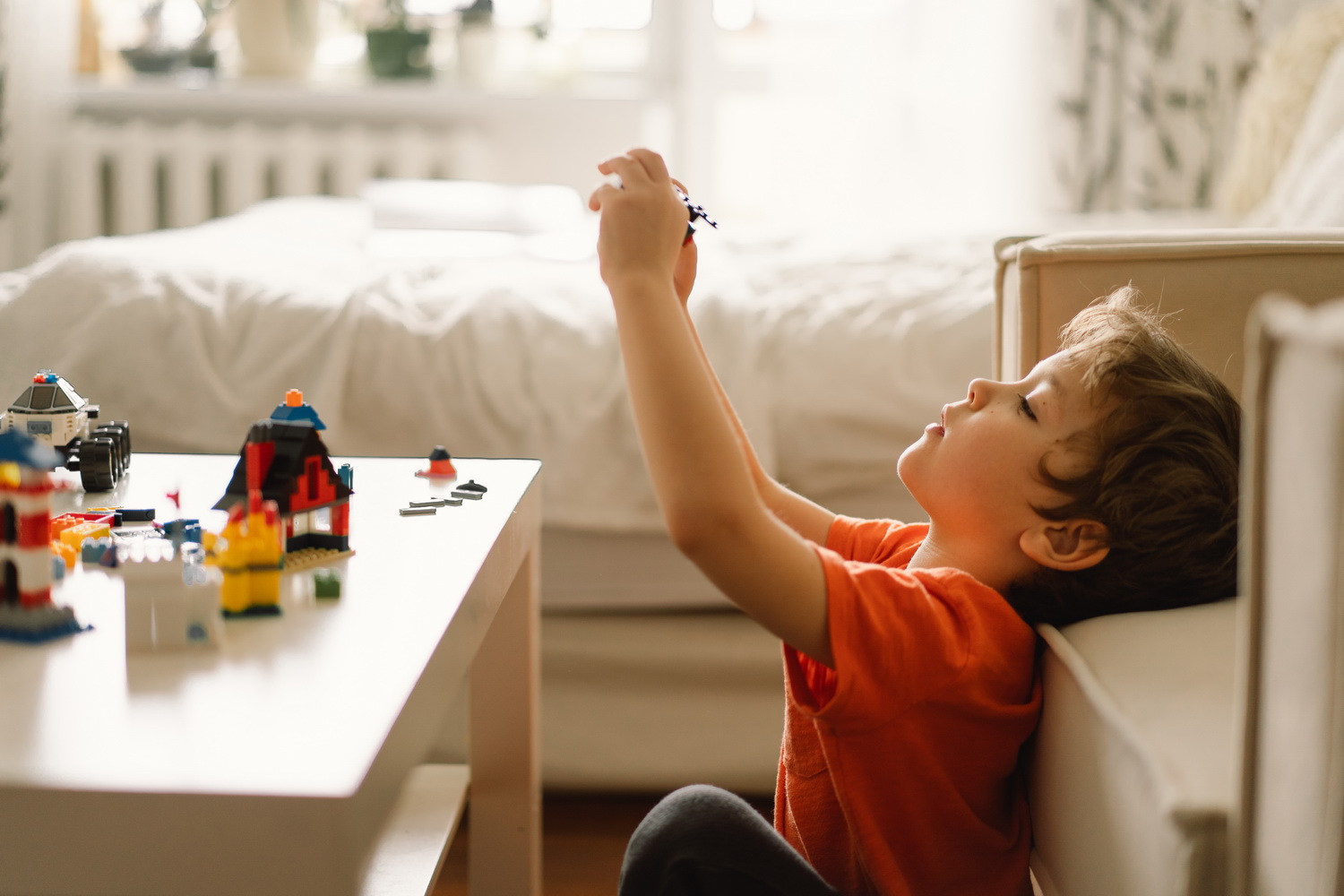
One of the challenges for those living with ADHD is processing and managing stimuli, which can often lead to overstimulation. According to the UK organisation ADHDZone, those with ADHD can experience overstimulation as a flooding sensation due to specific sensory input. This can be from a variety of noises, lighting, too many people, fatigue, different emotions or mental overload.
This article will dive a little deeper into the causes of overstimulation in children with ADHD, and explore key techniques to reduce it during home life.


