ELA & Social Studies Articles - Page 4


Thanksgiving Activities with Kids Academy
Nov. 22, 2022
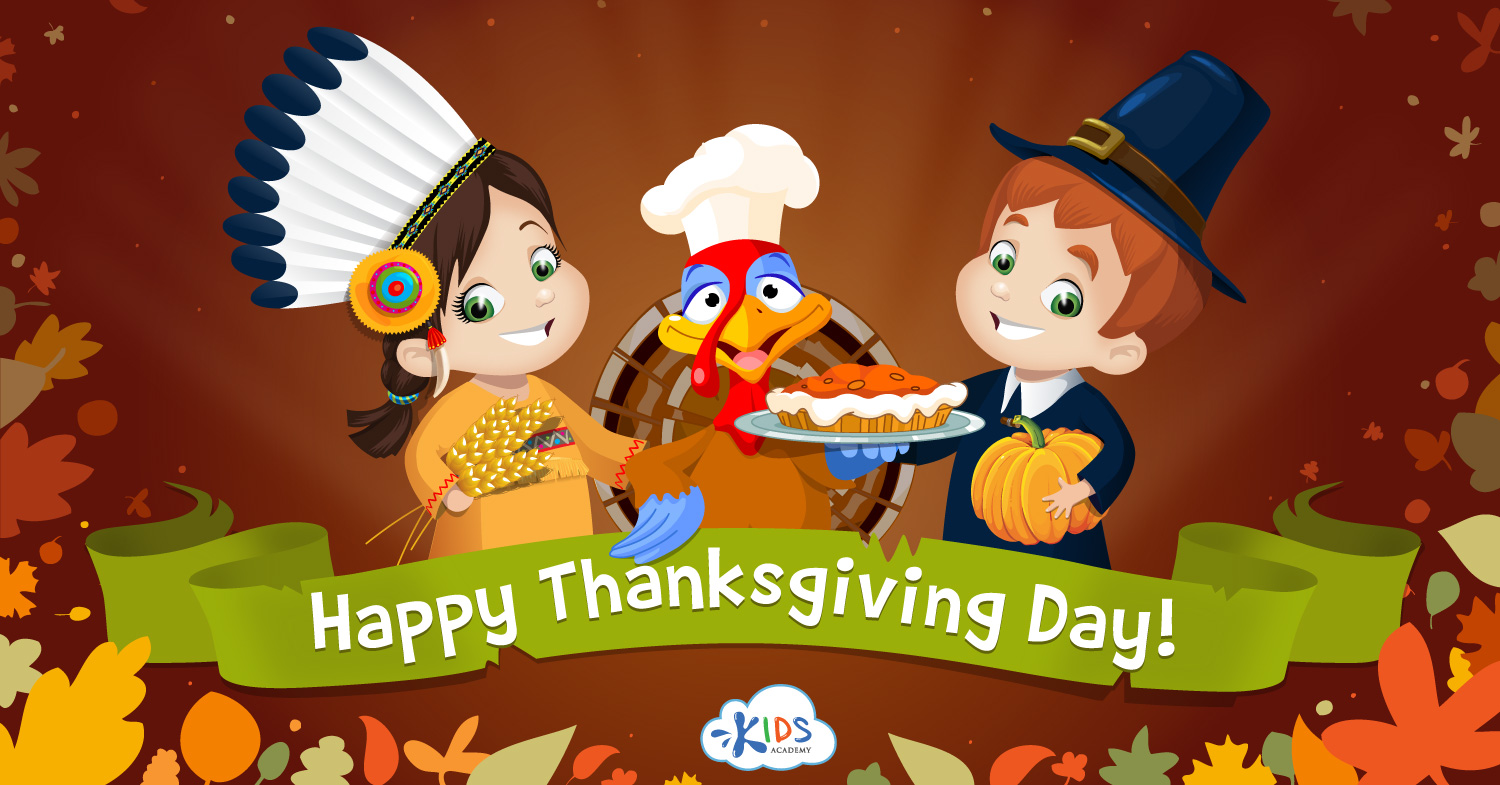
Thanksgiving is a special day to express gratitude for different things we have in life — both material and not. Children eagerly enjoy this precious holiday when families get together, prepare a hearty meal and cherish their traditions by telling each other stories of the old days or go out to watch a festive parade.
Teach and Learn to Compare
July 25, 2022
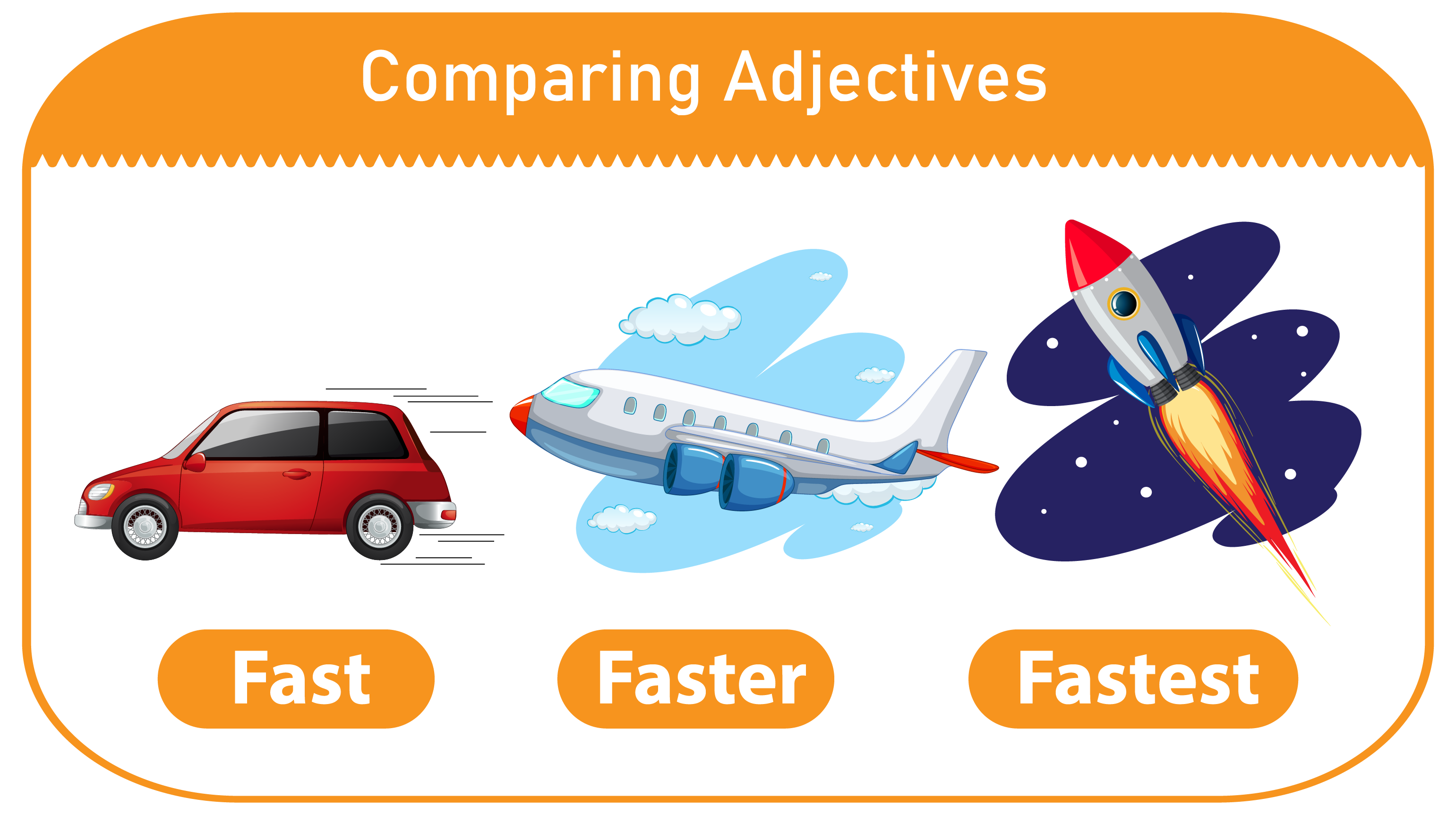
From youth, kids frequently make correlations, on account of which they can recognize their most loved toys, shoes, or even places. For this, comparatives and exemplifications are typically utilized, which lay out contrast and sort out the things with which kids cooperate consistently. These kinds of words work with correspondence since they lay out contrasts or similitudes between specific gatherings of articles, individuals or creatures, giving more data about them. Be that as it may, similar and standout descriptors in English have various purposes and are framed in various ways.
The 4th of July: An American Independence
July 1, 2022

Independence Day is one of the most celebrated American holidays that is often accentuated by colorful parades during the day and gleaming fireworks at night. As much as the 4th July marks a very significant part of American history, a lot of kids these days know very little as to what it really stands for. Through this article, you can take your kids on a short trip down memory lane that spans centuries of symbolic struggle and perseverance.
5 Ways to Prevent Summer Reading Loss
June 12, 2022

Summer break gives both kids and teachers much-needed rest, but it doesn’t come without a cost. Researchers know that kids lose about a month of learning by the time they arrive back in the classroom in the fall! Known as the summer slide, this phenomenon have been plaguing kids and robbing them of their learning gains. Since reading is important to all subjects, it’s important that kids don’t fall behind during the summer months. This article will discuss the importance of summer reading, and how to engage your kids in reading this summer!
Grade 3. Building Vocabulary. Synonyms and Antonyms.
June 1, 2022

You’ve heard the proverb “A child who reads is an adult who thinks.” Indeed, reading develops critical thinking, and critical thinking is arguably a key skill for future success in life. Third grade is a pivotal time for developing your child’s reading skills. You may have noticed that your child’s interest in reading has changed: he chooses books by topic, he expresses interest in fiction and non-fiction books, or he selects books that are longer. This is because third-grade students begin to switch from “learning to read” to “reading to learn.”

How to Develop Child's Speech at the Age of 3-4. Tips for Parents. Methods, Techniques and Educational Games.
May 19, 2022

The child begins his or her acquaintance with the surrounding world due to their speech. Every year this acquaintance becomes more intense and filled. It is important that children`s speech development should take place promptly. It should be driven in accordance with the norms that can be traced at a certain age level.
The child needs help in order to master their speech fully. Some ways and methods of developing speech skills in early preschool age are also available to parents. These ways and methods are simple and effective. They are not difficult to master on their own.

Writing Benchmarks for First Graders
April 4, 2022

Watching your little ones flourish is a real joy. As supportive parents and caregivers, ensuring children develop in line with expected milestones can be a little overwhelming. This can especially be the case when monitoring a youngsters' handwriting skills because every child develops at different speeds. Therefore it can be confusing to ascertain what skills they should be exhibiting at what stage.
Dyslexia: Some Manifestations and Techniques of Its Overcoming
Feb. 22, 2022

Sometimes in the process of learning reading a child experiences various difficulties. They do not disappear "by themselves" in the course of time. The difficulties remain at the same level (even in several years of learning). And the child's reading speed rarely reaches the level of the 2nd grade.
If a child preserves the general ability to learn, but the ability to master skills is disrupted, specialists talk about possible manifestations of dyslexia.
Writing Benchmarks for 3rd Graders
Feb. 21, 2022

As children mature in age, their handwriting capacity tends to mature with them. As a result, as time passes the focus of a child’s writing development and progress focuses less on the mechanics of handwriting and more on their stylistic, expressive and technical writing abilities.
With this in mind it is important as caregivers and teachers that we facilitate a child’s continued handwriting development around these ages, as well as support the ways they use their writing to express themselves, explore their individuality and to comprehend the world around them.
Grammar. Parts of Speech for 2nd Grade. Collective Nouns and Reflexive Pronouns.
Jan. 20, 2022

A collective noun is a noun that pertains to a group, which can either be taken as singular or plural depending on whether the members are doing the same thing at a particular time or not. If the members are into one task, the collective noun is taken as singular; if they are not united in doing an action, this noun is considered plural.