Teaching & Homeschool Articles



Place Value with Base Ten Blocks and Ten Frames for 1st Grade
Feb. 9, 2026

Being an educator that has taught lower and upper grades math subjects, it was very noticeable that place value is one of the most important math concepts students need to understand. It supports future skills like addition, subtraction, and understanding larger numbers. First grade is when place value is learned as a foundational skill. At this age, many children can count well, but place value teaches them that numbers are made of groups, not just counted one by one.
Essential Reading Comprehension Skills for 3rd Grade
Jan. 21, 2026

During the 3rd grade, reading instruction reaches a critical juncture in which students use their acquired reading skills as a tool for learning across all subject areas. In a recent article, we talked about how children strengthen their skills during the 1st grade and begin making that transition in grade 2. This becomes even more important in the 3rd grade as they are expected to begin developing text analysis skills.
If you’re wondering about what you can do to help boost your 3rd grader’s reading comprehension to enhance their learning, join us as we explore some of the most critical aspects to focus on to help foster those important skills.
Simple Strategies to Boost Your Second Grader’s Reading Comprehension
Jan. 13, 2026

Second grade is a critical year for young readers; by the end of first grade, reading acquisition is well underway, and students must make the transition from learning to read to reading to learn. In other words, children must be fluent enough to move beyond merely decoding words so they may read and learn information across all subject areas.
So, what can parents and teachers do to boost their second graders’ comprehension skills? Focus on the following specific strategies to build and foster strong reading comprehension throughout grade two.
Helping Kids with Homework: The Do’s and Don’ts
Dec. 5, 2025
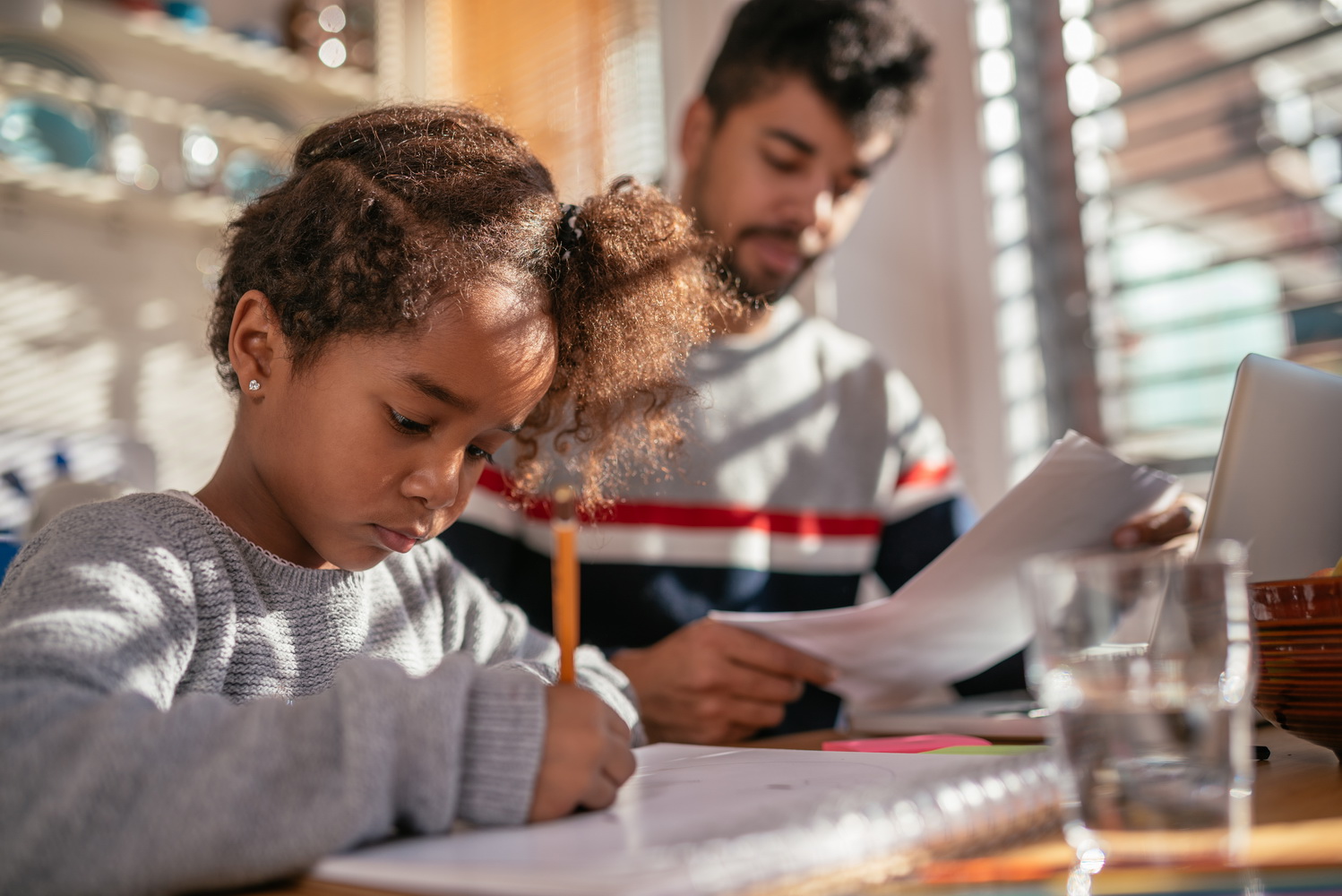
As kids grow up and progress through elementary school, homework becomes a reality of everyday family life. Whereas toddlers and preschoolers learn for fun and enrichment, the activities and work a school-aged child brings home becomes an obligation; one that often becomes more challenging as they grow older.
In this article, you'll a list of do’s and don’ts to better guide your family’s homework sessions in a way that avoids common pitfalls while learning how to support your kids’ education in the very best way.
Pronouns for Grade One: Indefinite, Personal, and Possessive
Oct. 17, 2025
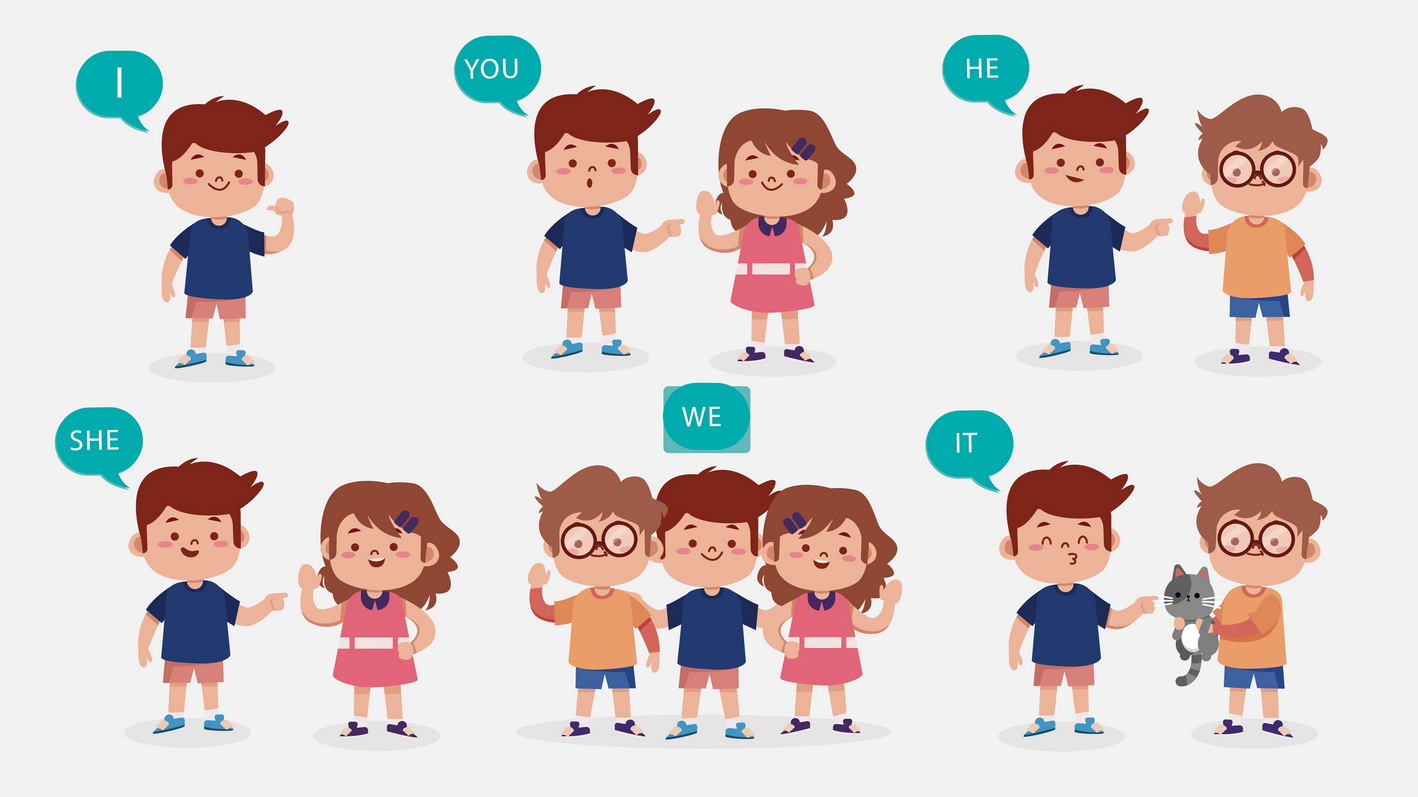
When introducing pronouns to first graders, be prepared to deal with some confusion. Students will need to make sense of the different categories of pronouns, and all the words that fall within each group, which could make pronouns looks like a big intimidating topic. However, often little learners get to love pronouns realizing that they function almost like a shortcut. Instead of repeating someone’s name over and over, one can just use a small word called a pronoun!
In this article we review the theory on each type of pronouns relevant for Grade 1 and offer some free interactive learning resources for your students to practice this topic.
End Punctuation Explained for 1st Grade
Sept. 24, 2025
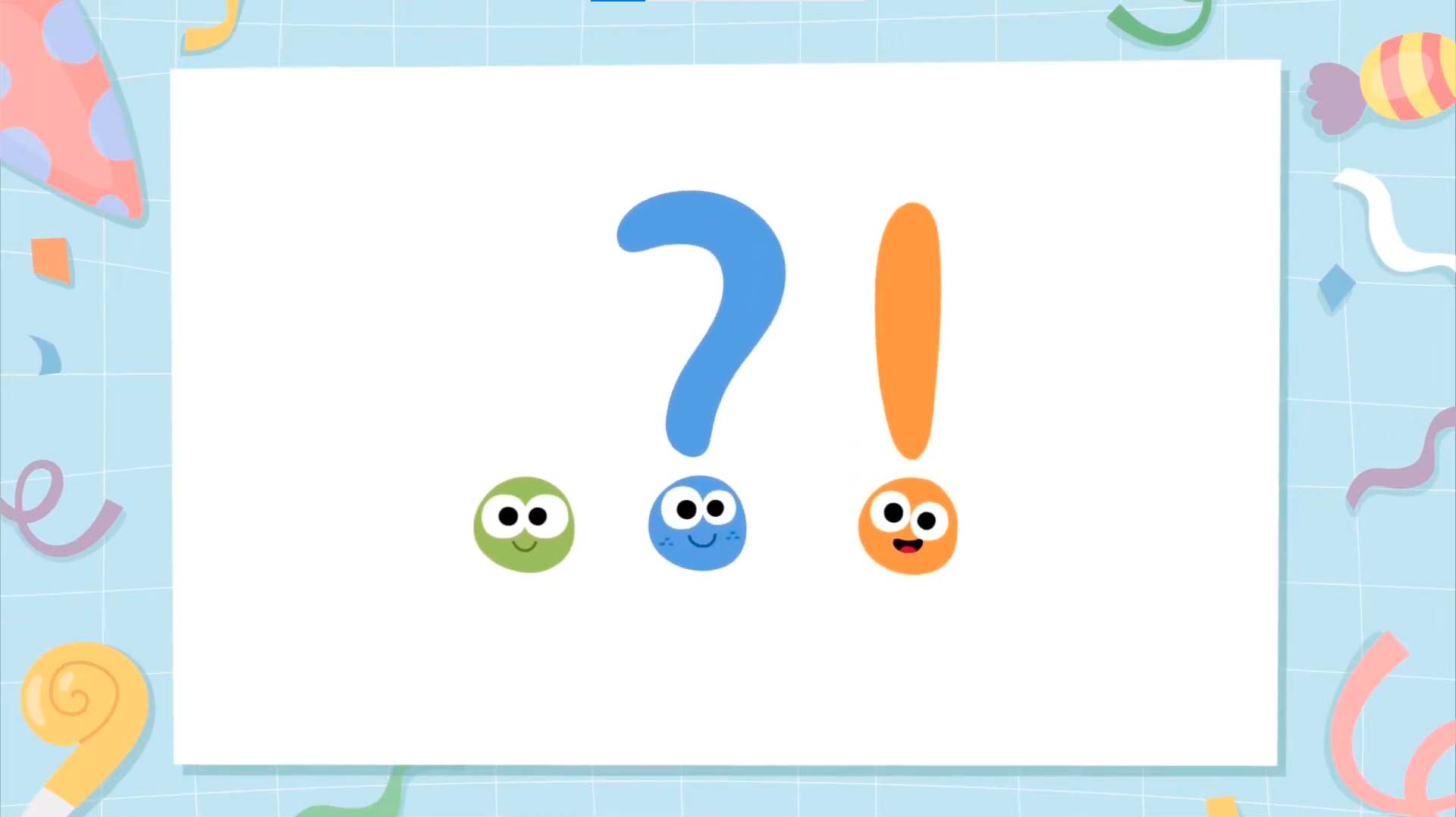
If you’ve ever read a social media post in which a user leaves out punctuation, then you know exactly how frustrating it is to make sense out of the words on the screen. That’s because punctuation is at the very core of effective written communication. Without it, readers often struggle to make sense of the writer’s words and intentions. Punctuation allows sentences to form complete thoughts and signal whether the writer is making a statement, asking a question, or conveying emotion.
Because it’s so vital to clear communication, children begin learning about the simplest forms of punctuation as they learn to write sentences and questions. In general, first graders typically begin by learning how to use end punctuation.
Capitalization for Grade 1: Dates, Names, and Beginning of Sentences
Sept. 17, 2025
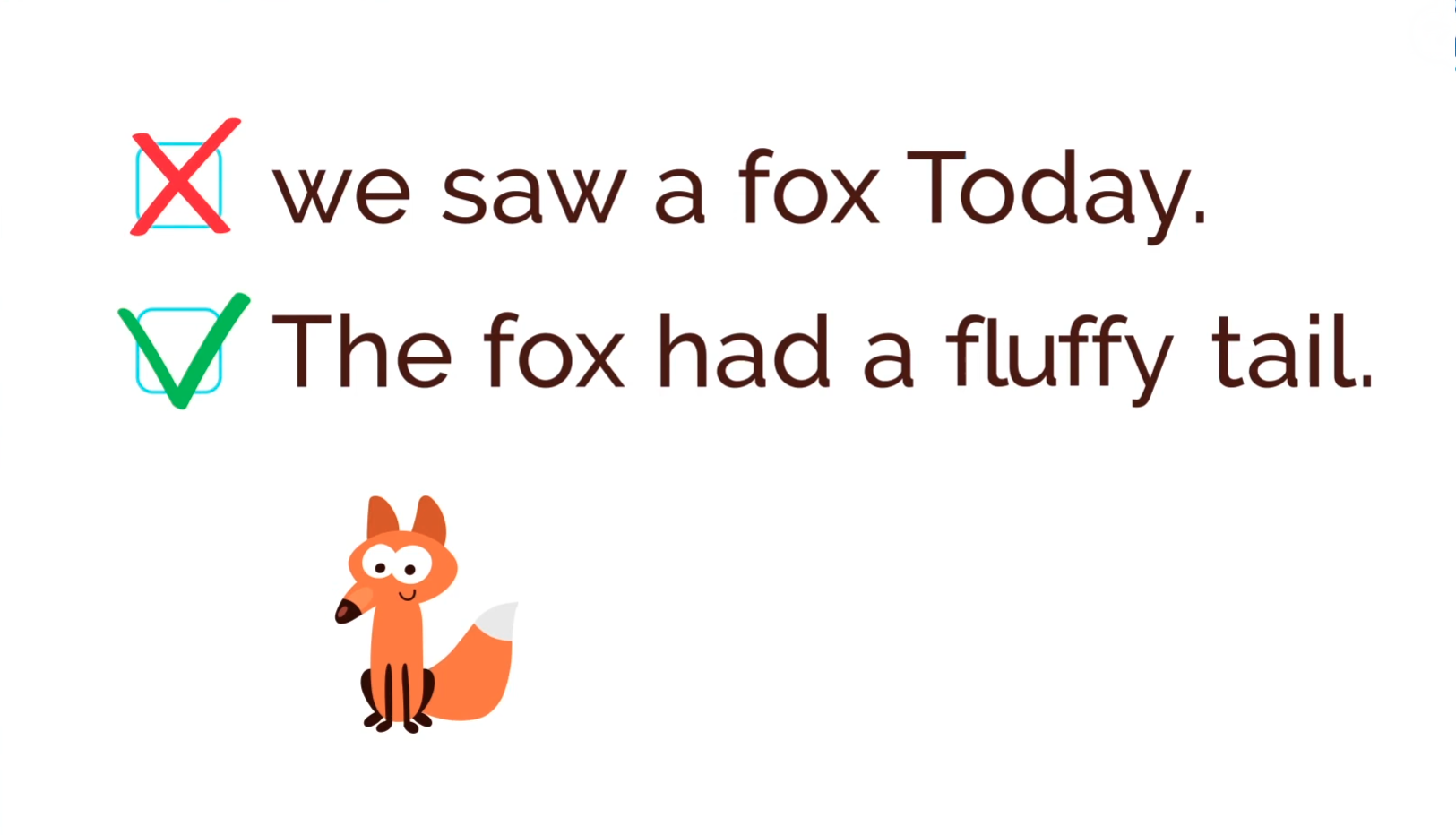
Capitalization is an important concept to teach because it helps readers understand where sentences begin, and to distinguish proper pronouns, titles, and dates. Later, when children grow into more sophisticated writers, they will be expected to adhere to writing conventions, such as capitalization, when writing essays and in professional contexts.
It may seem tricky to figure out where to start when it comes to teaching your little learner to use proper capitalization. To begin, start with what they already know: names, sentences, and dates.
Common Nouns vs. Proper Nouns: A Guide for 1st Grade
Sept. 10, 2025

After mastering common nouns, it’s time to introduce proper nouns. Some proper nouns are tough for first graders to understand because some words can be both a common noun and a proper noun depending on the context in which the word is used.
Let’s explore more about the differences between common and proper nouns, and how to teach kids to properly capitalize proper nouns when they write them.
Common Nouns Explained for 1st Grade
Sept. 2, 2025

One of the first grammar rules children must master is the parts of speech. This refers to how words are used in sentences; does the word describe an action, or does it describe a person, place or thing? Parts of speech consist of many different types of words, from verbs to adjectives, and beyond. The simplest first step in teaching parts of speech cover common nouns. These are everyday words that kids use all the time!
In this article, you will learn about the types of common nouns and will find a selection of activities to practice this important topic.
ELA Skills BrushUp with Kids Academy: Transitioning from Grade 1 to Grade 2
July 27, 2025

When your child is moving into the 2nd grade, the summer time is great to revisit those foundational skills, like decoding, writing complete sentences, and building comprehension. The goal is comfort and confidence not perfection. Students who enter the year already comfortable with these tools are ready for more complex stories and writing tasks. And just like with math, combining online time and hands on activities makes for the most effective progress.
-
-
 Dec. 22, 2025
 -


