Teaching & Homeschool Articles



How to Foster Students' Life Skills Through a Supportive Classroom Environment
Aug. 17, 2026
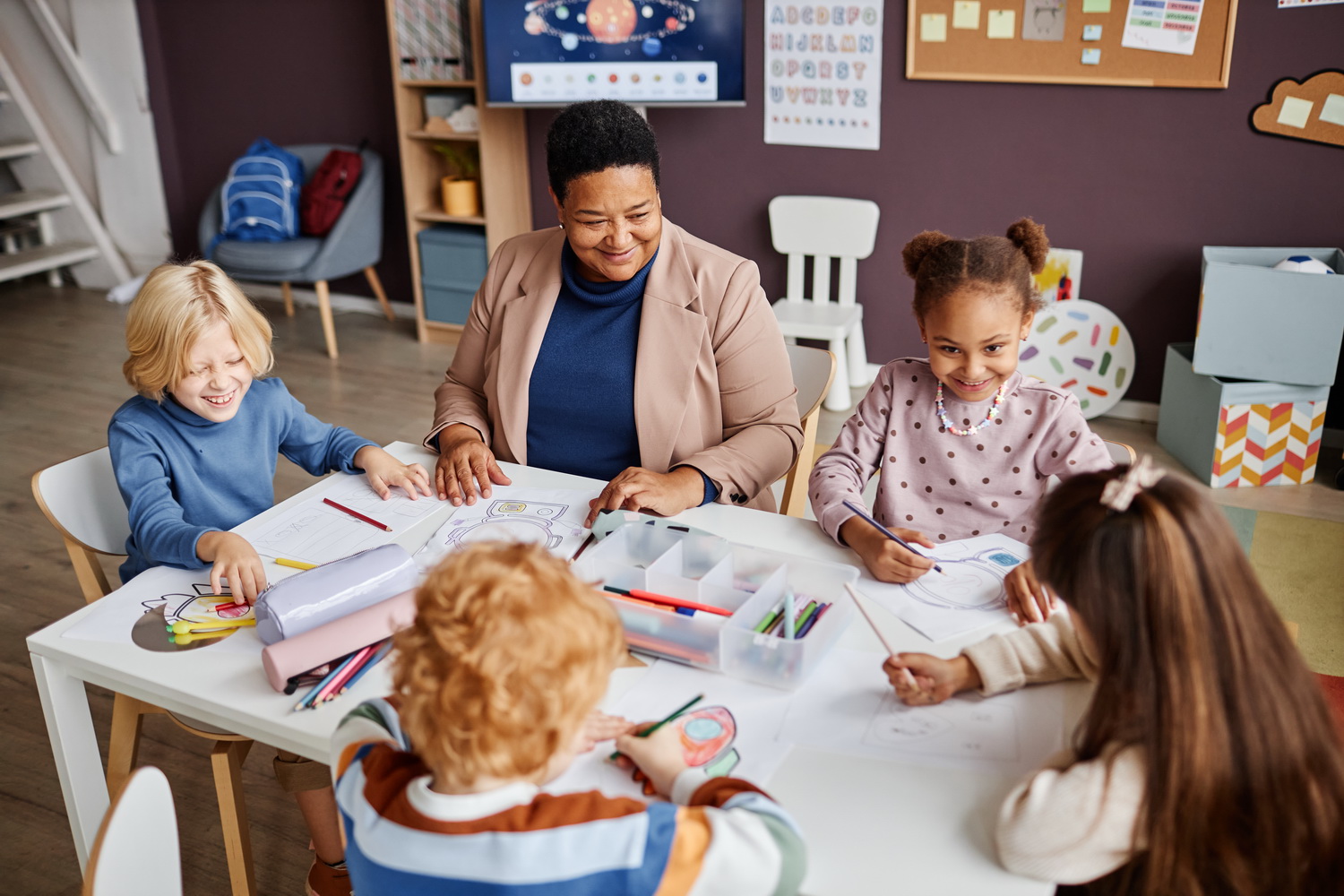
When students walk into your classroom, it is a pivotal moment marking the beginning of their learning and development for the school year. Ensuring that the classroom is set up in an organized, easy to manage way is crucial in order to foster a supportive, beneficial classroom for students.
Elementary school students spend a large amount of time in their classrooms, compared to higher grade students who tend to move classrooms in line with their timetable. With this in mind, it is even more important that the ambience, organization and setup of the classroom allows the children to have ownership of their space.
Recognizing and Counting Syllables in Grades 1-3
June 3, 2026
Syllable awareness is a foundational early literacy skill that directly relates to a child’s later ability to decode words and build reading fluency. Think of syllable recognition as a way to learn the sound structure of words so they can one day read new words quickly, even if they don’t know what they mean. Once fluent in reading, older readers use more advanced skills, like using context clues, to learn even more sophisticated words. As you can see, syllable awareness is just one of the first critical steps in the long journey towards reading like an adult!

Teaching First Graders How to Use Function Machines to Determine an Unknown Number
May 20, 2026

By the end of first grade, students should be able to determine an unknown whole number in an addition or subtraction equation relating three whole numbers. As students begin understanding addition as part plus part equals total and subtraction as total minus part equals part, they can begin to see patterns emerge in the relationships between numbers in equations. While an explicit naming of inverse operations does not occur until later grades, students begin to see that using a subtraction fact to determine the missing number in an addition problem (and vice versa) is an effective problem-solving strategy.
Teaching Basic Addition Strategies to First Graders Using Operational Properties
April 29, 2026
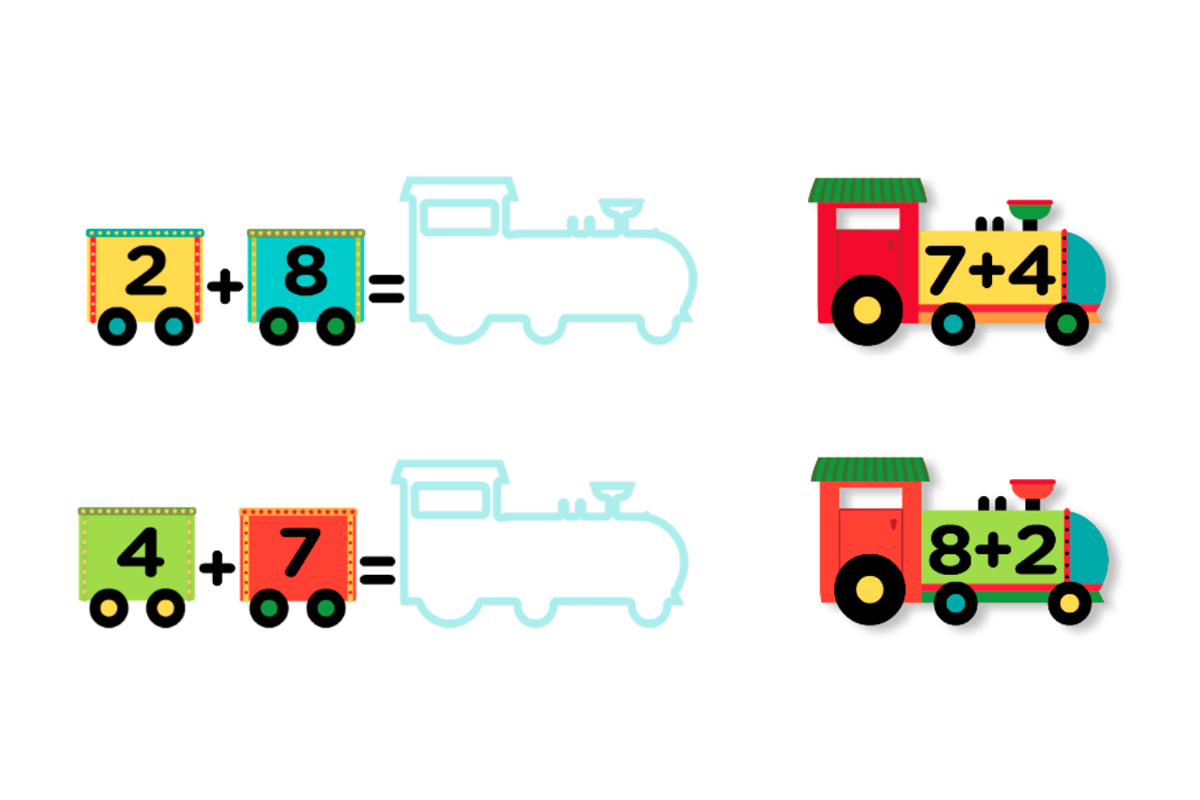
Operational Properties are used in mathematical fields to describe fundamental rules for operations such as addition, subtraction, and multiplication. Understanding that we can generalize the way that numbers and operations “behave” empowers students to see patterns and apply what they know to unfamiliar problems.
There are three major addition properties: the Commutative Property, the Identity Property, and the Associative Property.

Place Value with Base Ten Blocks and Ten Frames for 1st Grade
Feb. 9, 2026

Being an educator that has taught lower and upper grades math subjects, it was very noticeable that place value is one of the most important math concepts students need to understand. It supports future skills like addition, subtraction, and understanding larger numbers. First grade is when place value is learned as a foundational skill. At this age, many children can count well, but place value teaches them that numbers are made of groups, not just counted one by one.
Essential Reading Comprehension Skills for 3rd Grade
Jan. 21, 2026

During the 3rd grade, reading instruction reaches a critical juncture in which students use their acquired reading skills as a tool for learning across all subject areas. In a recent article, we talked about how children strengthen their skills during the 1st grade and begin making that transition in grade 2. This becomes even more important in the 3rd grade as they are expected to begin developing text analysis skills.
If you’re wondering about what you can do to help boost your 3rd grader’s reading comprehension to enhance their learning, join us as we explore some of the most critical aspects to focus on to help foster those important skills.
Simple Strategies to Boost Your Second Grader’s Reading Comprehension
Jan. 13, 2026

Second grade is a critical year for young readers; by the end of first grade, reading acquisition is well underway, and students must make the transition from learning to read to reading to learn. In other words, children must be fluent enough to move beyond merely decoding words so they may read and learn information across all subject areas.
So, what can parents and teachers do to boost their second graders’ comprehension skills? Focus on the following specific strategies to build and foster strong reading comprehension throughout grade two.
Pronouns for Grade One: Indefinite, Personal, and Possessive
Oct. 17, 2025
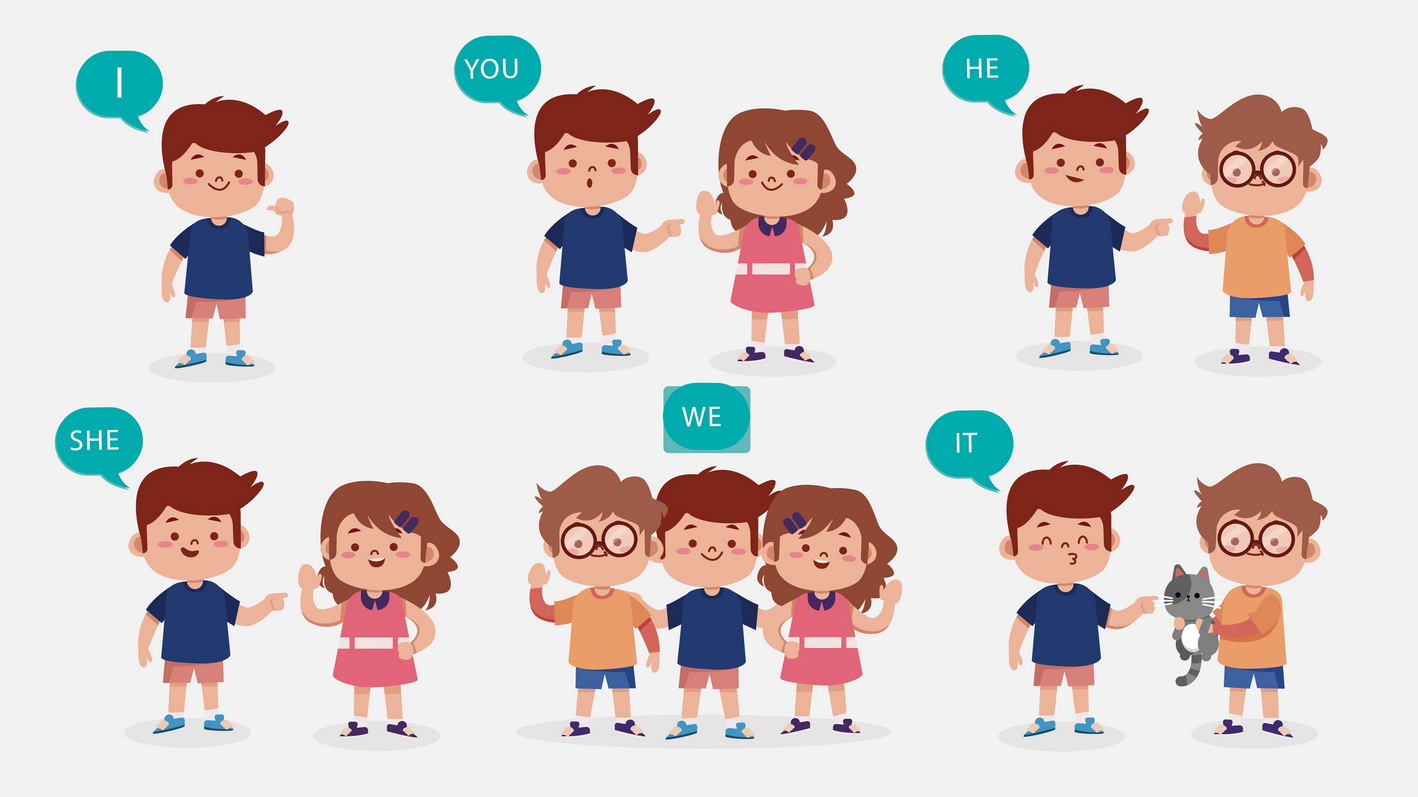
When introducing pronouns to first graders, be prepared to deal with some confusion. Students will need to make sense of the different categories of pronouns, and all the words that fall within each group, which could make pronouns looks like a big intimidating topic. However, often little learners get to love pronouns realizing that they function almost like a shortcut. Instead of repeating someone’s name over and over, one can just use a small word called a pronoun!
In this article we review the theory on each type of pronouns relevant for Grade 1 and offer some free interactive learning resources for your students to practice this topic.
End Punctuation Explained for 1st Grade
Sept. 24, 2025
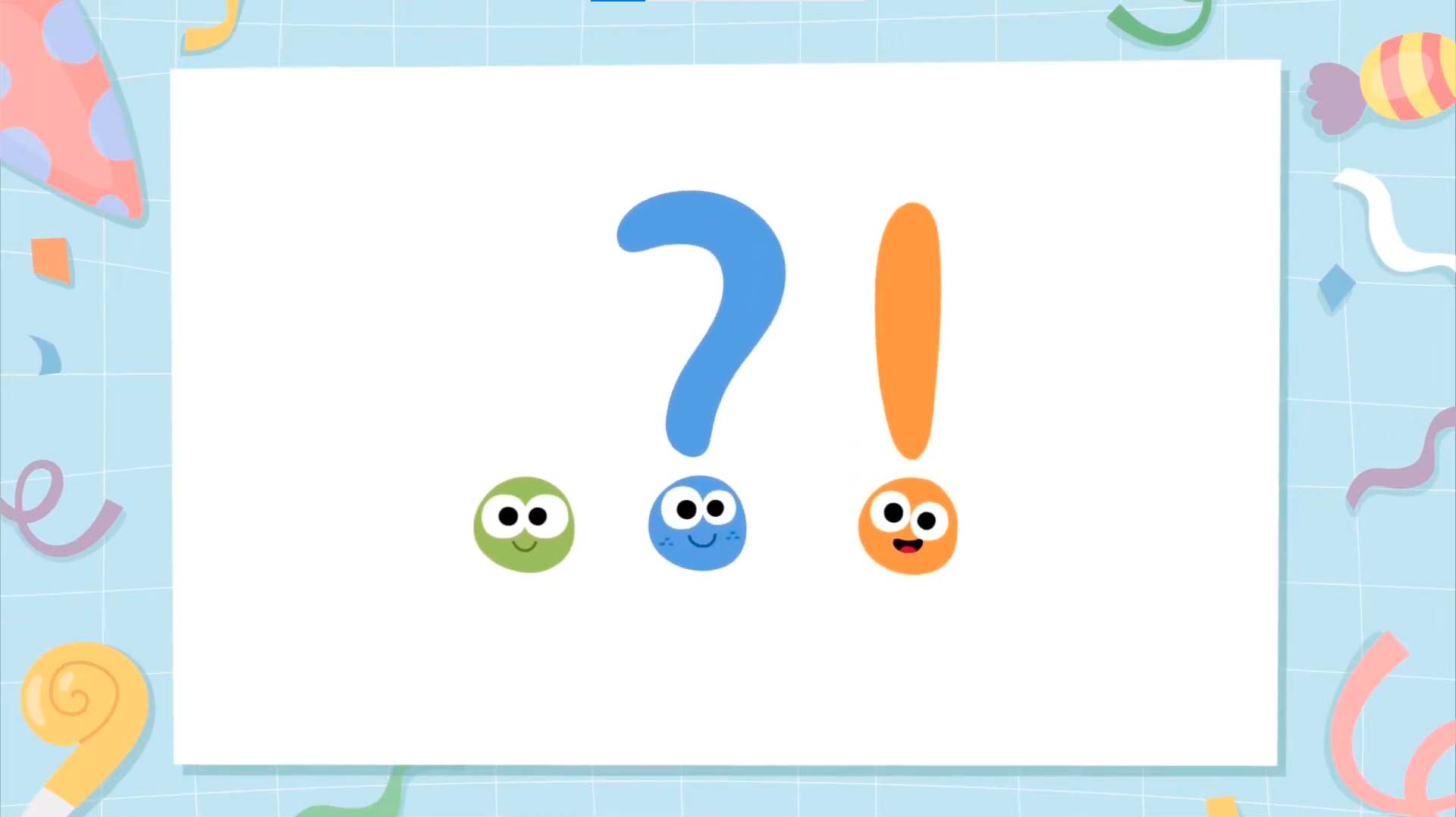
If you’ve ever read a social media post in which a user leaves out punctuation, then you know exactly how frustrating it is to make sense out of the words on the screen. That’s because punctuation is at the very core of effective written communication. Without it, readers often struggle to make sense of the writer’s words and intentions. Punctuation allows sentences to form complete thoughts and signal whether the writer is making a statement, asking a question, or conveying emotion.
Because it’s so vital to clear communication, children begin learning about the simplest forms of punctuation as they learn to write sentences and questions. In general, first graders typically begin by learning how to use end punctuation.
Capitalization for Grade 1: Dates, Names, and Beginning of Sentences
Sept. 17, 2025
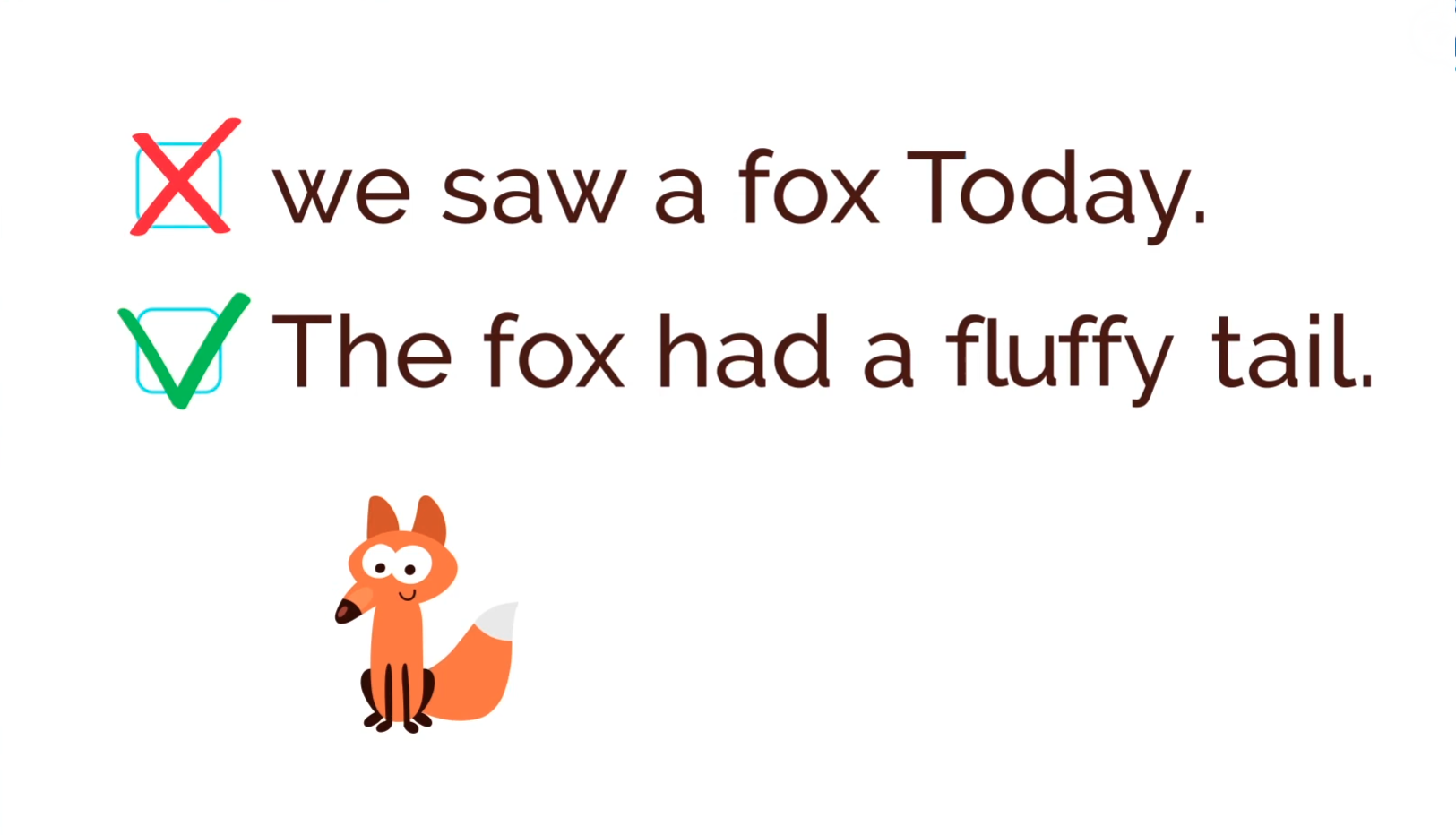
Capitalization is an important concept to teach because it helps readers understand where sentences begin, and to distinguish proper pronouns, titles, and dates. Later, when children grow into more sophisticated writers, they will be expected to adhere to writing conventions, such as capitalization, when writing essays and in professional contexts.
It may seem tricky to figure out where to start when it comes to teaching your little learner to use proper capitalization. To begin, start with what they already know: names, sentences, and dates.