Extra Challenge Matching worksheets activities for Ages 3-7 - Page 2
29 filtered results
-
From - To
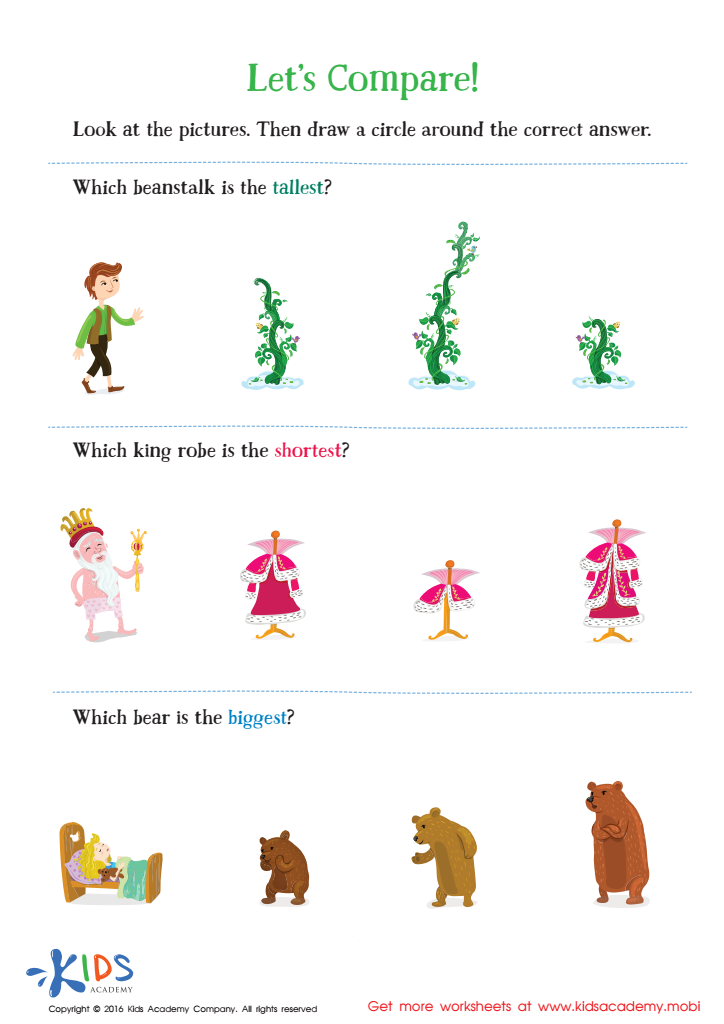
Fairy Tale Worksheet: Let's Compare
 Assign to My Students
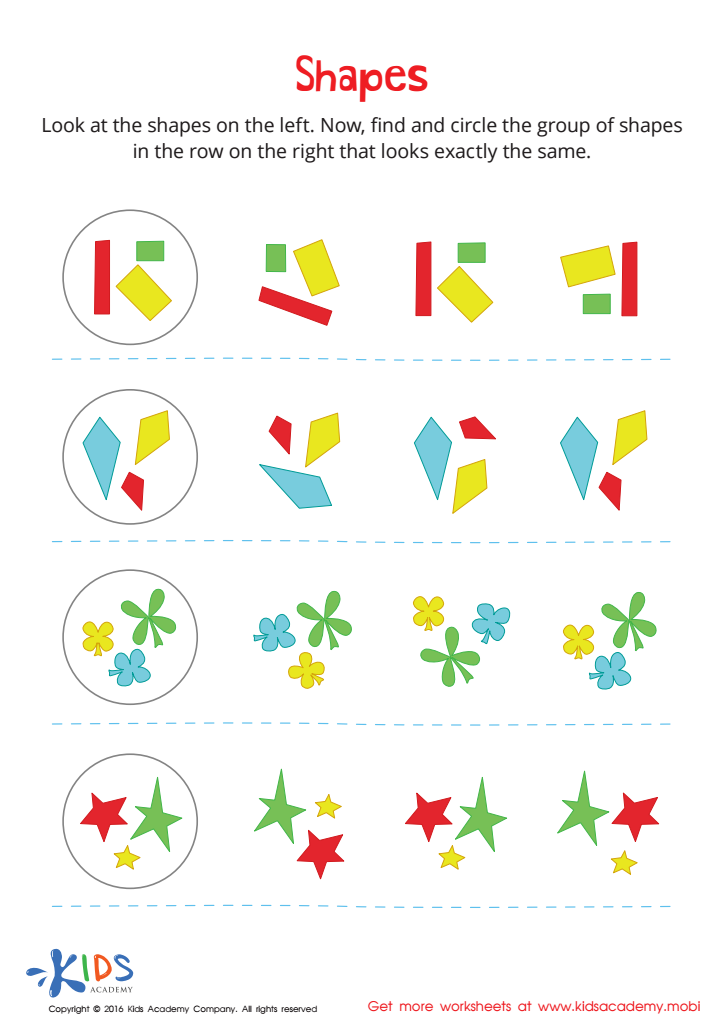
Shapes Worksheet
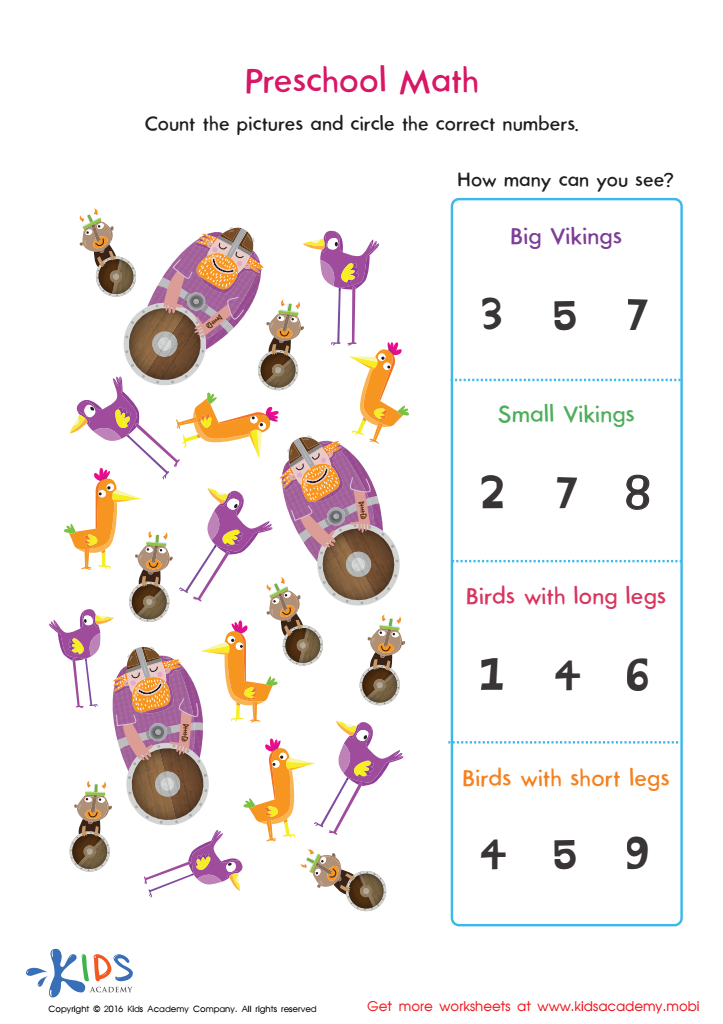
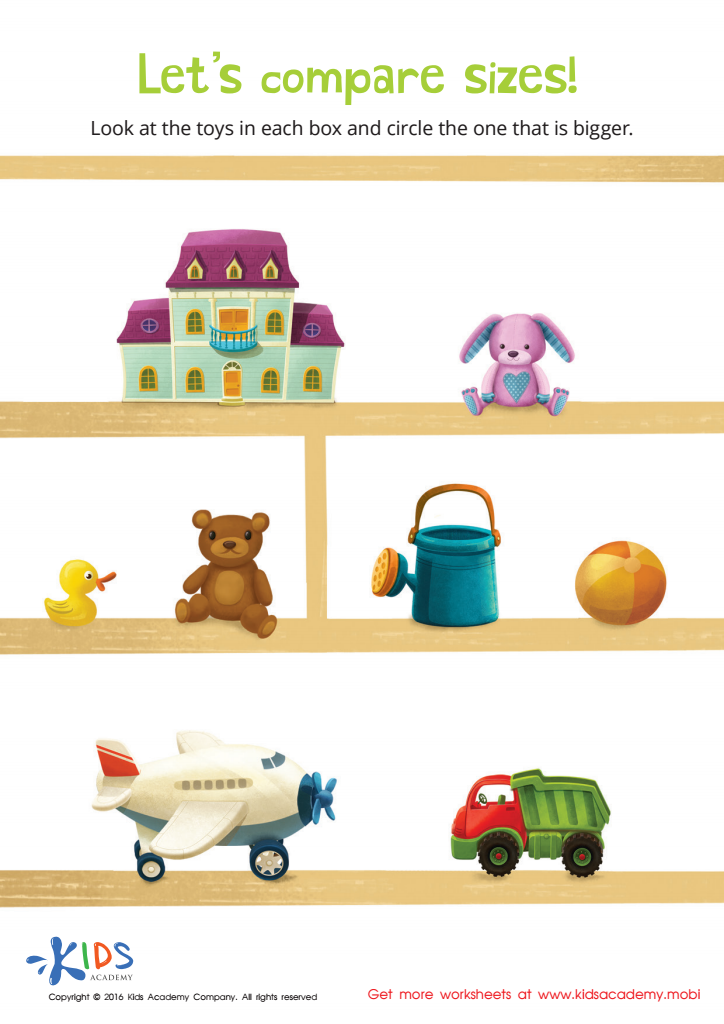
Classifying by Size Sorting Worksheet
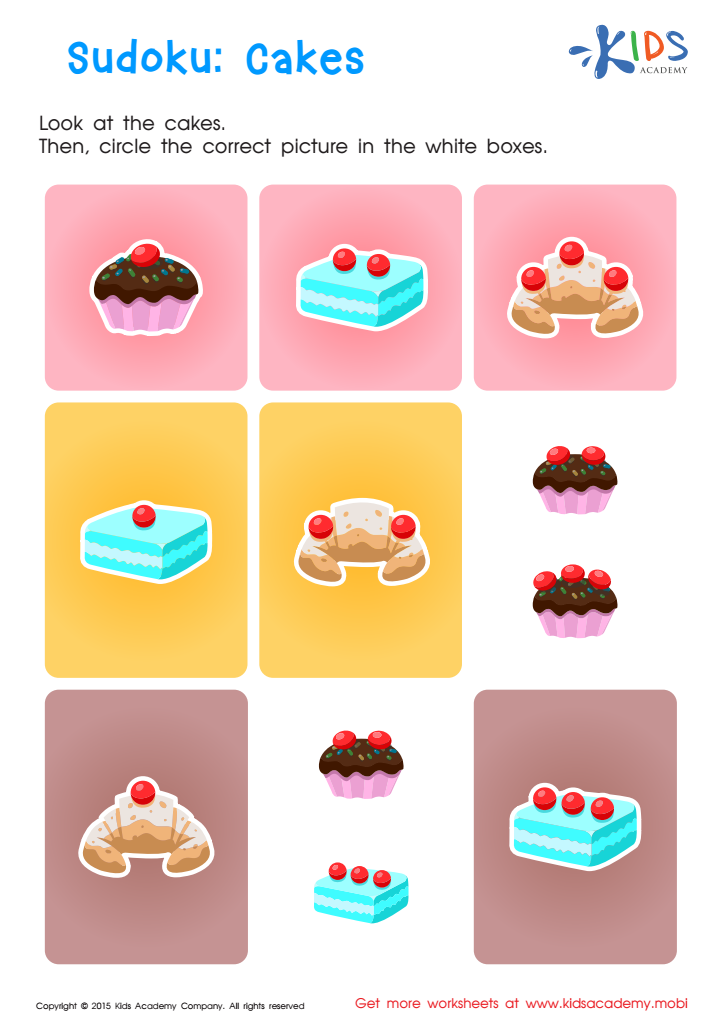
Sudoku Worksheet








Extra Challenge Matching activities for children aged 3 to 7 hold significant importance for both parents and teachers. These activities promote cognitive development by fostering critical thinking and problem-solving skills. Engaging in matching exercises enhances memory, as children learn to recognize patterns, categorize objects, and establish connections—crucial skills that lay the groundwork for future learning.
Moreover, these activities support social and emotional growth. When children participate in matching games, they often collaborate with peers or caregivers, encouraging communication and teamwork. This social interaction helps build confidence and strengthens relationships, which is essential for emotional well-being.
From a developmental standpoint, matching activities align with age-appropriate learning standards. They cater to various learning styles by combining visual, auditory, and kinesthetic elements. Such versatility ensures that children remain engaged and motivated while absorbing new concepts.
For educators and parents, incorporating Extra Challenge Matching activities into daily routines or lesson plans means giving children additional tools to explore their environment and build foundational skills in a fun, interactive manner. Ultimately, fostering these experiences at an early age leads to well-rounded and resilient learners equipped for future academic success.








