Letter recognition ABC Letters Worksheets for Ages 3-4 - Page 2
31 filtered results
-
From - To
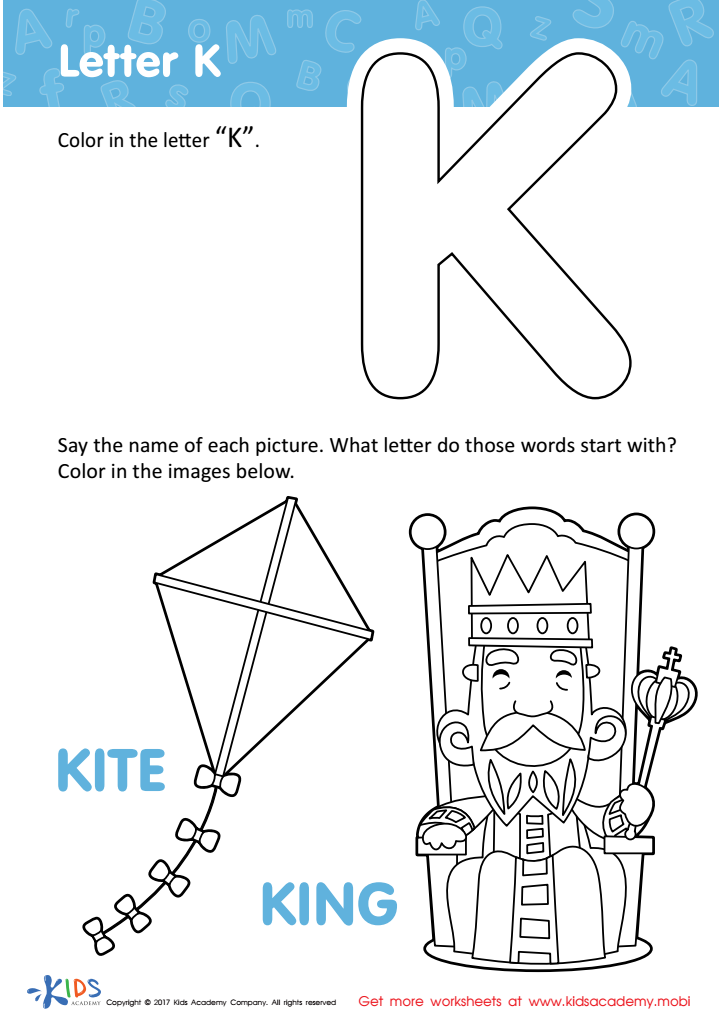
Letter K Coloring Sheet
 Assign to My Students




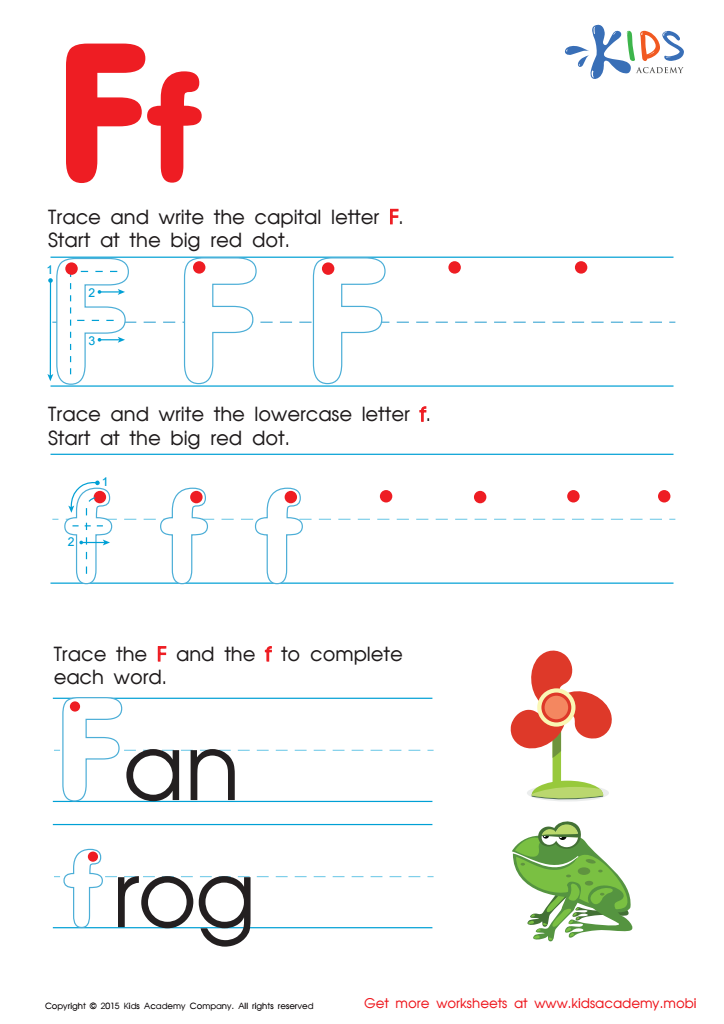
Letter F Tracing Page
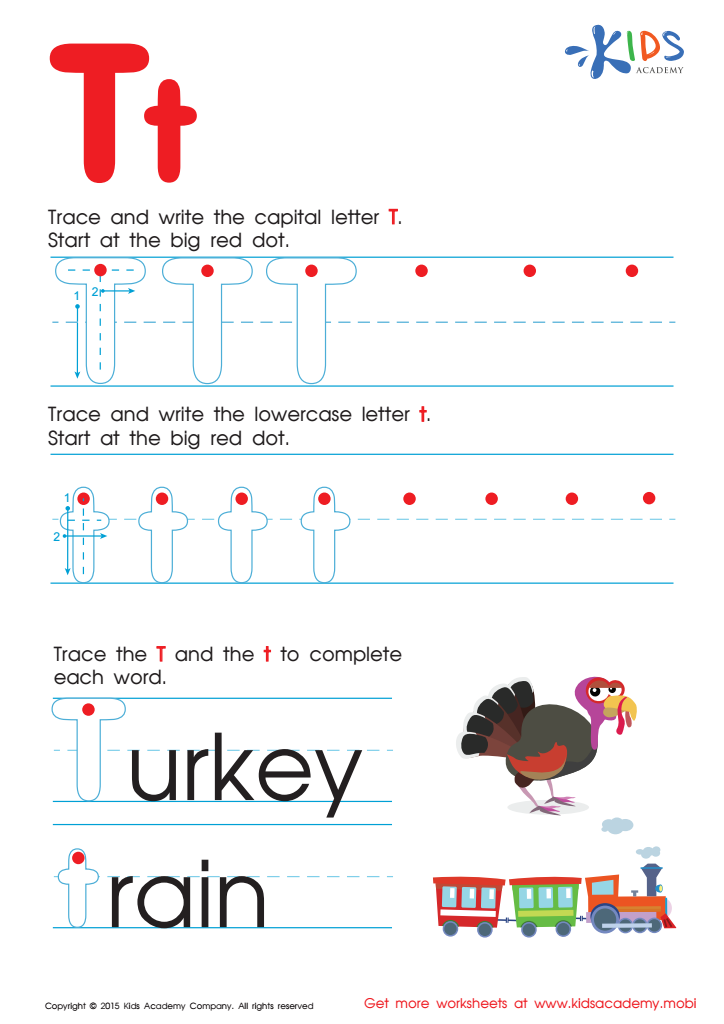
Letter T Tracing Page
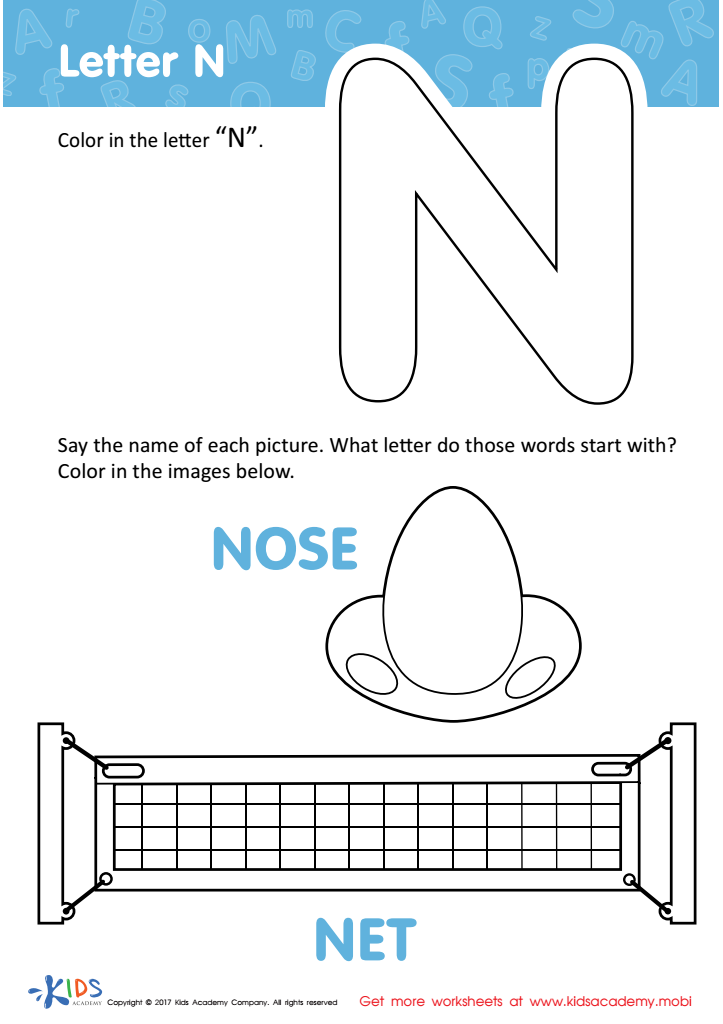
Letter N Coloring Sheet
Assign to My Students
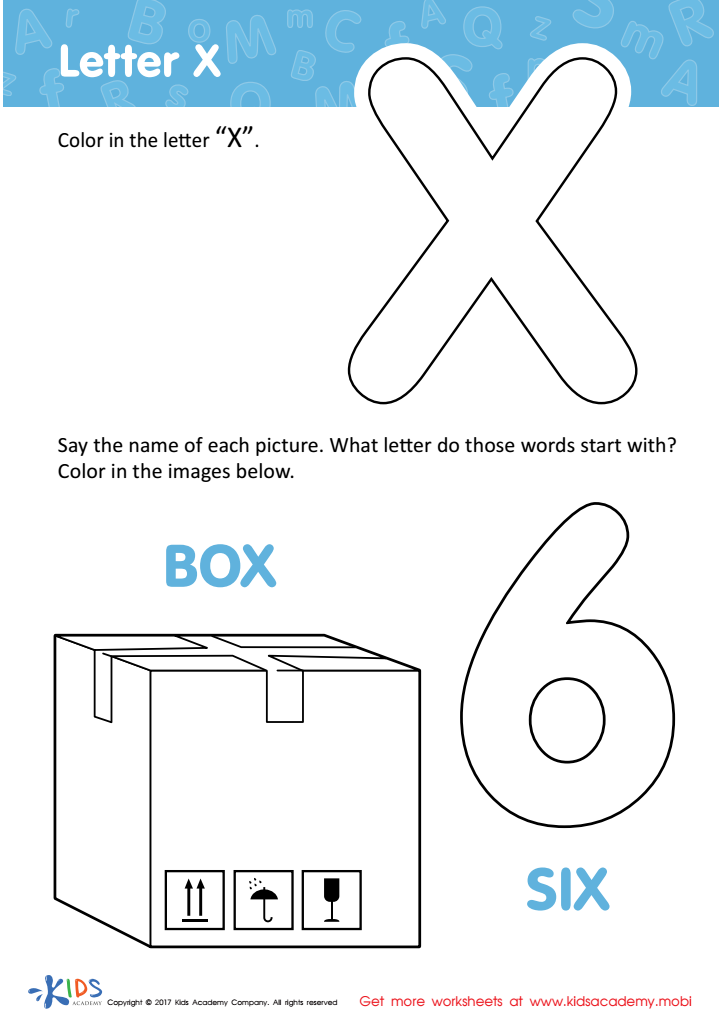
Letter X Coloring Sheet
Assign to My Students

Letter D Tracing Page
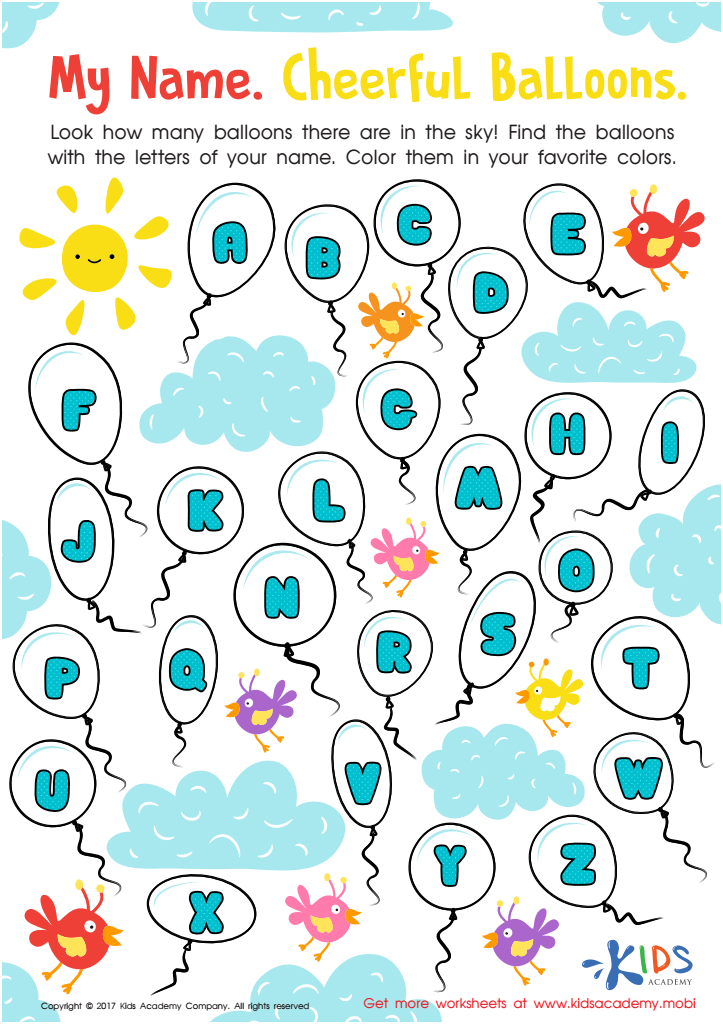
My Name: Cheerful Balloons Worksheet
Assign to My Students







Parents and teachers should prioritize letter recognition for children aged 3-4 because it lays the foundation for reading and writing, vital skills for academic success and lifelong communication. During these formative years, children's brains are highly receptive to learning languages, and understanding the alphabet serves as the building blocks for literacy.
Engaging with ABC letters enriches vocabulary, phonemic awareness, and cognitive development. It helps children associate letters with sounds, facilitating easier word recognition and decoding skills when they start reading. This foundational knowledge boosts their confidence as emergent readers, reducing frustration and fostering a love for books and learning.
Letter recognition also aids in fine motor skills development as children practice writing each letter. Activities like tracing, coloring, and forming letters with playdough enhance hand-eye coordination and pincer grip, essential for later writing tasks.
For parents and teachers, early alphabet familiarity can identify and address any learning difficulties promptly, providing appropriate interventions to keep children on track academically. Moreover, fun and interactive letter-learning activities cultivate curiosity and a positive learning environment, promoting engagement and intrinsic motivation. Overall, early letter recognition is a critical stepping stone in a child's educational journey, setting the stage for successful future learning experiences.







