
Letter Tracing ABC Letters Worksheets for Ages 3-4
6 filtered results
Difficulty Level
Grade
Age
-
From - To
Subject
Activity
Standards
Introduce your toddler to the world of letters with our fun and educational "Letter Tracing ABC Letters Worksheets" for ages 3-4. Designed to support early literacy, each worksheet provides engaging, simple activities, helping your child develop fine motor skills and letter recognition. Colorful illustrations and clear instructions make learning exciting. Foster a love for reading and writing from an early age as your child traces and practices each letter, building a solid foundation for future learning. Perfect for preschoolers and easily printable, our worksheets are a great resource for home or classroom activities. Start your child’s educational journey today!
Favorites
With answer key
Interactive
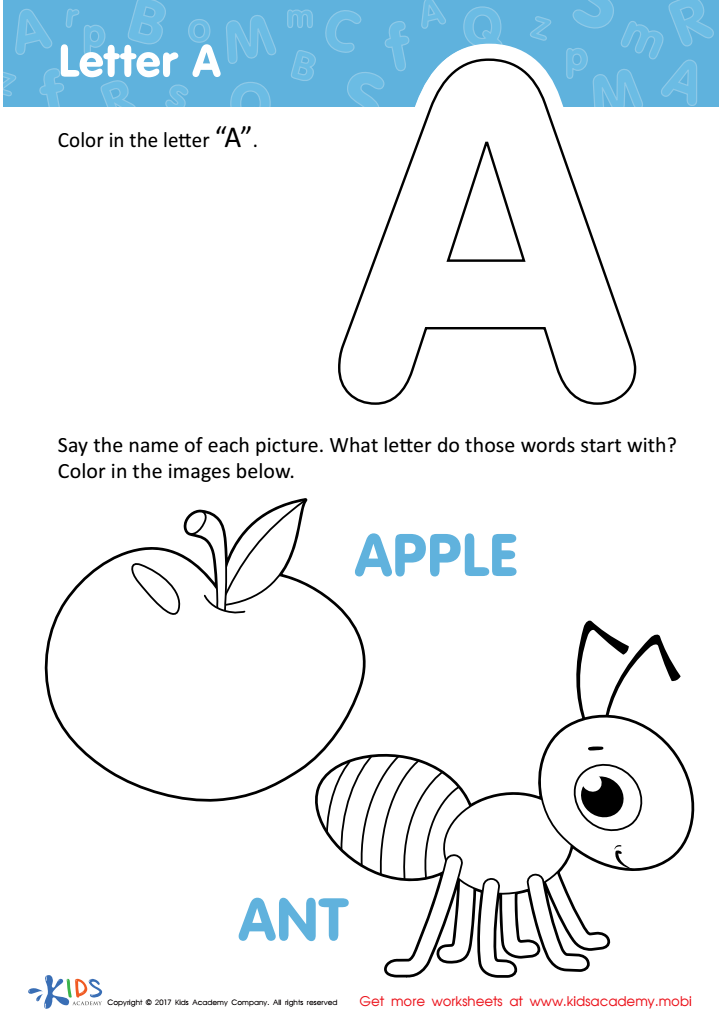
Letter A Coloring Sheet
This letter "A" coloring page is great for introducing kids to the alphabet! Let them exercise their creativity while they learn to recognize letters and sounds - it's a fun and easy way to help them get started.
Download (PDF)
 Assign to My Students
Assign to My Students
Letter A Coloring Sheet
Worksheet


Letter V Coloring Sheet
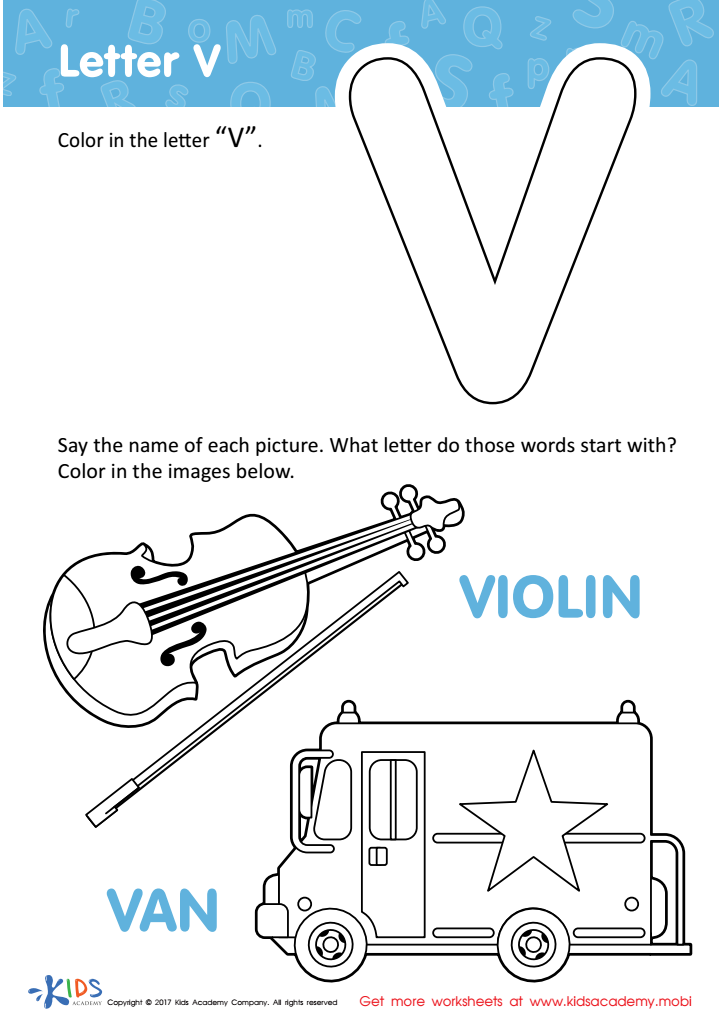
This fun letter V coloring page can boost your child's knowledge of the letter "V" and its sound. Help them pronounce it correctly, too!
Download (PDF)
Assign to My Students
Assign to My Students
Letter V Coloring Sheet
Worksheet
Letter D Coloring Sheet
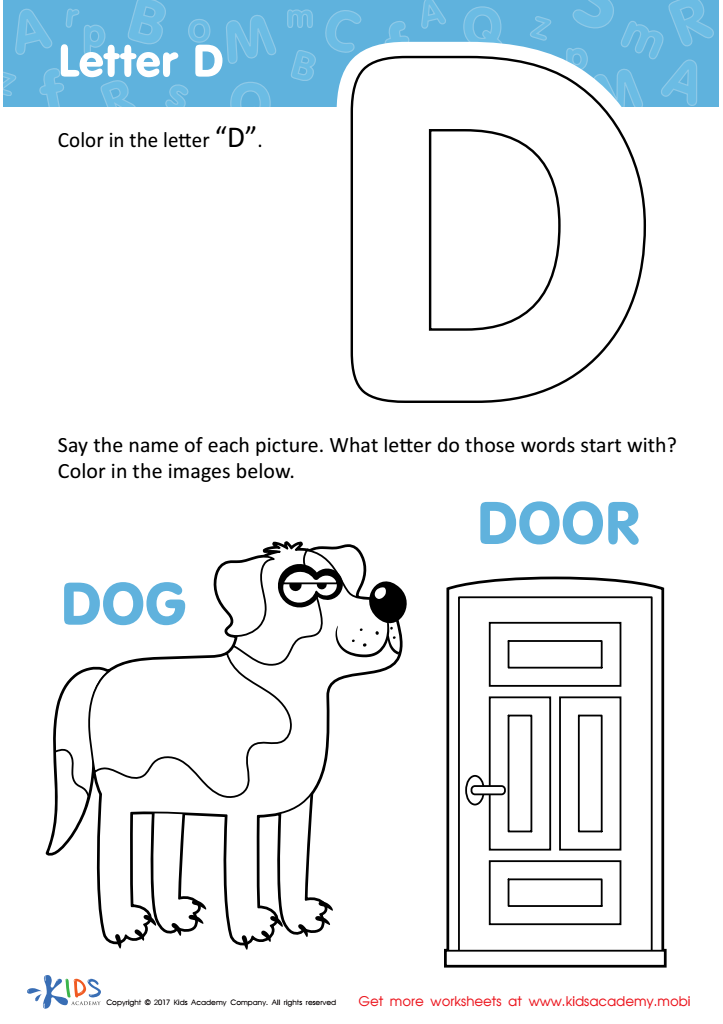
Coloring with this letter "D" page is a great way to encourage your child's creativity while they learn the letter "D" and its sound. It's a fun activity to stimulate their imagination!
Download (PDF)
Assign to My Students
Assign to My Students
Letter D Coloring Sheet
Worksheet
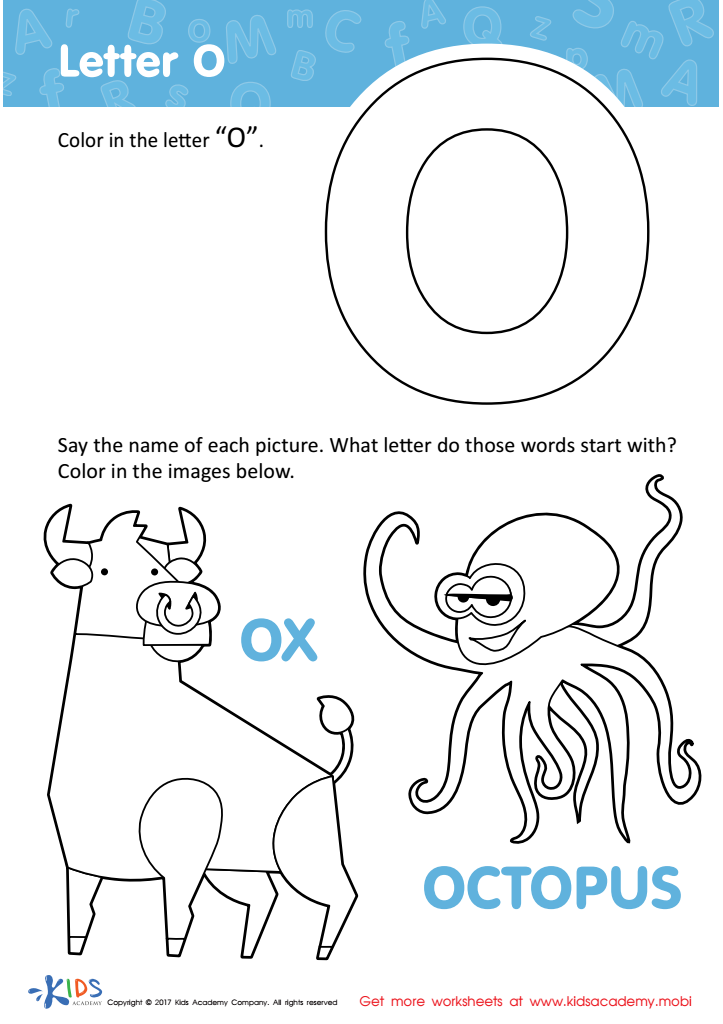
Letter O Coloring Sheet
Oh my! The letter "O" is so much fun. Coloring in the octopus and ox on this delightful letter "O" coloring page can help your child have fun while strengthening their recognition of the letter and sound.
Download (PDF)
Assign to My Students
Assign to My Students
Letter O Coloring Sheet
Worksheet
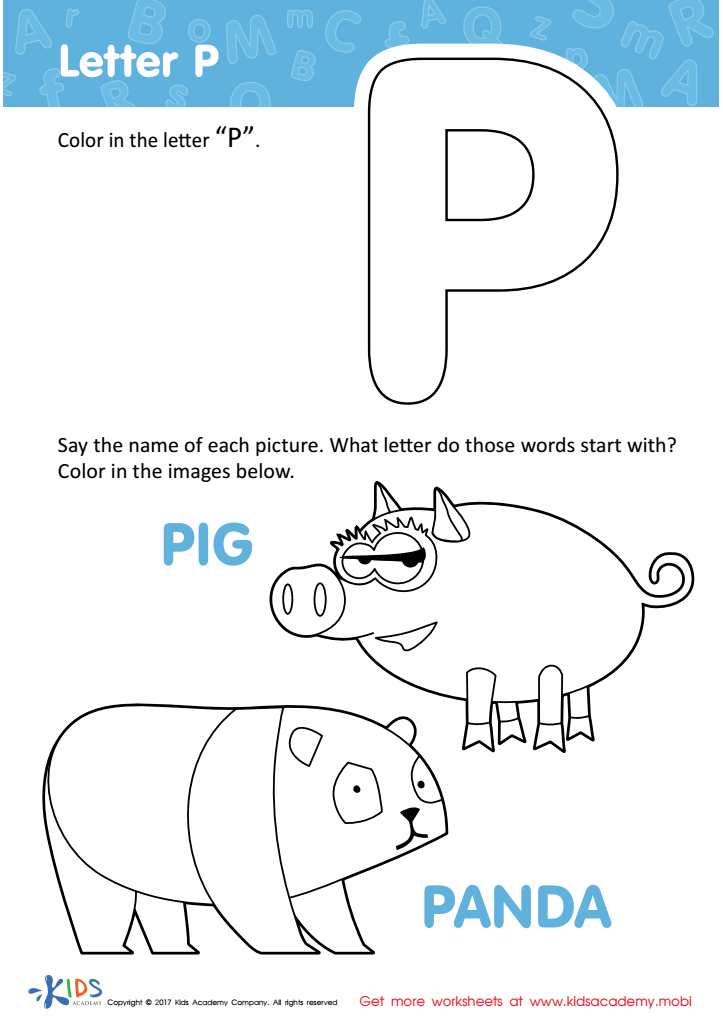
Letter P Coloring Sheet
Encourage your child's creativity and letter recognition with this "P" coloring page! Through coloring animals such as pigs and pandas, your little one will get to know the sound of the letter "P" and have fun too!
Download (PDF)
Assign to My Students
Assign to My Students
Letter P Coloring Sheet
Worksheet
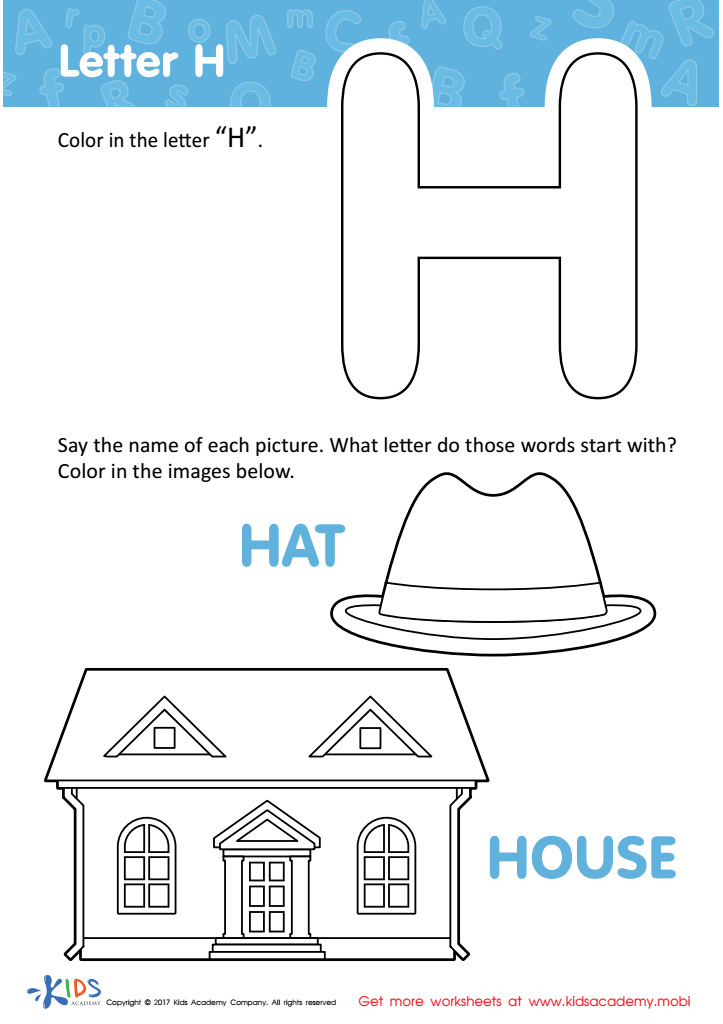
Letter H Coloring Sheet
This fun "H" coloring page will help your child recognize the letter and sound of "H"! With a hat and house to color, your little learner will have a blast picking colors and creating designs, all while learning about the letter "H"!
Download (PDF)
Assign to My Students
Assign to My Students
Letter H Coloring Sheet
Worksheet
Join Kids Academy for Free
Who is primarily going to use this learning content?








Parents and teachers should prioritize Letter Tracing ABC Letters for children aged 3-4 because it's an essential foundation for early literacy and fine motor skills development. At this age, young learners are in a critical phase of language acquisition and motor skill refinement. Tracing letters helps children recognize and memorize the shapes and sounds of the alphabet, which is the cornerstone of reading and writing.
Engaging in letter tracing activities allows children to practice hand-eye coordination and muscle memory. Holding a pencil and tracing letters encourages fine motor control, paves the way for more complex writing tasks, and increases overall dexterity. This procedural learning makes writing seem less daunting as children can connect the mental image of a letter with its physical appearance and formation.
Furthermore, letter tracing fosters early cognitive development. It strengthens a child’s ability to focus, follow directions, and develop sequential logical thinking. The repetitive patterns and structured exercises also help build a sense of accomplishment and confidence in their skills, motivating them to continue learning.
Incorporating letter tracing into daily routines ensures that children's entry into more structured educational settings will be smoother and more productive. It makes learning interactive, enjoyable, and sets a robust framework for future academic success.







