Writing practice ABC Letters Worksheets for Ages 3-4
11 filtered results
-
From - To
Introduce your little learners to the magic of letters with our delightful Writing Practice ABC Letters Worksheets designed for ages 3-4! These fun and educational worksheets help children master the alphabet through engaging tracing exercises, colorful illustrations, and beginner-friendly tasks. Each page encourages fine motor skills, eye-hand coordination, and letter recognition, setting a strong foundation for reading and writing. Perfect for at-home practice or classroom use, our worksheets make learning the ABCs a joyful adventure. Download now from Kids Academy to give your preschoolers the finest start in their educational journey!

Letter A Tracing Page






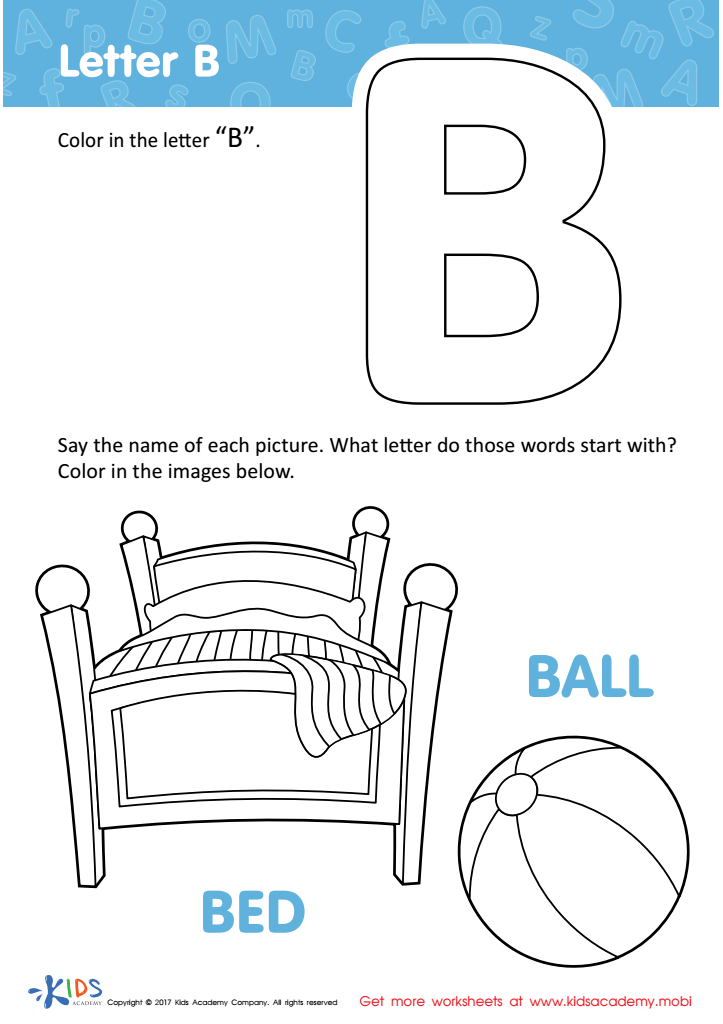
Letter B Coloring Sheet
 Assign to My Students
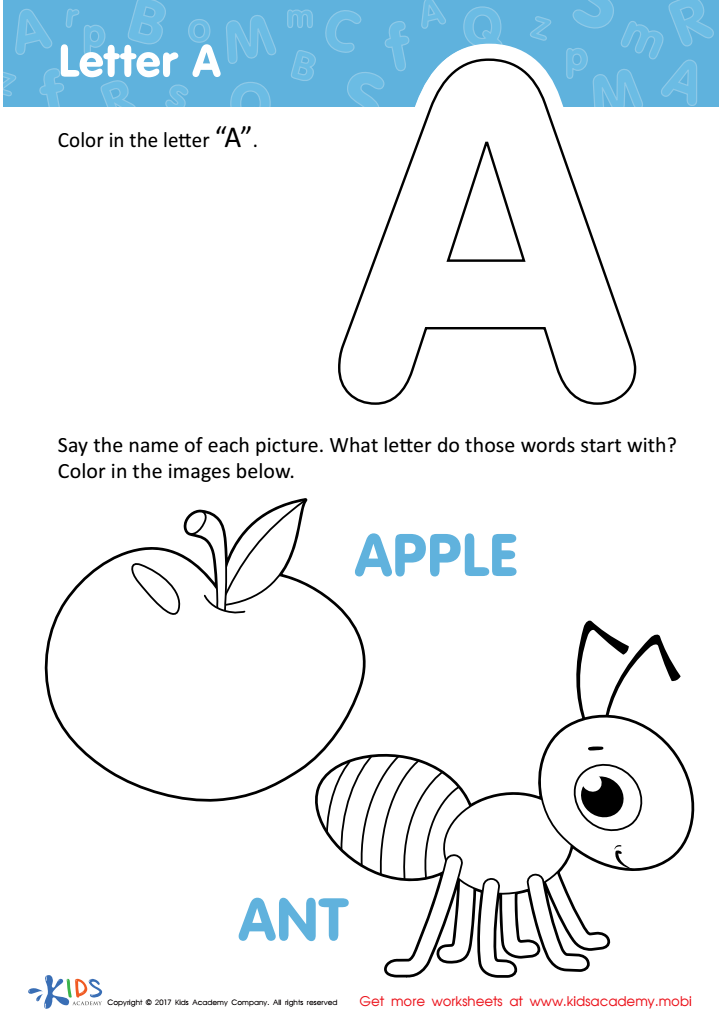
Letter A Coloring Sheet
Assign to My Students

Letter H Tracing Page
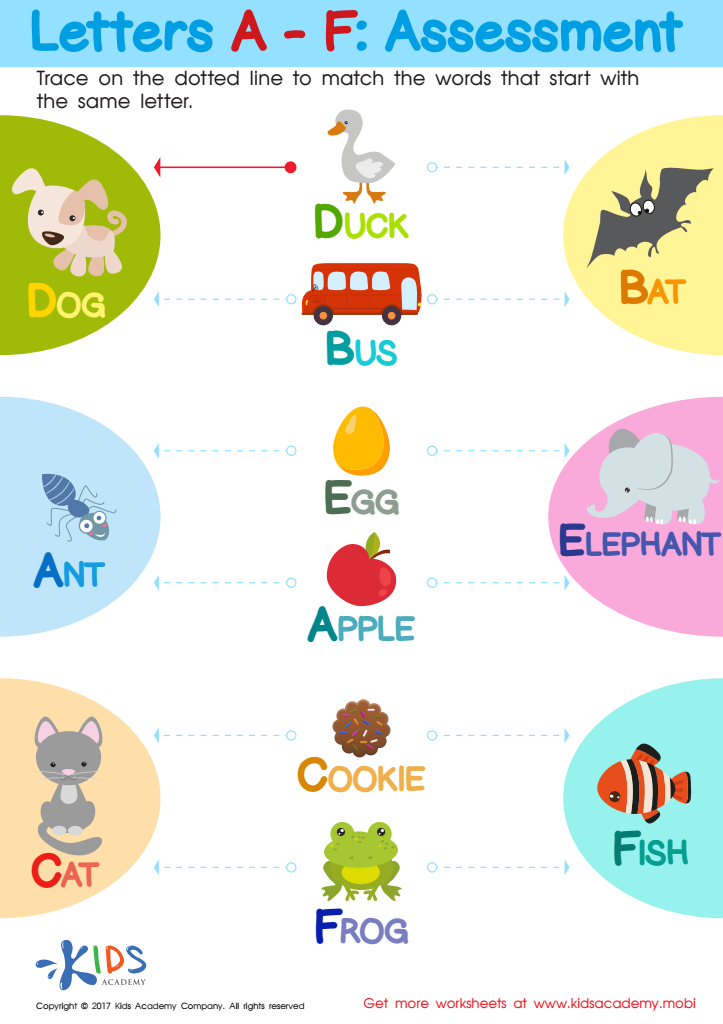
Letters A - F Worksheet
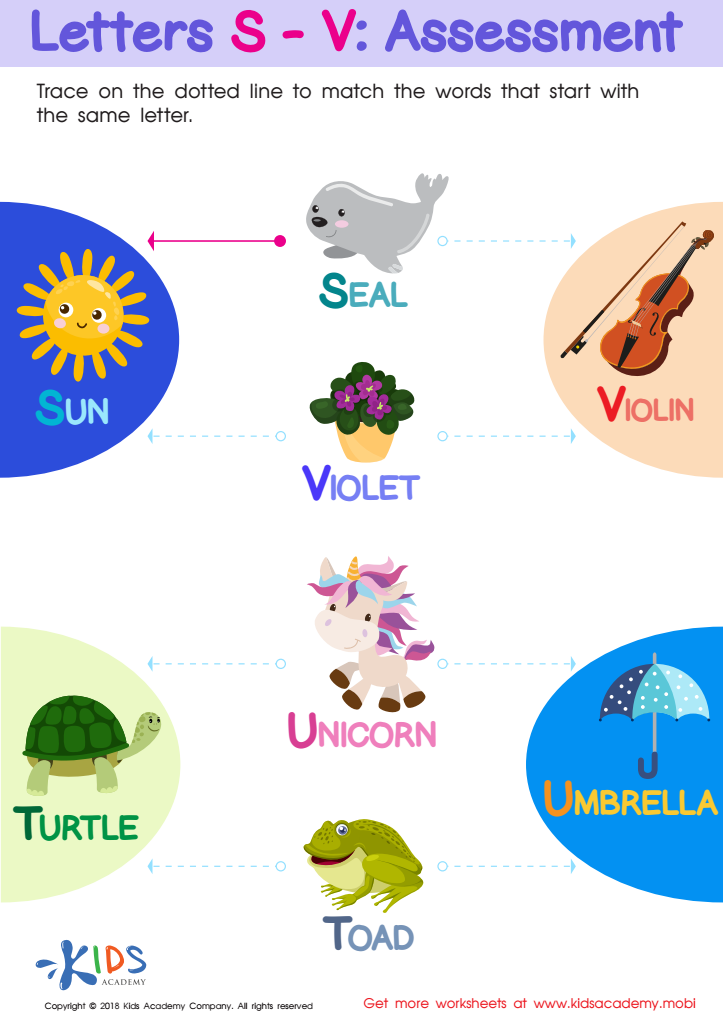
Letters S - V Tracing Worksheet
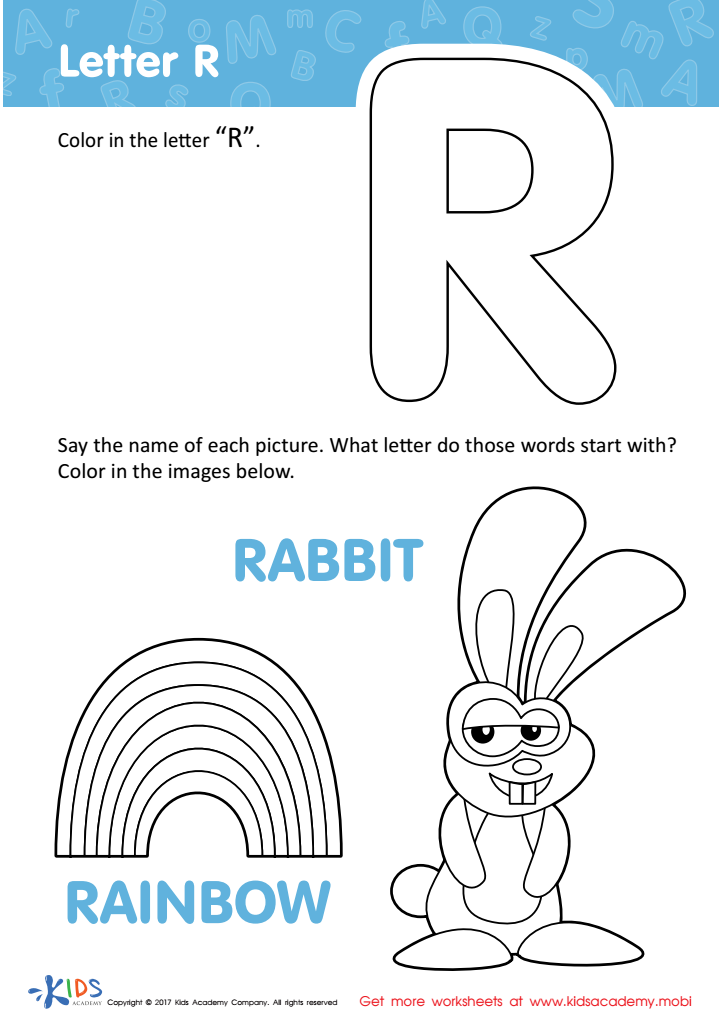
Letter R Coloring Sheet
Assign to My Students
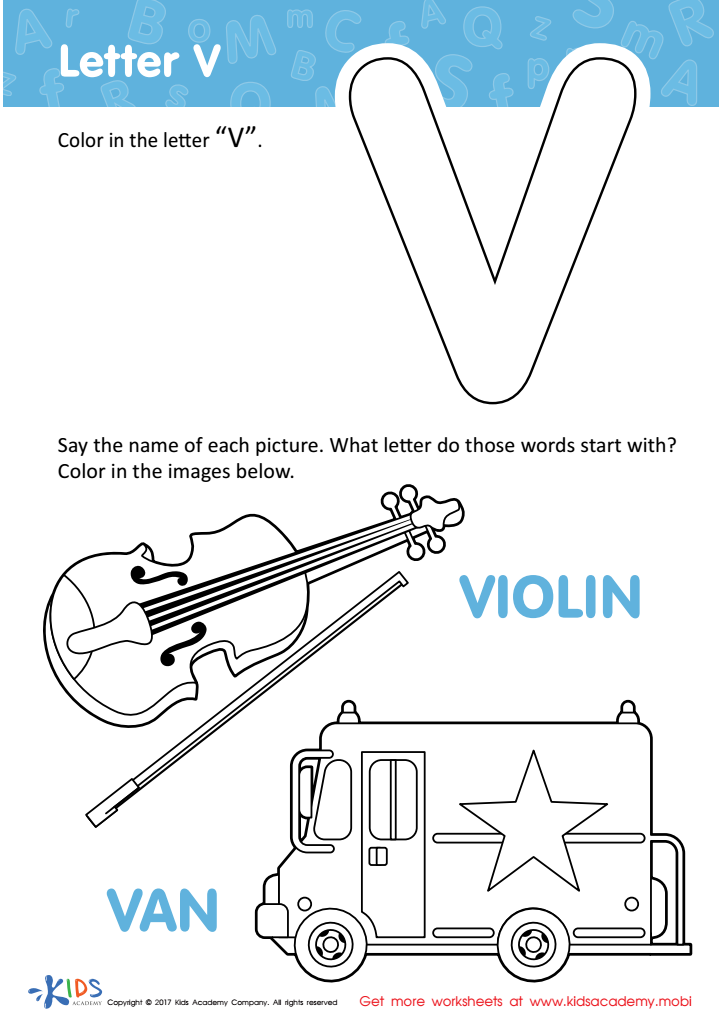
Letter V Coloring Sheet
Assign to My Students
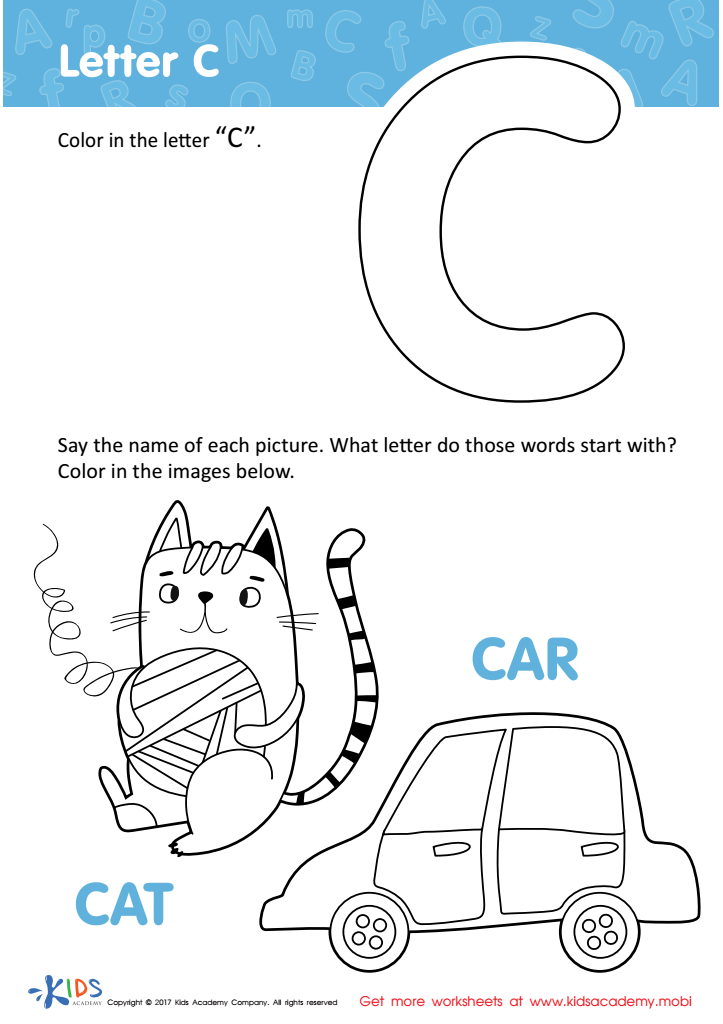
Letter C Coloring Sheet
Assign to My Students
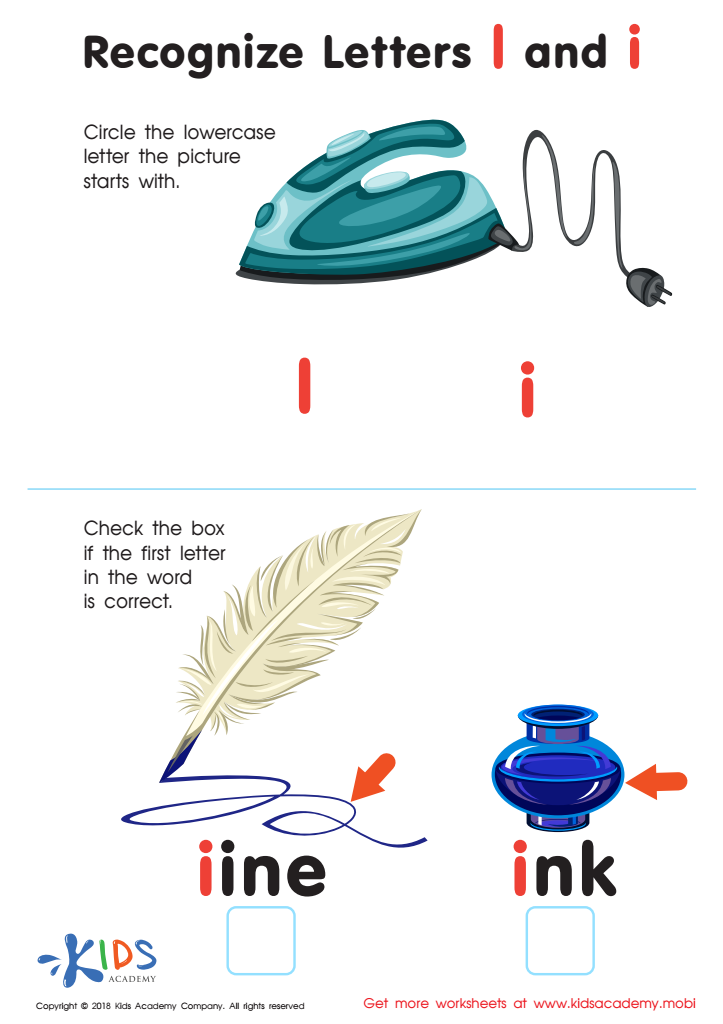
Recognize Letters l and i Worksheet
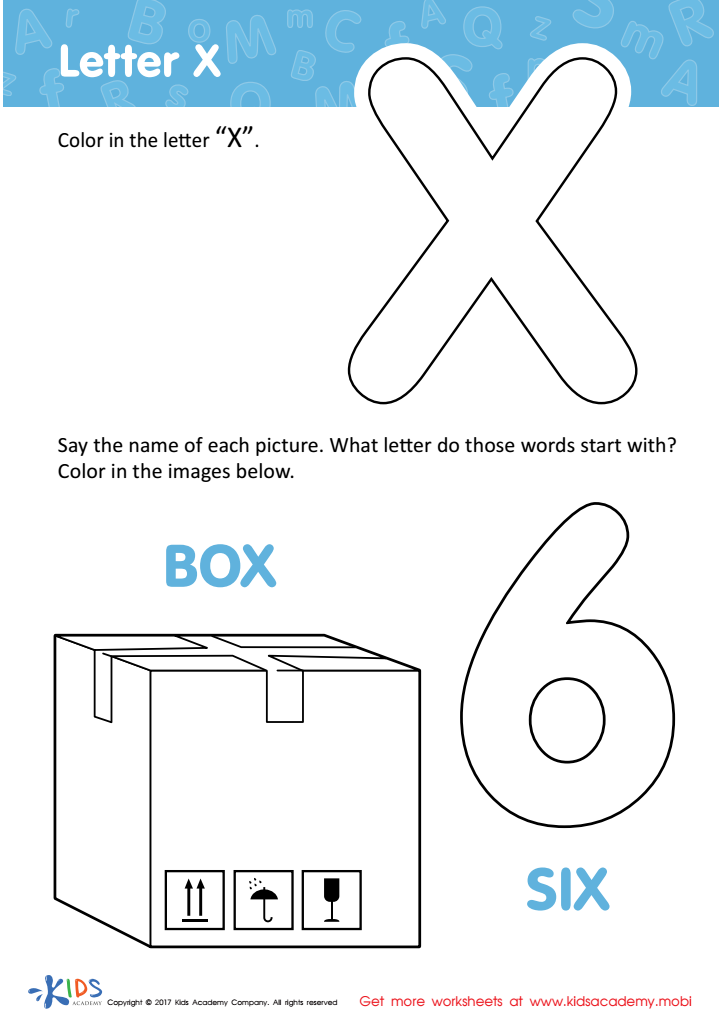
Letter X Coloring Sheet
Assign to My Students







Introducing writing practice for ABC letters to children aged 3-4 holds significant developmental and educational benefits that are crucial for their early growth. At this stage, children are in a critical period of brain development. Engaging in writing tasks enhances their fine motor skills, which are essential for day-to-day activities such as buttoning clothes or using utensils. When children practice writing ABC letters, they not only improve their hand-eye coordination but also strengthen muscle control and dexterity needed for precise movements.
From an educational point of view, early writing practice lays the groundwork for literacy. Familiarity with letters and their formations helps children recognize them easily in reading activities. This early exposure can lead to better phonemic awareness, where children understand that letters represent sounds. Being able to connect letters with their corresponding sounds is a foundational skill that predicts future reading success.
Moreover, writing exercises can boost a child's confidence and independence as they master new skills. It fosters creativity and encourages self-expression, allowing children to communicate their thoughts through written form. Additionally, the sense of accomplishment they gain from being able to write their letters enhances their enthusiasm for learning.
By prioritizing ABC writing practice, parents and teachers provide children with essential tools for lifelong learning and development.







