Reading comprehension Alphabet Worksheets for Ages 3-4 - Page 2
44 filtered results
-
From - To
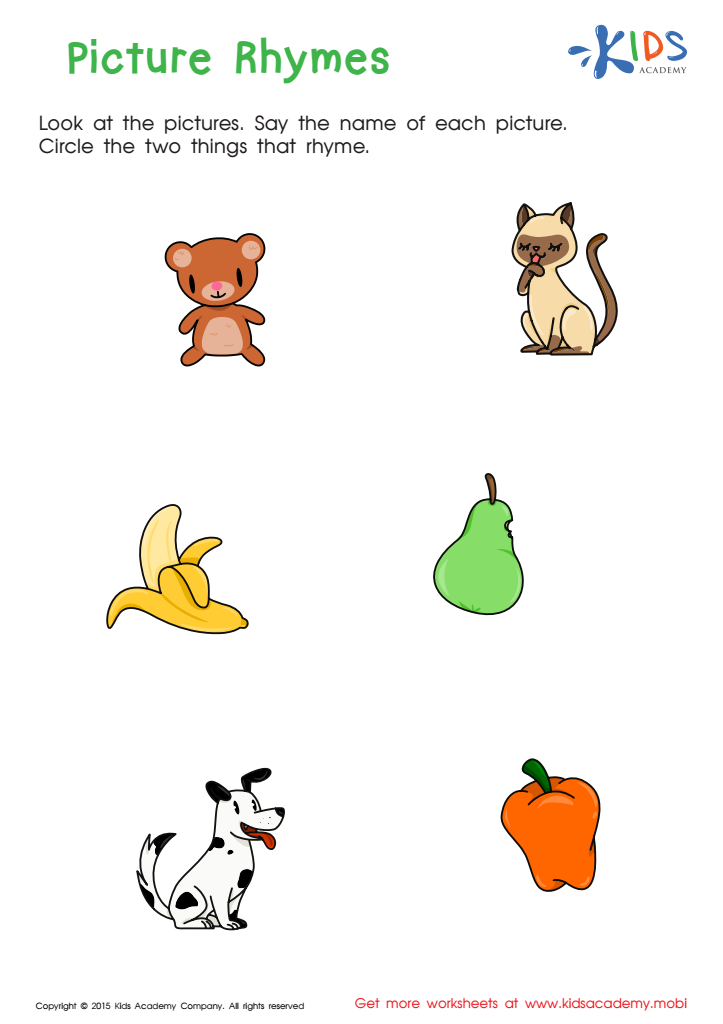
First Words: Picture Rhymes Worksheet
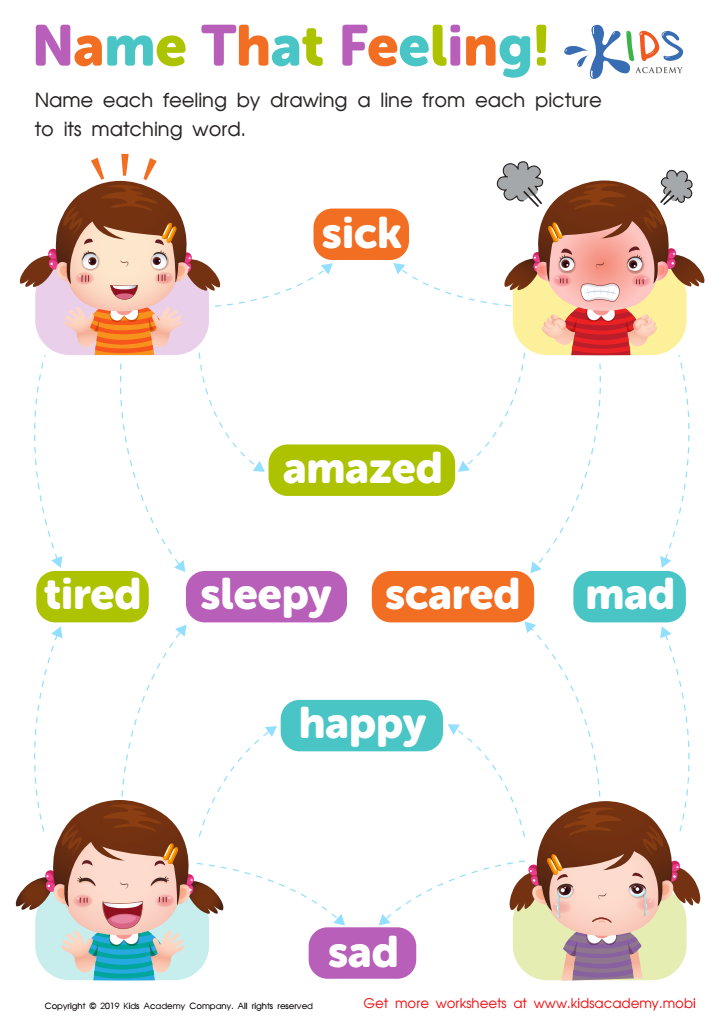
Name that Feeling Worksheet
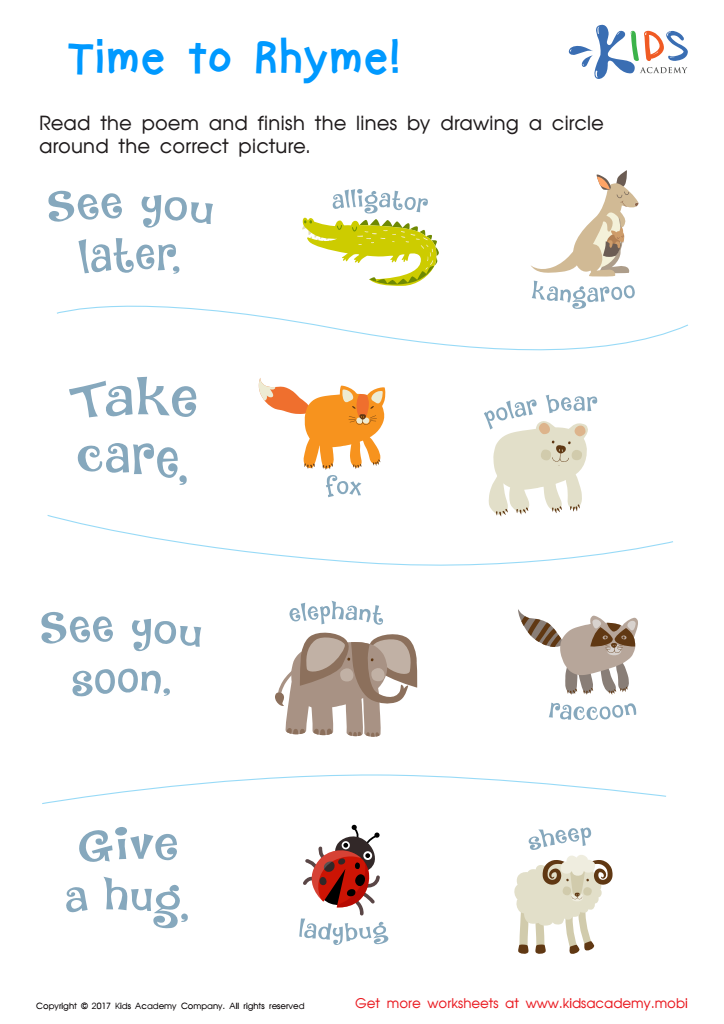
Time to Rhyme Rhyming Worksheet
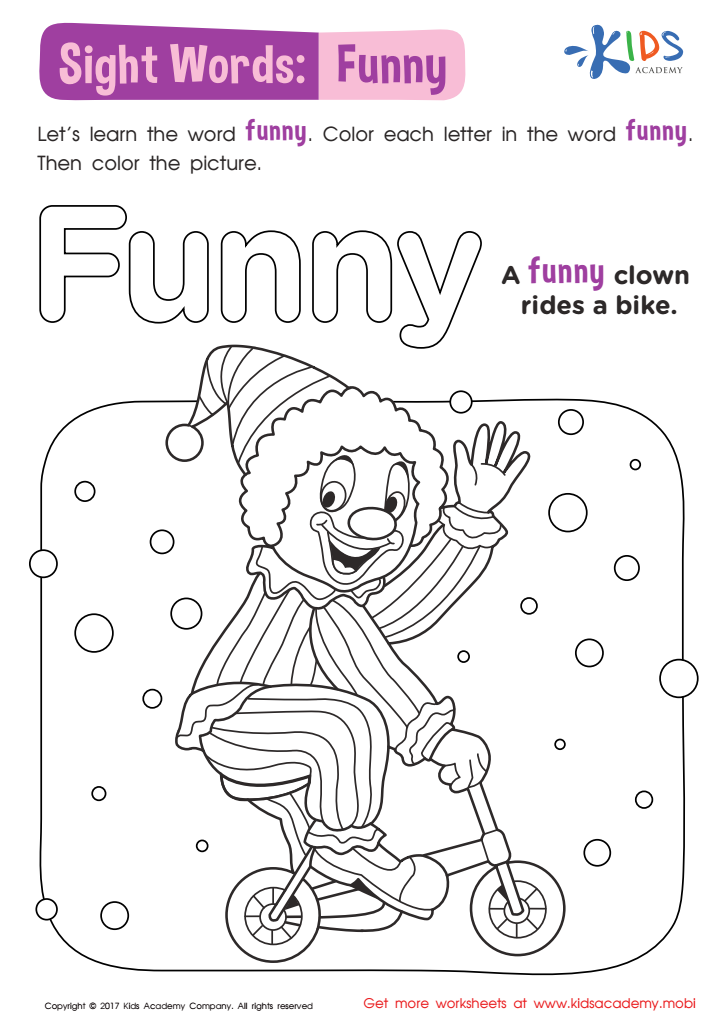
Funny Worksheet Sight Words Worksheet
 Assign to My Students
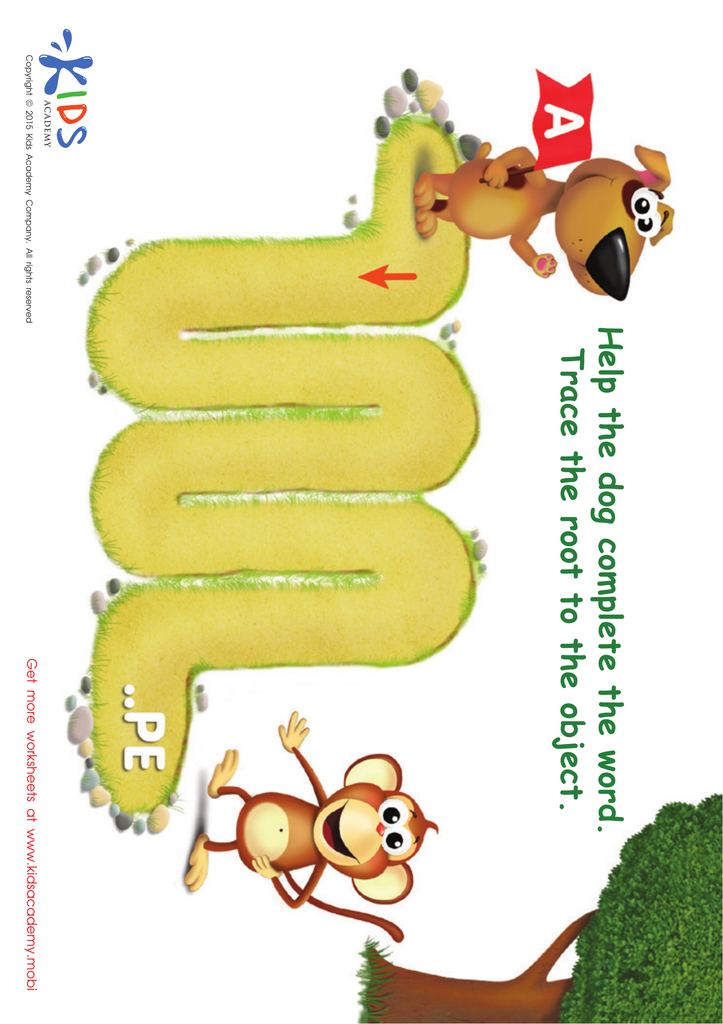
Long Vowel Sound A Worksheet Worksheet
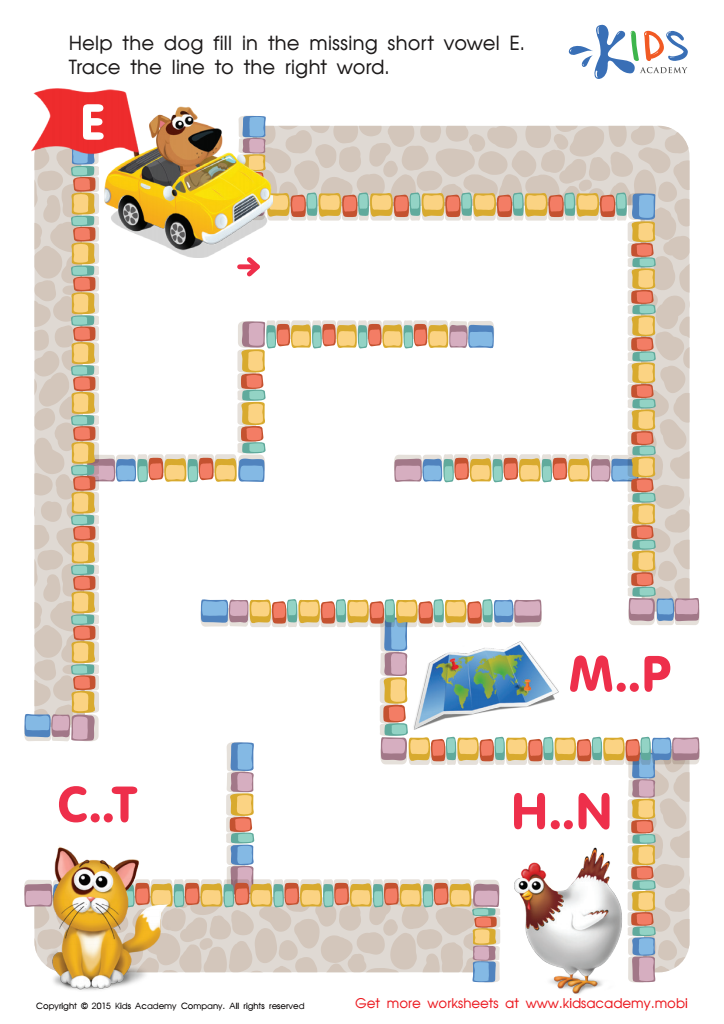
Short Vowel Sound E Worksheet
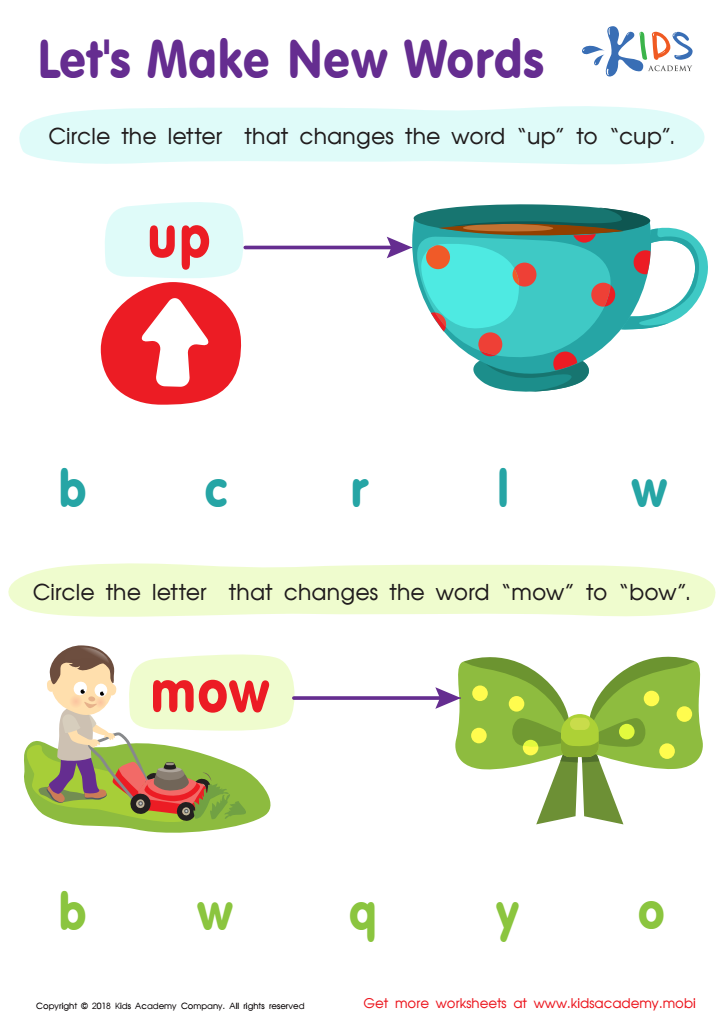
Let's Make New Words Worksheet
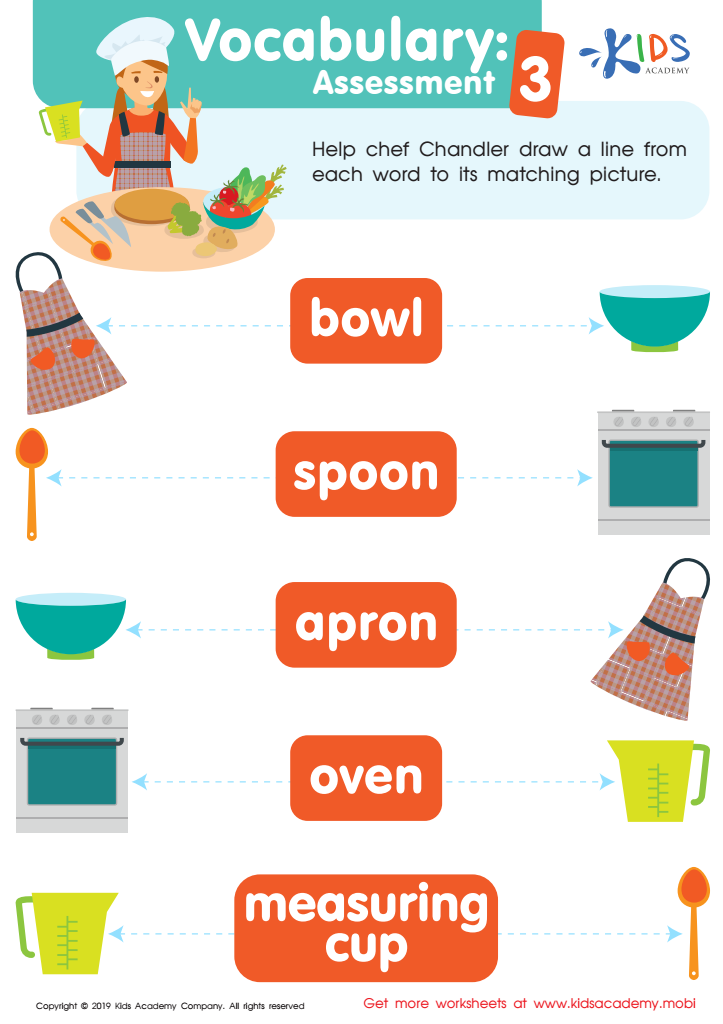
Vocabulary: Assessment 3 Worksheet
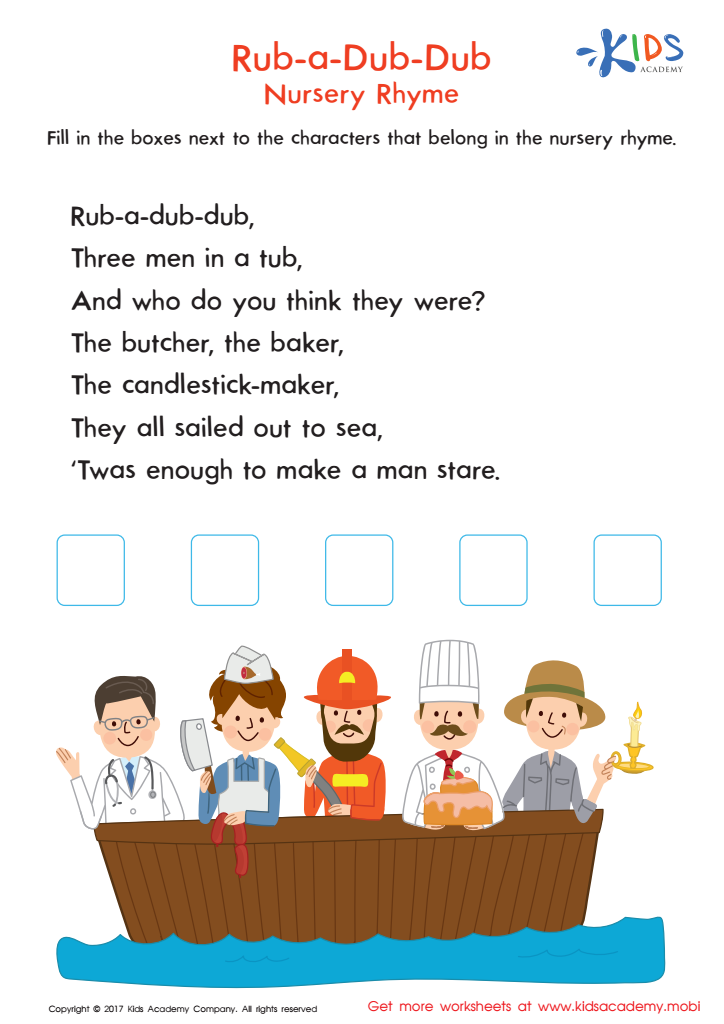
Rub a Dub Dub Printable
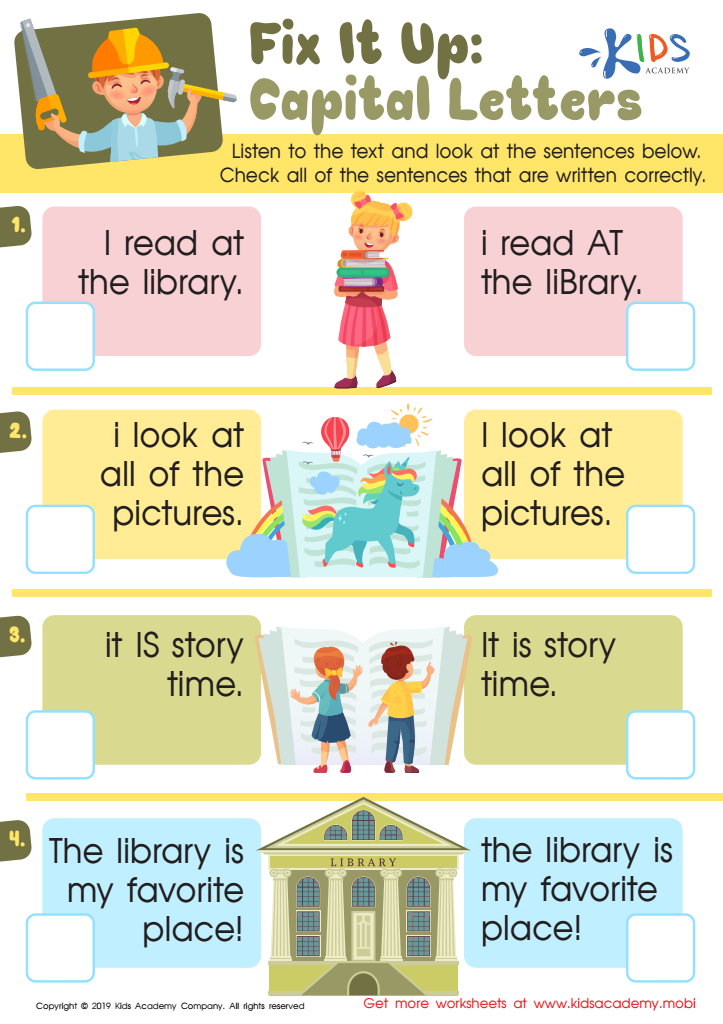
Fix Capital Letters Worksheet
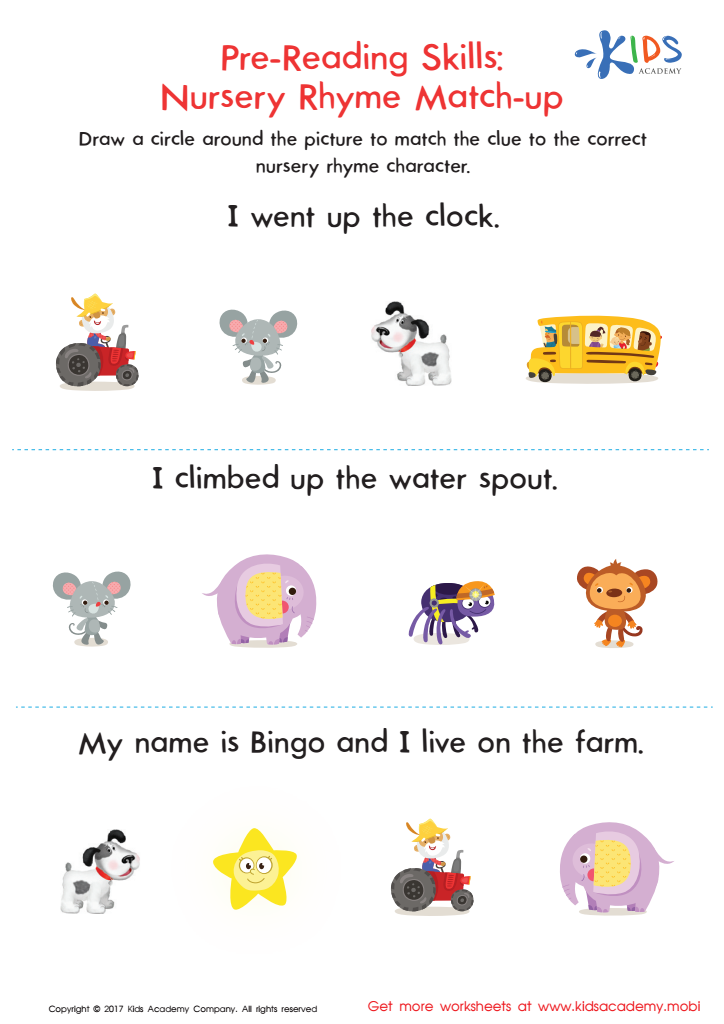
Nursery Rhyme Match–Up Worksheet
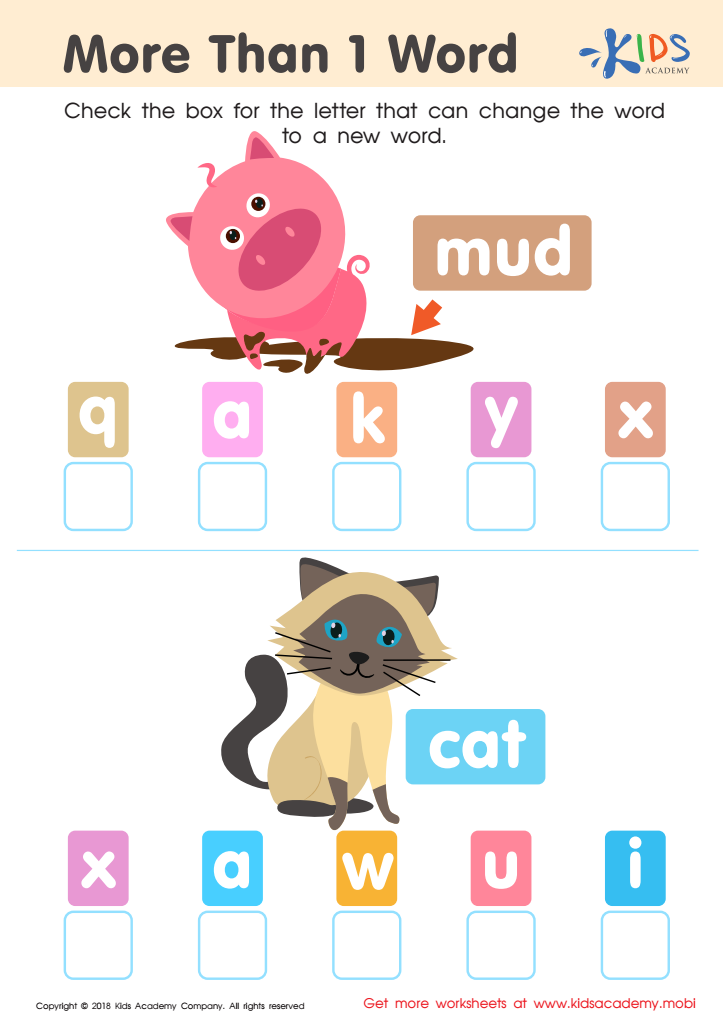
More than 1 word Worksheet
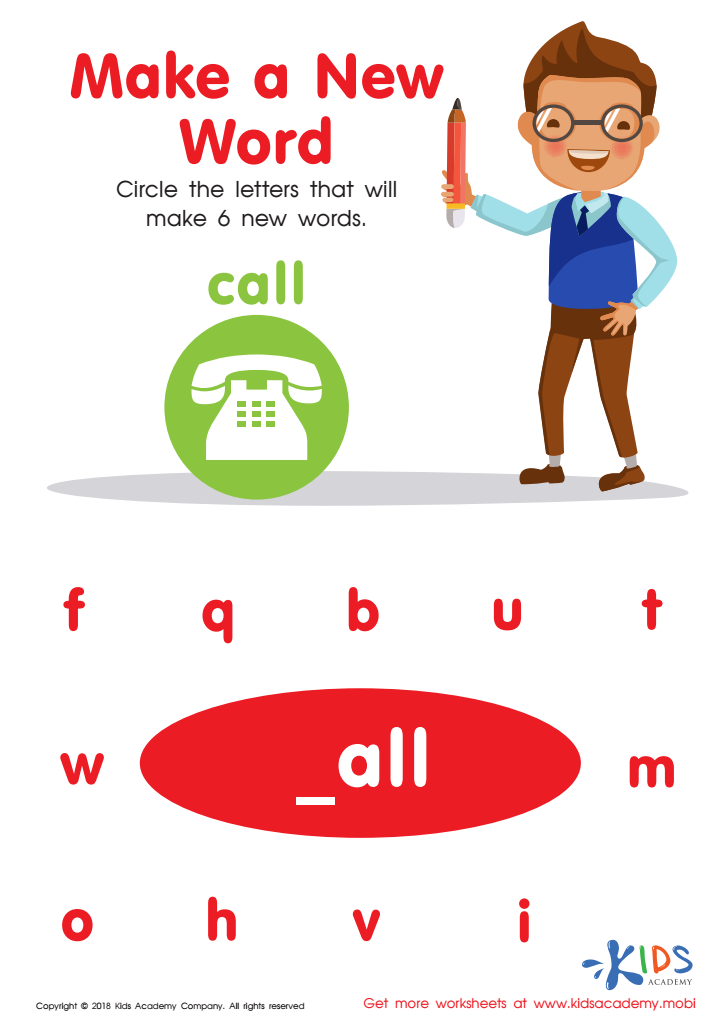
Make a New Word Worksheet

Long and Short E Worksheet
Assign to My Students
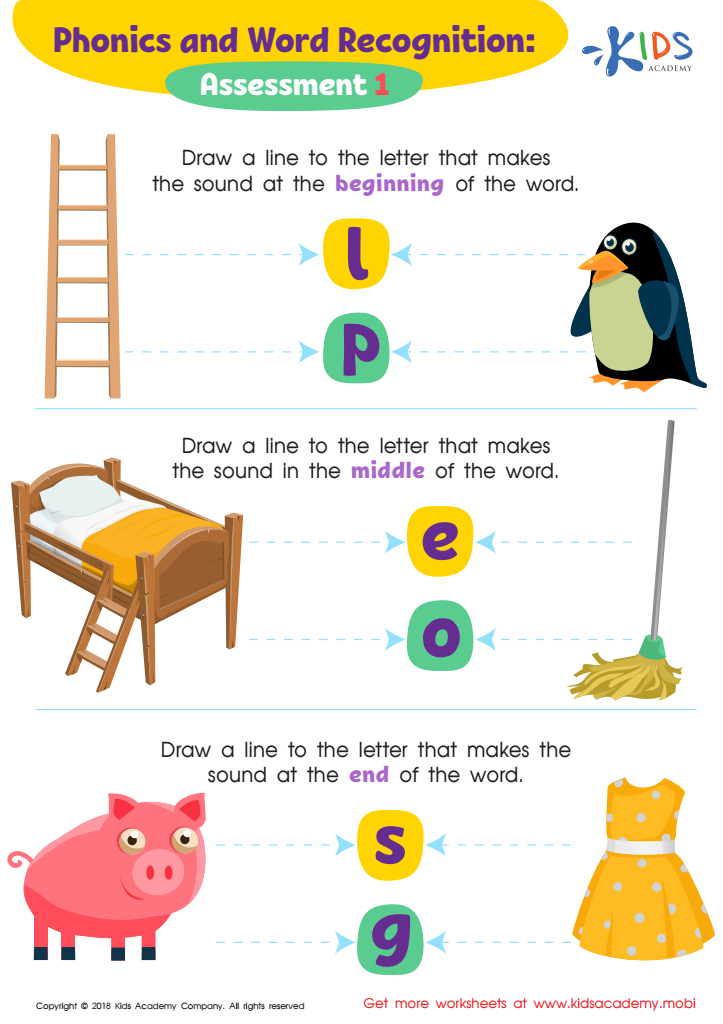
Phonics and Word Recognition: Assessment 1 ELA Worksheet
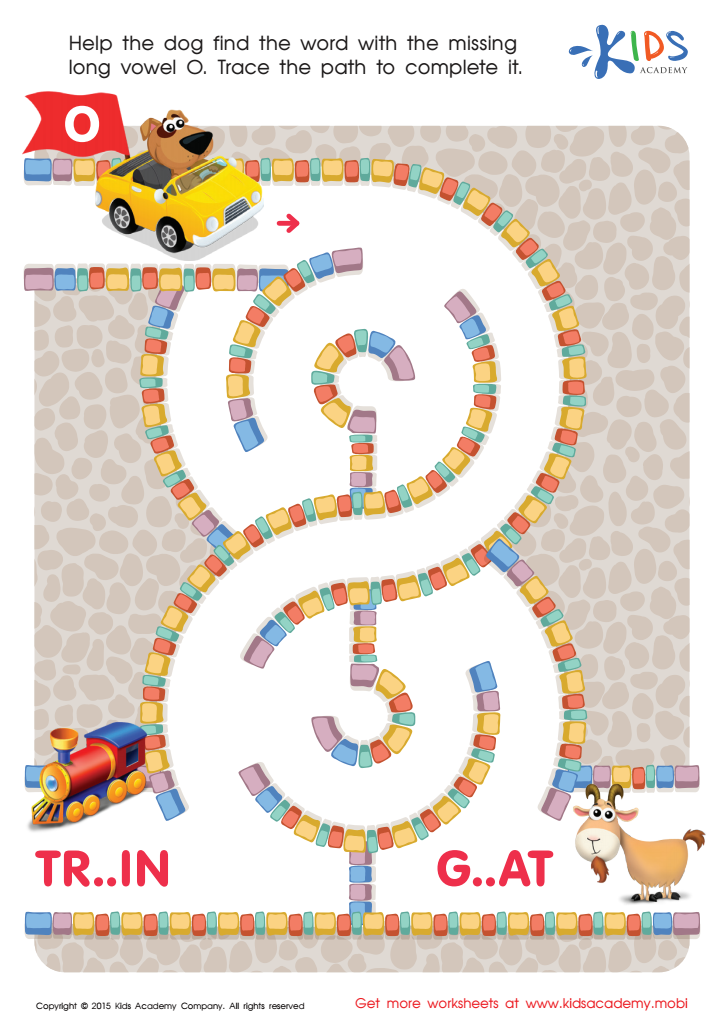
Long Vowel Sound O Worksheet
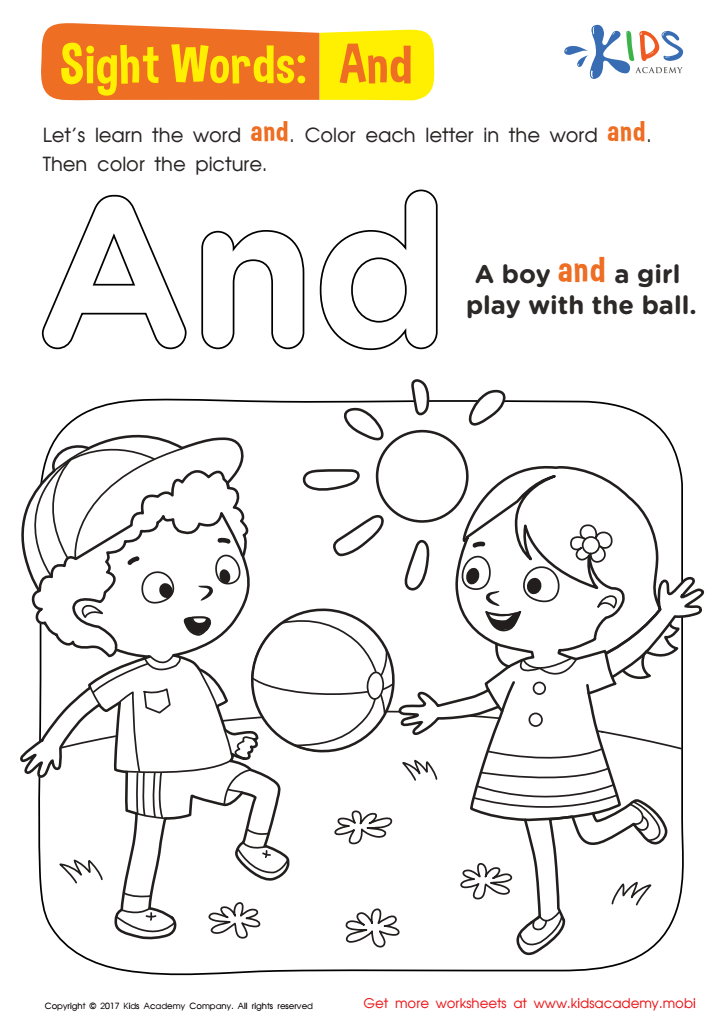
And Worksheet Sight Words Worksheet
Assign to My Students
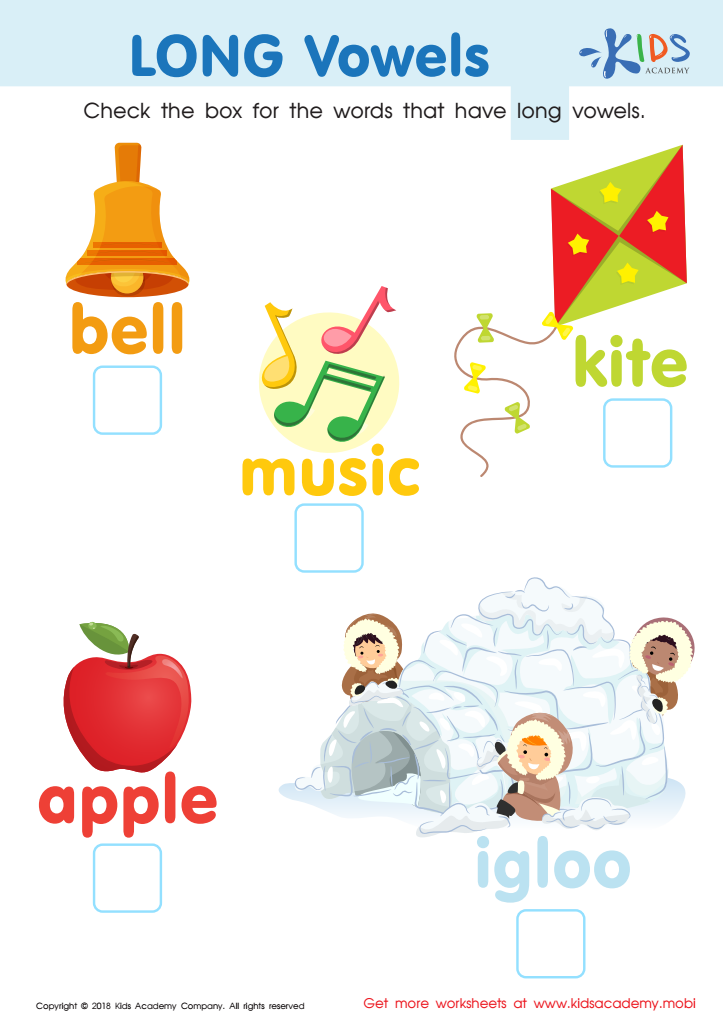
long vowels Worksheet
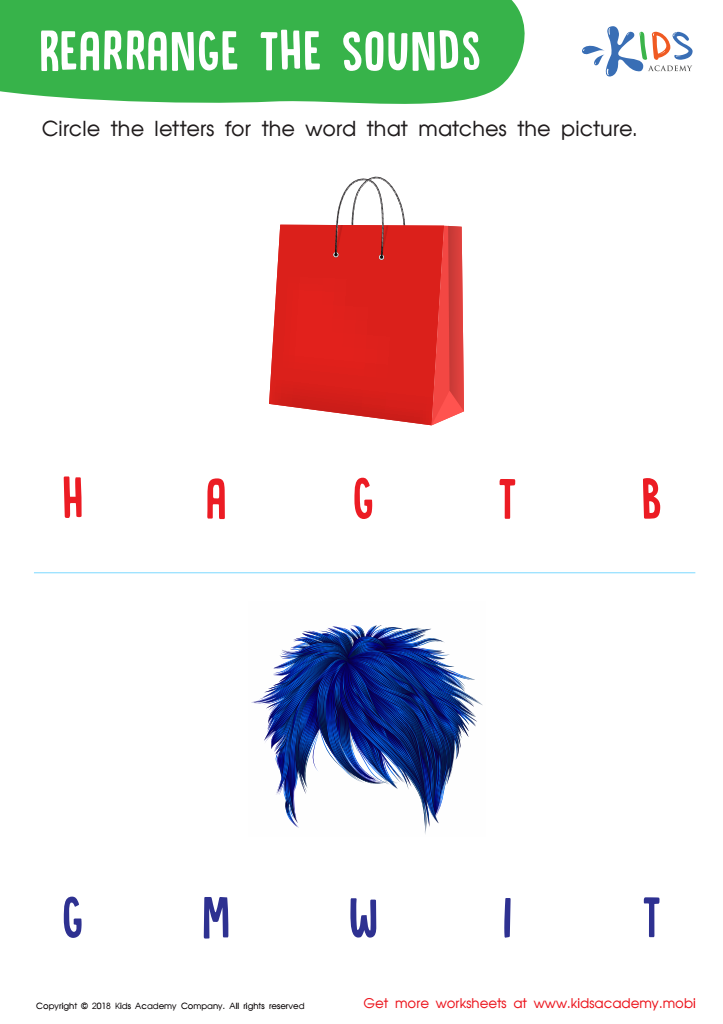
Rearrange the Sounds Worksheet
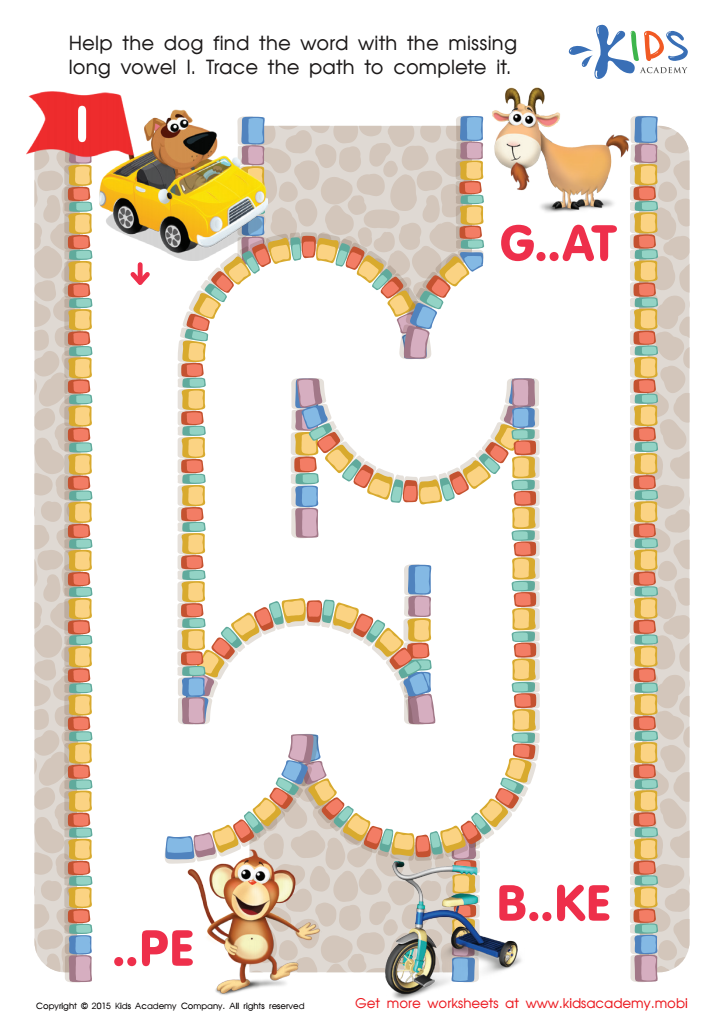
Long Vowel Sound I Worksheet








Parents and teachers should prioritize reading comprehension and the alphabet for children ages 3-4 because these early literacy skills form the foundation for future learning. At this tender age, children's brains are rapidly developing, making it an optimal time to introduce the essentials of language and communication. Recognizing letters and understanding their sounds (phonemic awareness) equips children with the tools they need for reading fluently and with comprehension—a skill crucial throughout their academic journey.
Furthermore, early exposure to reading enhances vocabulary, cognitive skills, and even social-emotional growth. As children interact with stories, they learn about different emotions, cultures, and experiences outside their daily lives. This fosters empathy and broadens their worldview.
Parents and educators who engage with young children in reading activities help cultivate a positive attitude toward books, promoting lifelong reading habits. Simple, enjoyable activities like alphabet games, picture books, and storytelling sessions make learning fun and meaningful. This early intervention can mitigate potential learning difficulties and bridge gaps for children who may struggle with language acquisition. Investing time and effort into early literacy not only supports academic success but also nurtures a child's self-confidence and curiosity, laying a robust groundwork for all future learning endeavors.







