Alphabet Recognition Letter J Worksheets for Ages 3-4
3 filtered results
-
From - To
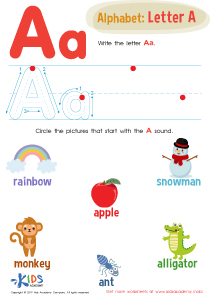
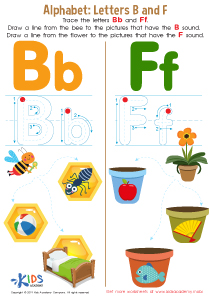
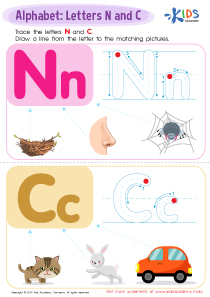
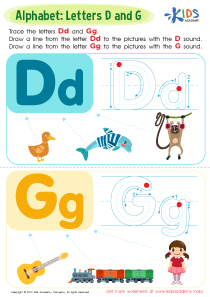
Discover fun and engaging Alphabet Recognition Letter J Worksheets designed for children ages 3-4 at Kids Academy! Our expertly crafted printables make learning the letter J an exciting adventure. With delightful activities like tracing, coloring, and identifying objects starting with J, these worksheets help young learners build essential early literacy skills. Perfect for home or classroom use, our Letter J resources ensure children develop strong letter recognition, phonetic awareness, and fine motor abilities. Spark your child's love for learning with Kids Academy's Letter J worksheets and set the foundation for successful reading and writing!
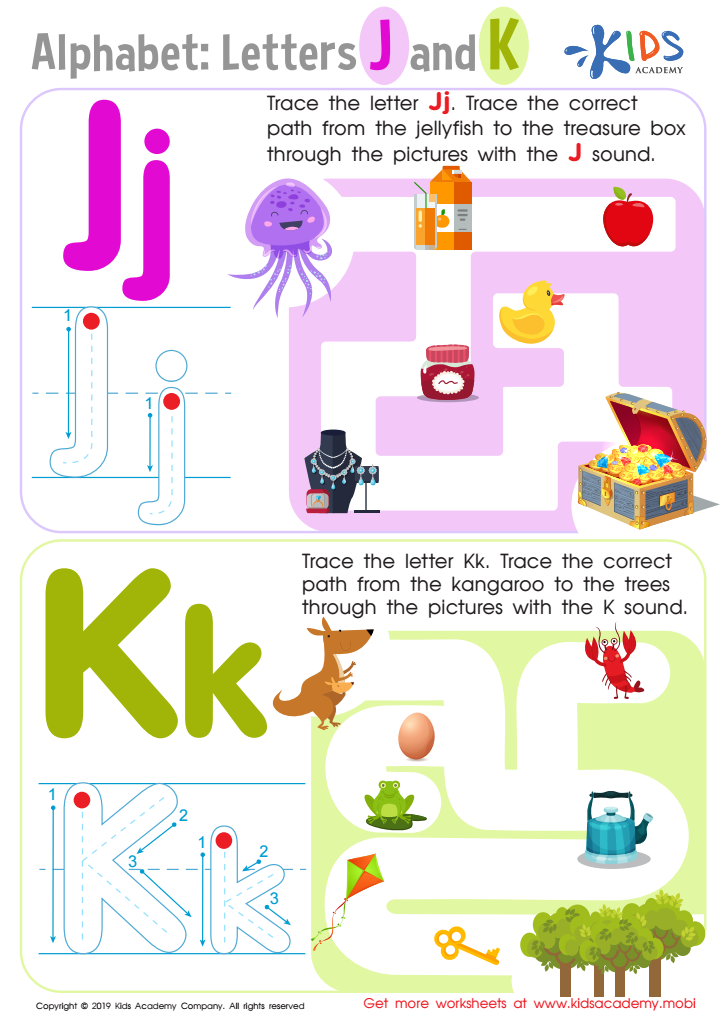
Letters J and K Tracing Worksheet
 Assign to My Students
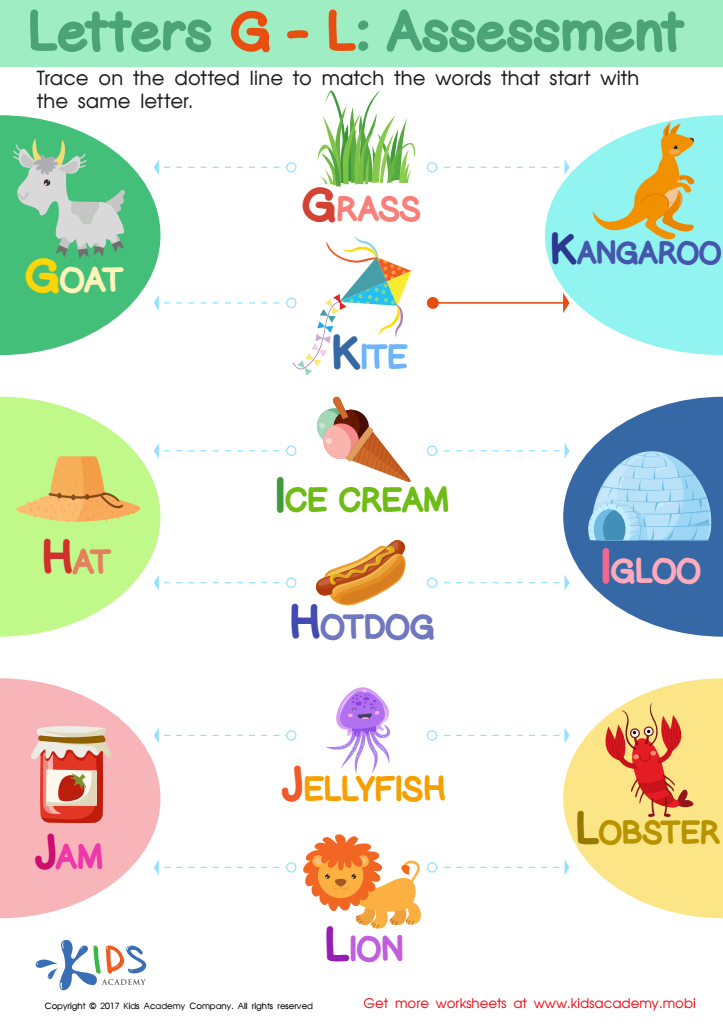
Letters G-L Worksheet
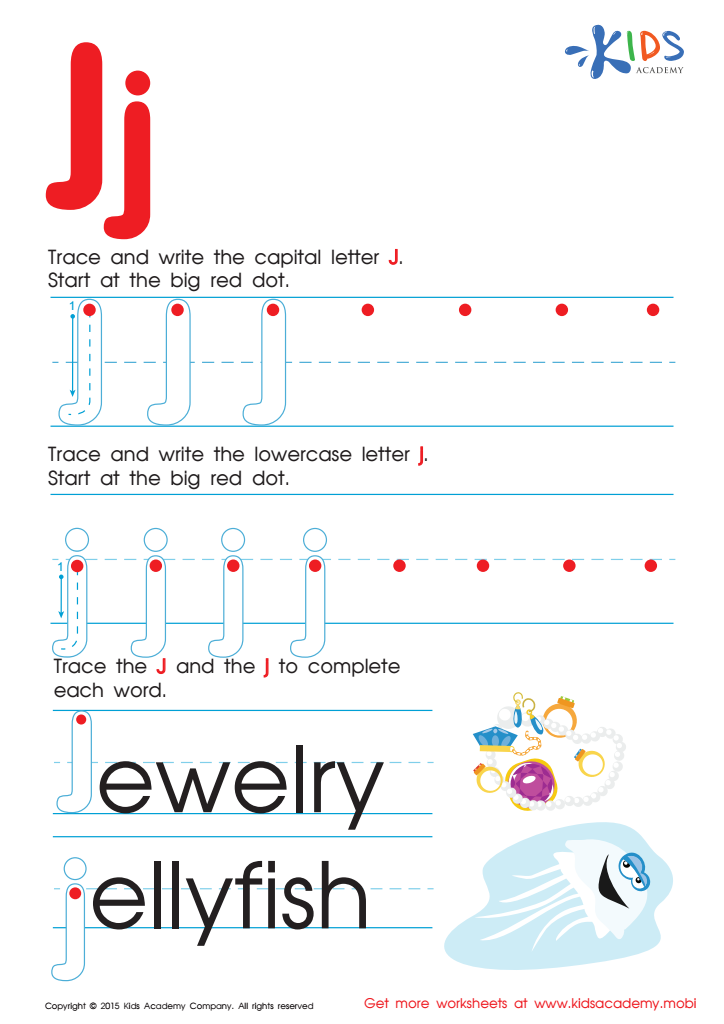
Letter J Tracing Page




Alphabet recognition, particularly for the letter J, is crucial for children aged 3-4 as it lays the foundational blocks for literacy. At this formative stage, children’s brains are incredibly receptive to new information. Introducing them to the alphabet fosters early reading skills and sets them up for future success in school. Recognizing and understanding letters, including J, helps with phonemic awareness, a key step in learning how to read. As children identify the letter J, they begin to associate it with sounds and words, such as "juice," "jungle," or "jump," expanding their vocabulary and easing the transition from oral language to written language.
Alphabet knowledge is also essential for writing skills. Knowing the letter J allows children to start practicing writing it, developing fine motor skills and hand-eye coordination. This early practice enhances their ability to form words and sentences later on.
Additionally, fostering familiarity with the alphabet, including the letter J, boosts a child's confidence and enthusiasm for learning. This positive early experience with literacy can instill a lifelong love for reading and education. By prioritizing letter recognition in early childhood, parents and teachers ensure that children have a strong literacy foundation, crucial for their academic and personal development.