Writing practice Letter Recognition Worksheets for Ages 3-4
13 filtered results
-
From - To
Welcome to our "Writing Practice Letter Recognition Worksheets for Ages 3-4"! Designed specifically for young learners, these engaging worksheets promote essential letter recognition skills while enhancing writing abilities. Combining fun activities with interactive learning, our resources help children identify letters and practice writing them. Packed with colorful illustrations and user-friendly formats, these worksheets make learning exciting and enjoyable! Perfect for parents and educators aiming to foster early literacy skills, our collection provides a solid foundation for children as they embark on their reading and writing journeys. Encourage your little ones to develop confidence in letter recognition with our specially designed practices today!
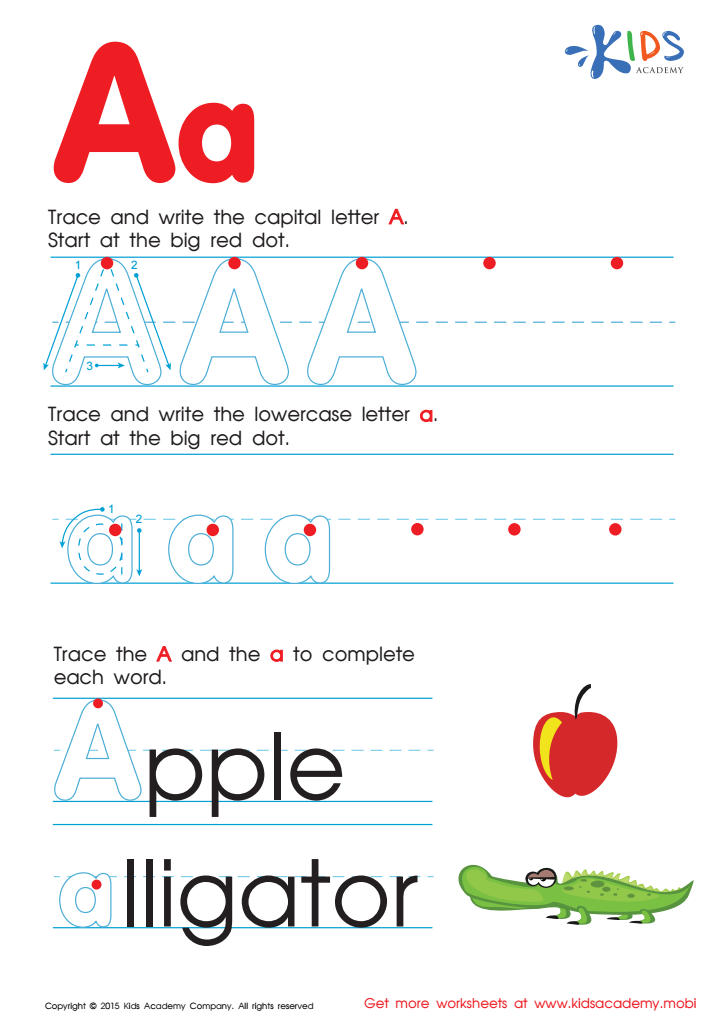
Letter A Tracing Page
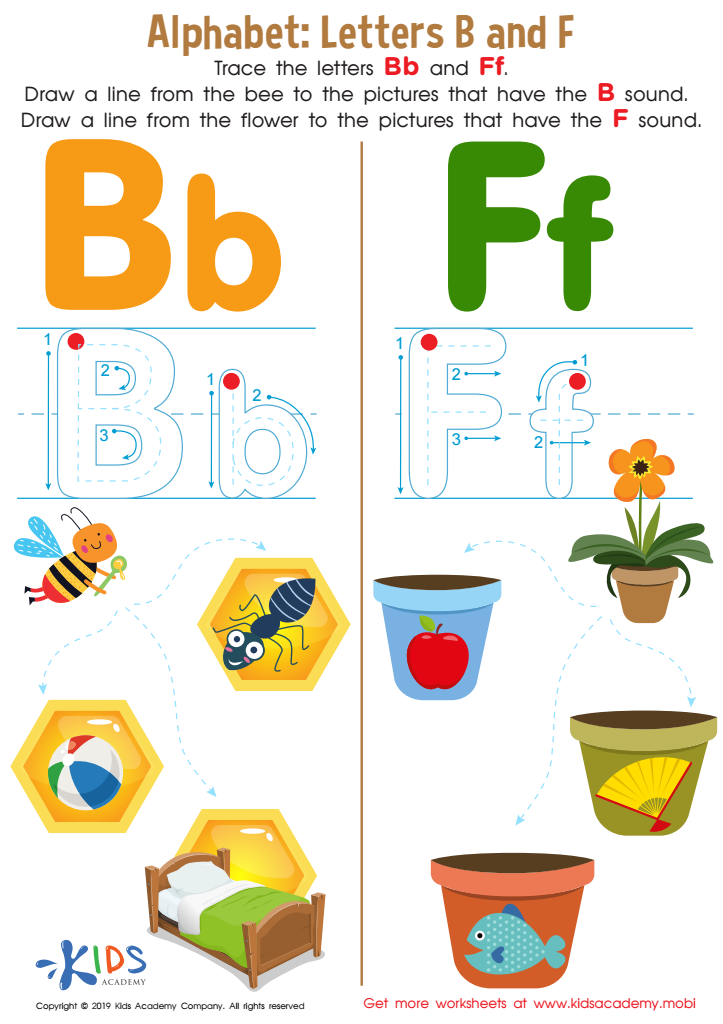
Letters B and F Tracing Worksheet
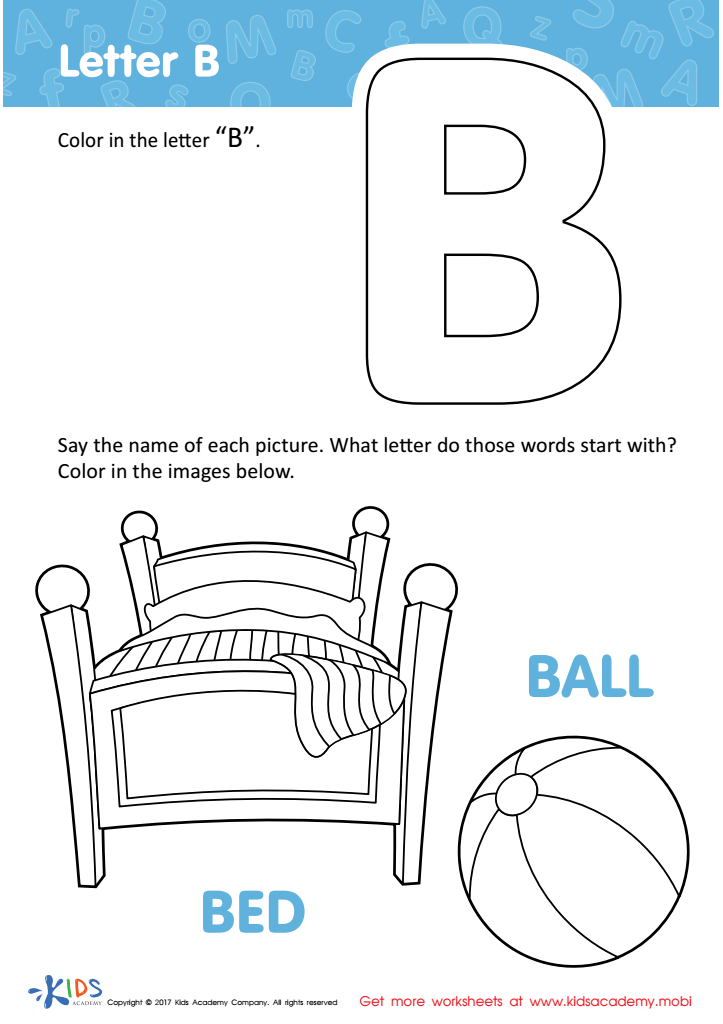
Letter B Coloring Sheet
 Assign to My Students
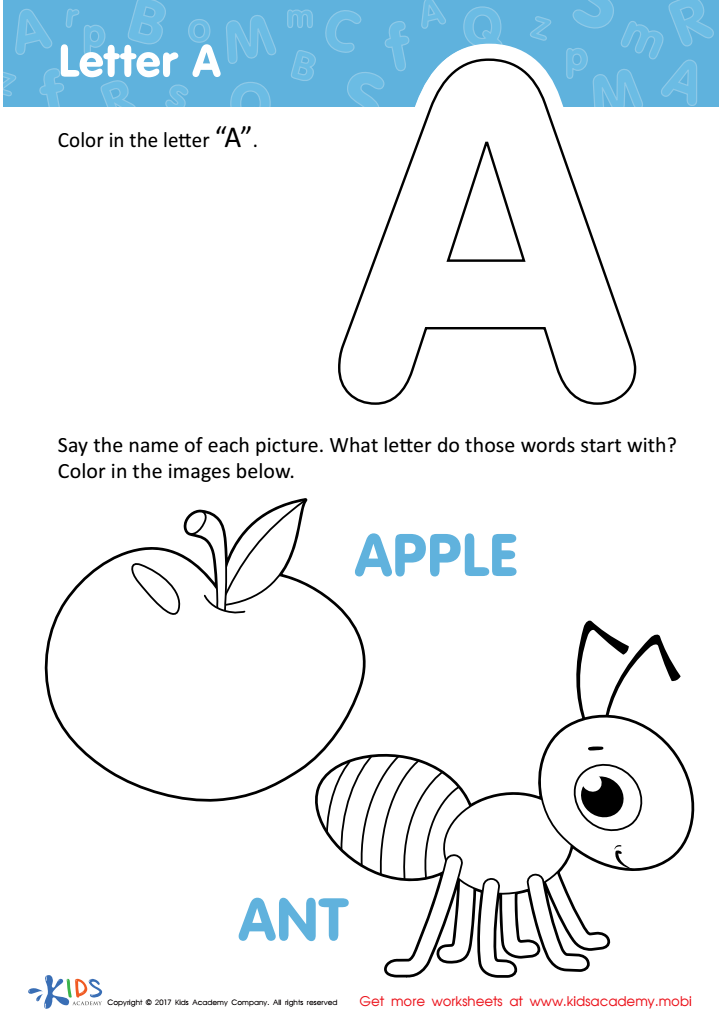
Letter A Coloring Sheet
Assign to My Students

Letter H Tracing Page
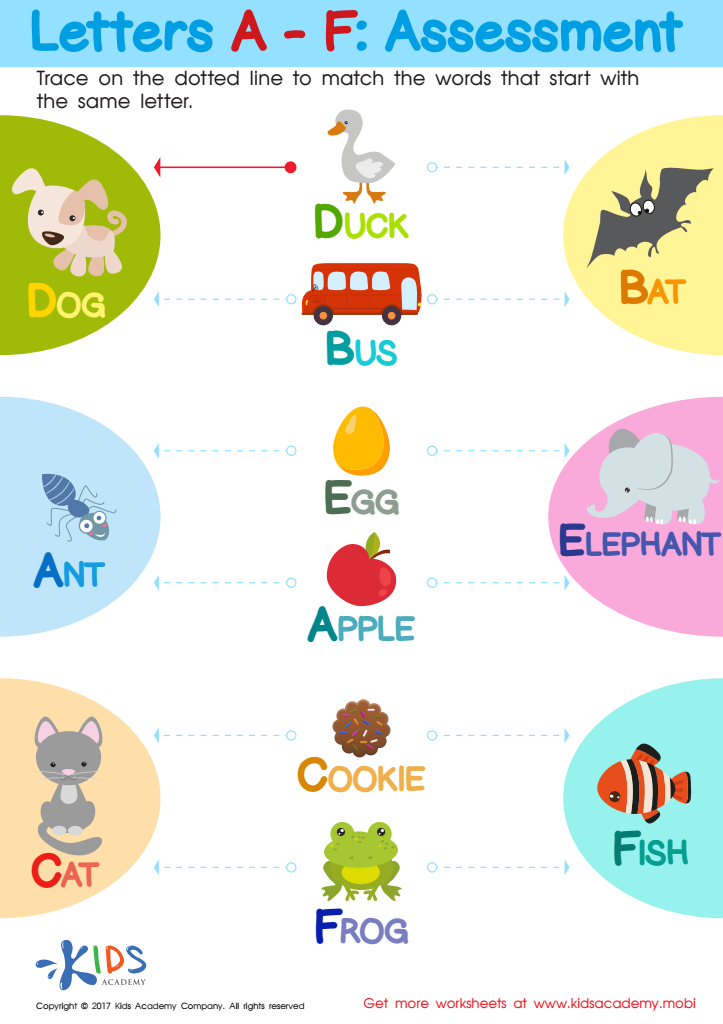
Letters A - F Worksheet
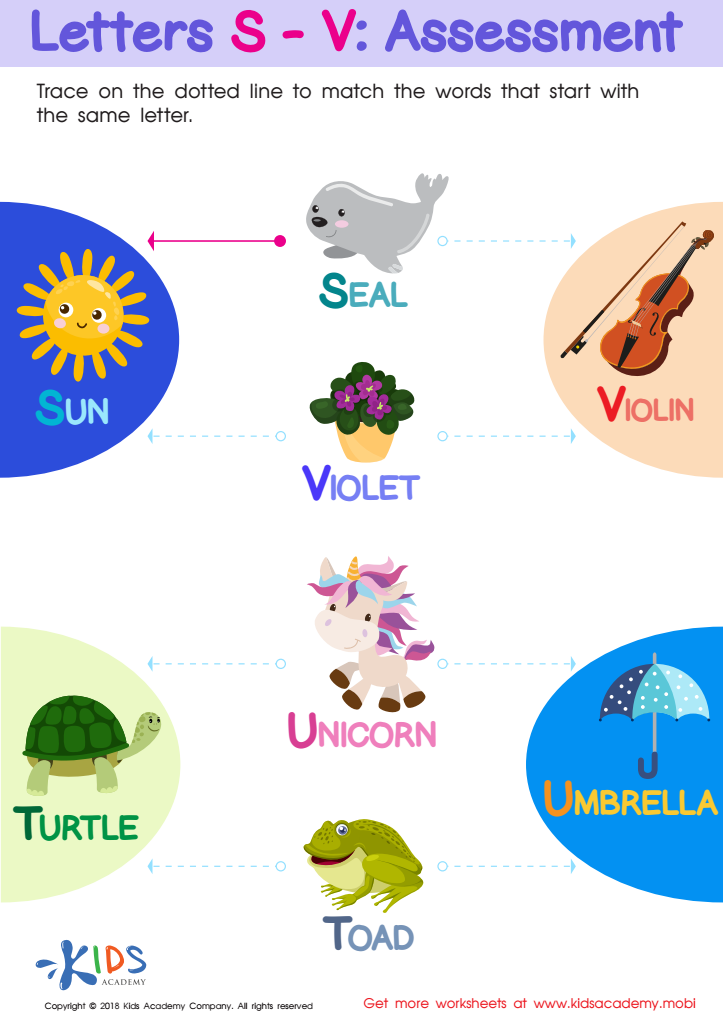
Letters S - V Tracing Worksheet
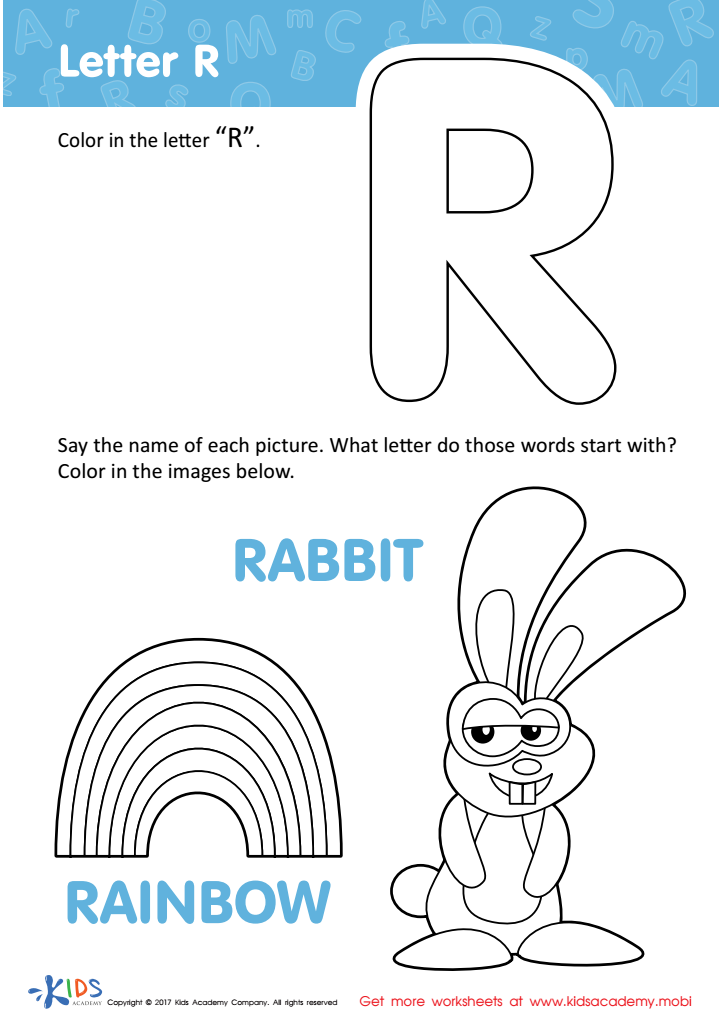
Letter R Coloring Sheet
Assign to My Students
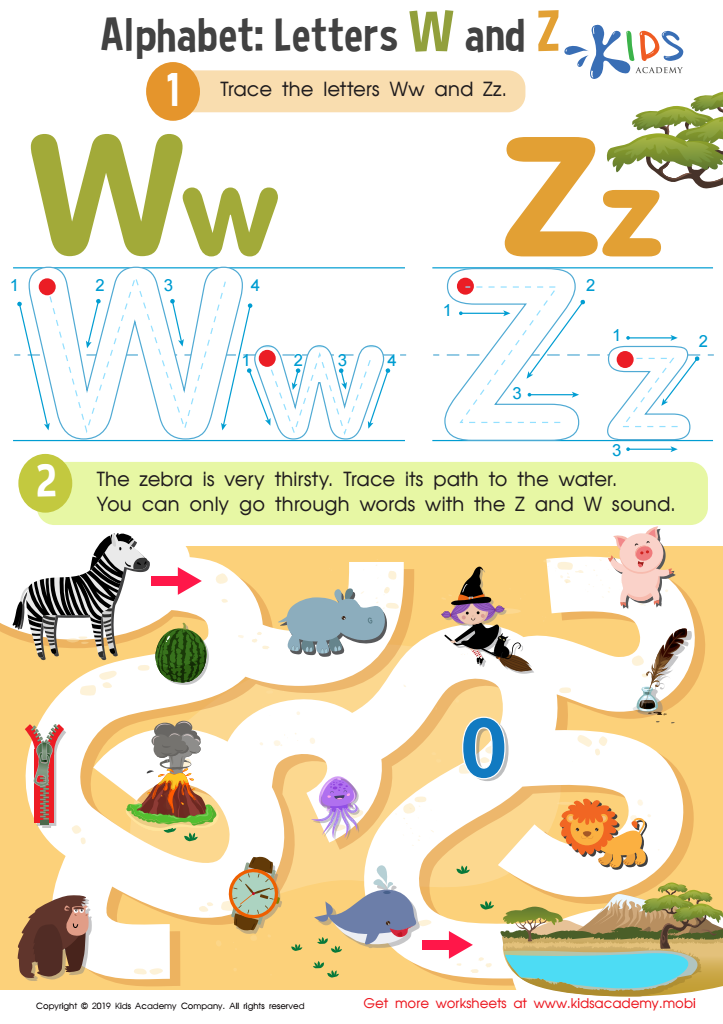
Letters W and Z Tracing Worksheet
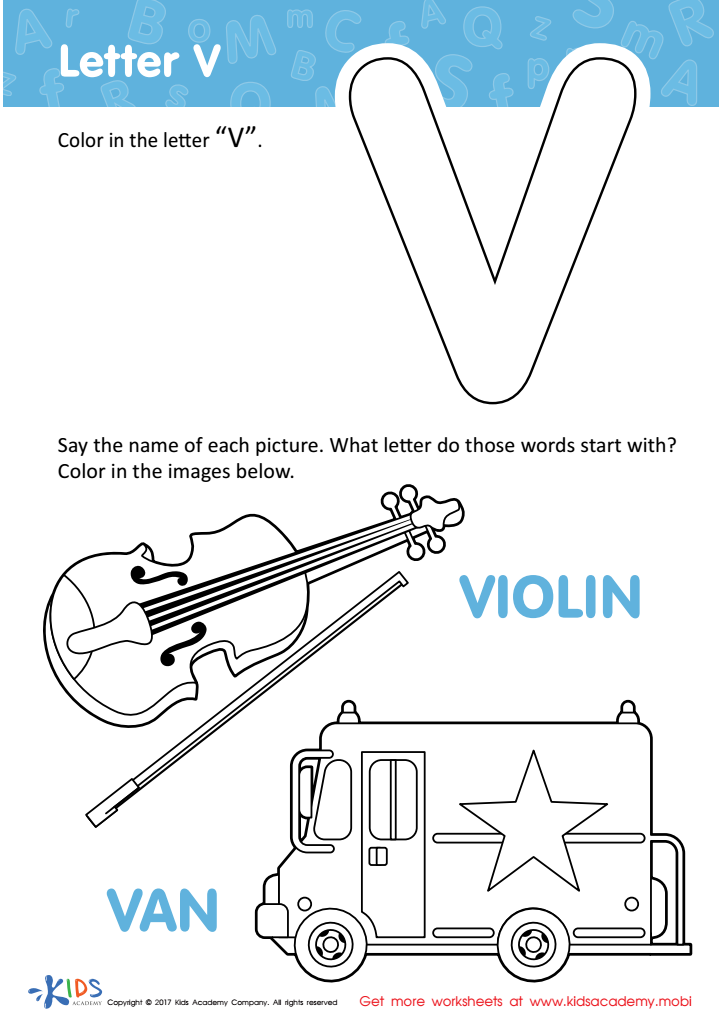
Letter V Coloring Sheet
Assign to My Students
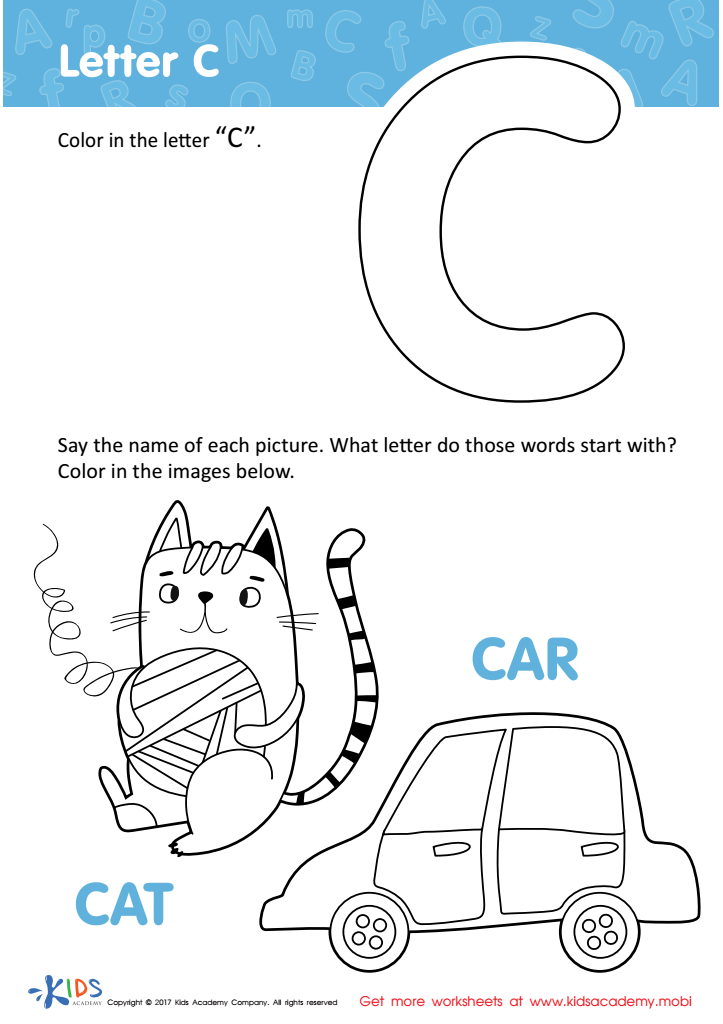
Letter C Coloring Sheet
Assign to My Students
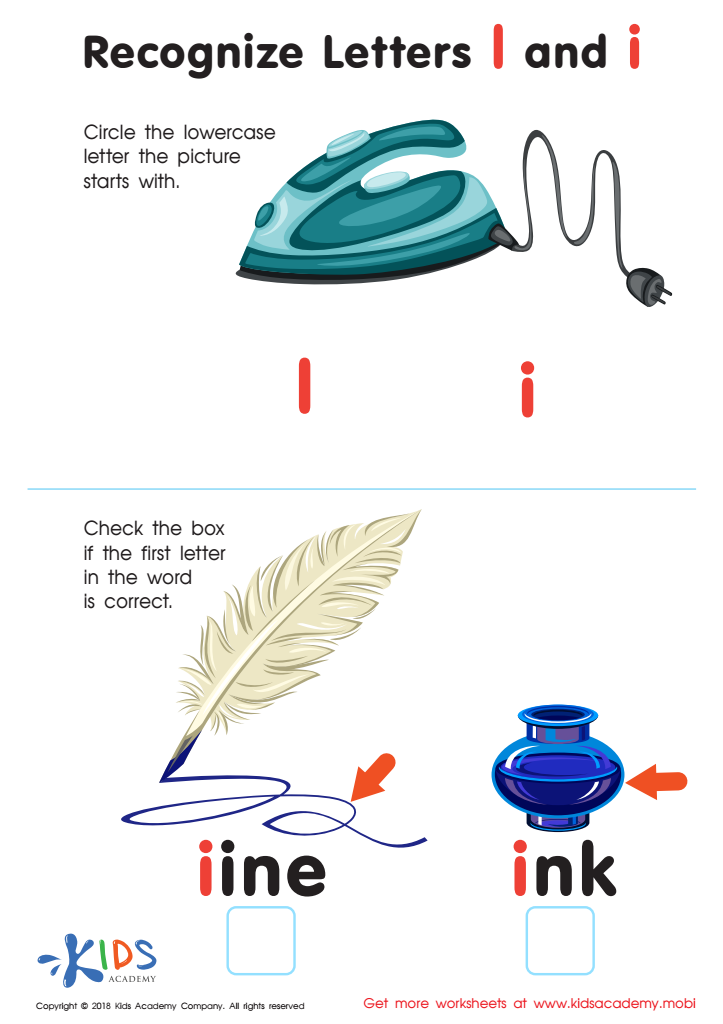
Recognize Letters l and i Worksheet
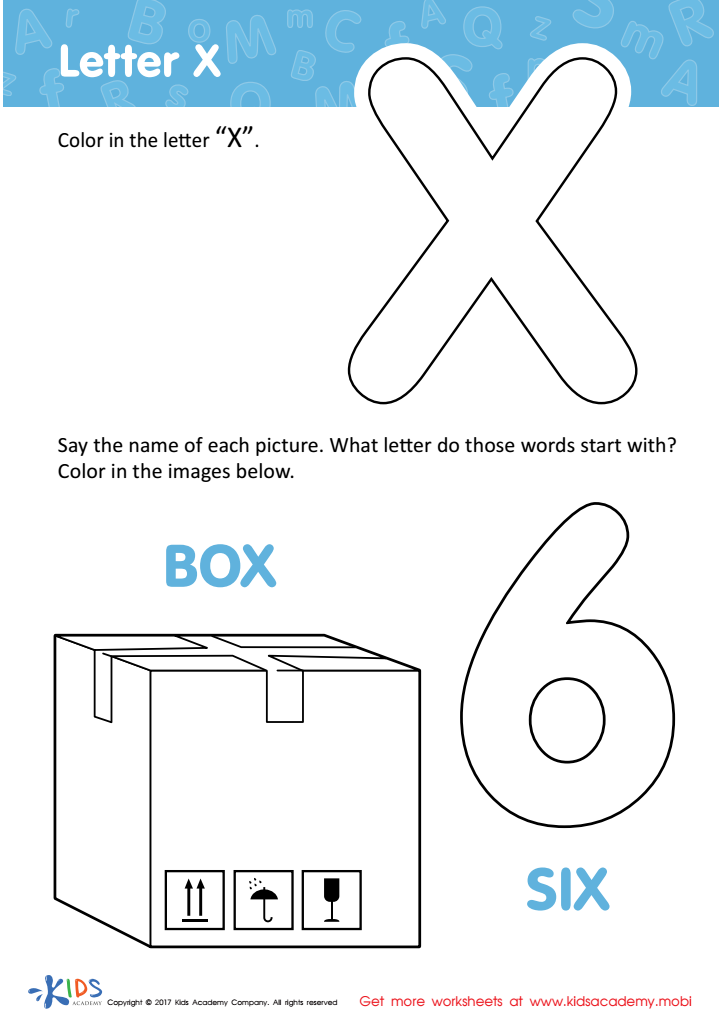
Letter X Coloring Sheet
Assign to My Students








Writing practice and letter recognition are fundamental skills that lay the groundwork for a child's literacy development, especially for ages 3-4. At this developmental stage, children are naturally curious and eager to explore their surroundings, making it an ideal time to introduce them to letters and writing.
Firstly, letter recognition helps children identify the sounds and shapes of letters, which is crucial for reading. Being able to recognize letters in their environment fosters language development and builds a foundation for phonemic awareness, a key component of learning to read.
Secondly, engaging in writing practice strengthens fine motor skills. Using crayons, markers, or pencils helps develop hand-eye coordination and the dexterity required for writing later on. This physical practice not only supports writing but also contributes to other skills like threading beads or using scissors.
Moreover, exploring letters through playful activities can enhance cognitive development. It encourages problem-solving, creativity, and critical thinking. Parents and teachers who prioritize these skills create fun learning opportunities, ensuring that children associate literacy with positivity and exploration. By fostering these early competencies, caregivers empower children to become confident learners, laying the foundation for their future educational journey.







