Color Identification Phonics Worksheets for Ages 3-4
3 filtered results
-
From - To
Introducing our engaging Color Identification Phonics Worksheets for Ages 3-4! Designed to foster early learning, these worksheets combine vibrant colors with essential phonics skills, making learning interactive and fun. Perfect for preschoolers, each worksheet encourages children to identify colors while reinforcing letter recognition and pronunciation. Kids will enjoy activities that incorporate tracing, matching, and coloring, promoting fine motor skills and cognitive development. With a variety of themes and designs, these worksheets keep young learners motivated and excited about mastering their colors and phonics. Start your child's educational journey today and watch them flourish with our colorful learning resources!
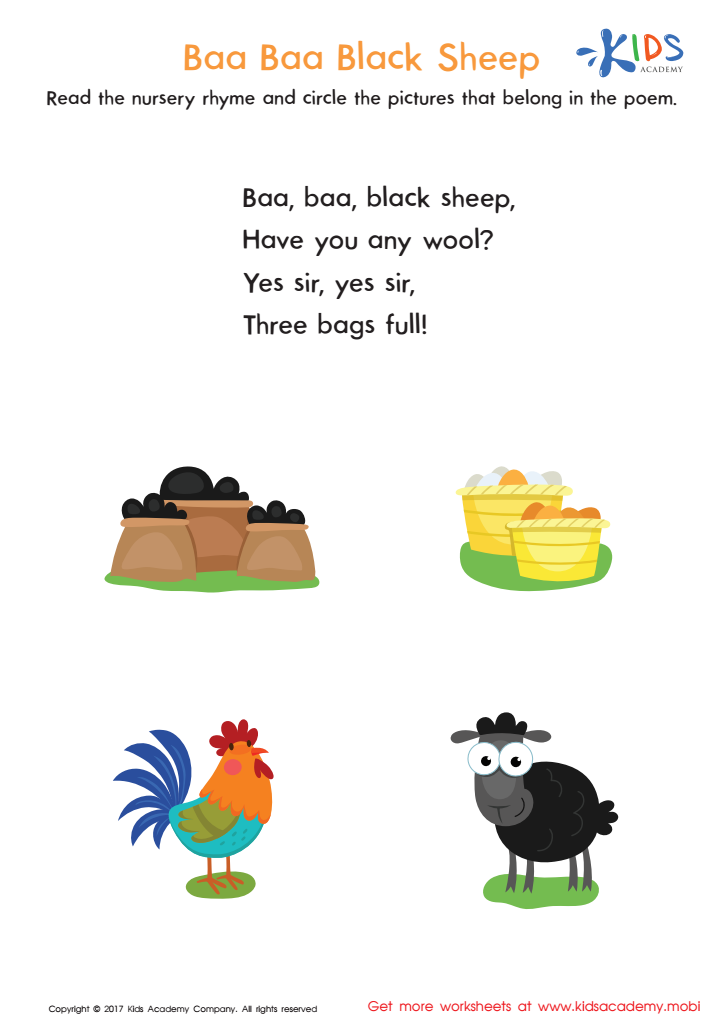
Baa Baa Black Sheep Printable
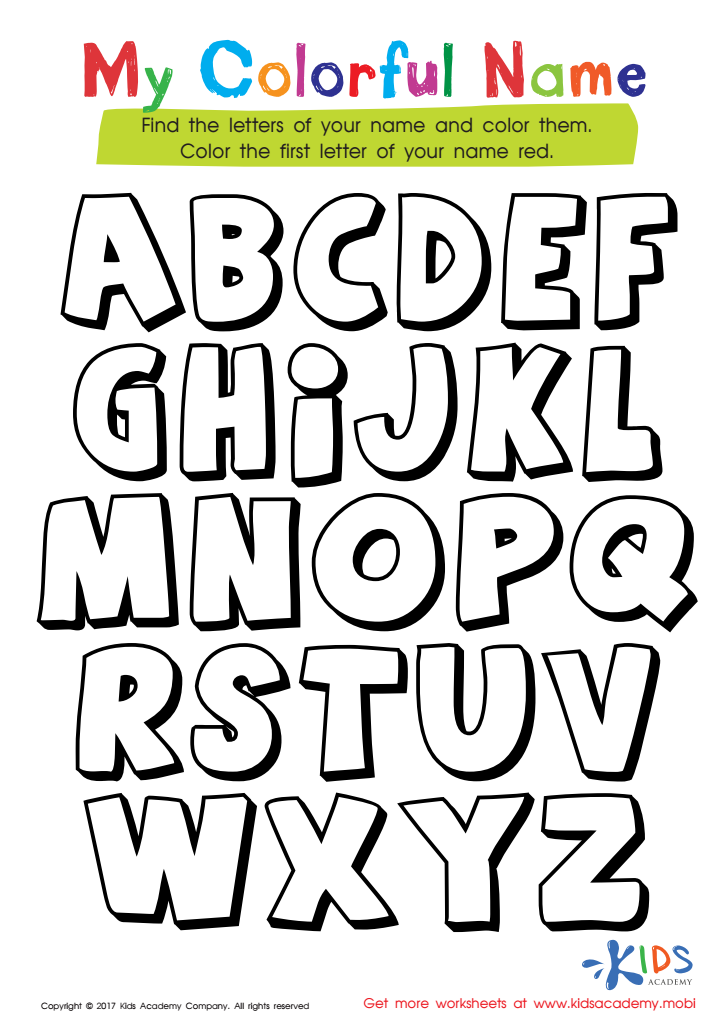
My Colorful Name Worksheet
 Assign to My Students
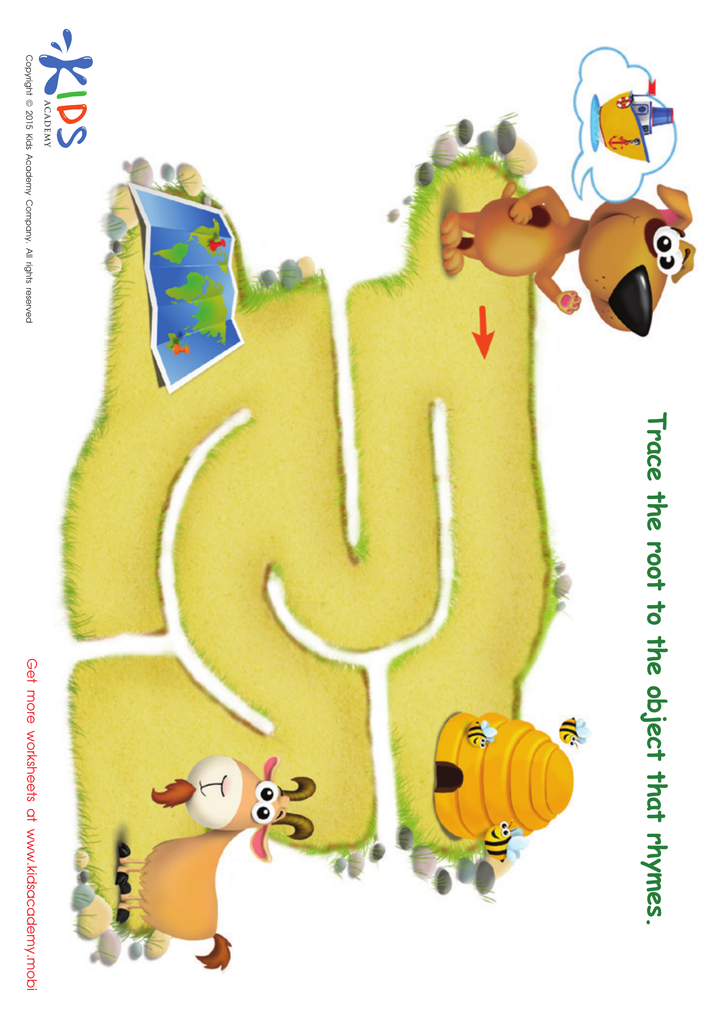
Boat Rhyming Words Worksheet








Color identification and phonics are vital components of early childhood education, and parents and teachers should prioritize them for children aged 3-4 for several reasons. First, color identification helps children develop important cognitive skills, such as categorization and critical thinking. By learning to distinguish and name colors, children enhance their ability to notice differences and similarities in their environment, which lays the groundwork for more complex concepts in math and science later on.
In addition, phonics is essential for literacy development. Early exposure to phonetic sounds and letter recognition significantly boosts a child’s readiness for reading. Engaging in activities that integrate colors with phonics creates a fun and stimulating learning environment. For instance, using colored blocks or books can enhance vocabulary and encourage phonemic awareness.
Furthermore, incorporating color identification into phonics lessons fosters greater engagement, catering to multiple learning styles—visual, auditory, and kinesthetic. It also nurtures creativity and self-expression as children explore the world around them. By investing time in combining these two vital educational elements, parents and teachers can help children build a strong foundation for future academic success, ensuring they feel confident and excited about learning.







