Fine Motor Skills Phonics Worksheets for Ages 3-4
5 filtered results
-
From - To
Discover our engaging Fine Motor Skills Phonics Worksheets designed specifically for children ages 3-4. These printable resources seamlessly combine phonics learning with essential fine motor skill development, allowing young learners to strengthen their hand-eye coordination while mastering the alphabet. Each worksheet is thoughtfully created to keep children motivated and entertained through fun activities such as tracing letters, identifying sounds, and coloring. By integrating phonics with fine motor exercises, our worksheets provide a holistic approach to early education, equipping your child with the foundational skills they need for future learning. Explore our collection today and watch your child's confidence and skills grow!
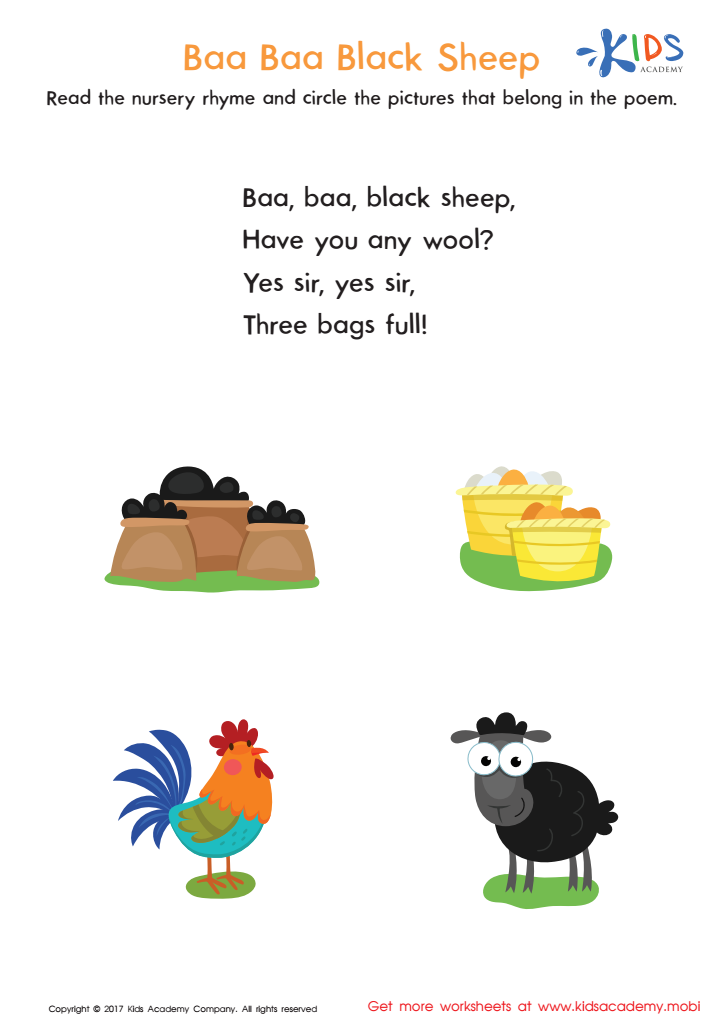
Baa Baa Black Sheep Printable
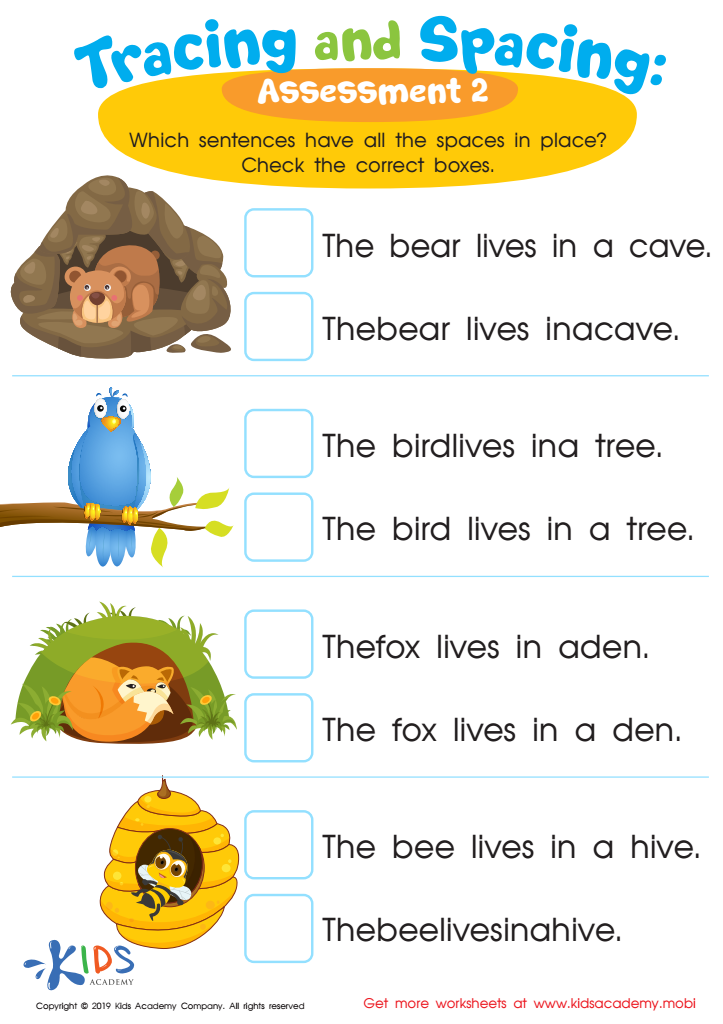
Tracing and Spacing: Assessment 2 Worksheet
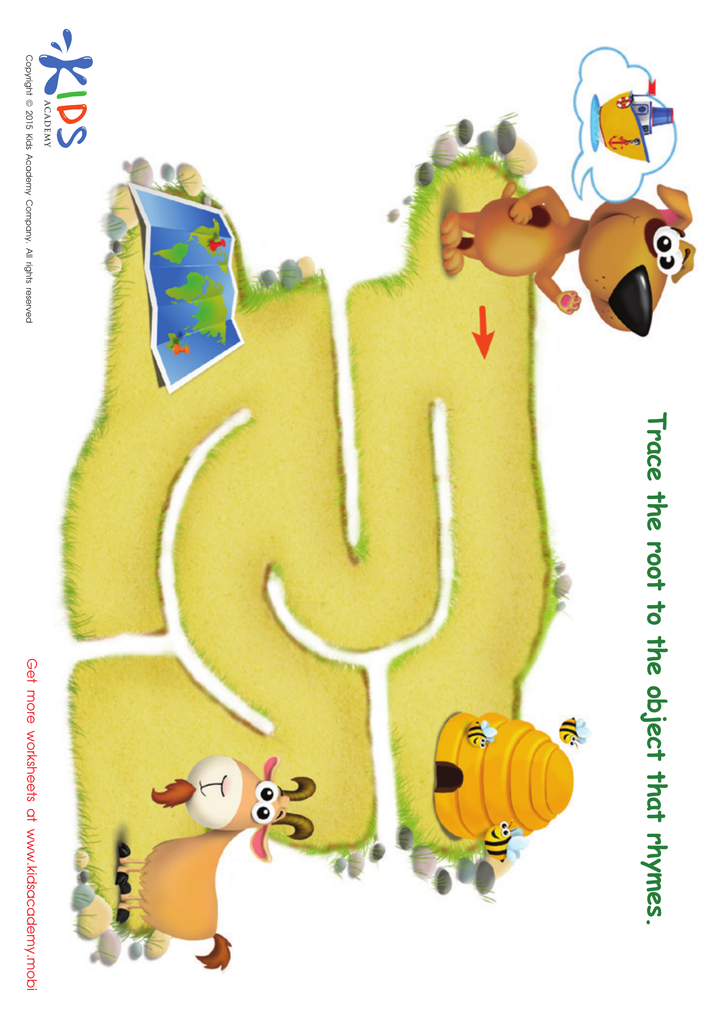
Boat Rhyming Words Worksheet

Long and Short U Worksheet
 Assign to My Students
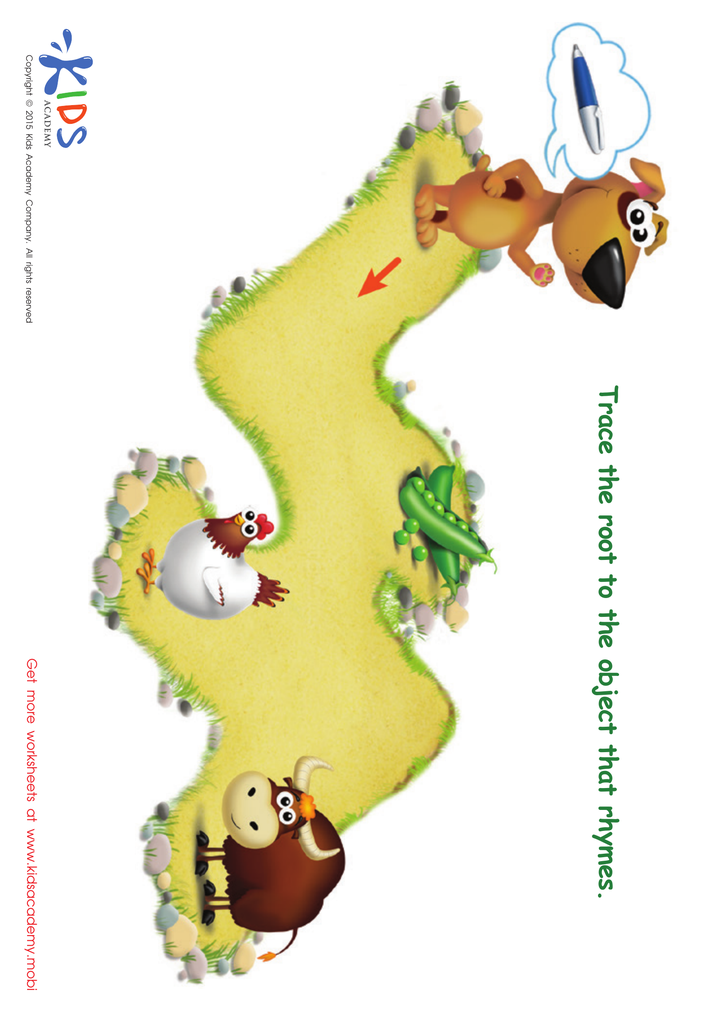
Pen Rhyming Words Worksheet








Fine motor skills and phonics are crucial components of early childhood development, particularly for children ages 3-4. Parents and teachers should care about these skills because they lay the foundation for future learning and school readiness. Fine motor skills involve the ability to use small muscles in hands and fingers, which are essential for tasks such as writing, buttoning clothes, and using scissors. Engaging in activities that develop these skills—like drawing, crafting, or manipulating small objects—enhances a child's dexterity and coordination, empowering them to participate confidently in classroom activities.
Similarly, phonics—the understanding of the relationship between letters and sounds—plays a significant role in literacy development. Early exposure to phonics helps children decode words, improving their reading skills as they progress through school. When fine motor skills and phonics are combined through playful activities, children are more likely to engage and enjoy the learning process.
By nurturing these skills, parents and teachers can foster a love for learning, encourage independence, and build self-esteem in young learners. These foundational abilities not only support immediate school-related tasks but also contribute significantly to a child's long-term educational success. Investing in fine motor and phonics skills now will yield benefits for years to come.







