Phonics improvement Phonics Worksheets for Ages 3-4
3 filtered results
-
From - To
Boost your child’s early literacy with our engaging Phonics Improvement Worksheets designed for ages 3-4! These printable activities make learning fun and effective, helping young learners grasp essential phonics concepts through playful exercises. Each worksheet focuses on letter sounds, word recognition, and basic reading skills to build a strong foundation for future success. Perfect for preschoolers and early kindergarten students, our expertly crafted worksheets feature vibrant illustrations and interactive tasks. Empower your little ones to become confident readers with our easy-to-use phonics resources. Visit Kids Academy to download your free worksheets today!
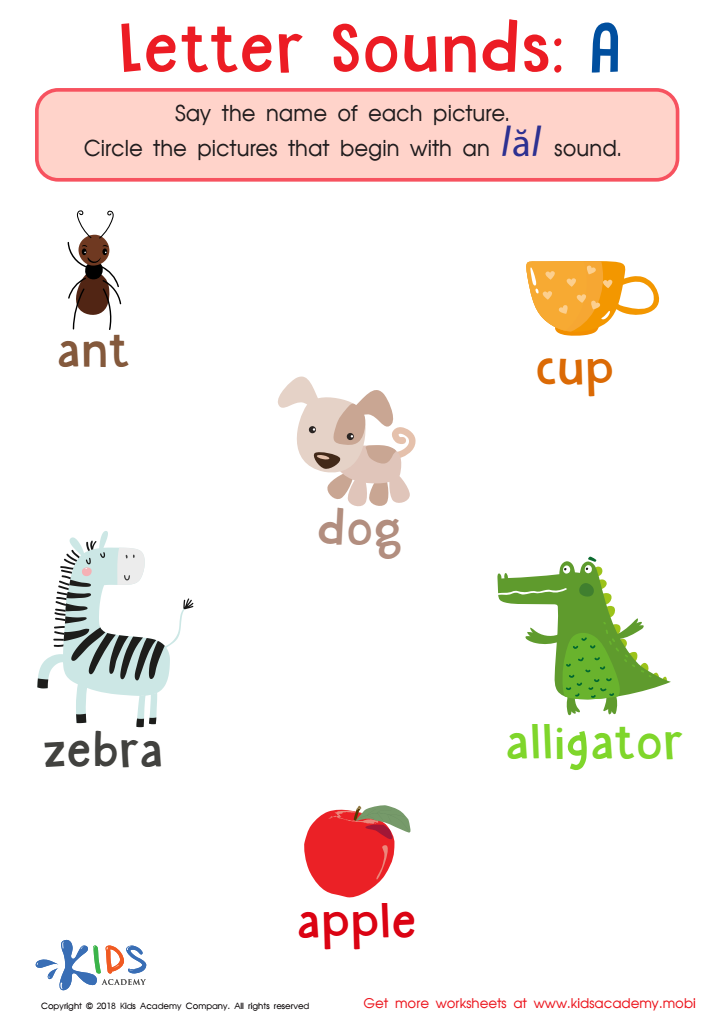
Letter A Sounds Worksheet
 Assign to My Students
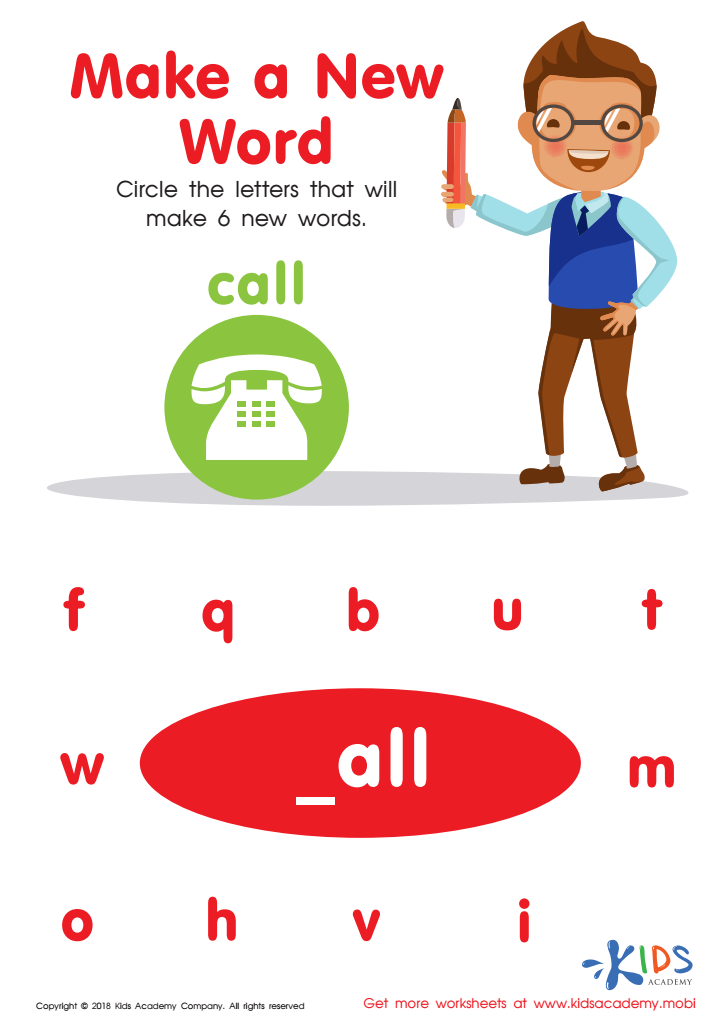
Make a New Word Worksheet
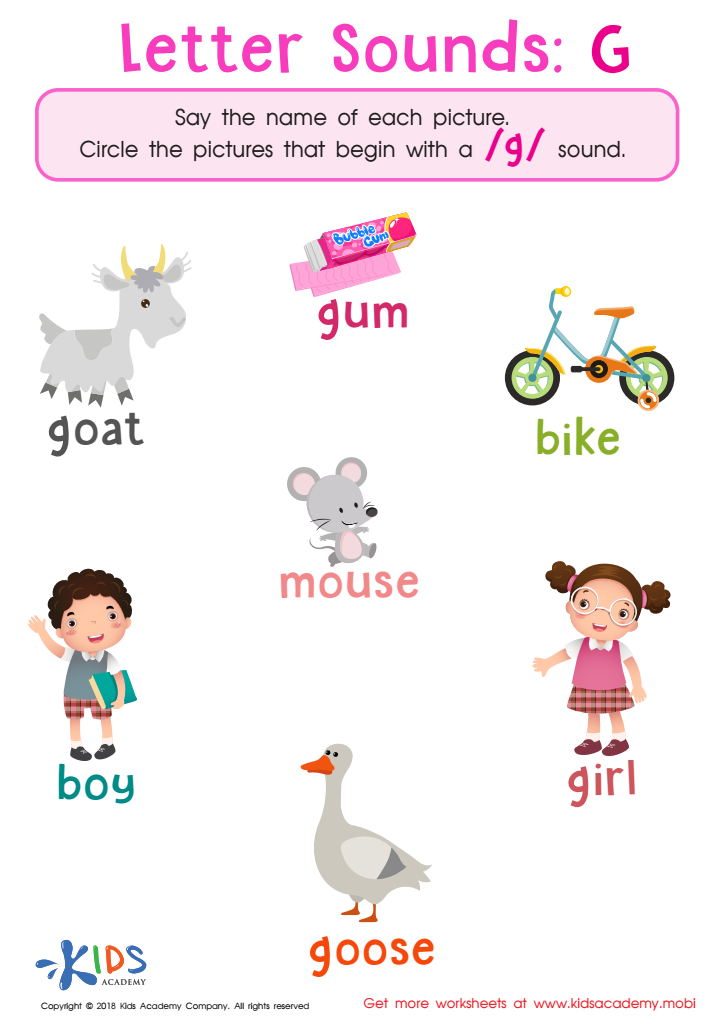
Letter G Sounds Worksheet








Phonics is fundamental in early childhood education because it helps lay the groundwork for successful reading and writing skills. For children aged 3-4, phonics instruction is crucial as this is the age when they are particularly receptive to learning new sounds and word patterns. By understanding the relationships between letters and sounds, children can decode new words more easily, which boosts their confidence and fosters an enthusiasm for reading.
When parents and teachers invest time in phonics instruction, they help children develop essential skills such as letter recognition, sound blending, and word segmentation. These skills are the building blocks of literacy. Early phonics education helps children recognize patterns in words, enabling them to anticipate and read unfamiliar words independently.
Additionally, phonics improvement can lead to better overall academic performance. Children with strong phonemic awareness are better equipped to understand complex texts as they grow older. This accounts for a smoother educational journey and prevents future struggles with reading comprehension.
By focusing on phonics at an early age, parents and teachers give children a critical advantage, encouraging a love of reading that can lead to lifelong learning and success. Therefore, phonics improvement should be valued as a key component of early education.







