Vocabulary expansion Phonics Worksheets for Ages 3-4 - Page 2
29 filtered results
-
From - To
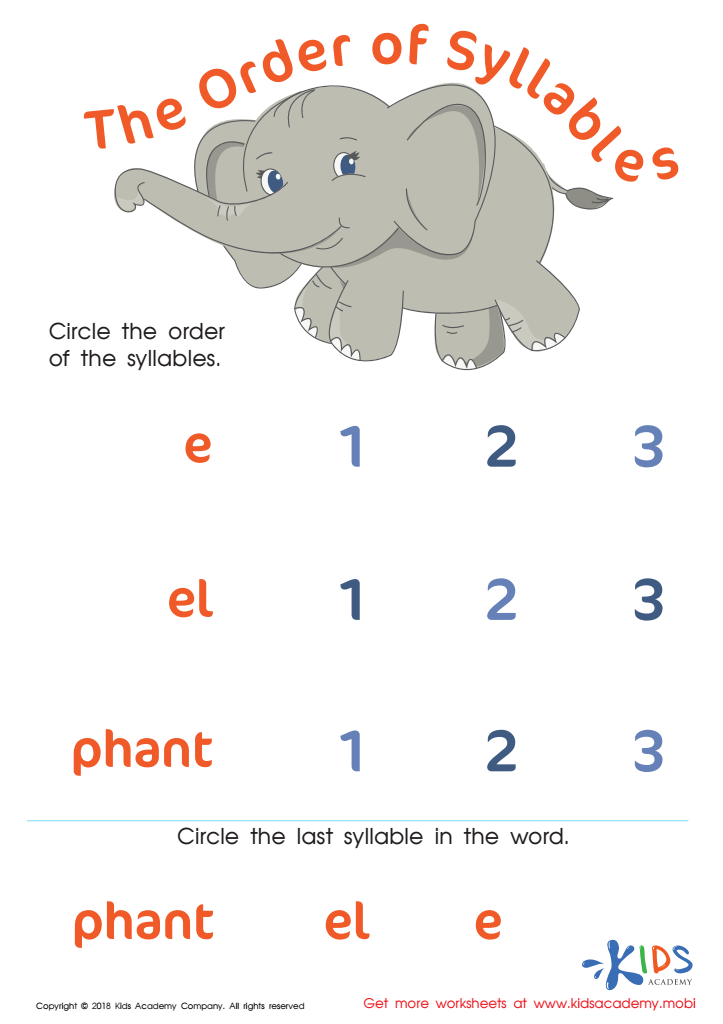
The Order of Syllables Worksheet
 Assign to My Students
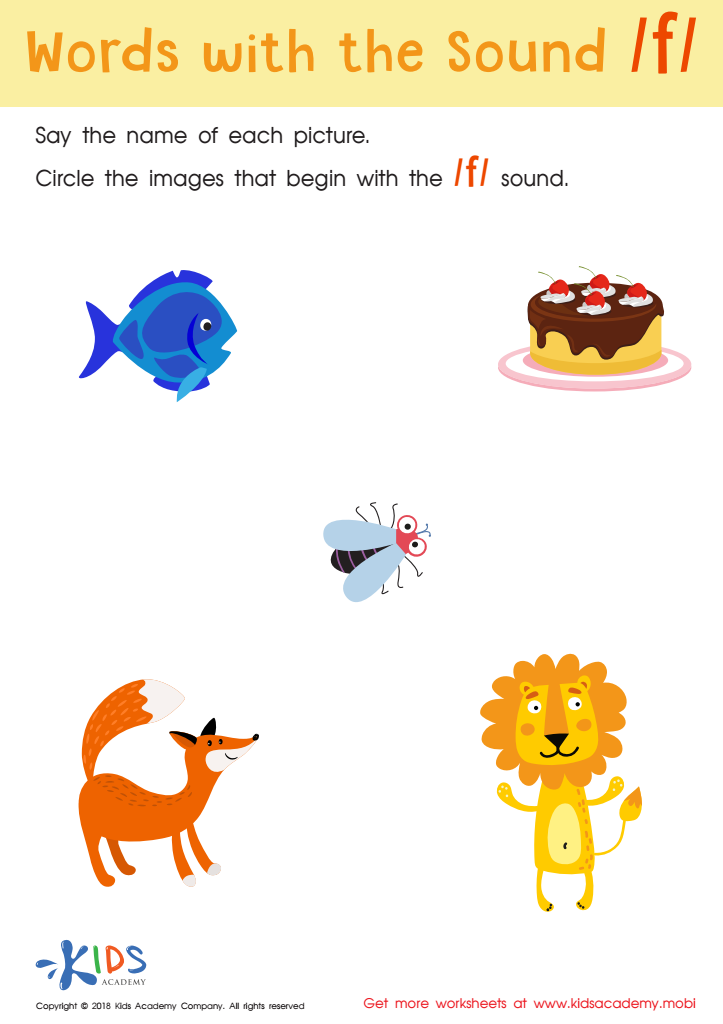
Words with sound f Reading Worksheet
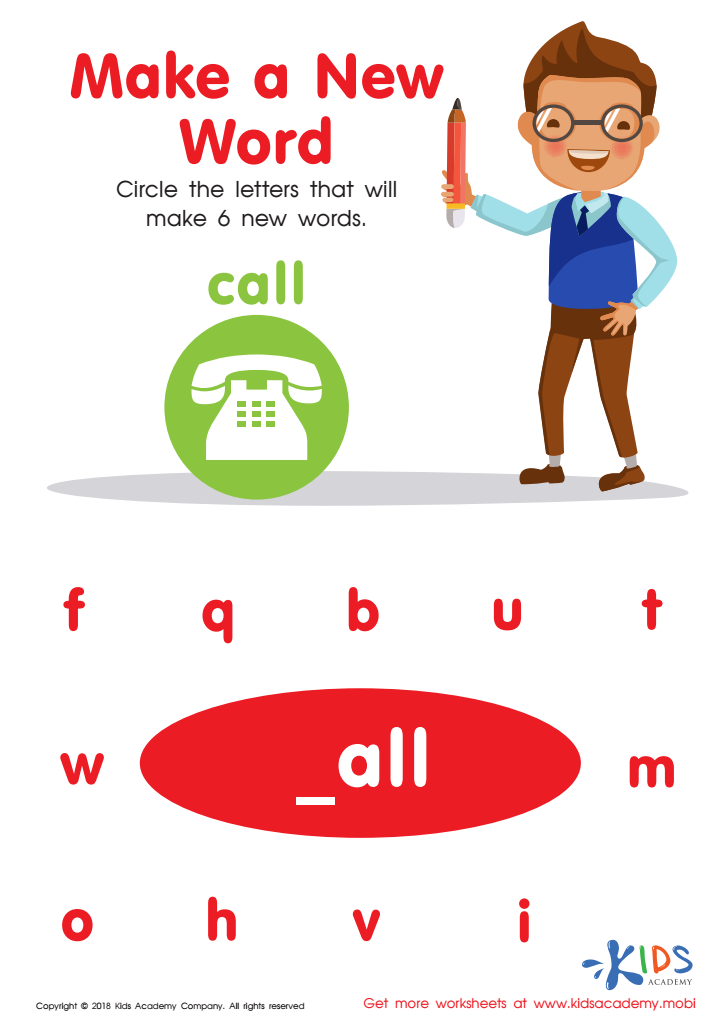
Make a New Word Worksheet
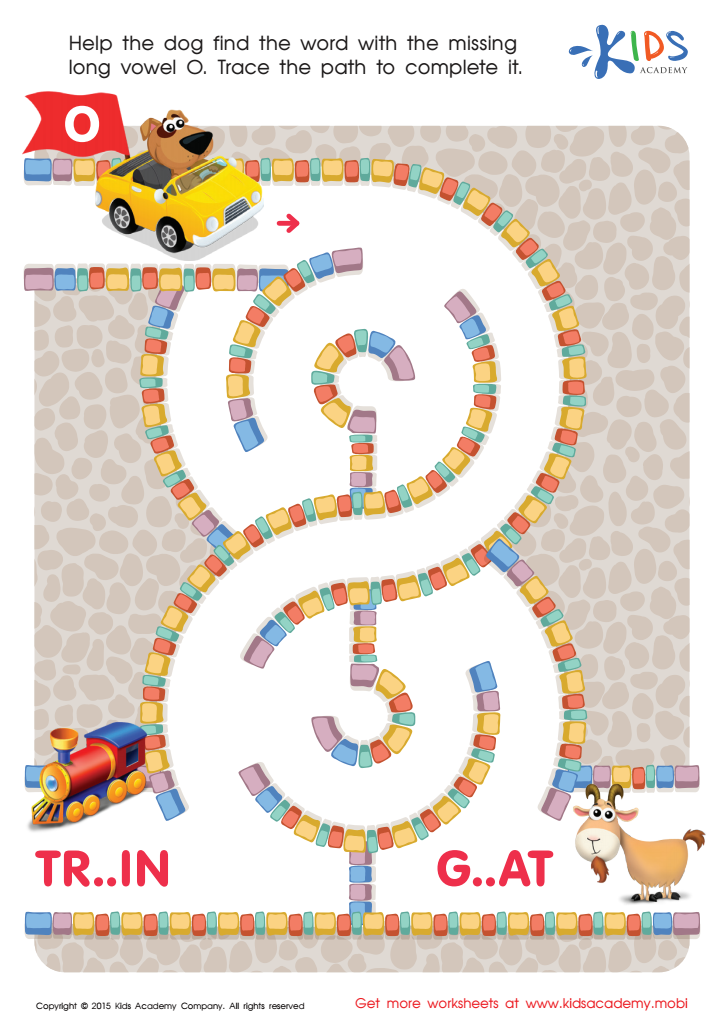
Long Vowel Sound O Worksheet
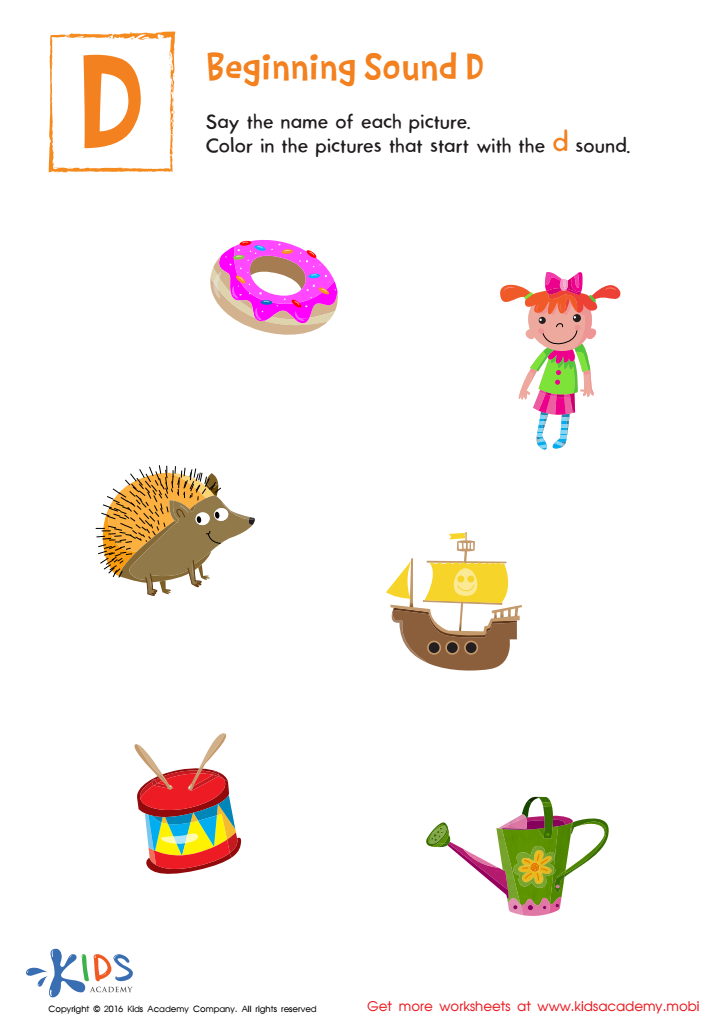
Beginning Sound D Worksheet








Vocabulary expansion and phonics are crucial components of early literacy development for children aged 3-4. During these formative years, a child’s brain is rapidly growing, and they are more receptive to learning language. A rich vocabulary enables children to express themselves clearly, understand others, and engage effectively in conversations, which lays the groundwork for reading comprehension and writing skills later on.
Phonics, the relationship between letters and sounds, is essential for developing reading skills. Teaching phonics helps children recognize letters and their associated sounds, enabling them to decode words. This foundational skill not only boosts confidence in early readers but also fosters a love for reading, which can lead to lifelong learning.
Parents and teachers should prioritize vocabulary expansion and phonics because early intervention positively influences a child’s academic success and social skills. Engaging children with books, songs, and interactive word games enhances their language exposure and cognitive development.
Ultimately, investing time in vocabulary and phonics at ages 3-4 prepares children for future educational challenges, equipping them with vital communication tools and fostering a positive attitude towards learning. By nurturing these skills early on, parents and teachers set the stage for a brighter academic journey.







