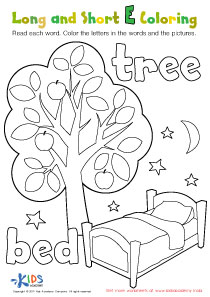
Reading comprehension Short Vowels Worksheets for Ages 3-4
4 filtered results
-
From - To
Enhance your child's reading skills with our engaging “Reading Comprehension Short Vowels Worksheets for Ages 3–4.” Tailored specifically for early learners, these worksheets focus on mastering short vowel sounds through fun and interactive activities. Designed to foster phonetic awareness and early reading proficiency, each printable worksheet includes vibrant illustrations and simple exercises that make learning enjoyable. By practicing with these worksheets, toddlers will improve their ability to recognize and sound out short vowels, laying a strong foundation for future reading success. Perfect for home or classroom use, these worksheets promote confidence and a love for reading from an early age.
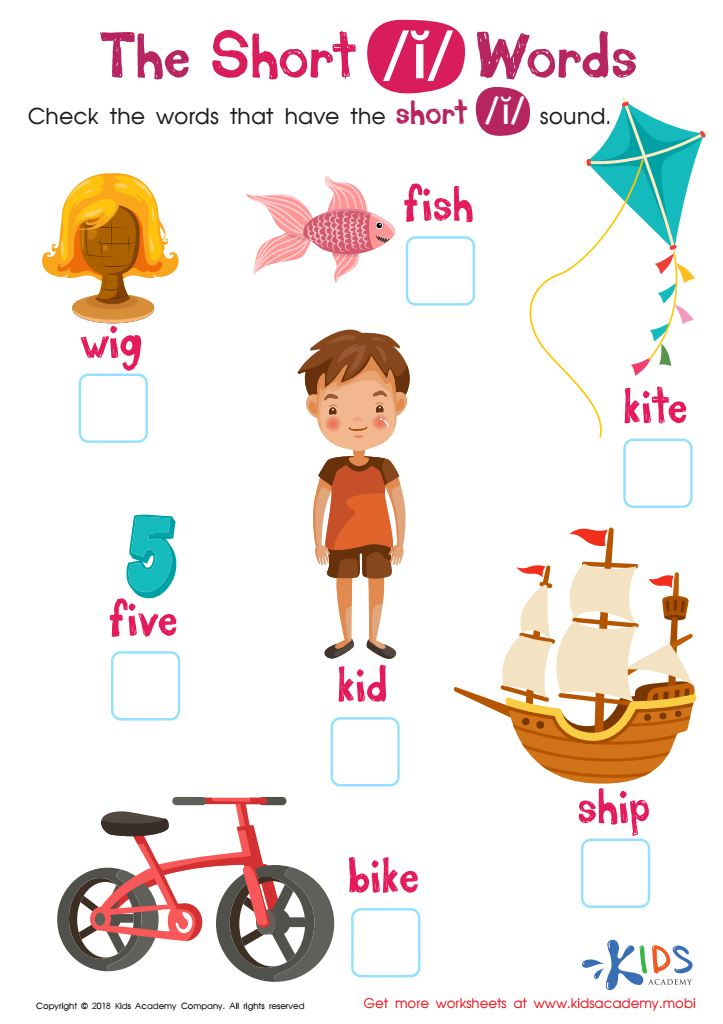
The Short I Words Reading Worksheet
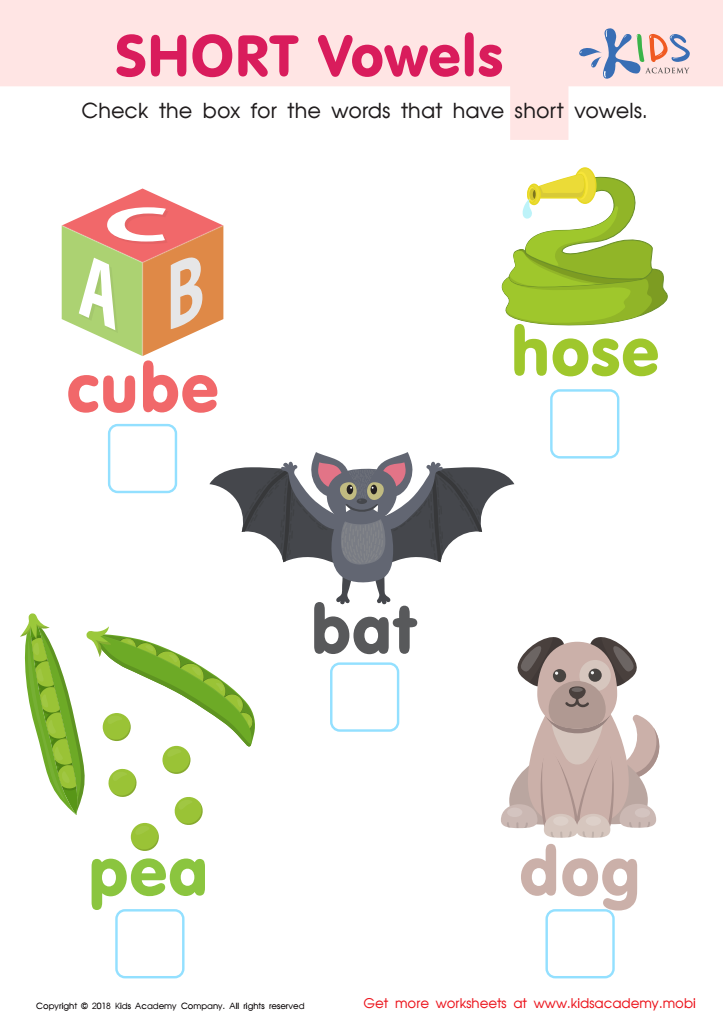
short vowels Worksheet
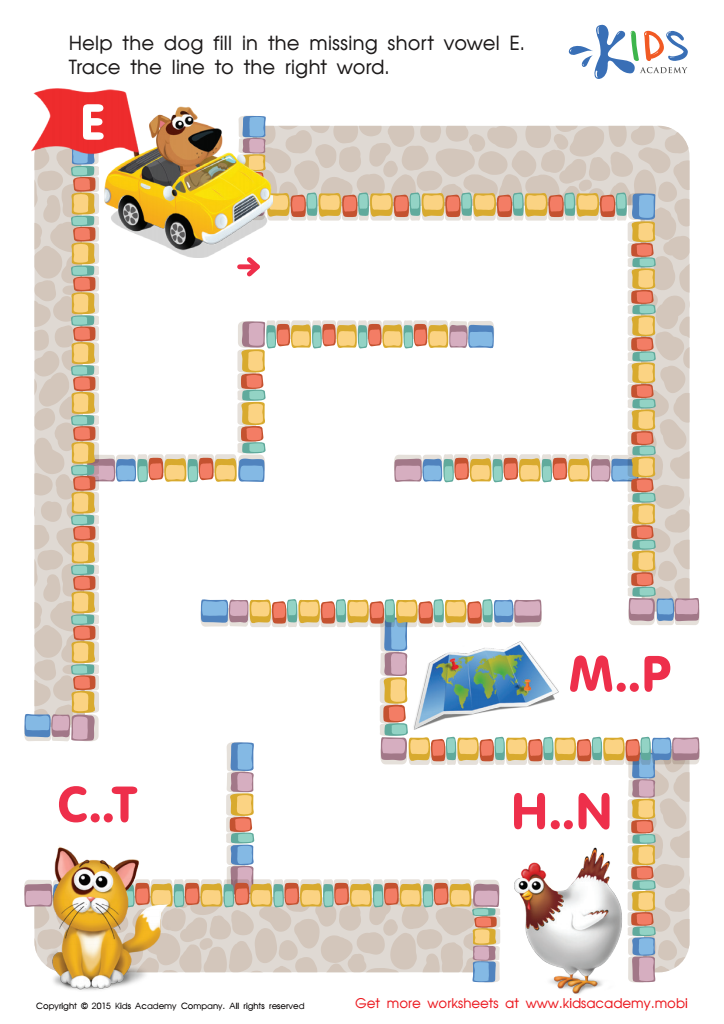
Short Vowel Sound E Worksheet

Long and Short E Worksheet
 Assign to My Students



Reading comprehension and mastering short vowel sounds are cornerstone skills in early literacy, particularly for children ages 3-4. At this formative stage, young minds are rapidly absorbing the basics of language and phonetics. Introducing short vowels is critical because these are among the simplest and most common sounds in English. Understanding short vowels lays a vital foundation for decoding words, which is the ability to sound out and blend letter sounds fluently, a crucial step toward reading independently.
When parents and teachers prioritize reading comprehension and short vowel recognition, they are equipping children with the tools needed for future reading success. This focus enhances phonemic awareness, helping children to differentiate between slight differences in sounds, which is crucial for both reading and spelling.
Additionally, strong reading skills are directly linked to academic success and the development of cognitive abilities. Early readers often perform better academically across various subjects because reading comprehension enhances their ability to understand instructions and access information.
Moreover, boosting confidence from mastering short vowels fosters a child's love for reading and learning, promoting a lifelong habit. Therefore, investing time in teaching these skills will yield long-term educational benefits and help children become adept, confident communicators.