Hand-eye Coordination Tracing Letters Worksheets for Ages 3-4
6 filtered results
-
From - To
Nurture your preschooler's early writing skills with our Hand-eye Coordination Tracing Letters Worksheets designed for ages 3-4. These engaging printables are crafted to enhance letter recognition, improve fine motor skills, and develop essential hand-eye coordination. Perfect for young learners, the worksheets provide guided tracing practice that reinforces letter shapes and strokes, laying a strong foundation for future handwriting success. Fun and educational, each worksheet captures children’s attention with playful illustrations, making learning enjoyable and effective. Start your child's literacy journey today with these valuable resources, available for instant download and easy printing.
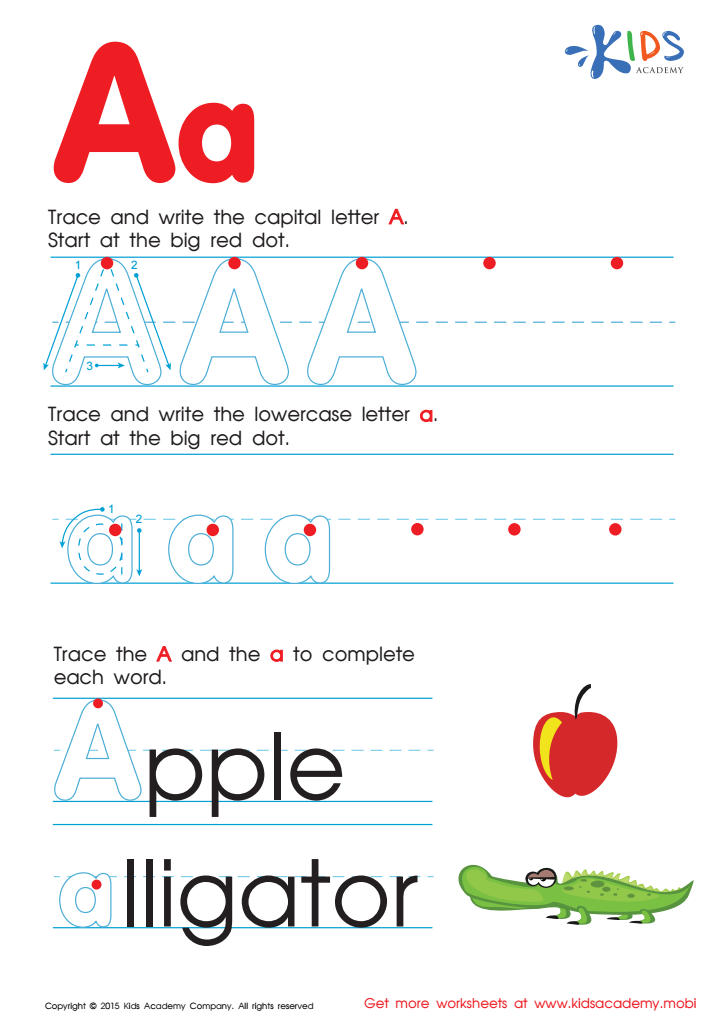
Letter A Tracing Page
 Assign to My Students
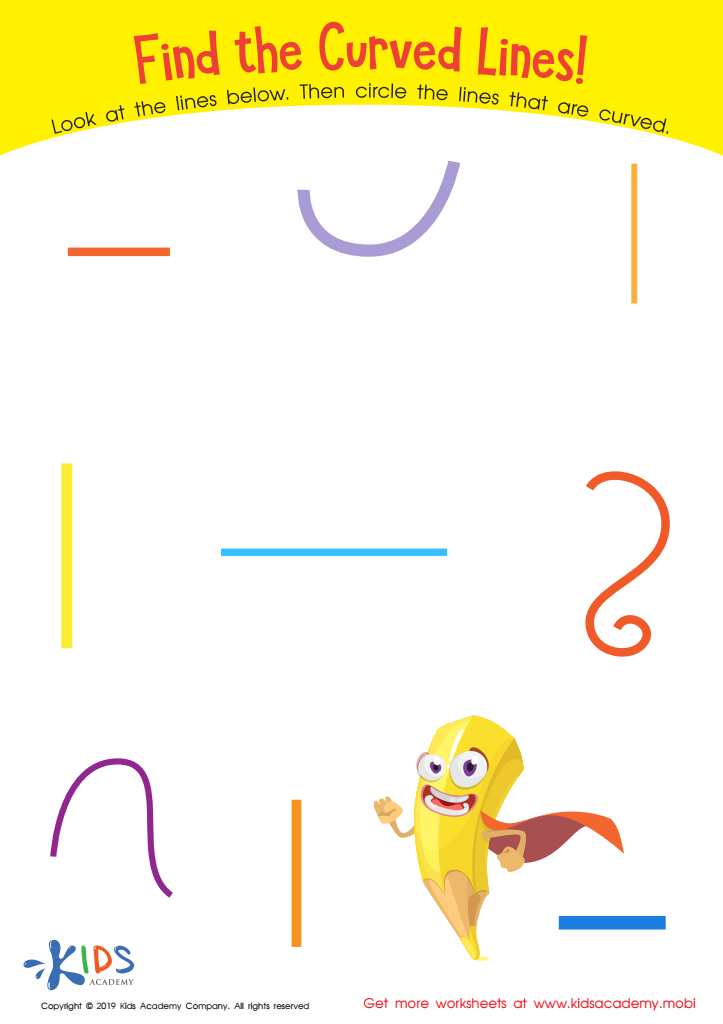
Find the Curved Lines! Worksheet
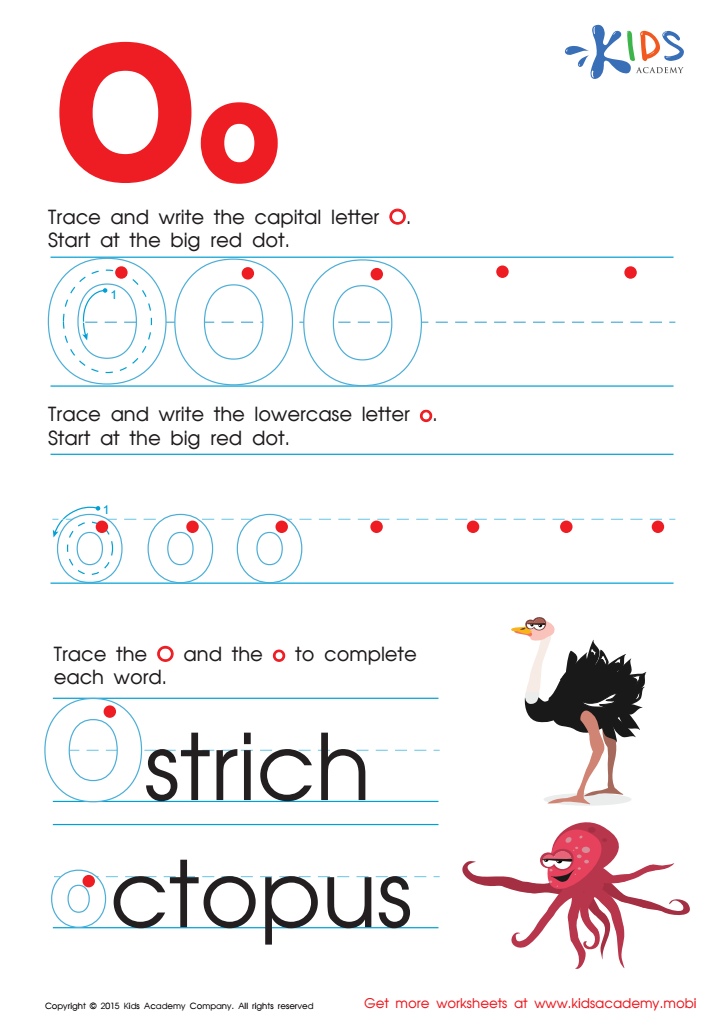
Letter O Tracing Page
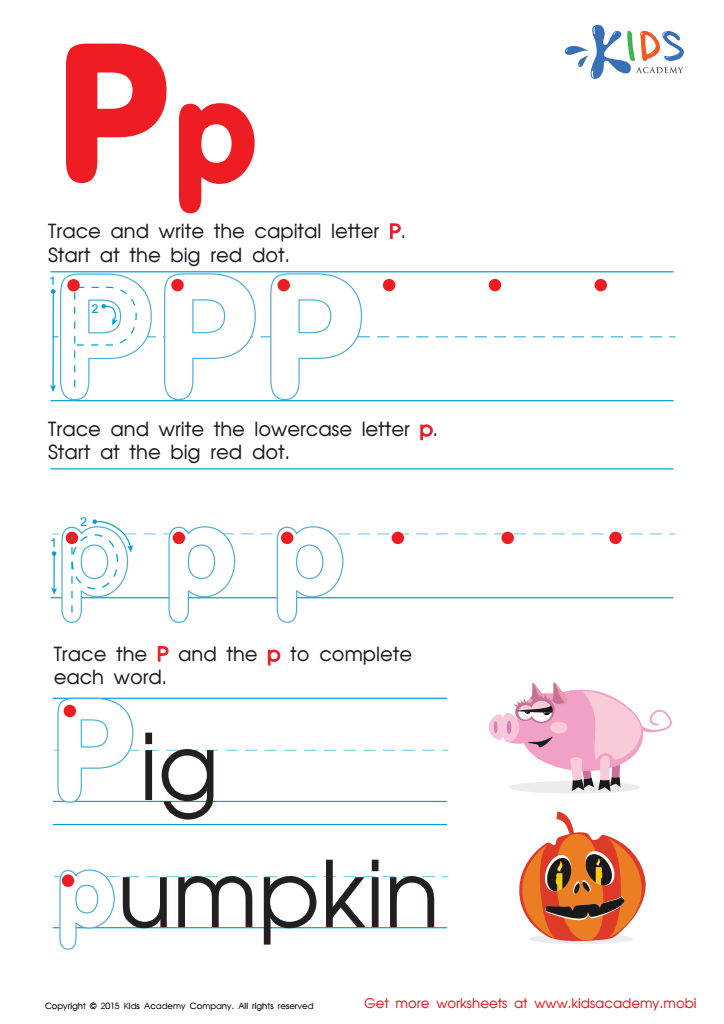
Letter P Tracing Page

Letter H Tracing Page
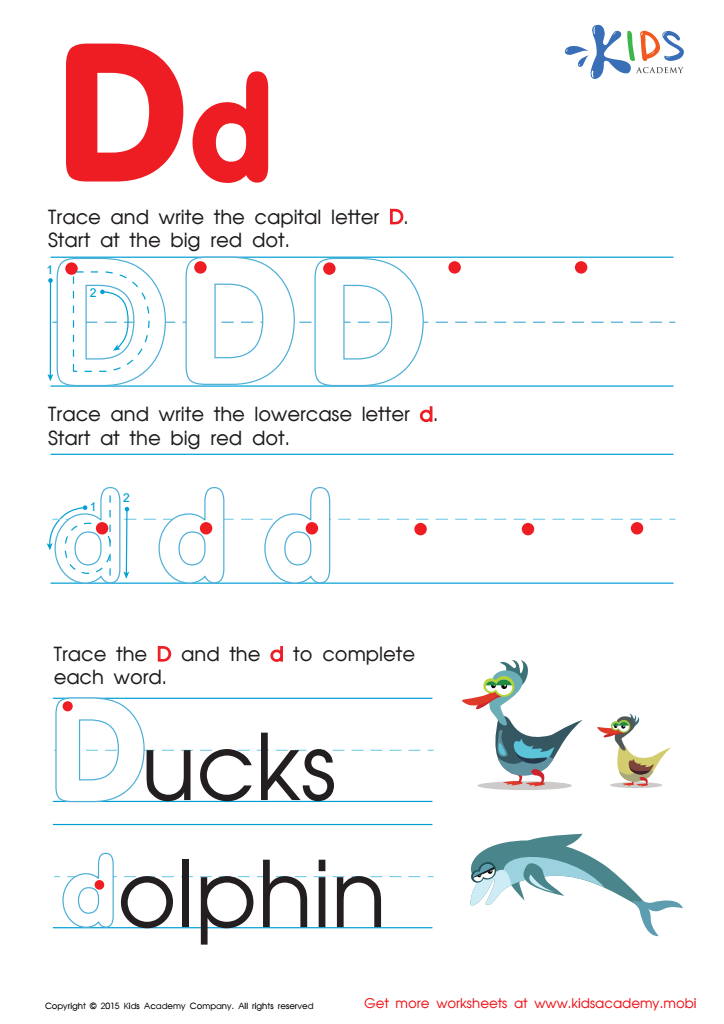
Letter D Tracing Page







Hand-eye coordination is a foundational skill that significantly impacts a child's ability to perform tasks that require simultaneous use of the eyes and hands. Tracing letters for ages 3-4 is a beneficial activity to develop this skill. For parents and teachers, fostering hand-eye coordination through tracing letters plays a crucial role in a child's early education.
First, tracing letters helps children strengthen their fine motor skills, which are essential for everyday activities such as writing, eating, and dressing themselves. When children trace letters, they learn to control their hand movements more precisely, which is fundamental for writing proficiency in later years.
Second, this activity enhances visual perceptual skills. By following the path of each letter, children learn to interpret and process visual information more effectively. This improves their ability to read and recognize letters and words, setting a strong foundation for literacy.
Additionally, tracing letters improves concentration and memory. It encourages children to focus on specific tasks, practice patience, and recall the shapes of different letters. This cognitive exercise is crucial for developing strong problem-solving and academic skills.
Overall, parents and teachers who emphasize hand-eye coordination through letter tracing provide their children with valuable skills that will benefit their fine motor abilities, visual processing, and cognitive development, paving the way for future academic success.








