Alphabet sequencing Upper & Lowercase Letters Worksheets for Ages 3-4
4 filtered results
-
From - To
Explore our Alphabet Sequencing Upper & Lowercase Letters worksheets designed for ages 3-4! These engaging and interactive worksheets help young learners practice their letter recognition while reinforcing the sequence of the alphabet. Children will enjoy tracing, matching, and sequencing both uppercase and lowercase letters, enhancing their fine motor skills and cognitive development. Ideal for preschool and kindergarten environments, our printables promote early literacy in a fun, colorful way. Foster a love for learning as your child develops essential skills that lay the foundation for future reading and writing. Access our collection now to inspire your little ones on their alphabet journey!
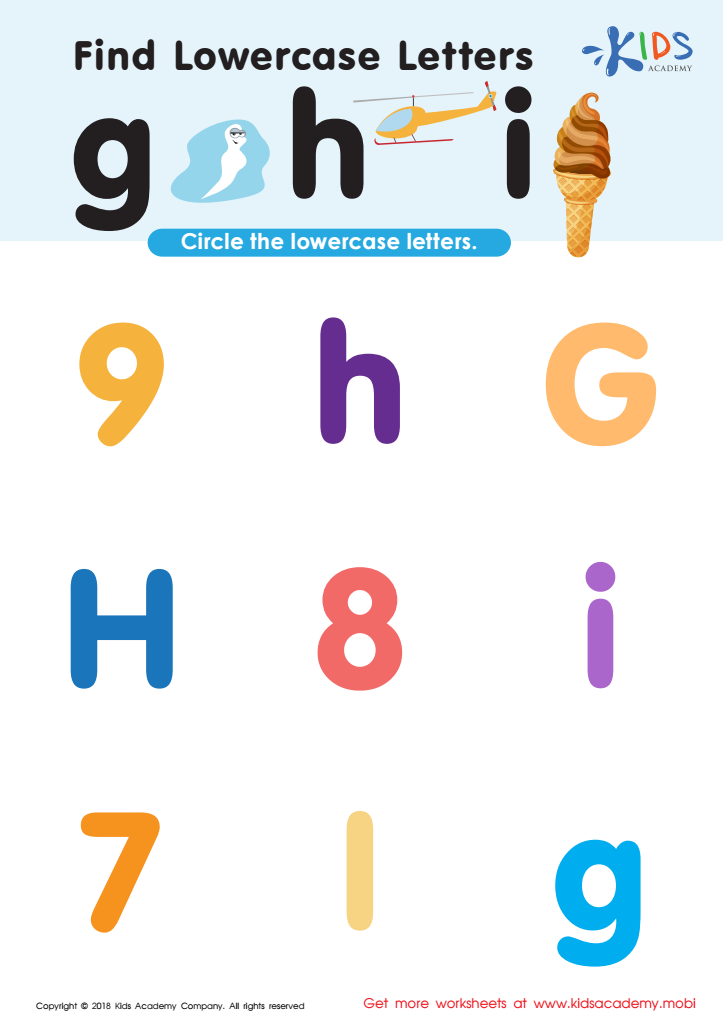
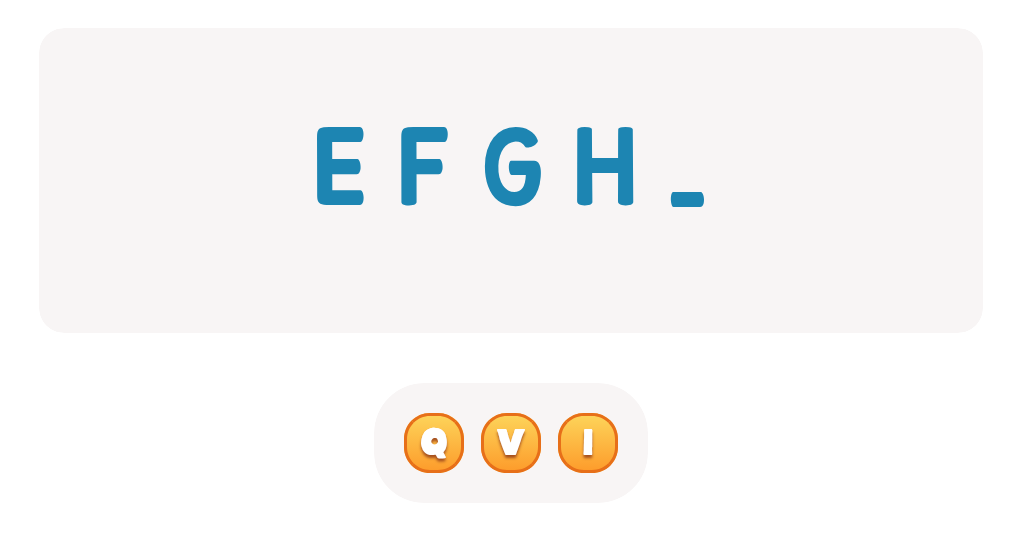
Find Lowercase Letters g h i Worksheet
 Assign to My Students

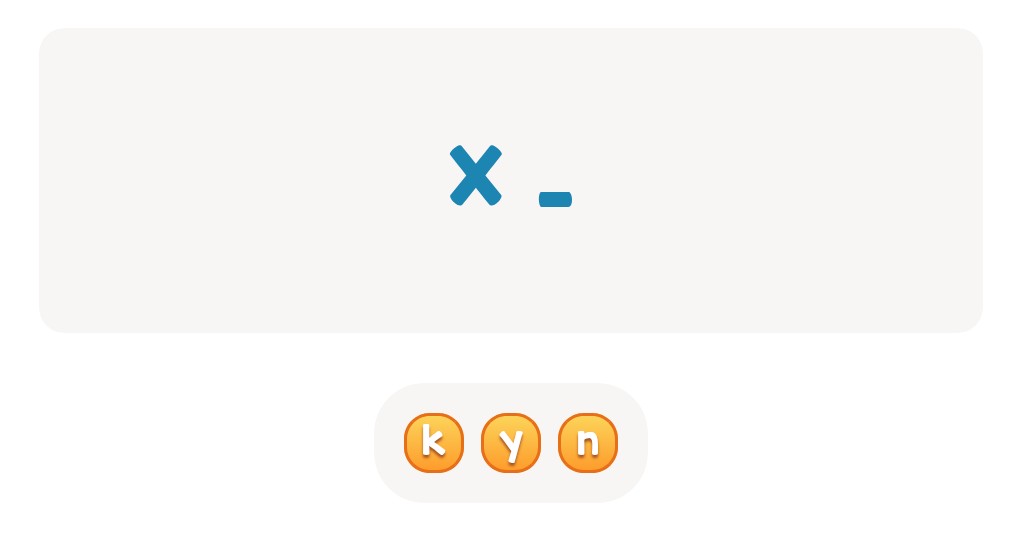
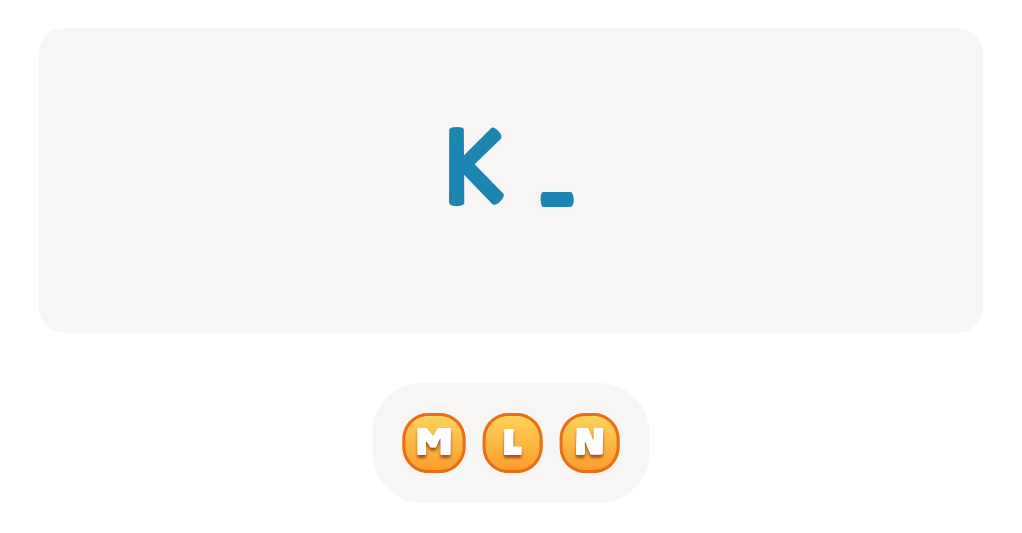
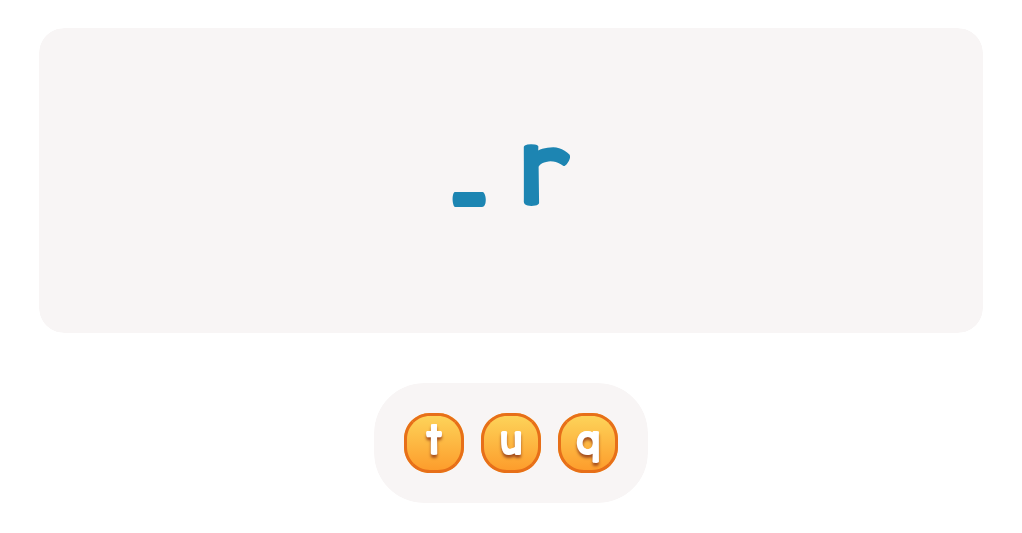
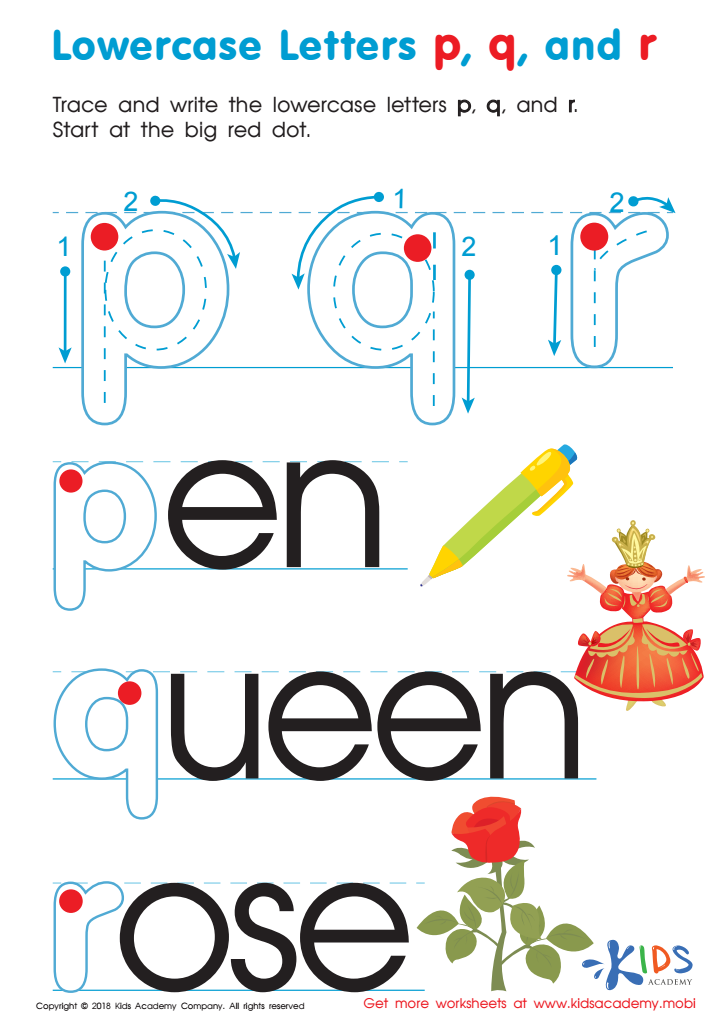
Lowercase Letters p q r Worksheet
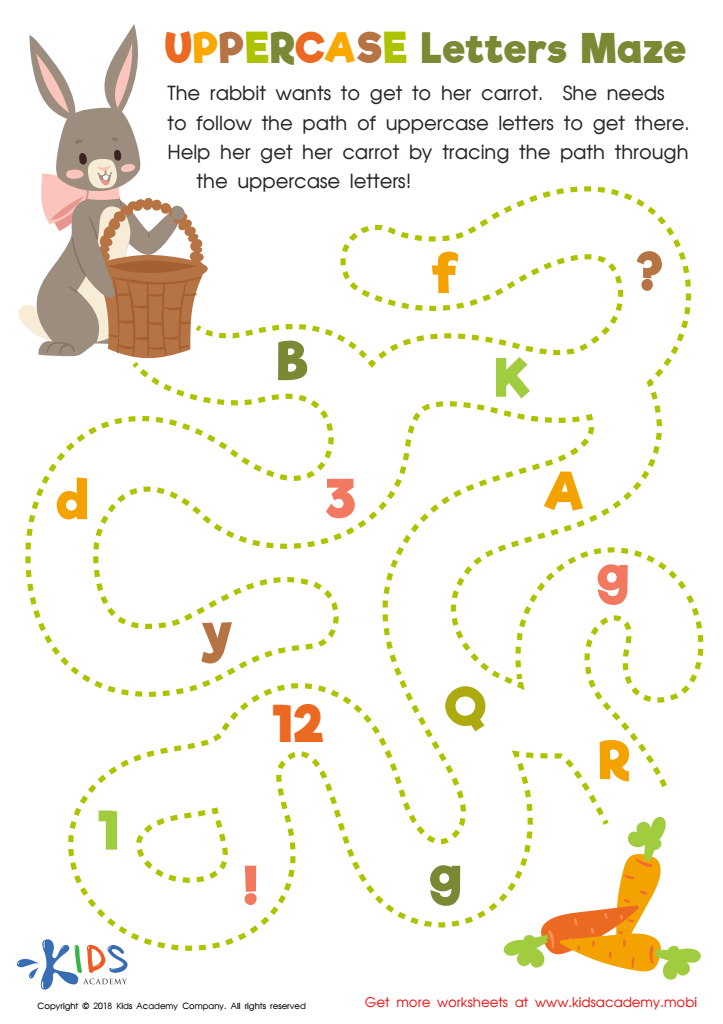
Uppercase Letters Maze Worksheet
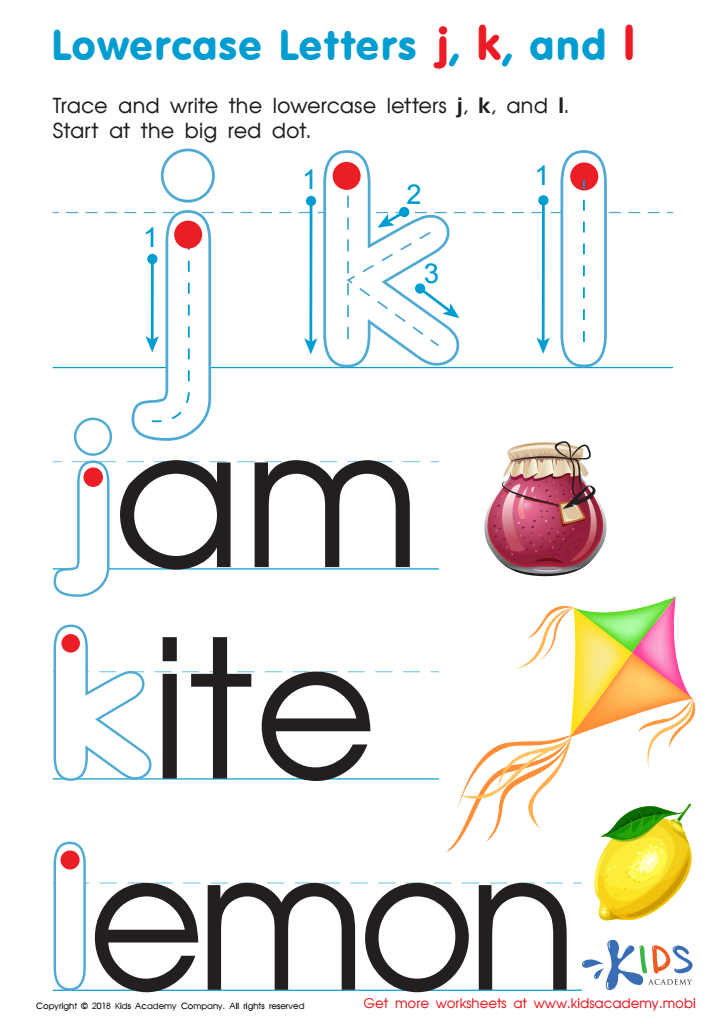
Lowercase Letters j k l Worksheet






Alphabet sequencing, both uppercase and lowercase letters, is a fundamental aspect of early literacy that should concern parents and teachers of children aged 3-4. At this developmental stage, children are particularly receptive to language, making it an optimal time to introduce letter recognition and sequencing. Mastering the alphabet helps establish a strong foundation for reading and writing skills, empowering children to decode words as they progress.
Additionally, understanding the sequence of letters enhances phonemic awareness, which is crucial for developing spelling and pronunciation skills as children transition into more complex language use. Recognizing the differentiation between uppercase and lowercase letters increases familiarity with printed text, allowing children to make sense of the written world around them.
Introducing a structured approach to alphabet sequencing also fosters cognitive development. Children learn to categorize and differentiate types of letters, developing critical thinking and memory skills. Moreover, it adds fun to their learning experience through engaging activities like songs and games, maintaining their enthusiasm for learning.
Ultimately, a solid grasp of alphabet sequencing equips children with essential tools for academic success and boosts confidence as they embark on their literacy journey. Parents and teachers play a pivotal role in nurturing these skills.







