Shape Recognition Coloring Pages Worksheets for Ages 3-4
3 filtered results
-
From - To
Explore our engaging Shape Recognition Coloring Pages Worksheets designed specifically for children aged 3-4! These fun and interactive printables help young learners develop essential shape recognition skills while enhancing their creativity. Featuring colorful illustrations of various shapes like circles, squares, and triangles, each worksheet encourages artistic expression through coloring. Ideal for home or classroom use, our worksheets promote fine motor skills, visual perception, and cognitive development. Let your little ones discover the joy of learning shapes in a playful and imaginative way. Download our Shape Recognition Coloring Pages today and watch your child’s confidence grow as they master the basics of shapes!
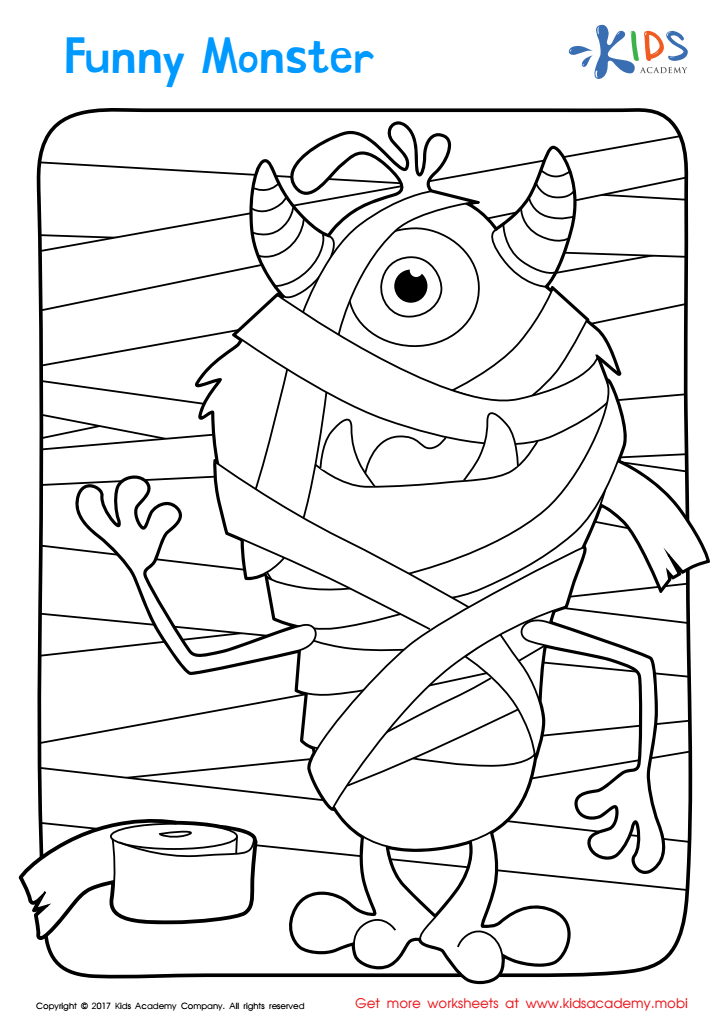
Halloween: A Funny Monster Worksheet
 Assign to My Students
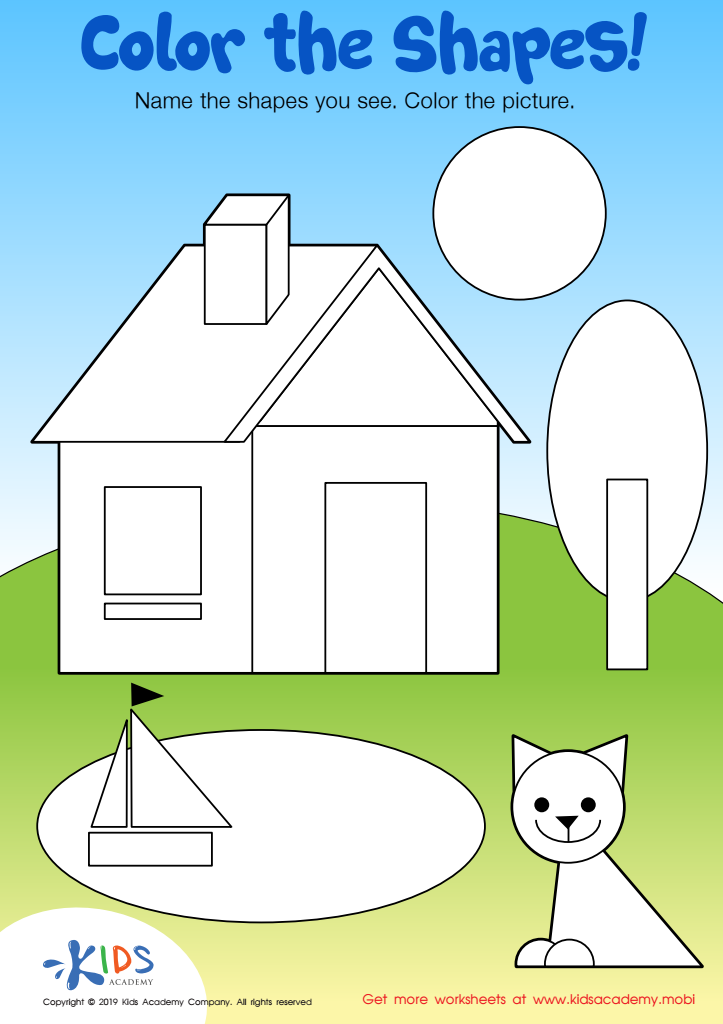
Color the Shapes Worksheet
Assign to My Students
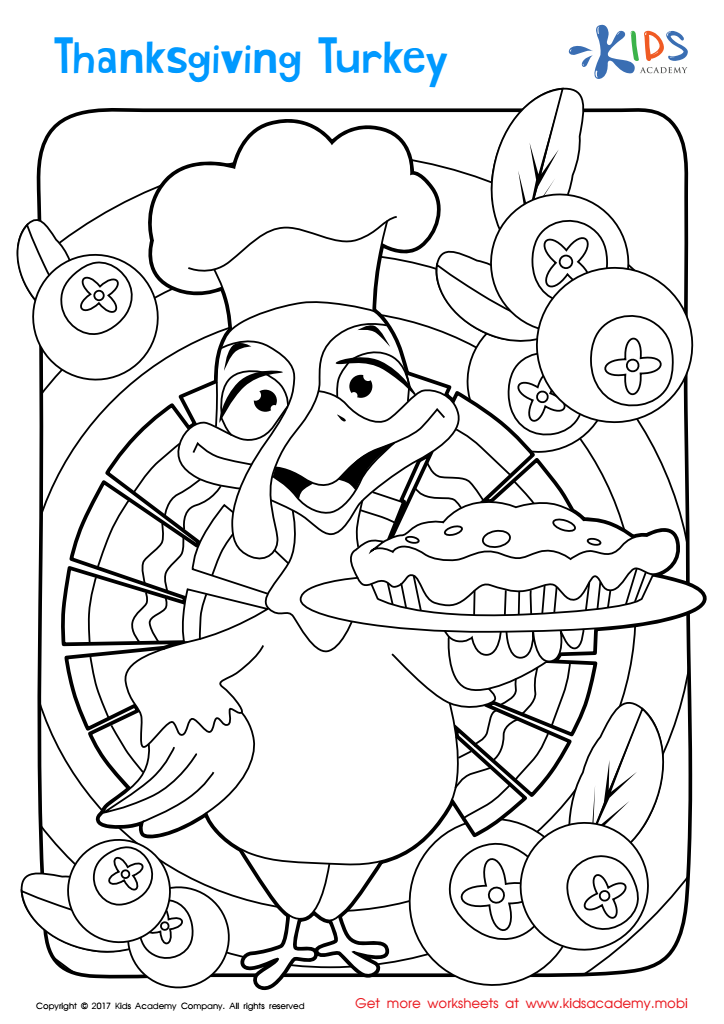
Turkey Thanksgiving Day Worksheet
Assign to My Students




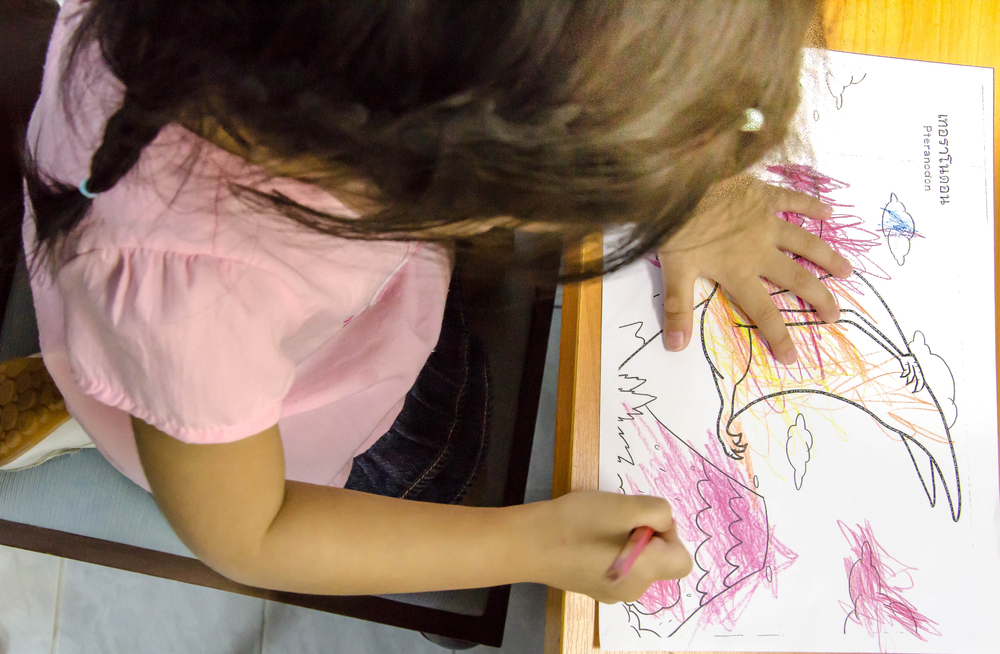



Shape recognition coloring pages are essential tools for early childhood education, particularly for children ages 3-4. At this developmental stage, children are like sponges, absorbing information that will lay the foundation for their cognitive and motor skills. These coloring pages serve multiple purposes: they introduce basic geometric shapes like circles, squares, and triangles in a fun, engaging way, fostering shape recognition and vocabulary development.
Parents and teachers should care about these coloring pages because they stimulate creativity while promoting hand-eye coordination and fine motor skills as children grasp crayons and color within the lines. This activity not only nurtures artistic expression but also encourages focus and determination as children work to complete their pages.
Moreover, shape recognition is a fundamental math skill that aids in spatial awareness and problem-solving; grasping these concepts early facilitates smoother transitions into more complex mathematical ideas later in life. Incorporating shape recognition coloring pages into learning experiences also promotes parent-child bonding and collaborative learning when done together. Overall, these activities enrich the educational landscape, making learning both enjoyable and effective in building essential skills for young learners.