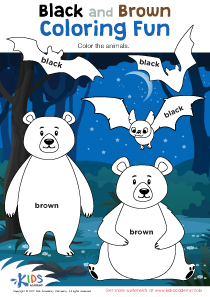
Hand-eye Coordination English for Beginners Worksheets for Ages 3-4
14 filtered results
-
From - To
Enhance your child's early learning with our "Hand-eye Coordination English for Beginners Worksheets for Ages 3-4". Specially designed for young learners, these engaging activities develop fine motor skills while introducing the basics of English. Through fun, hands-on exercises like tracing, matching, and sorting, kids build crucial coordination and control, setting a strong foundation for future academic success. Perfect for preschoolers and ESL learners, each worksheet combines visual elements with interactive tasks to keep little ones motivated and focused. Foster your child's growth and creativity with our expertly crafted worksheets, tailor-made to make learning enjoyable and effective.
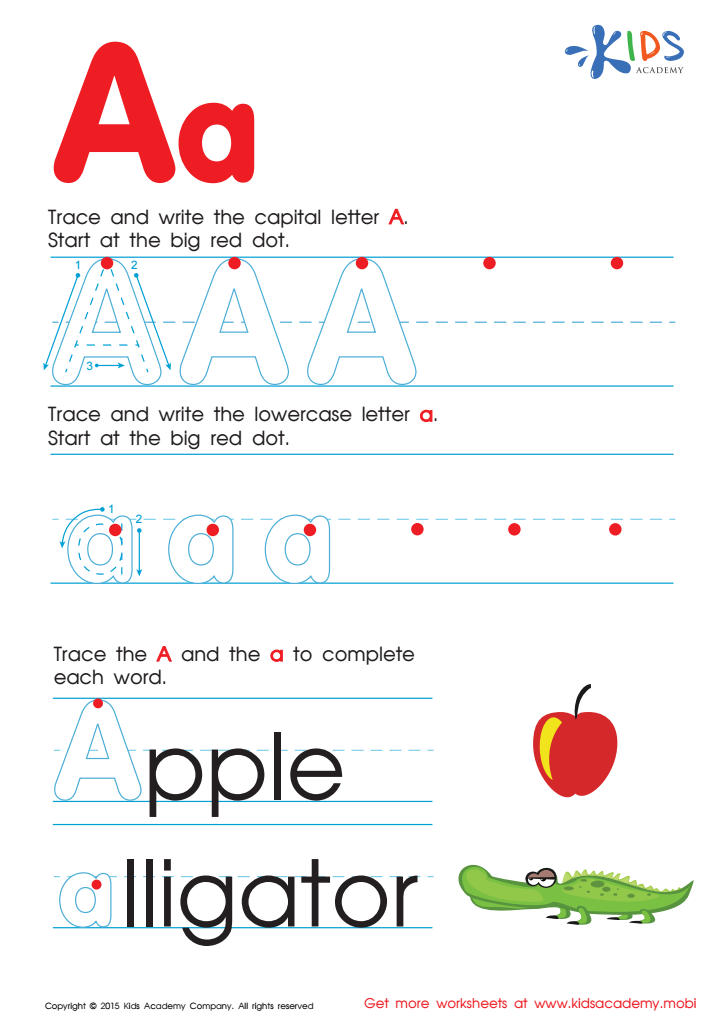
Letter A Tracing Page
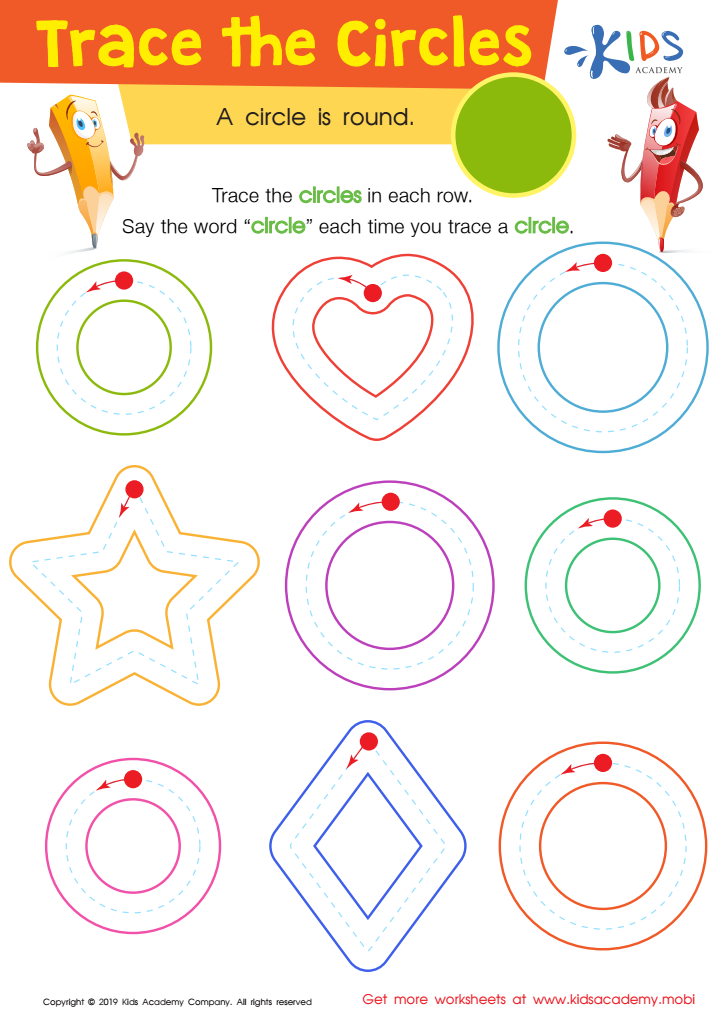
Trace The Circles Worksheet
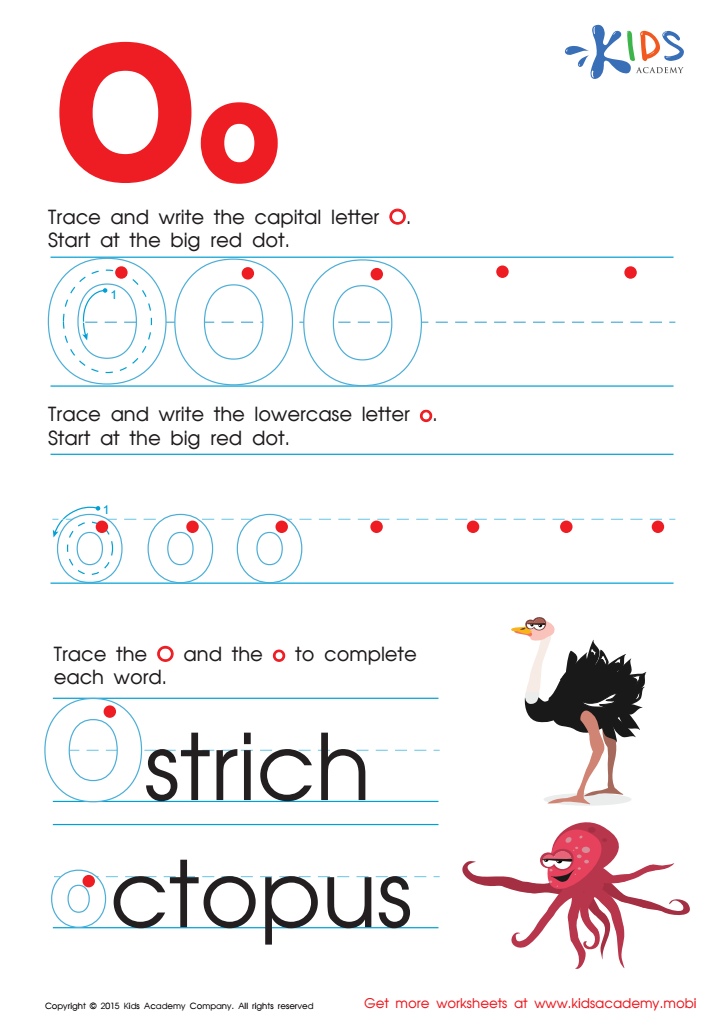
Letter O Tracing Page
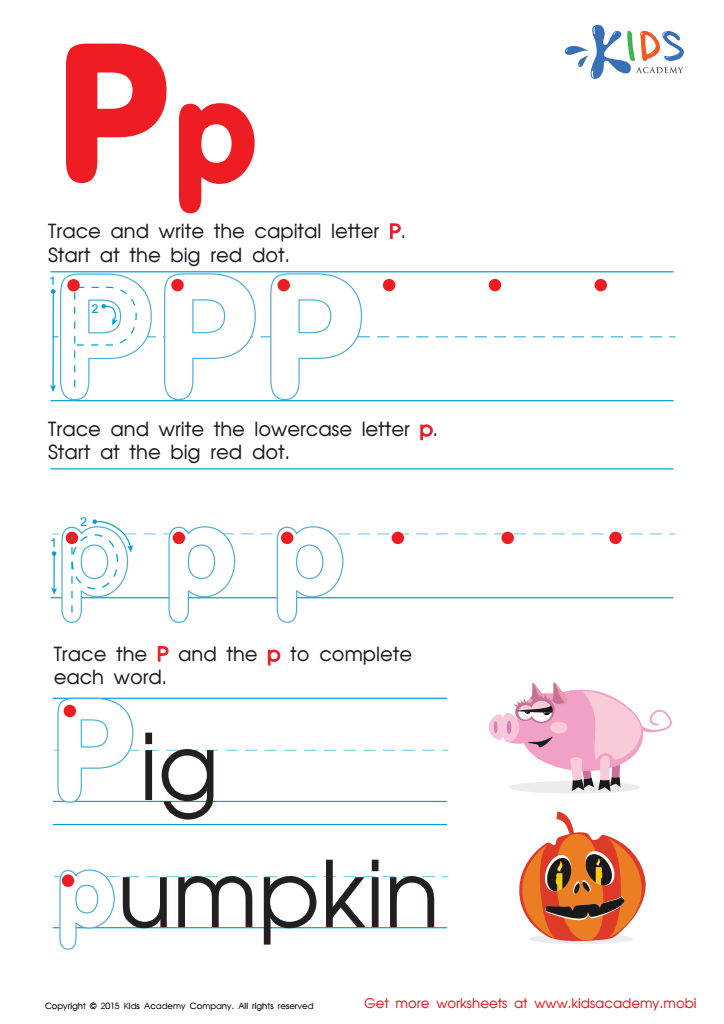
Letter P Tracing Page
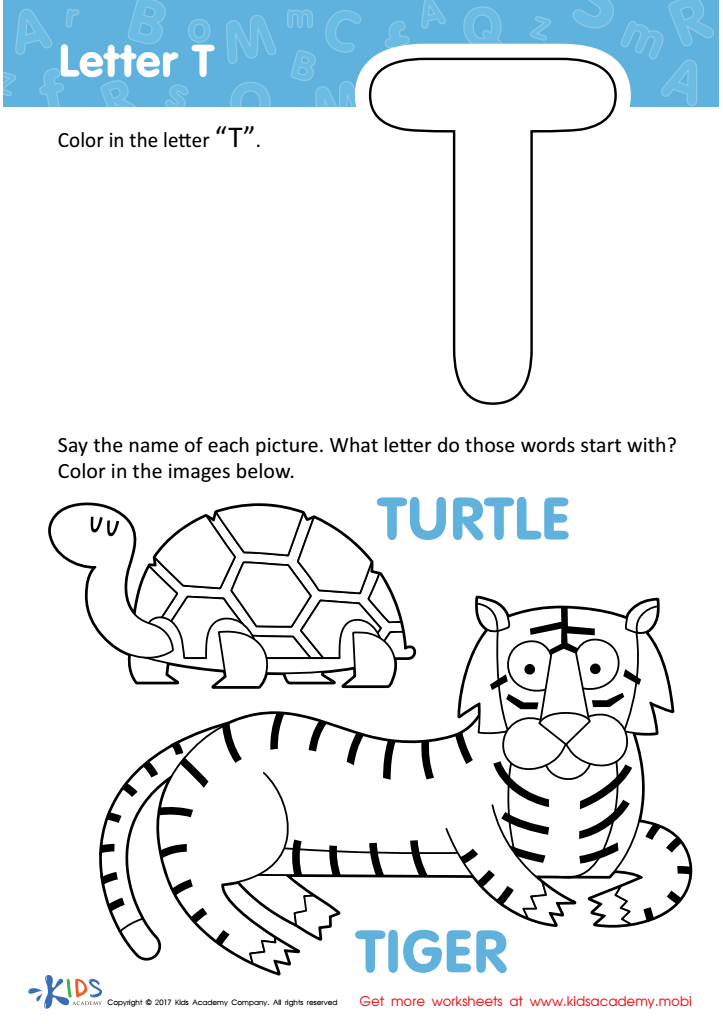
Letter T Coloring Sheet
 Assign to My Students
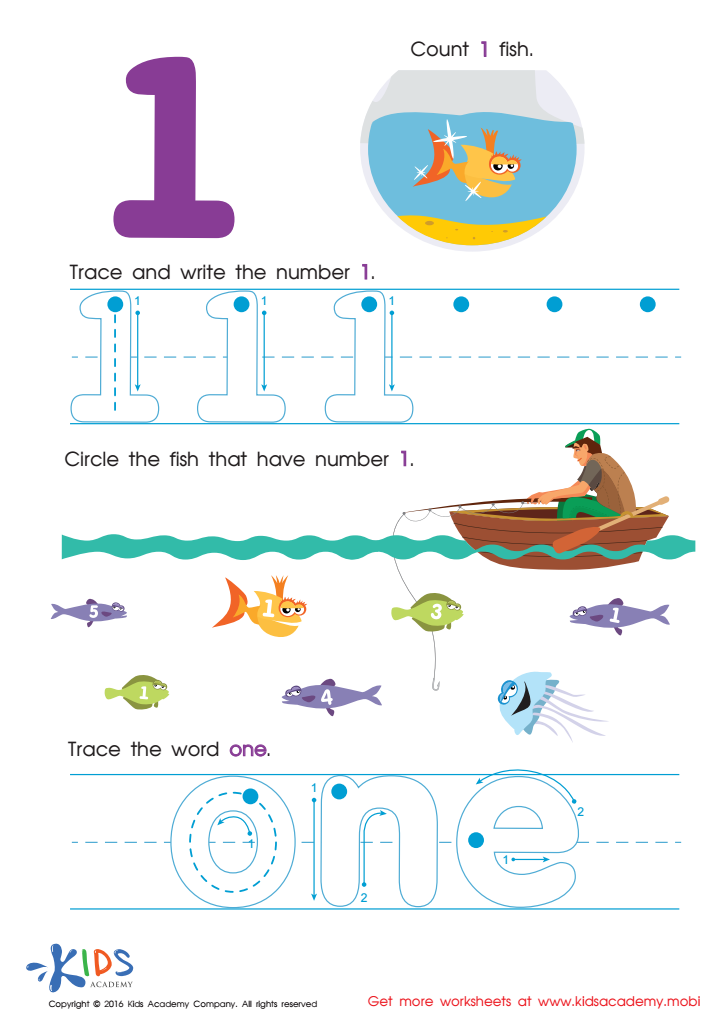
Learning to Write 1 Worksheet
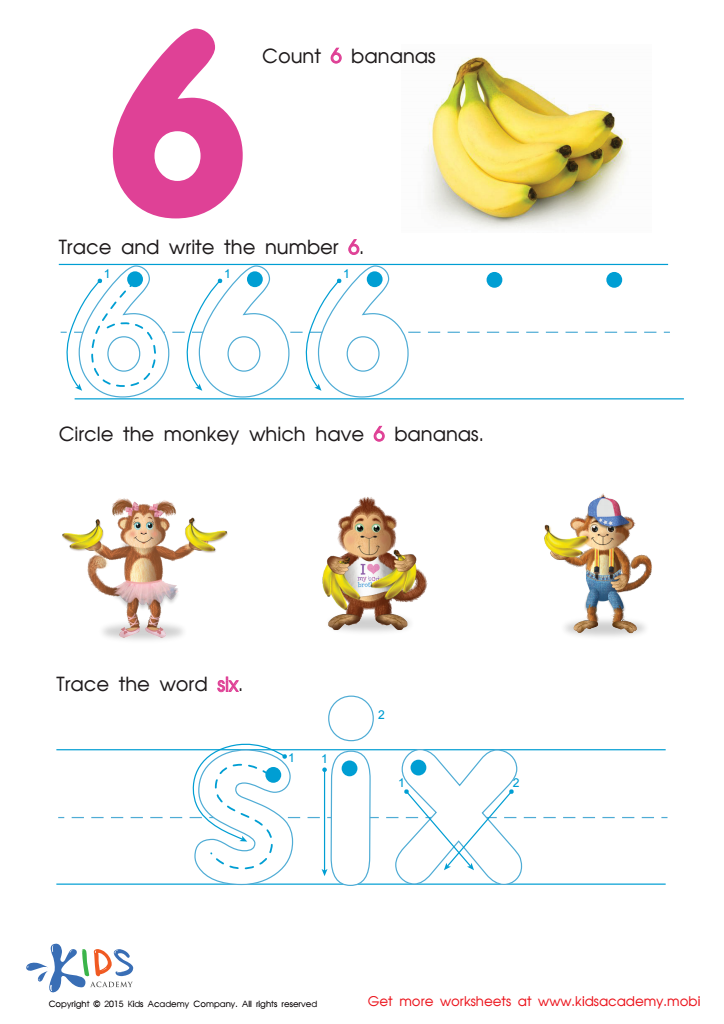
Tracing And Writing Number 6 Worksheet
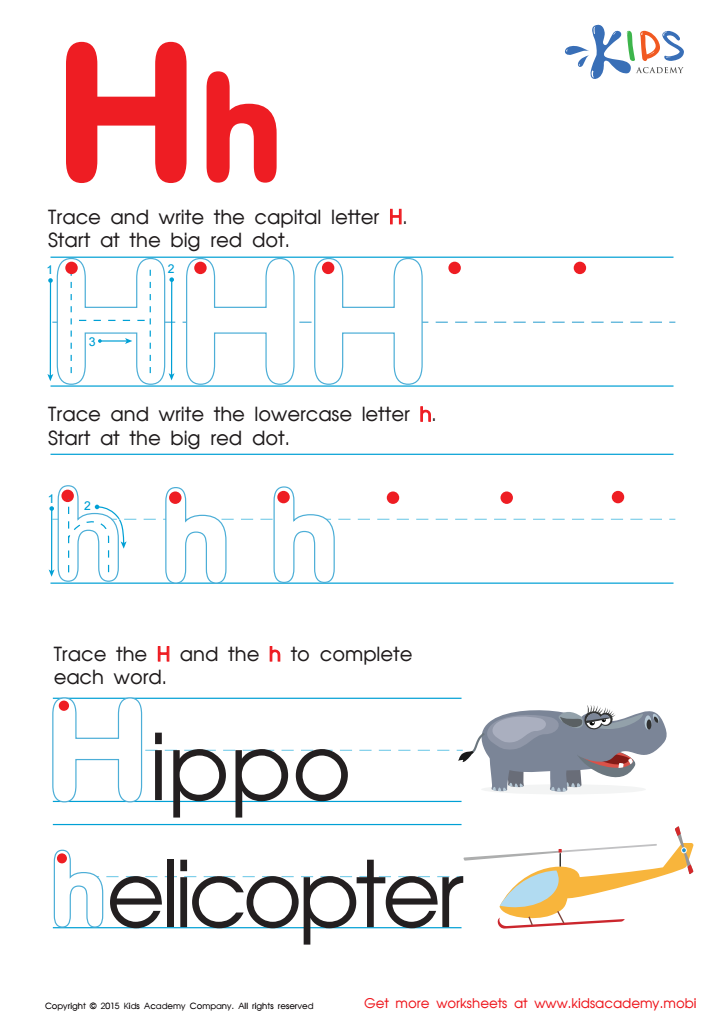
Letter H Tracing Page
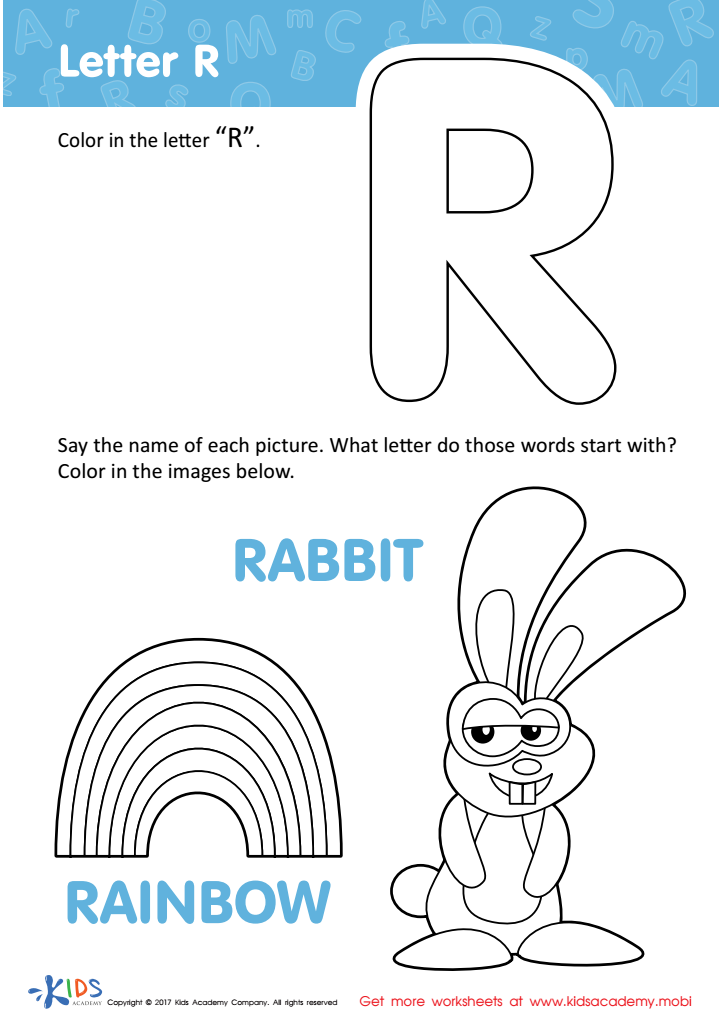
Letter R Coloring Sheet
Assign to My Students

Long and Short U Worksheet
Assign to My Students
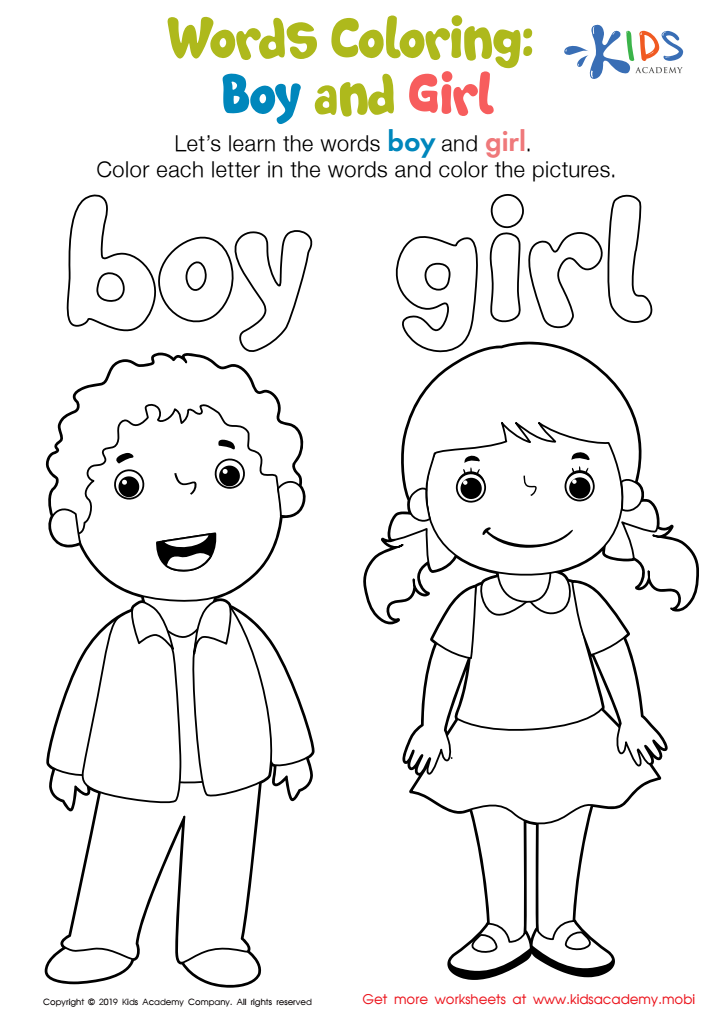
Boy and Girl Words Coloring Worksheet
Assign to My Students
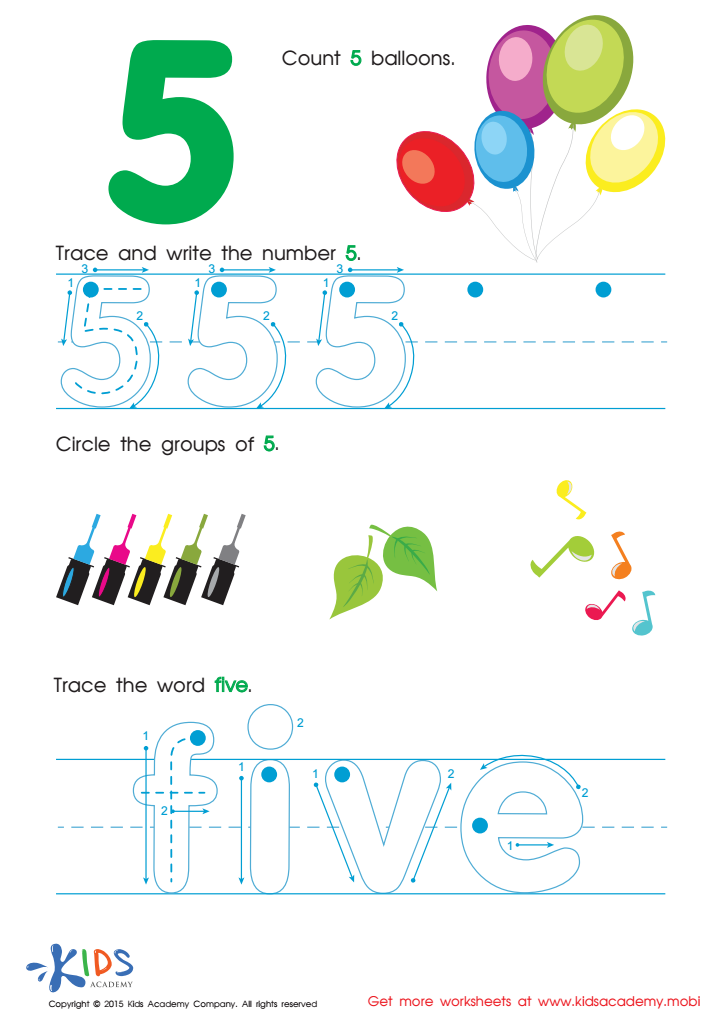
Practice Writing Number 5 Worksheet
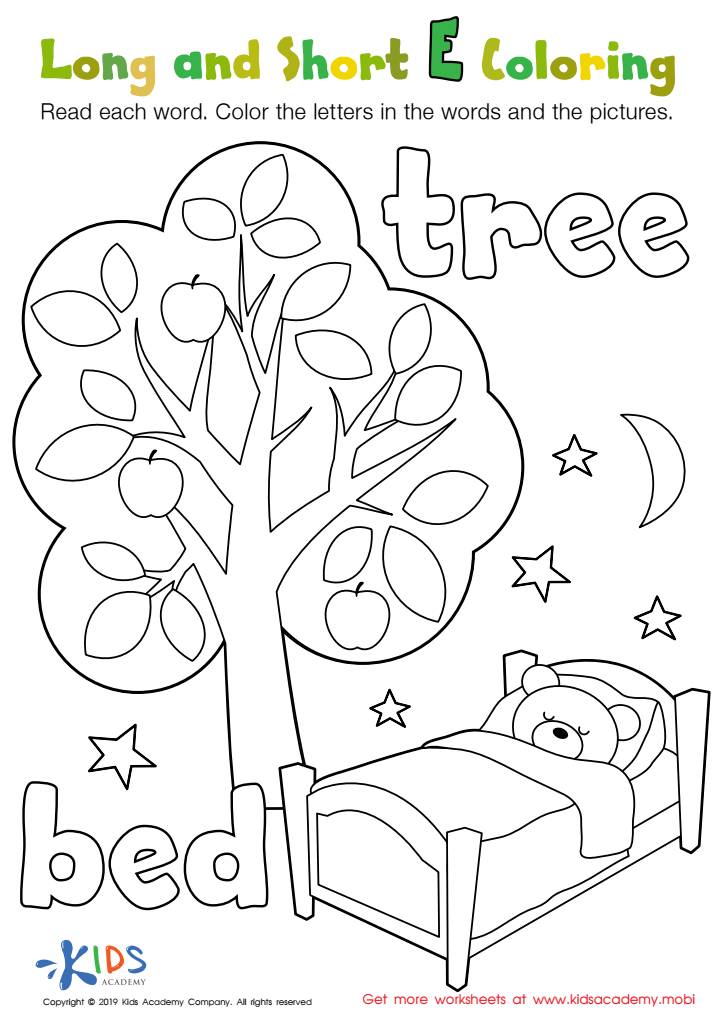
Long and Short E Worksheet
Assign to My Students
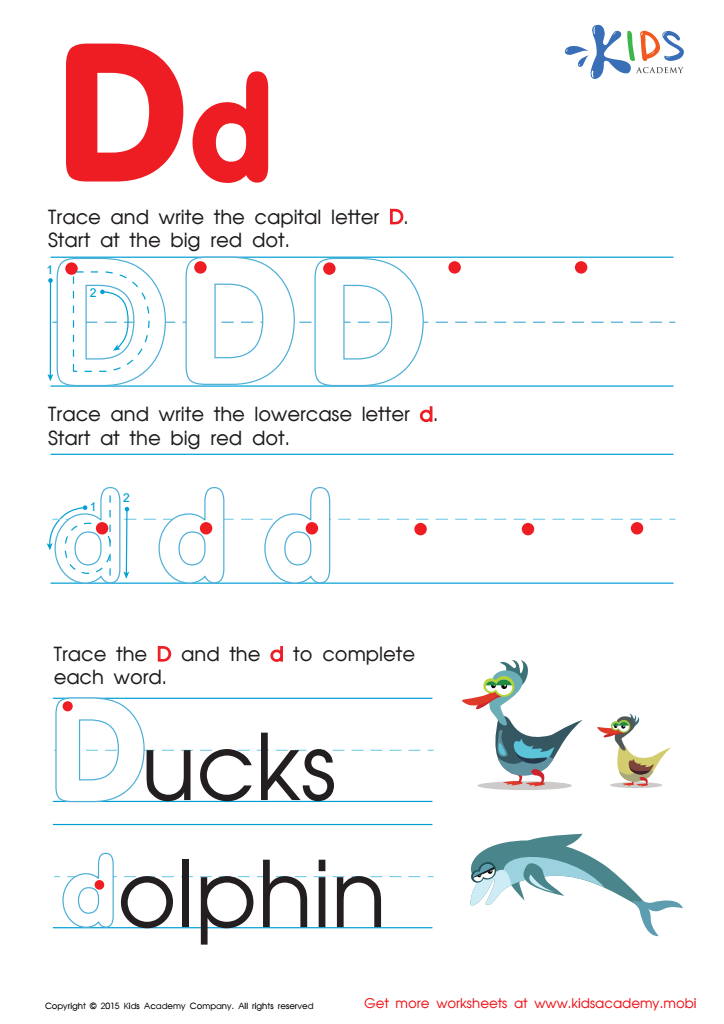
Letter D Tracing Page





Hand-eye coordination is a fundamental skill for young children, and it's especially impactful when integrated into learning English for ages 3-4. This developmental stage is crucial as their brains and motor skills are rapidly evolving. Hand-eye coordination exercises help improve a child's ability to synchronize their visual and motor responses, which are essential for various tasks like writing, drawing, and even reading.
For beginners learning English, incorporating hand-eye coordination can make the process more engaging and effective. For example, activities like tracing letters, connecting dots, or accompanying actions with verbal instructions can enhance both language acquisition and motor skills simultaneously. These activities make learning more interactive, which can hold the short attention spans of toddlers better than passive approaches.
Parents and teachers should care because strong hand-eye coordination lays a foundation for more complex skills needed later, such as playing instruments, sports, or using technology. Also, integrating English learning at this age takes advantage of children's ability to absorb language more naturally. By creating a fun, multi-sensory learning environment, we can foster both linguistic and physical development, setting up children for greater overall success in school and daily activities. Thus, prioritizing hand-eye coordination in early English education equips children with critical skills that have long-term benefits.