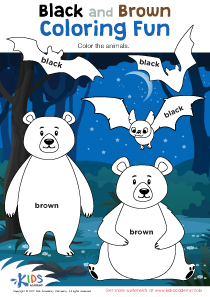
Handwriting Skills English for Beginners Worksheets for Ages 3-4
11 filtered results
-
From - To
Explore our engaging Handwriting Skills English Worksheets designed specifically for beginners aged 3-4. These printable resources promote handwriting development while introducing essential English vocabulary. Our worksheets feature fun, age-appropriate activities that encourage children to trace letters and words, enhancing their fine motor skills and boosting early literacy. Better yet, they support ESL learners, making it easier for young kids to connect written language with spoken English. With vibrant illustrations and playful exercises, our worksheets keep learning enjoyable and interactive. Perfect for parents and educators alike, watch your little ones develop confidence in their writing abilities with our fun, skill-building resources!
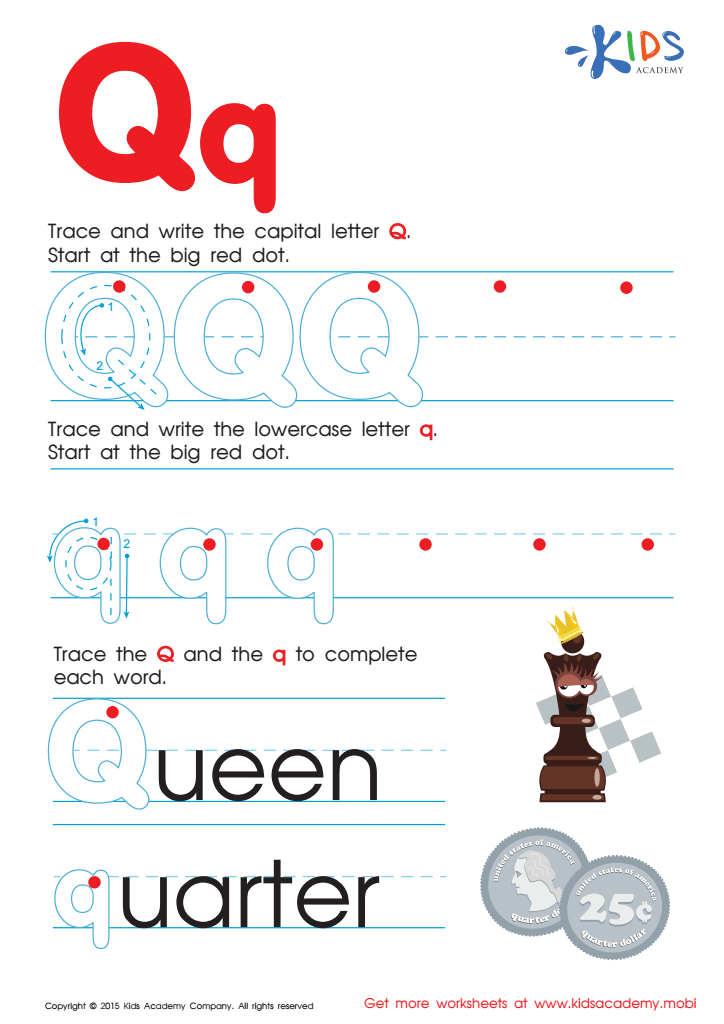
Letter Q Tracing Page
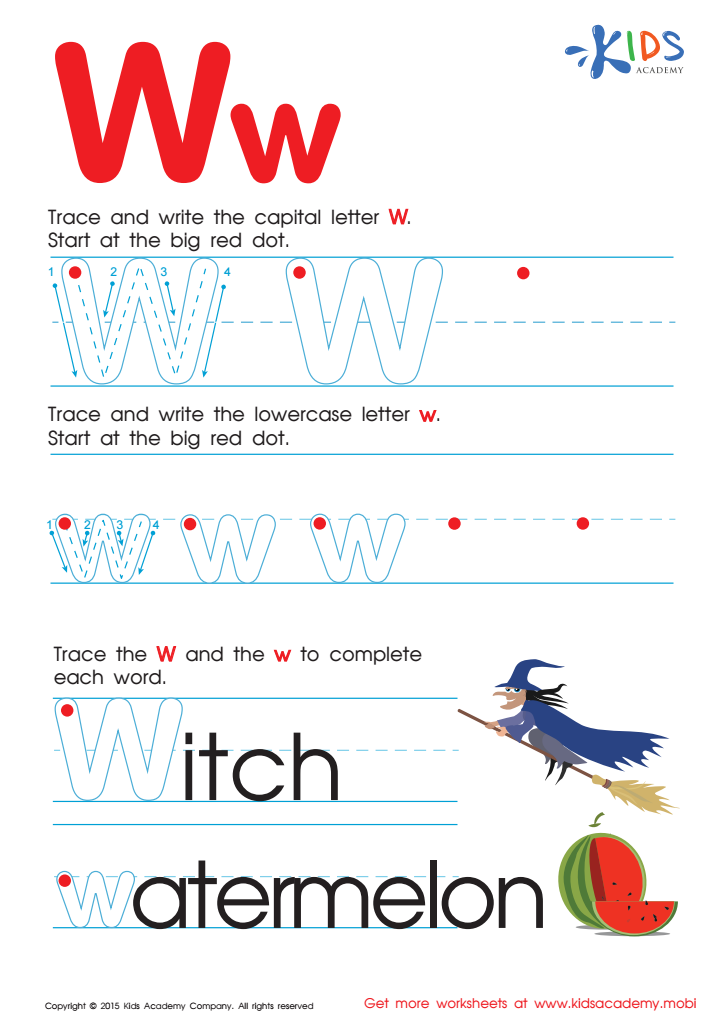
Letter W Tracing Page
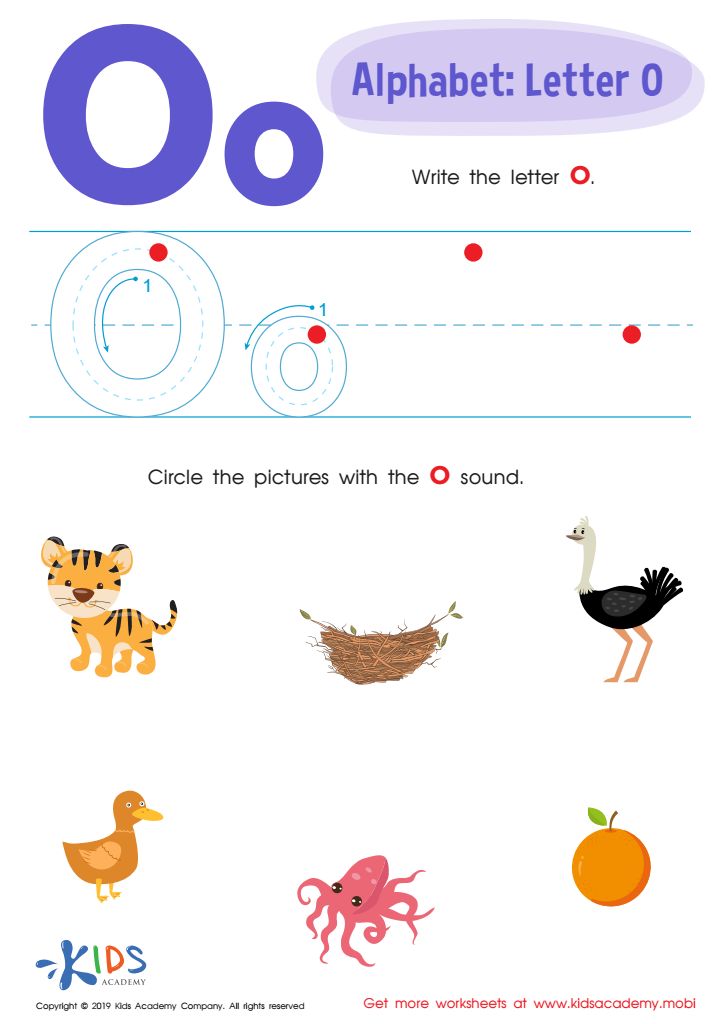
Letter O Tracing Worksheet
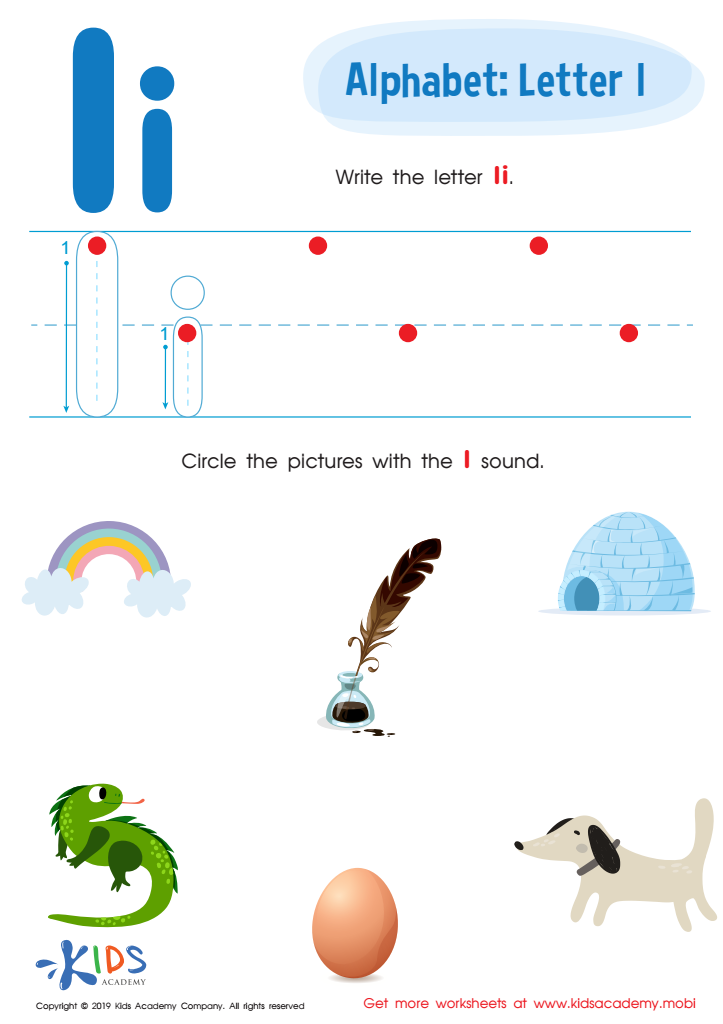
Letter I Tracing Worksheet
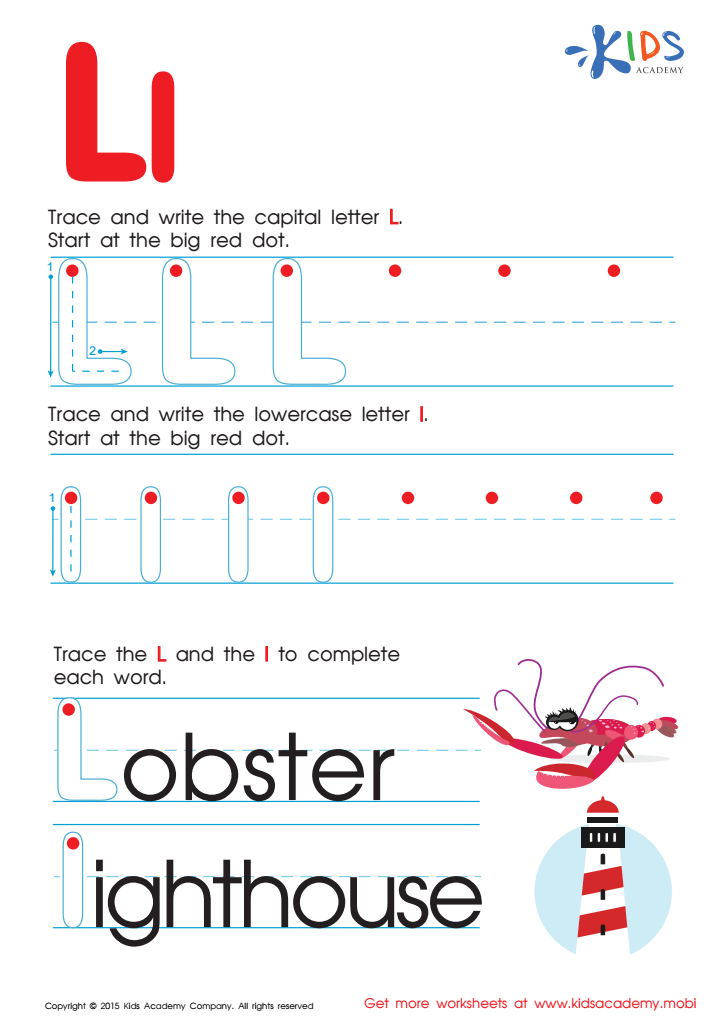
Letter L Tracing Page
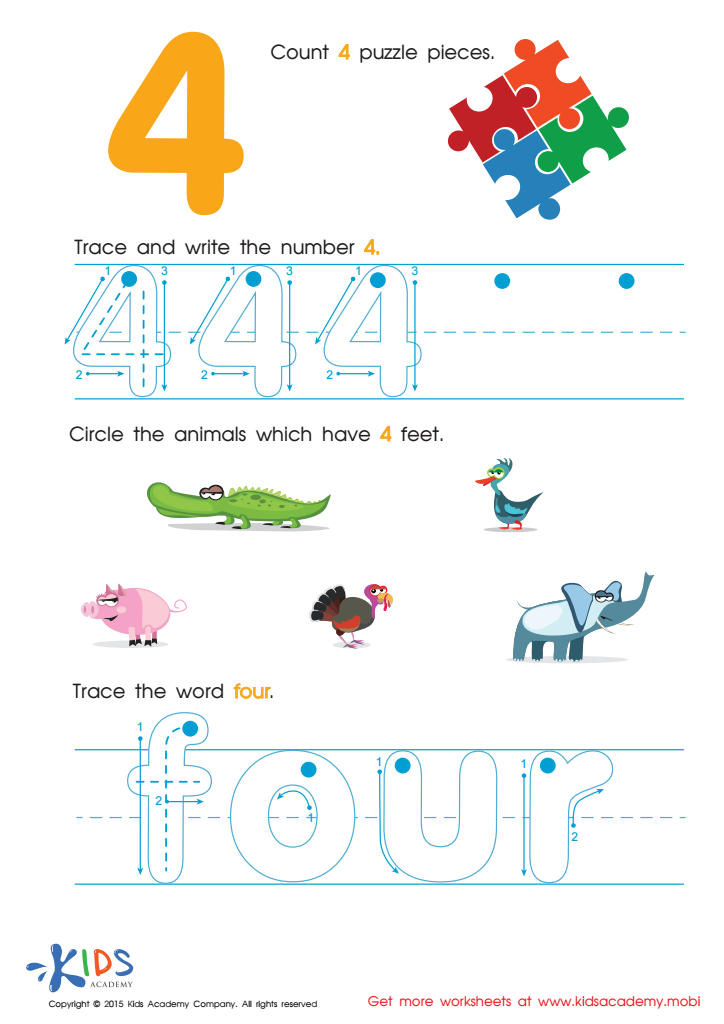
Teaching Children to Write Number 4 Worksheet

Letter E Tracing Page
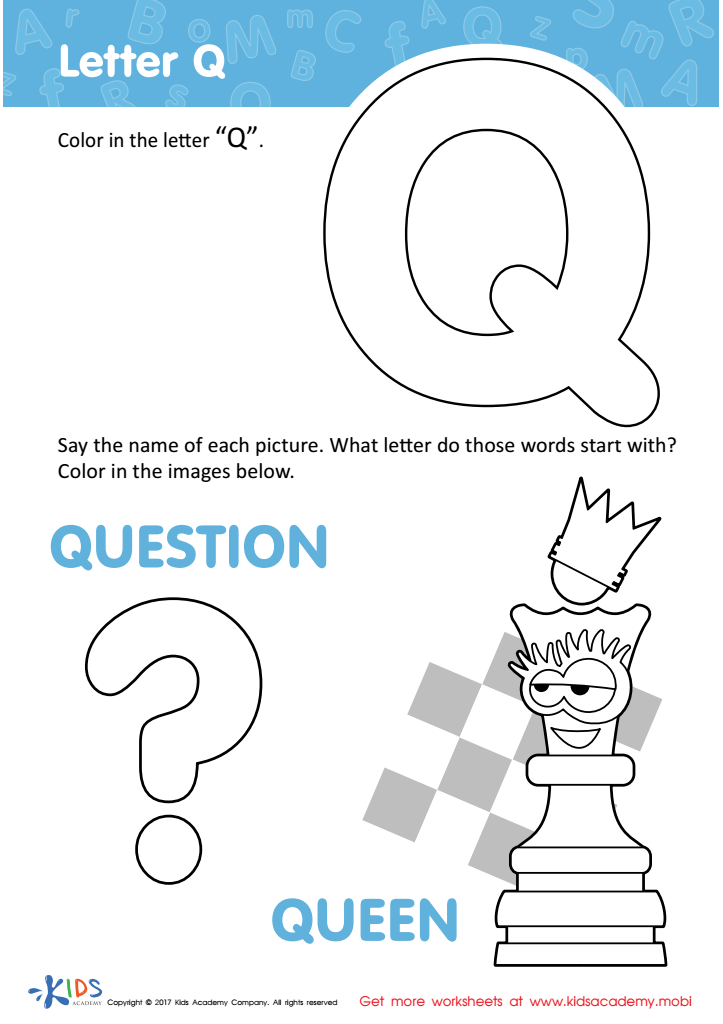
Letter Q Coloring Sheet
 Assign to My Students
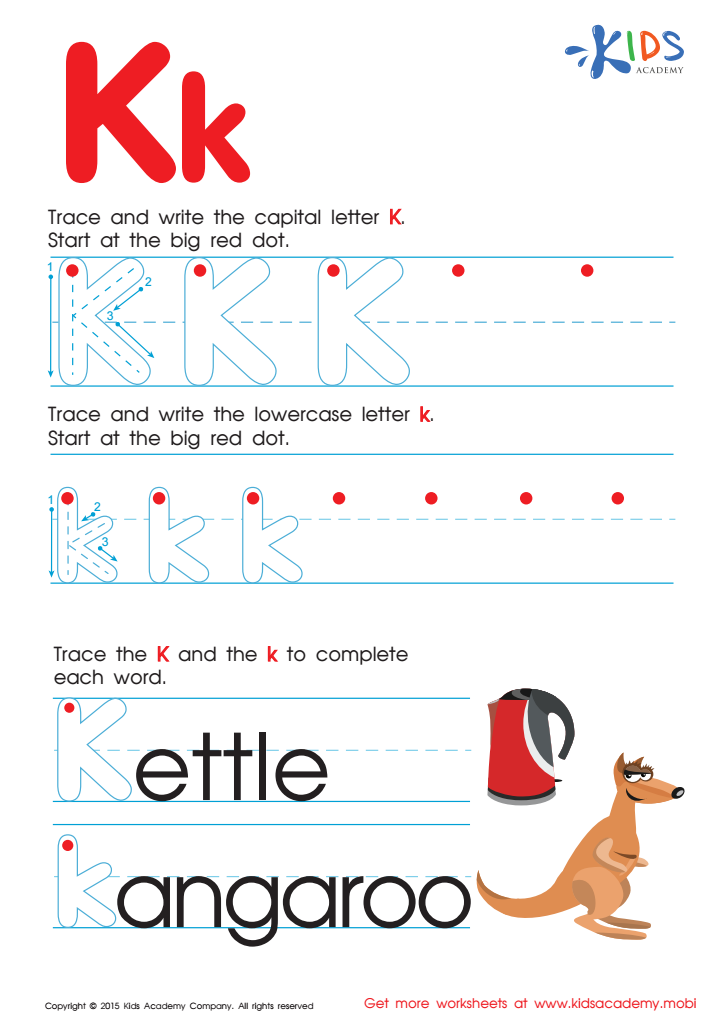
Letter K Tracing Page
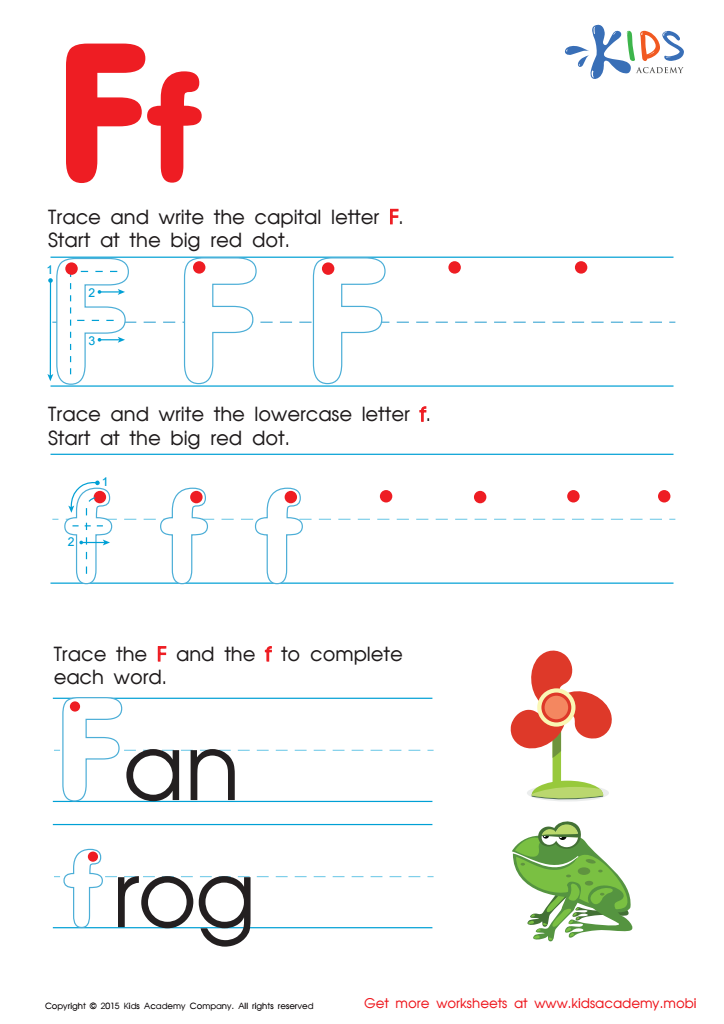
Letter F Tracing Page
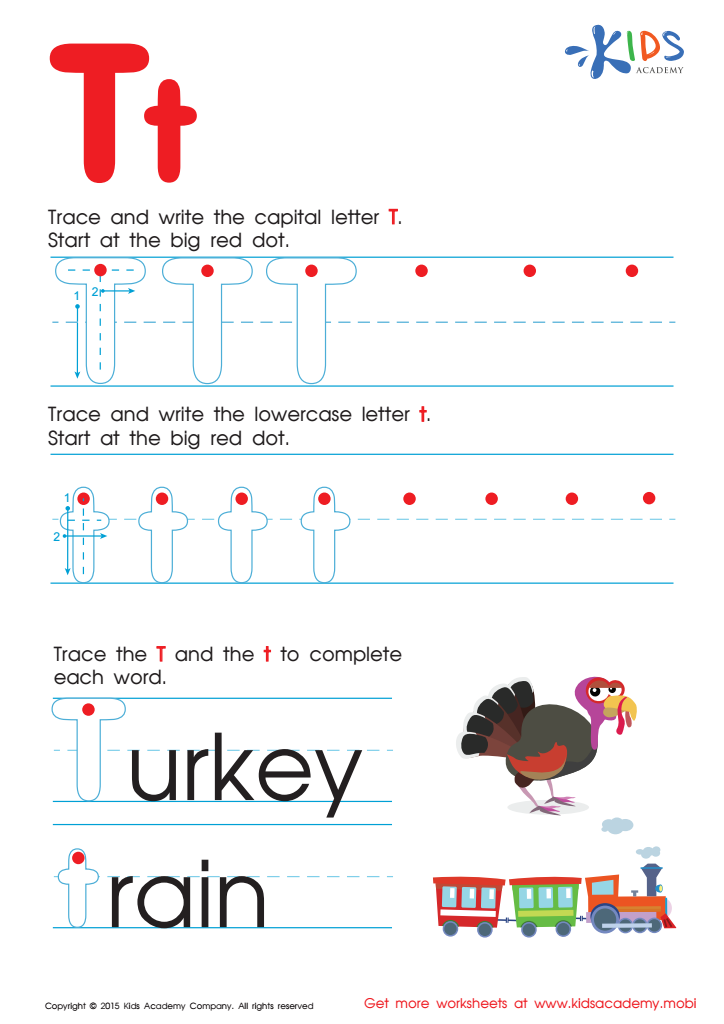
Letter T Tracing Page





Handwriting skills are foundational for young learners, especially for children aged 3-4, as they embark on their educational journey. At this age, developing fine motor skills is essential for tasks that require hand-eye coordination, such as writing. Encouraging handwriting skills not only helps children express themselves, but also enhances their ability to communicate effectively, setting the stage for successful literacy development.
Moreover, early handwriting practice lays the groundwork for learning proper spelling and grammar, which are critical parts of writing in English. As children learn to form letters and numbers, they engage cognitive processes that improve their memory and focus, aiding overall academic performance.
Furthermore, handwriting fosters creativity. When children begin to write, they are not just forming letters; they are also invited to share their thoughts and ideas, nurturing their imaginative capabilities. Lastly, handwriting can instill a sense of accomplishment and boost confidence in young learners as they witness their progress, igniting a love for learning that will benefit them throughout their education.
In summary, handwriting skills are not merely about writing; they are intertwined with motor skill development, cognitive growth, literacy, and creativity, making them vital for parents and teachers to prioritize.