Letter Tracing English for Beginners Worksheets for Ages 3-4
6 filtered results
-
From - To
"Letter Tracing English for Beginners Worksheets for Ages 3-4" simplify early education for young learners. Specially designed to aid children in mastering ABCs, these engaging printable worksheets combine entertainment with learning. Kids focus on fine motor skills through tracing letters and learning proper writing techniques. The vibrant, captivating images making each page an enjoyable activity, fostering an early love for literacy while enhancing visual recognition of both uppercase and lowercase letters. Ideal for parents and educators, these worksheets lay a robust foundation for reading and writing, ensuring young children gain confidence in their first steps toward literacy success.
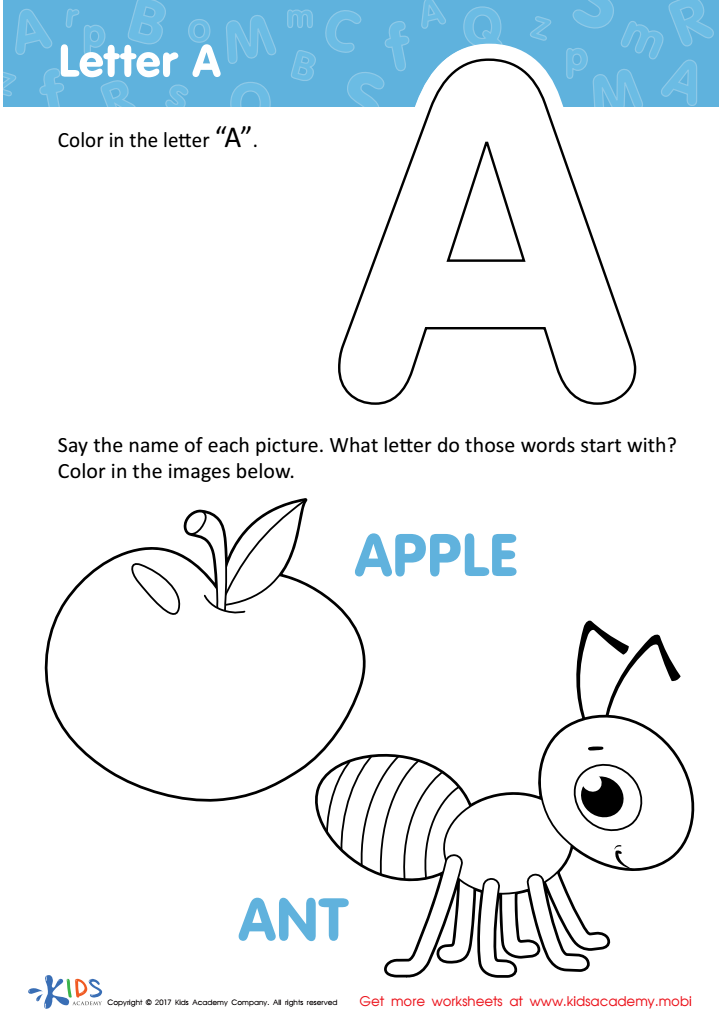
Letter A Coloring Sheet
 Assign to My Students
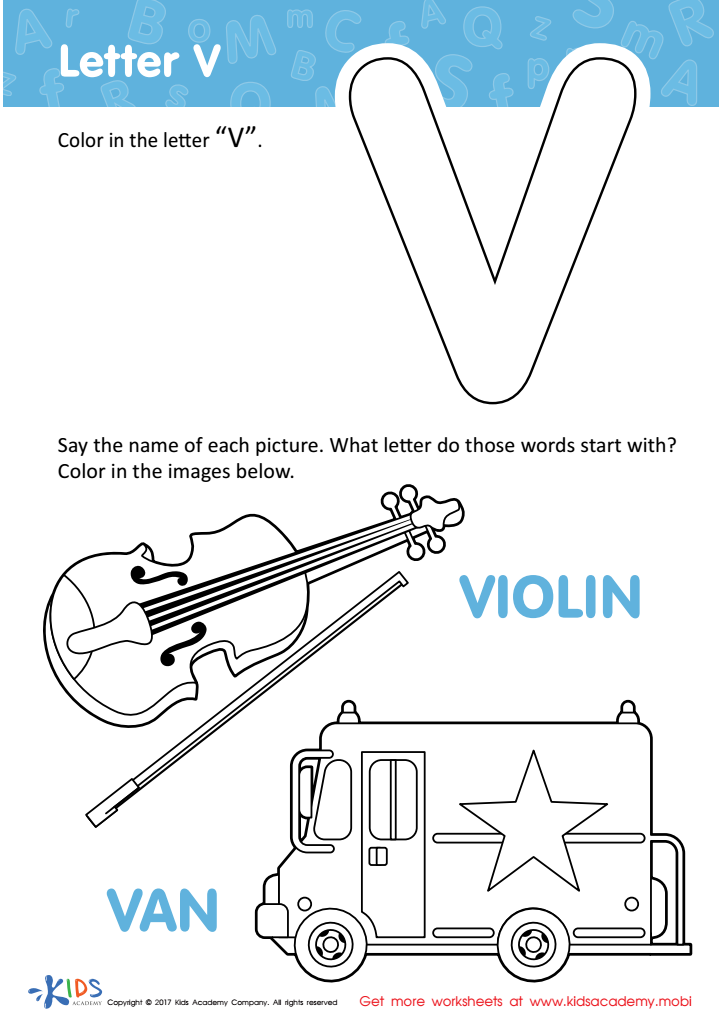
Letter V Coloring Sheet
Assign to My Students
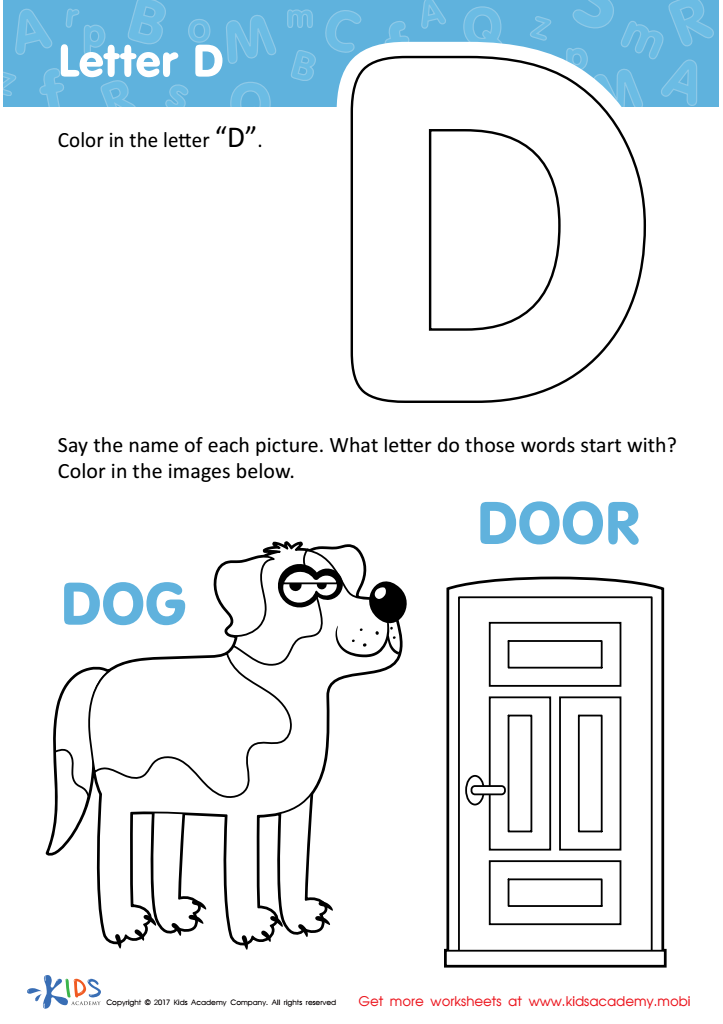
Letter D Coloring Sheet
Assign to My Students
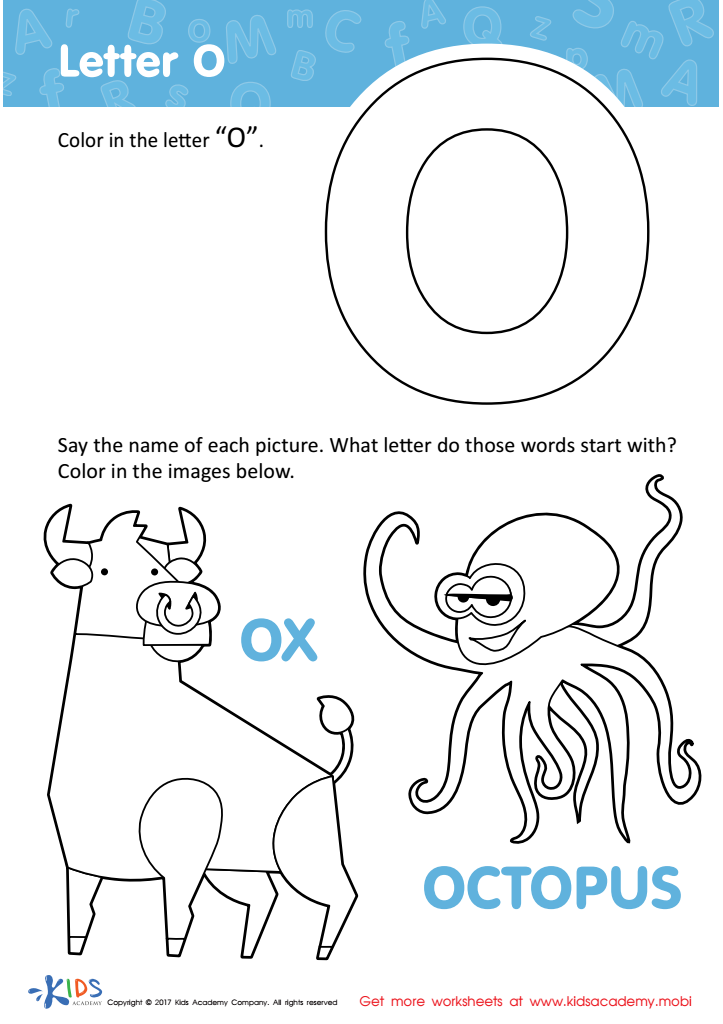
Letter O Coloring Sheet
Assign to My Students
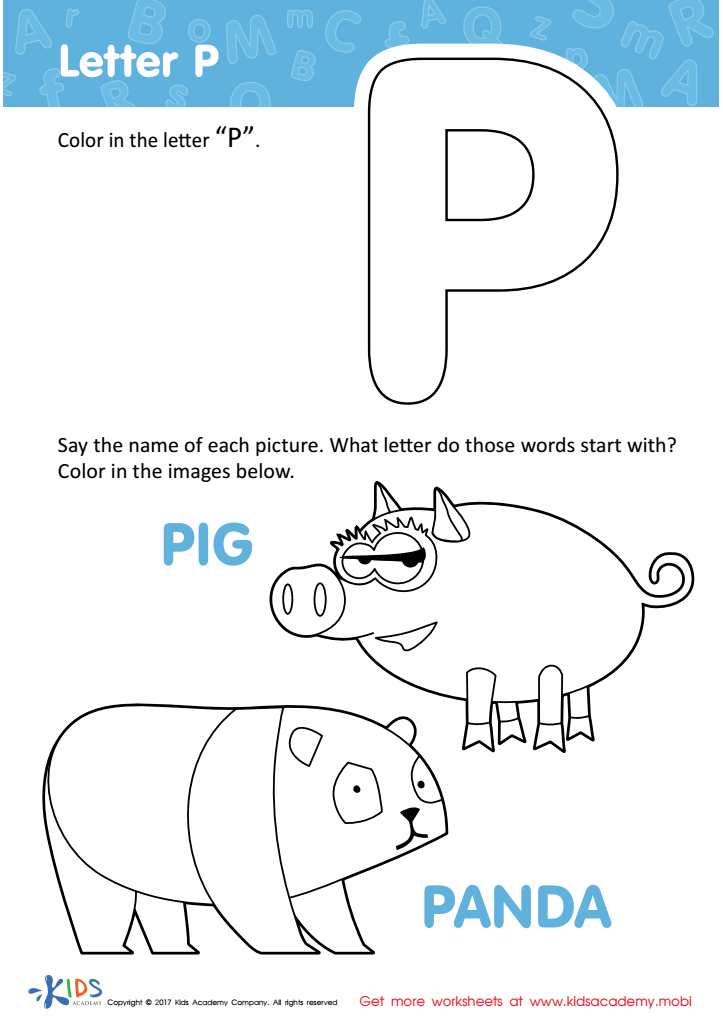
Letter P Coloring Sheet
Assign to My Students
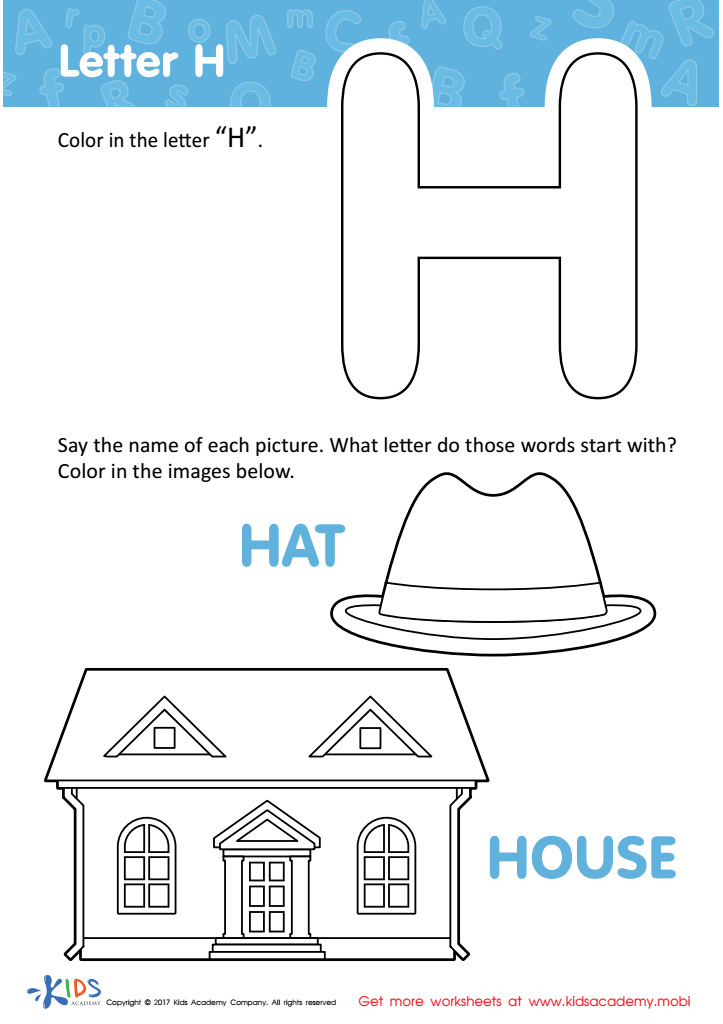
Letter H Coloring Sheet
Assign to My Students





Letter tracing is an essential early childhood educational activity that significantly benefits 3- and 4-year-olds. Firstly, it provides the foundation for literacy by introducing children to the alphabet in an engaging and hands-on manner. As kids trace each letter, they learn to recognize and memorize its shape, which is a critical step toward reading proficiency.
Furthermore, letter tracing enhances fine motor skills. Holding and maneuvering a pencil or crayon to trace letters strengthens hand muscles and improves hand-eye coordination, both of which are crucial for a variety of future skills, including writing and other everyday tasks.
Cognitively, letter tracing promotes attention to detail and patience, fostering both focus and discipline. As children follow the guided strokes, they practice controlling their movements and staying within structured lines, which helps develop concentration and persistence.
Additionally, parents and teachers caring about letter tracing contribute to building a child's confidence and self-esteem. Successfully tracing letters and receiving positive feedback create a sense of achievement, encouraging further learning and exploration.
Overall, investing time in letter tracing activities sets a strong educational foundation, supporting a seamless transition to more advanced literacy and academic skills. This activity bridges the gap between play and structured learning, making it a fundamental part of early childhood development.