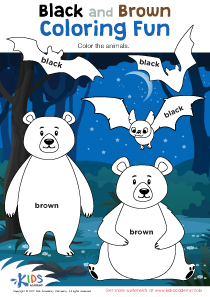
Letter Tracing Practice English for Beginners Worksheets for Ages 3-4
3 filtered results
-
From - To
Welcome to our Letter Tracing Practice Worksheets designed specifically for English beginners aged 3-4! These engaging and interactive worksheets are perfect for little learners who are just starting their journey in literacy. Our fun, colorful activities help children develop essential fine motor skills while learning to recognize and trace the letters of the alphabet. Each worksheet features easy-to-follow instructions, promoting confidence in writing and letter formation. Whether at home or in the classroom, our resources provide a solid foundation in English literacy, making learning enjoyable for young minds. Download our free worksheets today and watch your child's skills blossom!
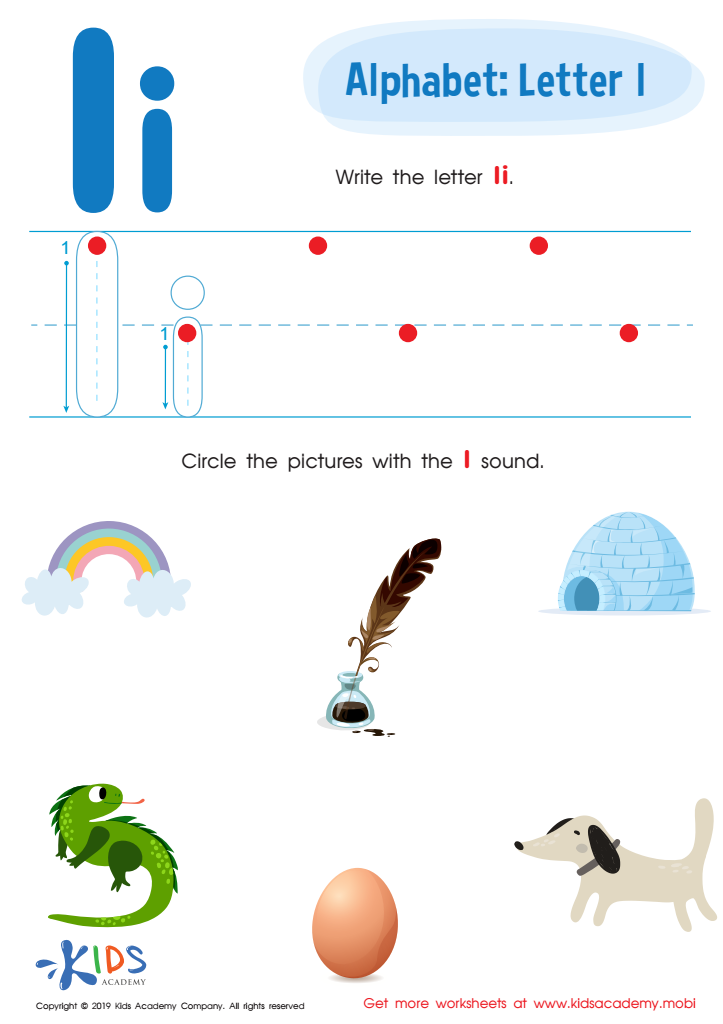
Letter I Tracing Worksheet
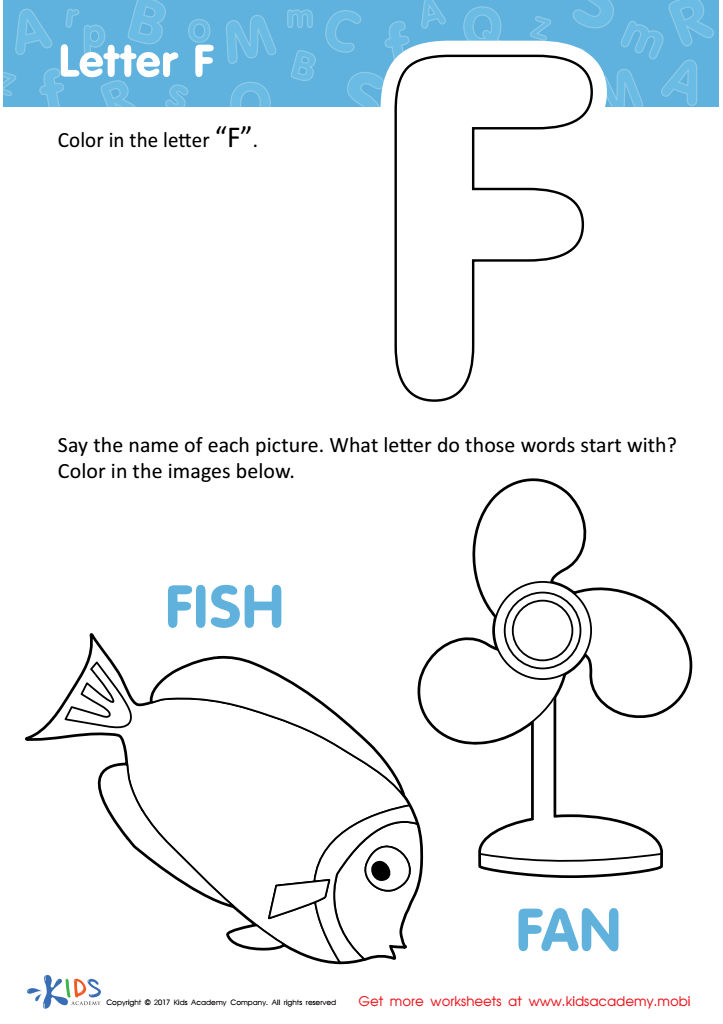
Letter F Coloring Sheet
 Assign to My Students
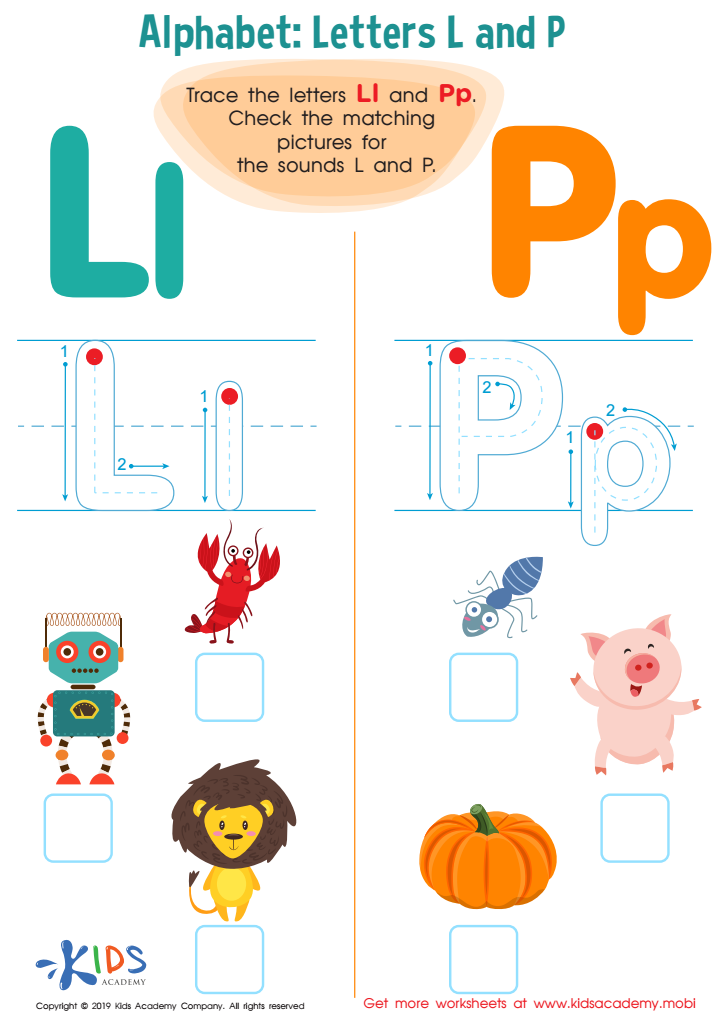
Letter L and P Tracing Worksheet





Letter tracing practice is essential for young learners aged 3-4 as it lays the foundation for their literacy development. At this early stage, children are naturally curious and eager to explore new skills. Engaging them in letter tracing helps develop fine motor skills, essential for writing and other hand-eye coordination tasks. As they trace letters, they begin to familiarize themselves with the shapes, sounds, and names of the letters, reinforcing the connection between written and spoken language.
For parents and teachers, facilitating tracing practice supports cognitive development through sensory experiences, as children engage with tactile activities. Incorporating letter tracing can also make learning fun, capturing children's attention and allowing for interactive activities such as tracing with fingers, crayons, or even finger paint.
Additionally, consistent practice establishes early habits in literacy, preparing children for future reading and writing success. By supporting letter tracing, parents and teachers foster confidence and a love for learning, making school readiness more achievable. It’s not just about writing letters correctly—it’s about creating a holistic learning environment that nurtures a child’s communication skills and inquisitiveness, ultimately paving the way for academic success and lifelong learning.