Alphabet Recognition Worksheets for Ages 3-4
65 filtered results
-
From - To
Enhance your child's early learning with our Alphabet Recognition Worksheets tailored for ages 3-4 from Kids Academy. These engaging, colorful worksheets are designed to make letter recognition fun and interactive, helping young learners to identify and distinguish between uppercase and lowercase letters. Through various activities including tracing, coloring, and matching, children will build a strong foundation in their literacy skills. Perfect for both at-home practice and classroom use, these worksheets encourage independent learning and provide essential skills for the next stage of reading and writing development. Foster your child's love for learning today with our expert-designed resources.
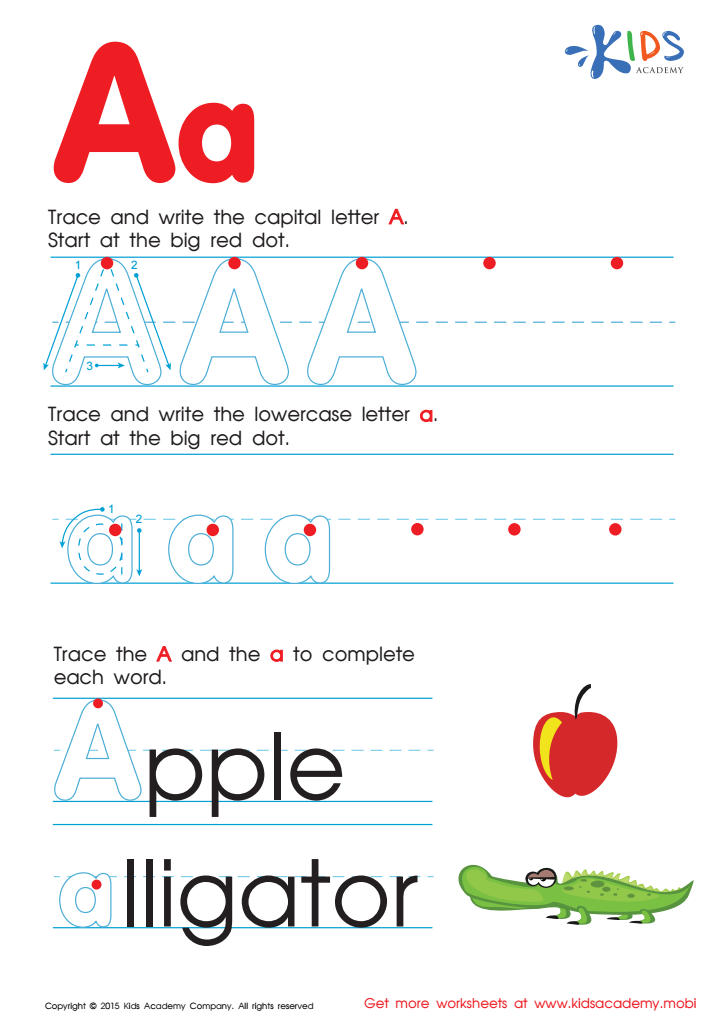
Letter A Tracing Page
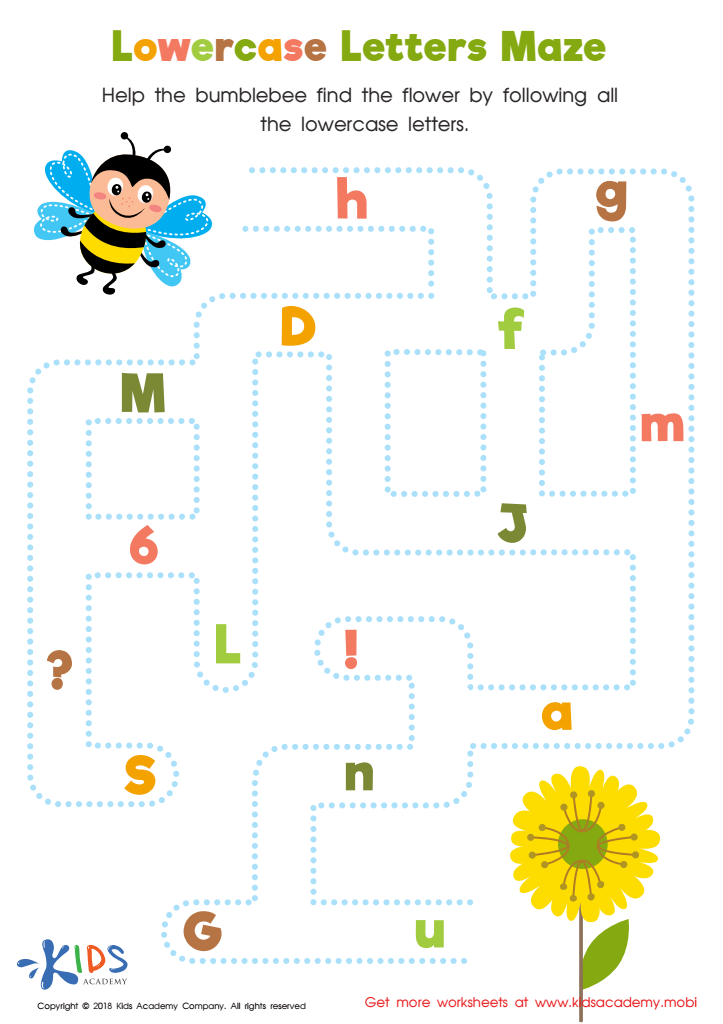
Lowercase Letters Maze Worksheet
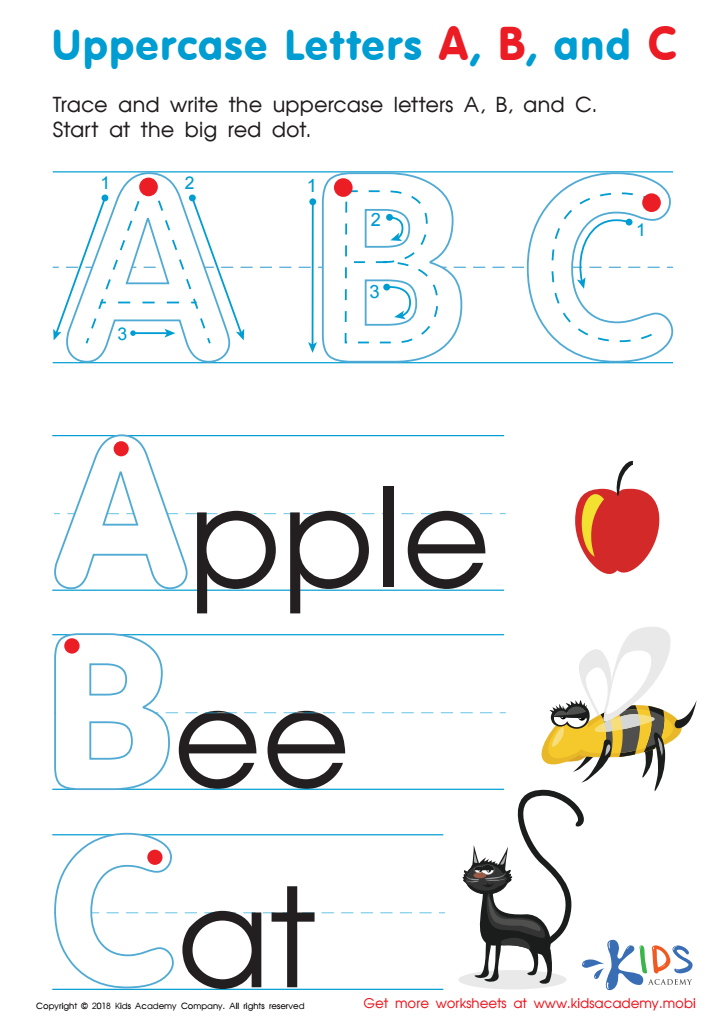
Uppercase Letters A, B, and C Worksheet
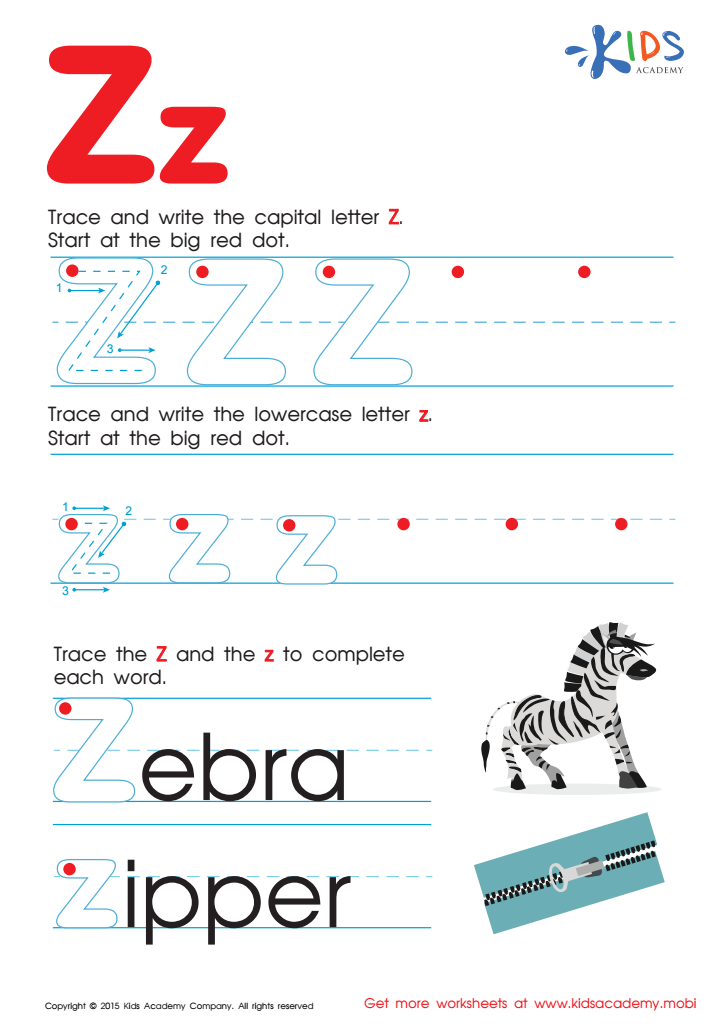
Letter Z Tracing Page
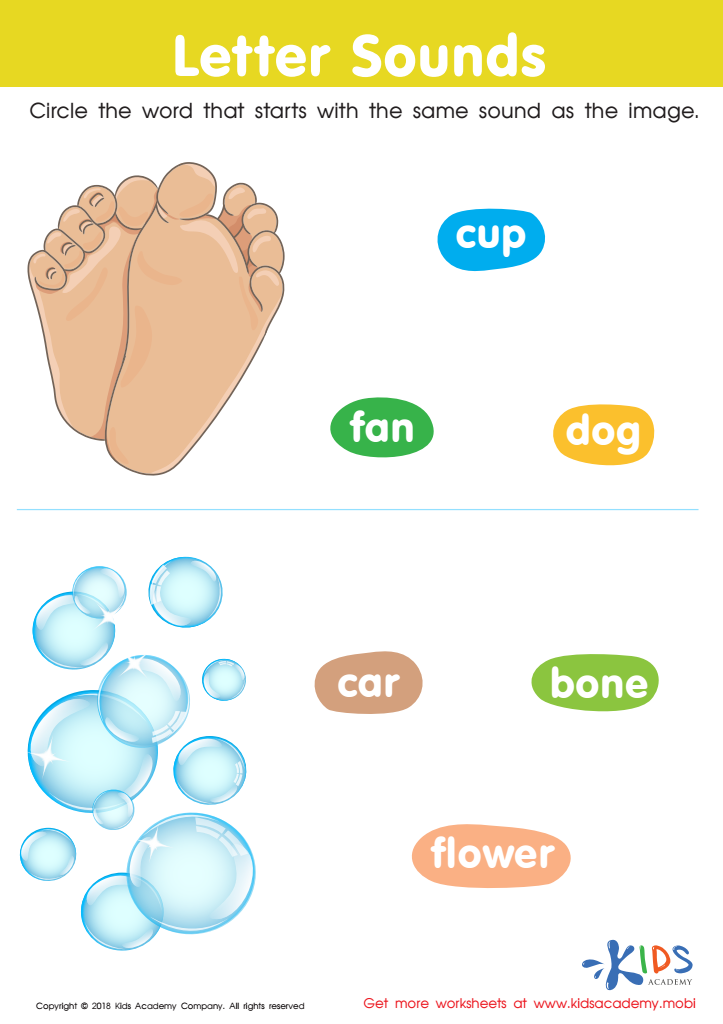
letter sounds Worksheet
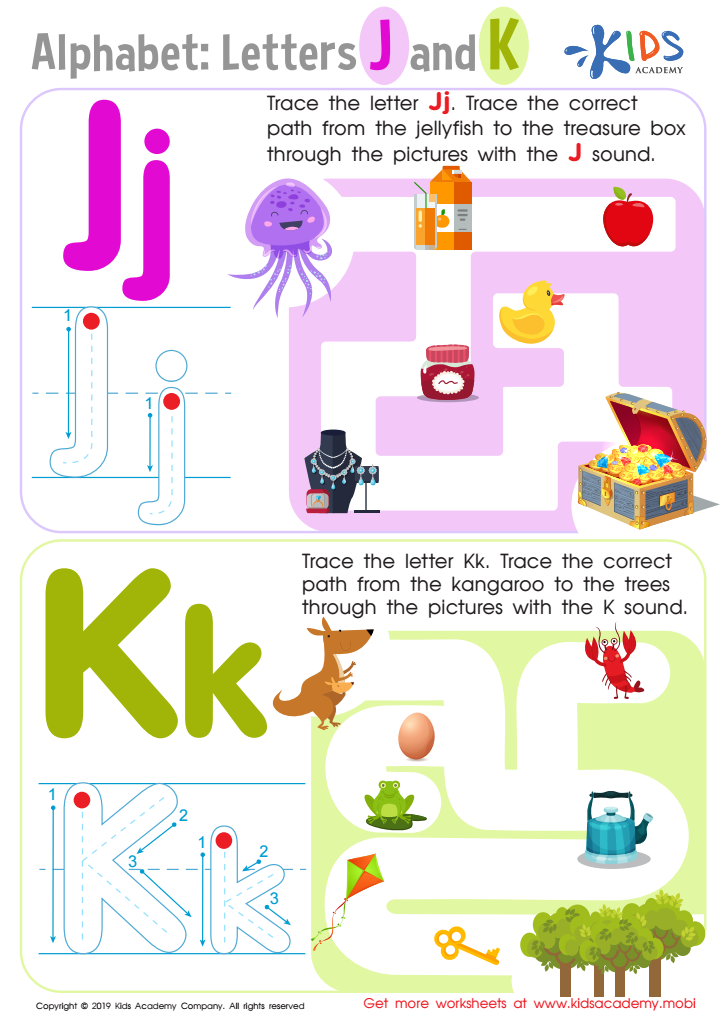
Letters J and K Tracing Worksheet
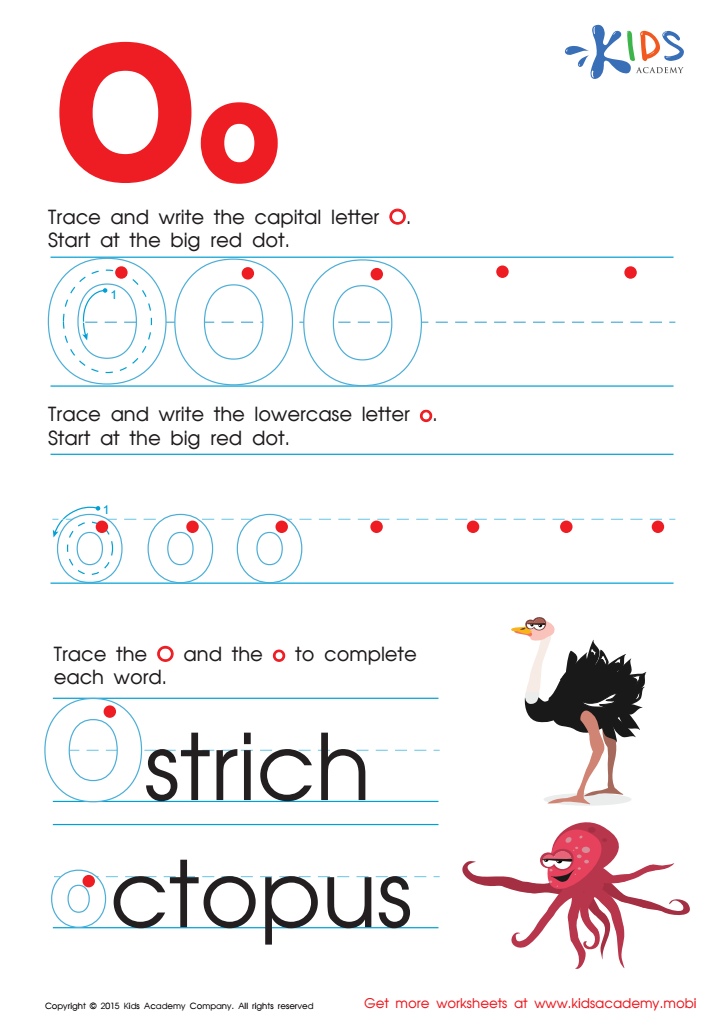
Letter O Tracing Page
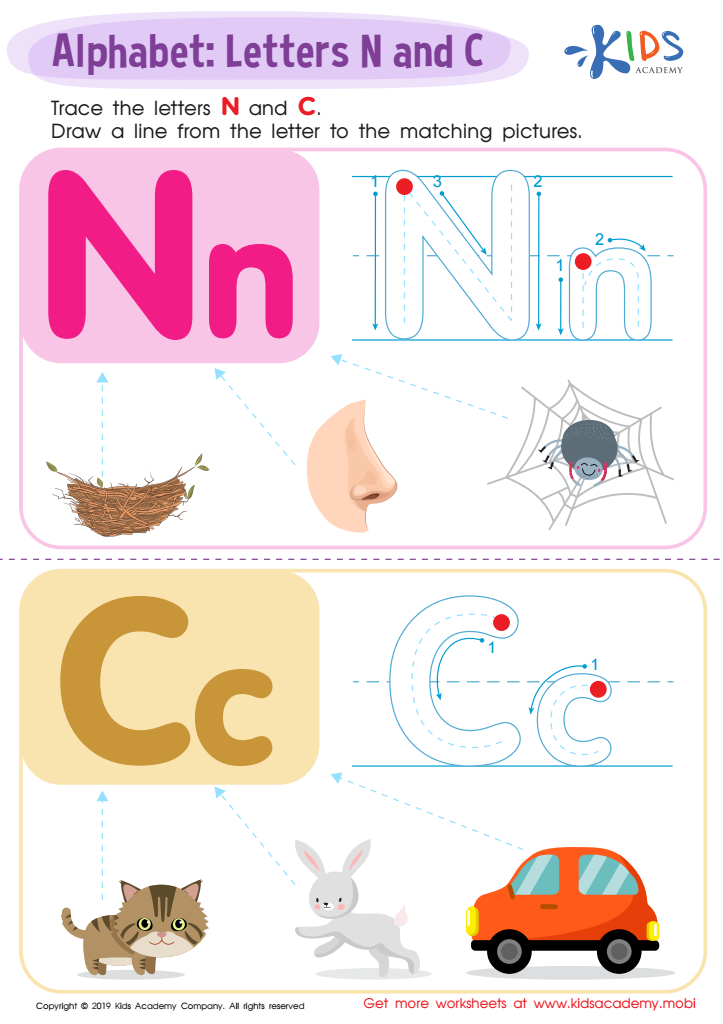
Letter N and C Tracing Worksheet
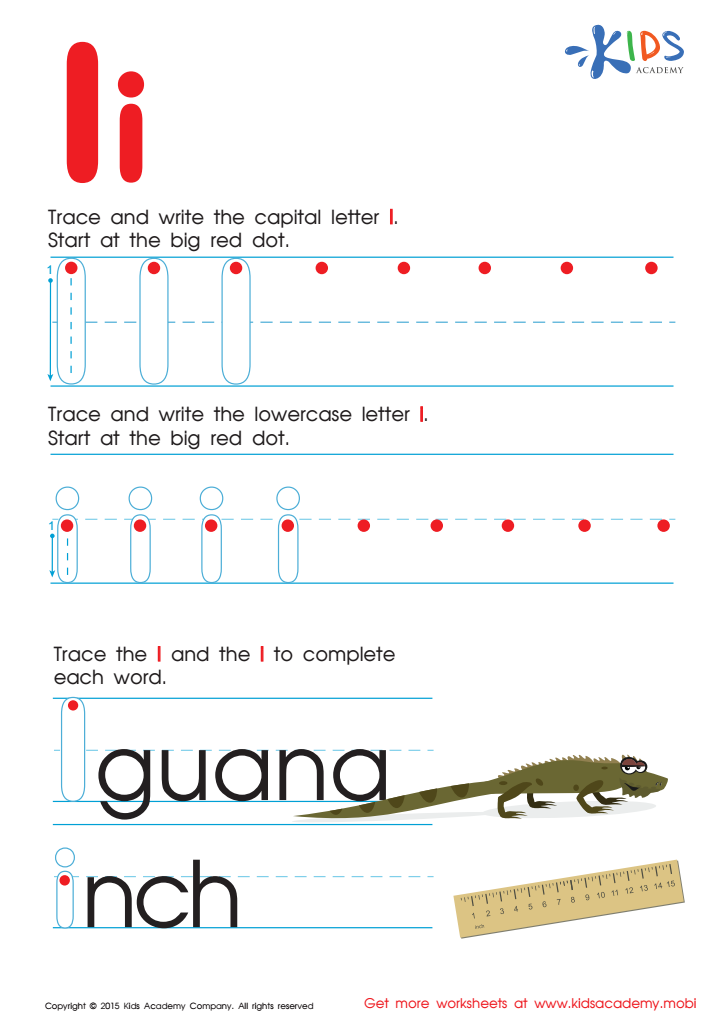
Letter I Tracing Page
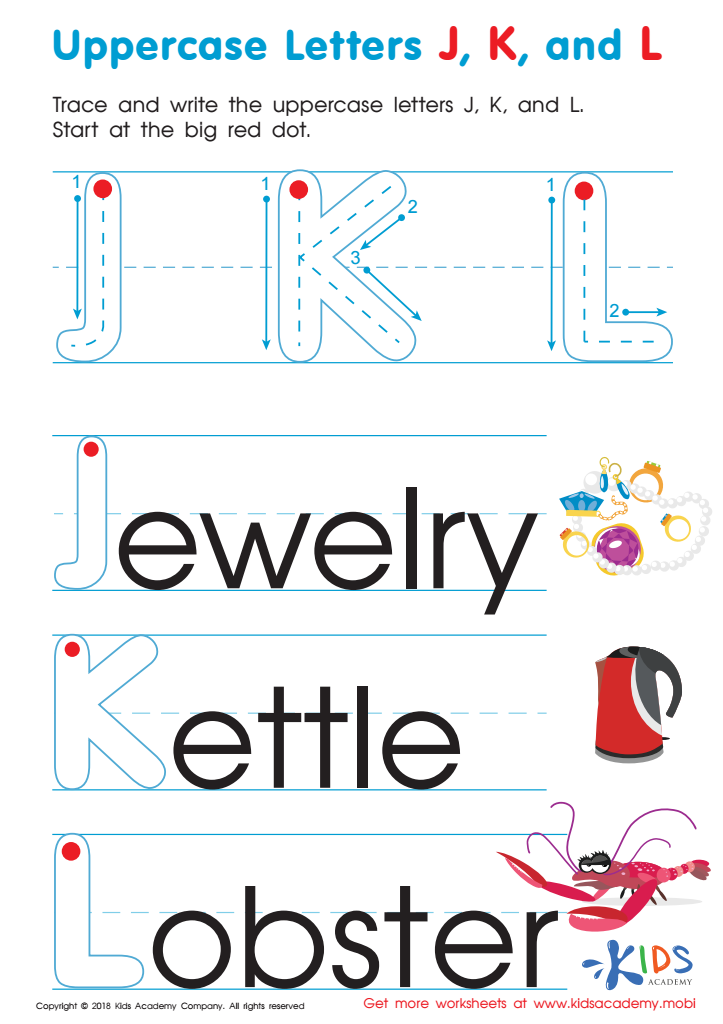
Uppercase Letters J, K, and L Worksheet
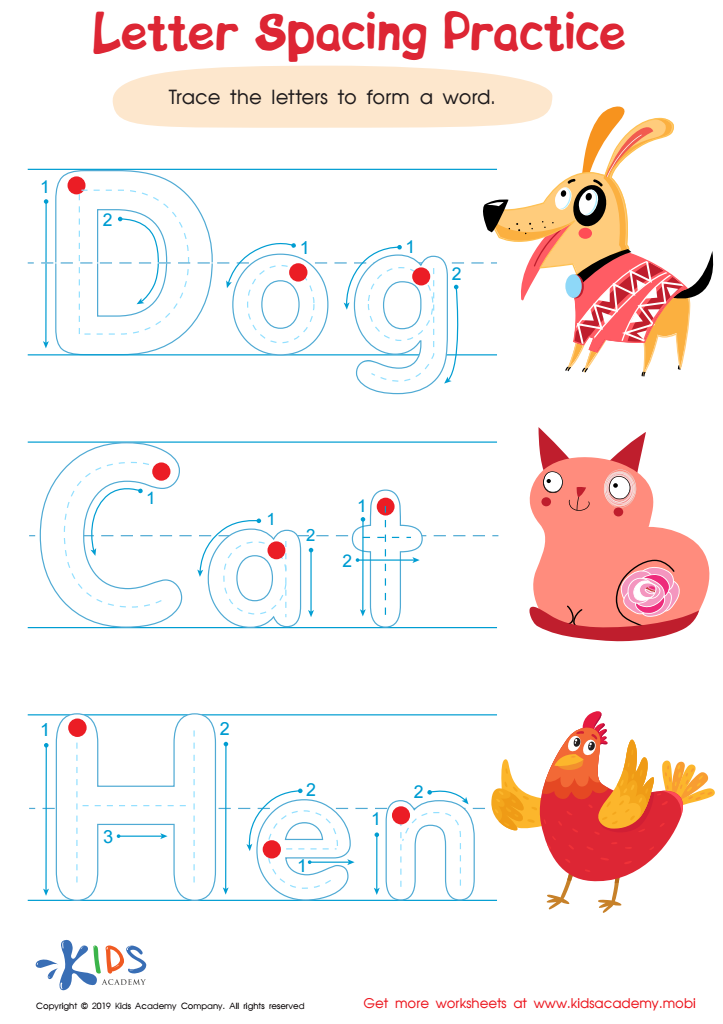
Letter Spacing Practice Worksheet
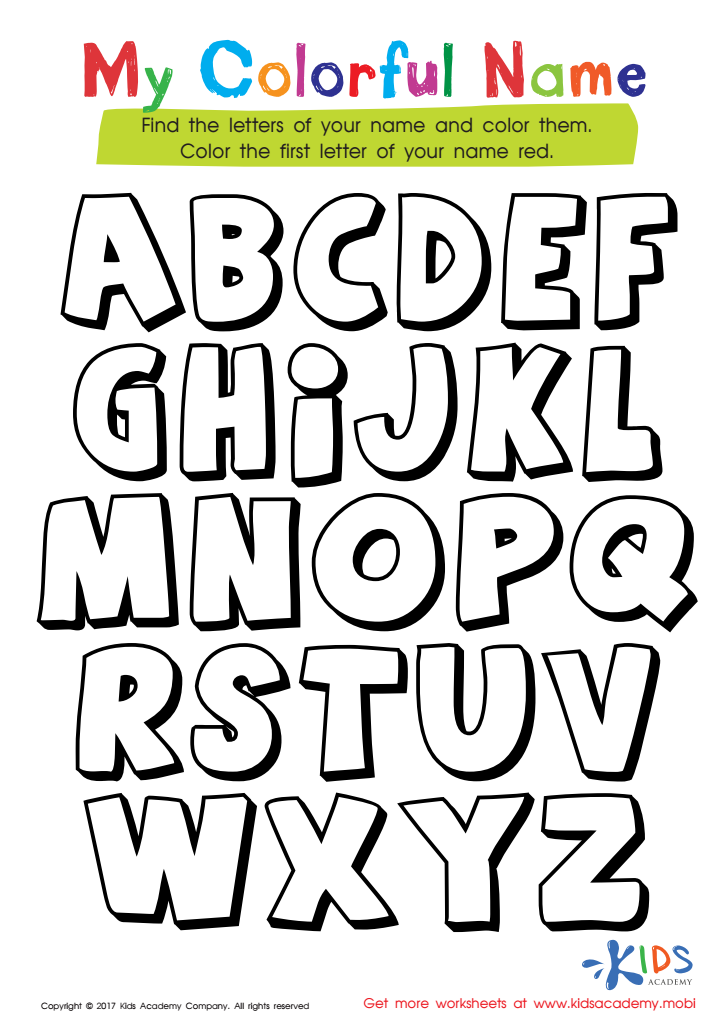
My Colorful Name Worksheet
 Assign to My Students
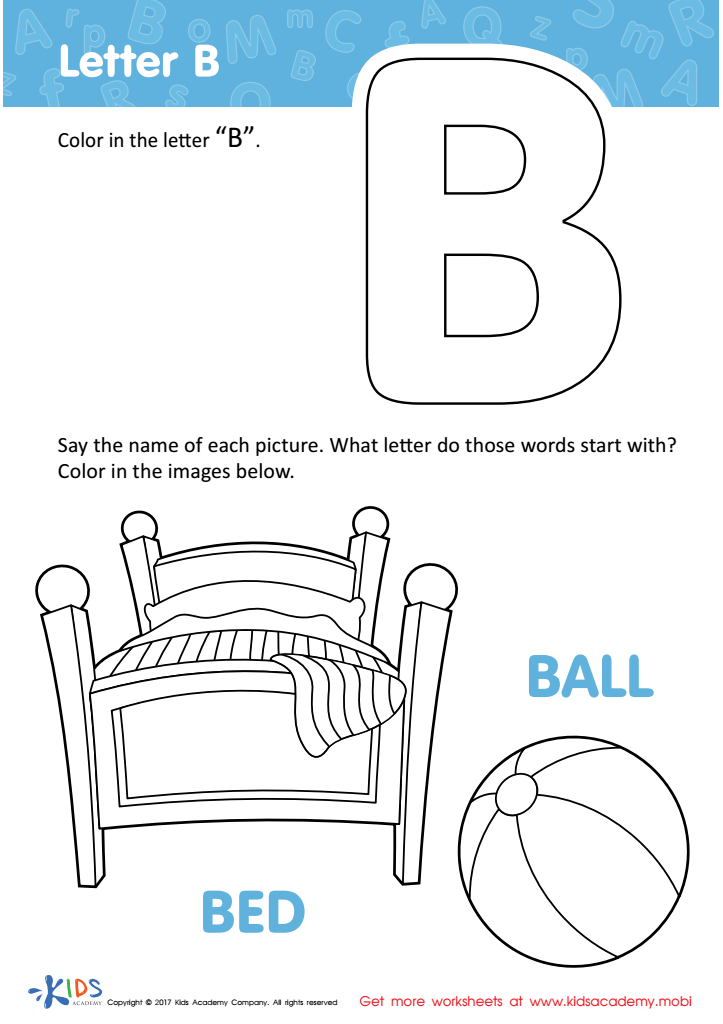
Letter B Coloring Sheet
Assign to My Students
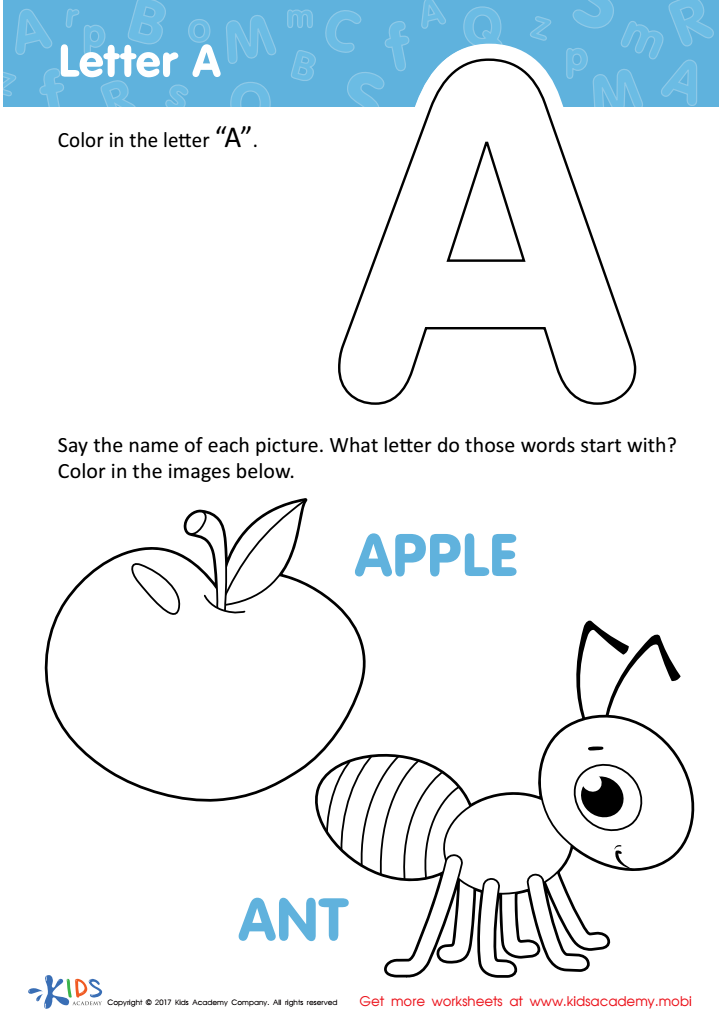
Letter A Coloring Sheet
Assign to My Students
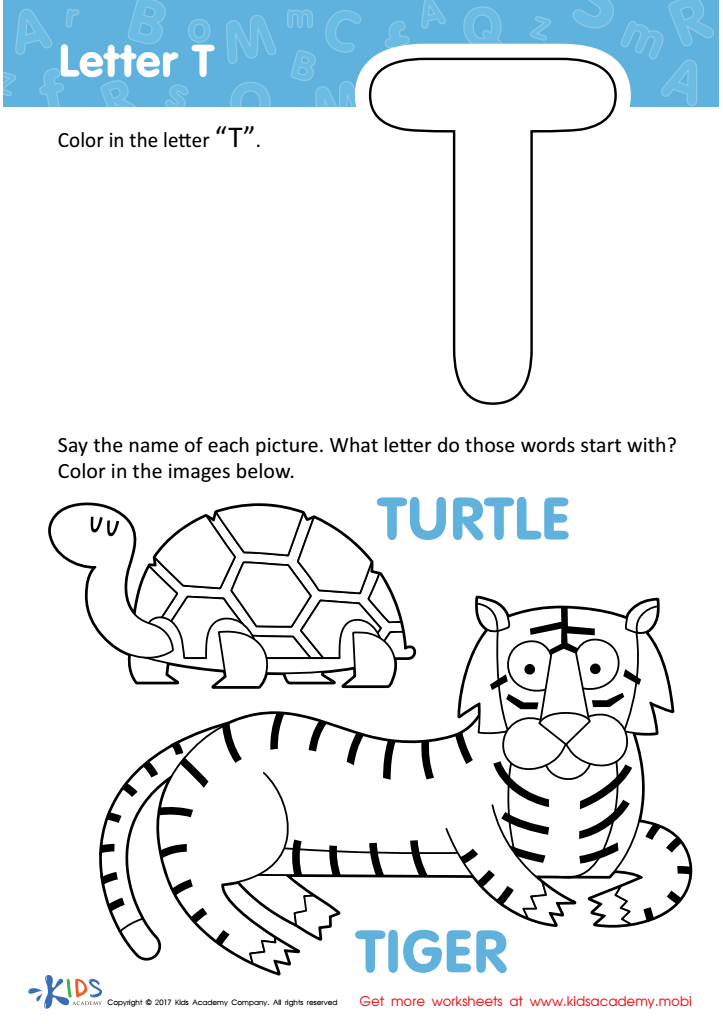
Letter T Coloring Sheet
Assign to My Students
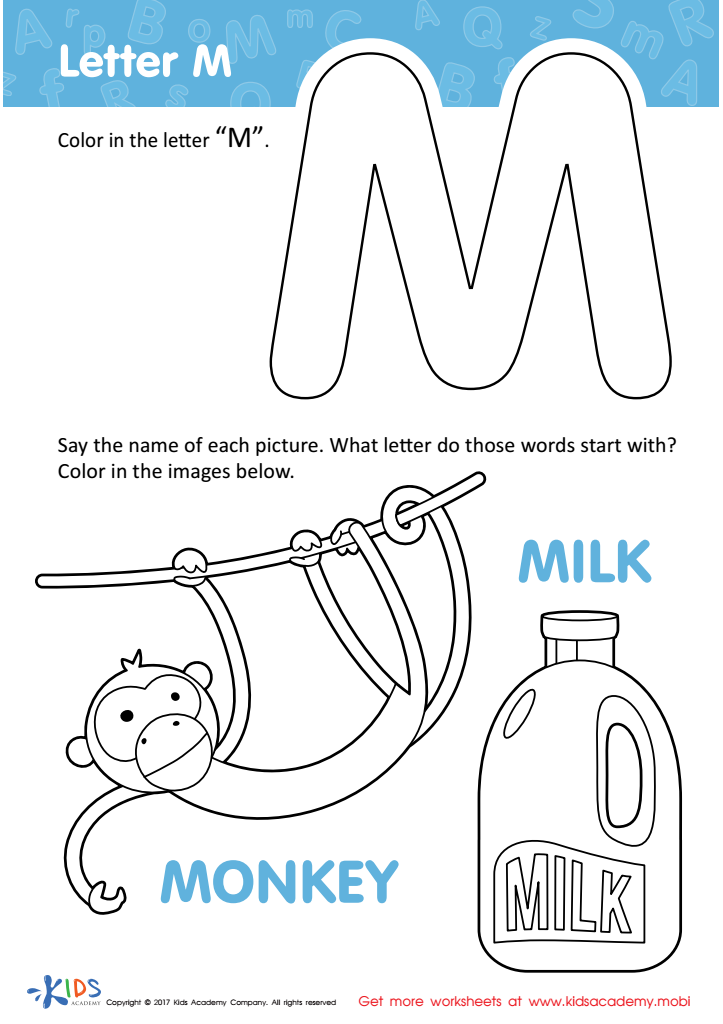
Letter M Coloring Sheet
Assign to My Students
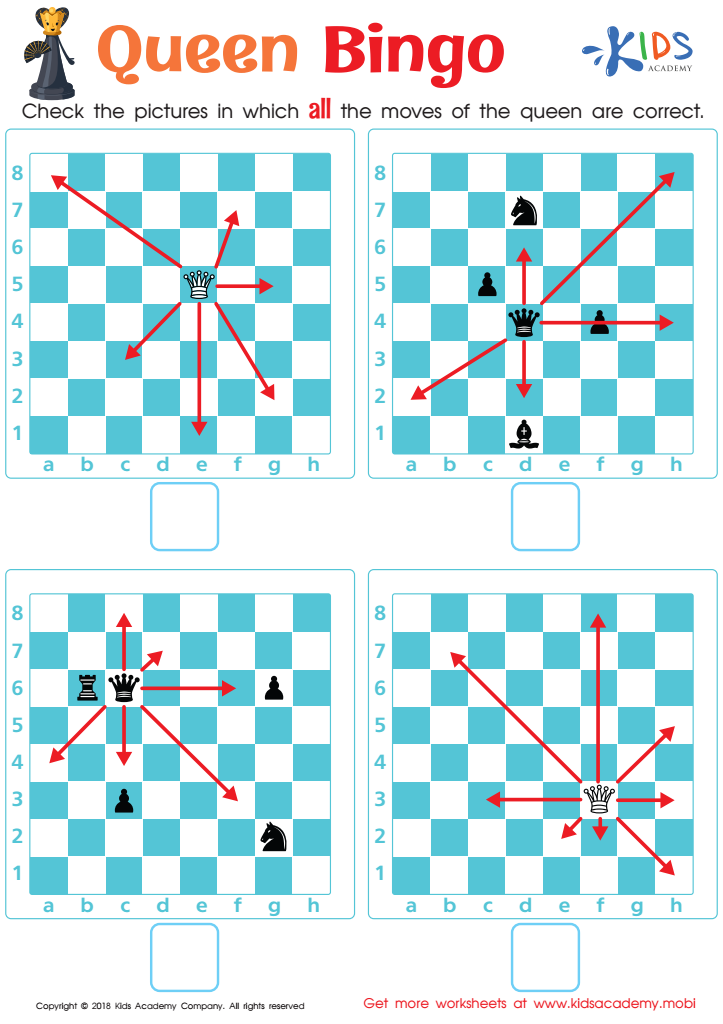
Queen Bingo Worksheet
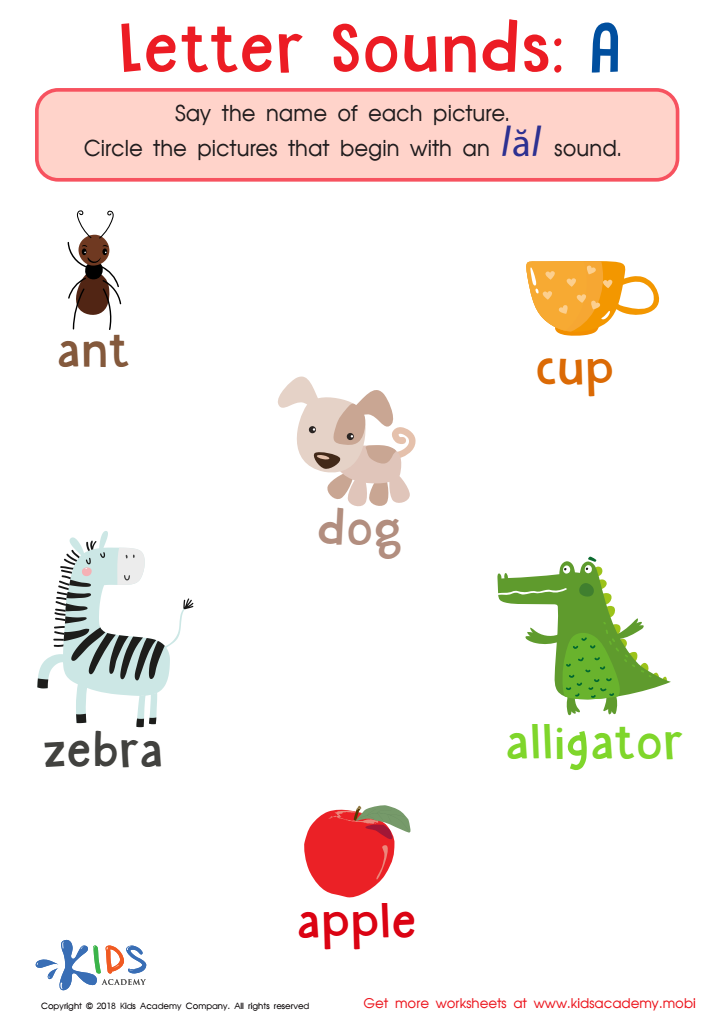
Letter A Sounds Worksheet
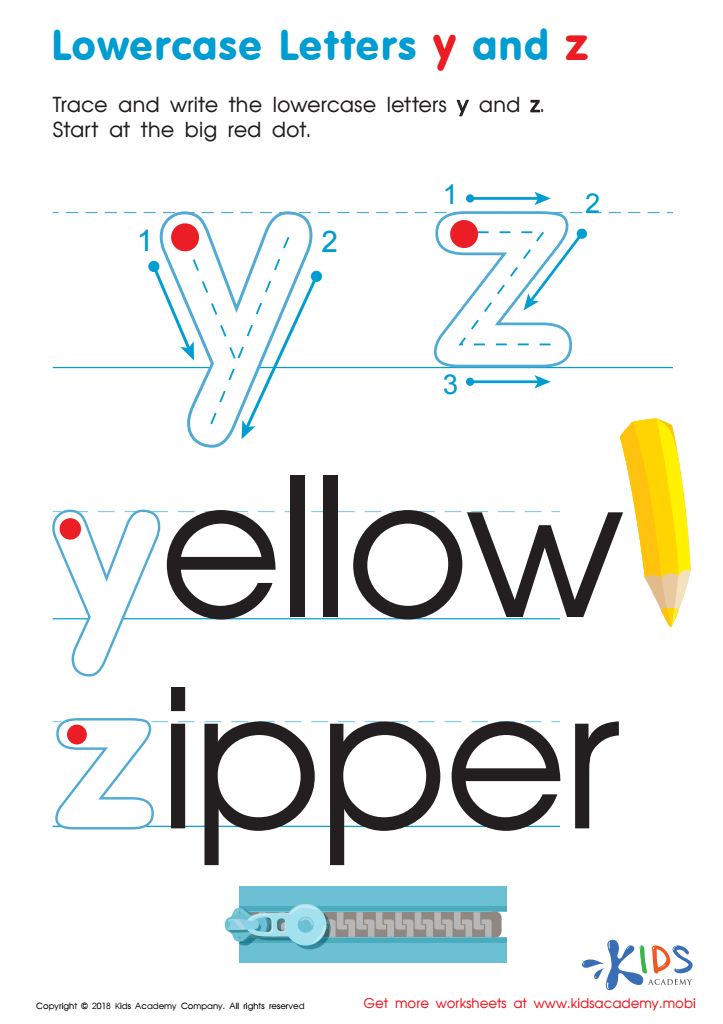
Lowercase Letters y z Worksheet
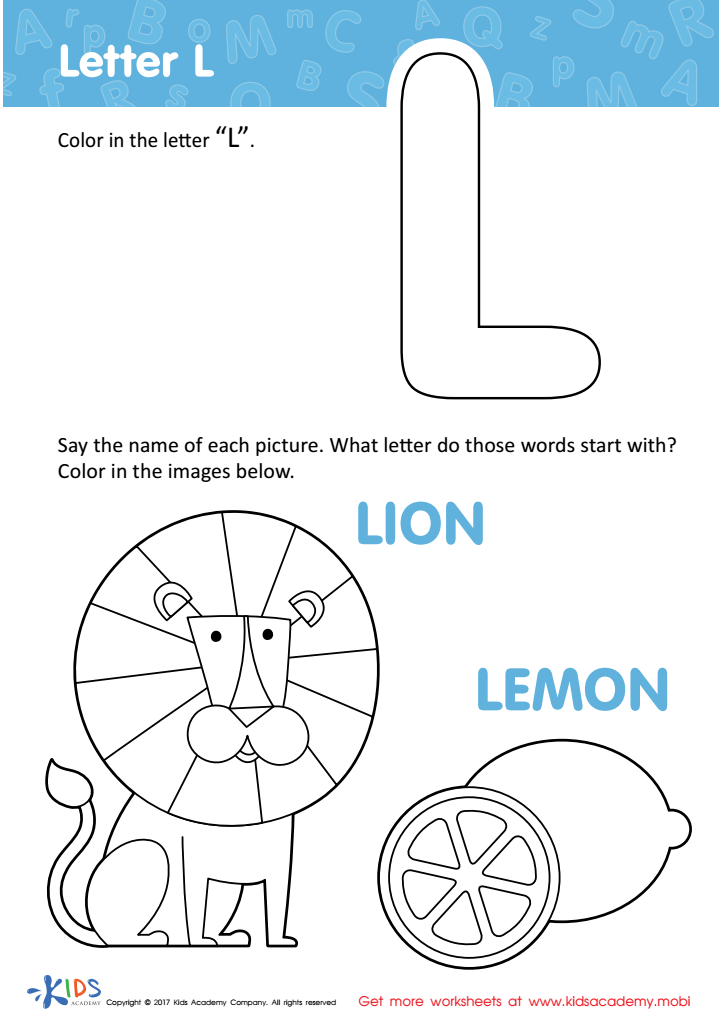
Letter L Coloring Sheet
Assign to My Students
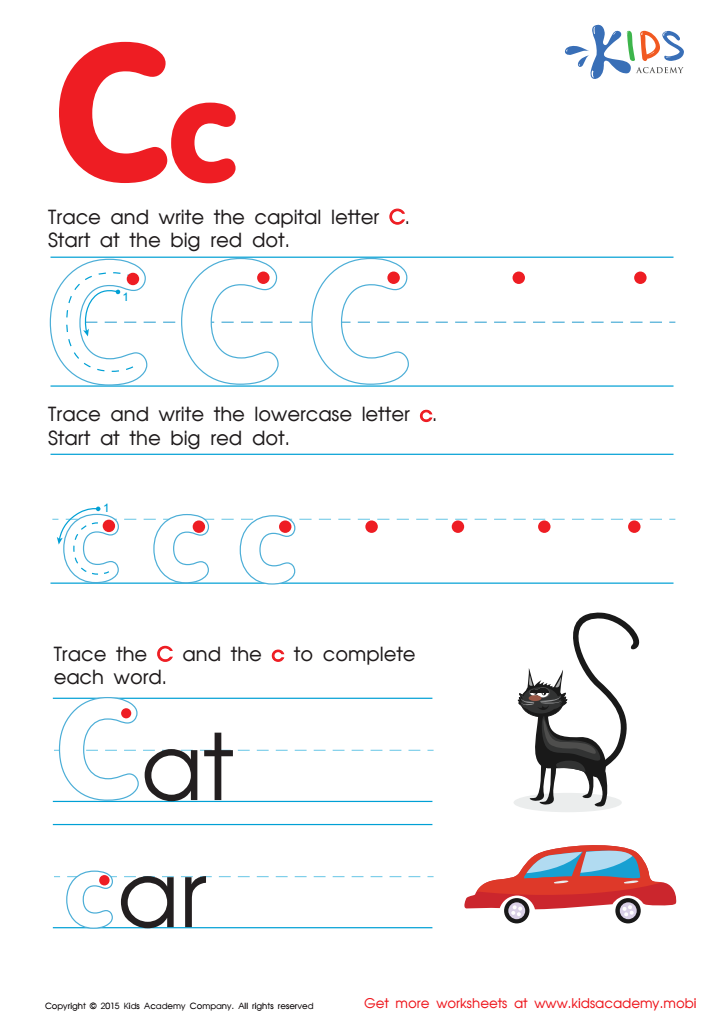
Letter C Tracing Page
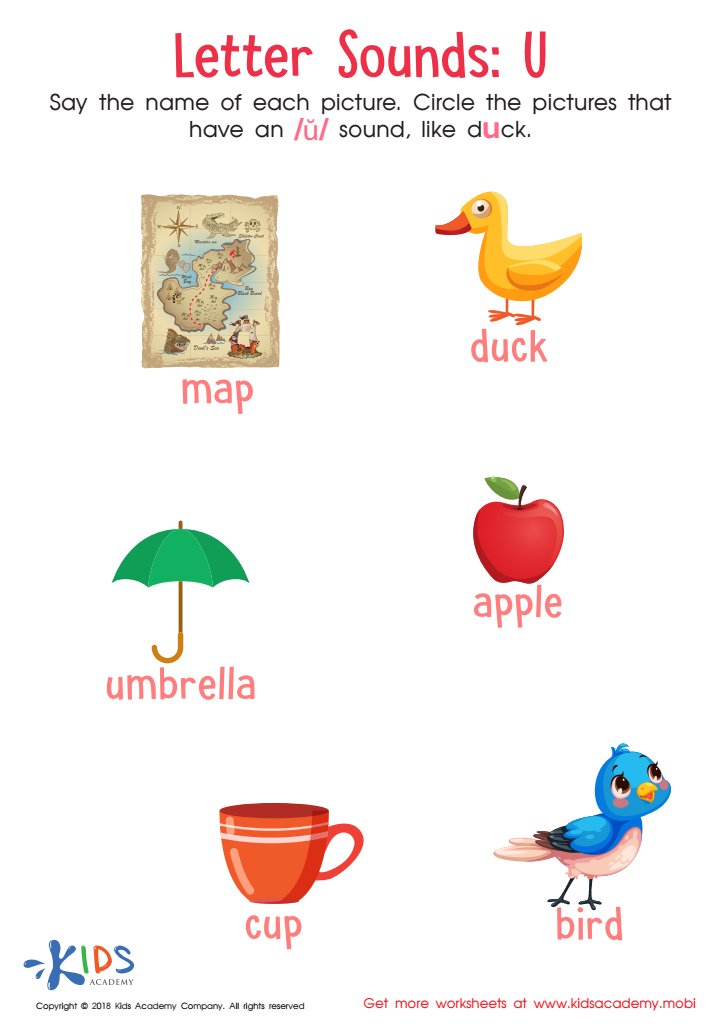
Letter U Sounds Worksheet
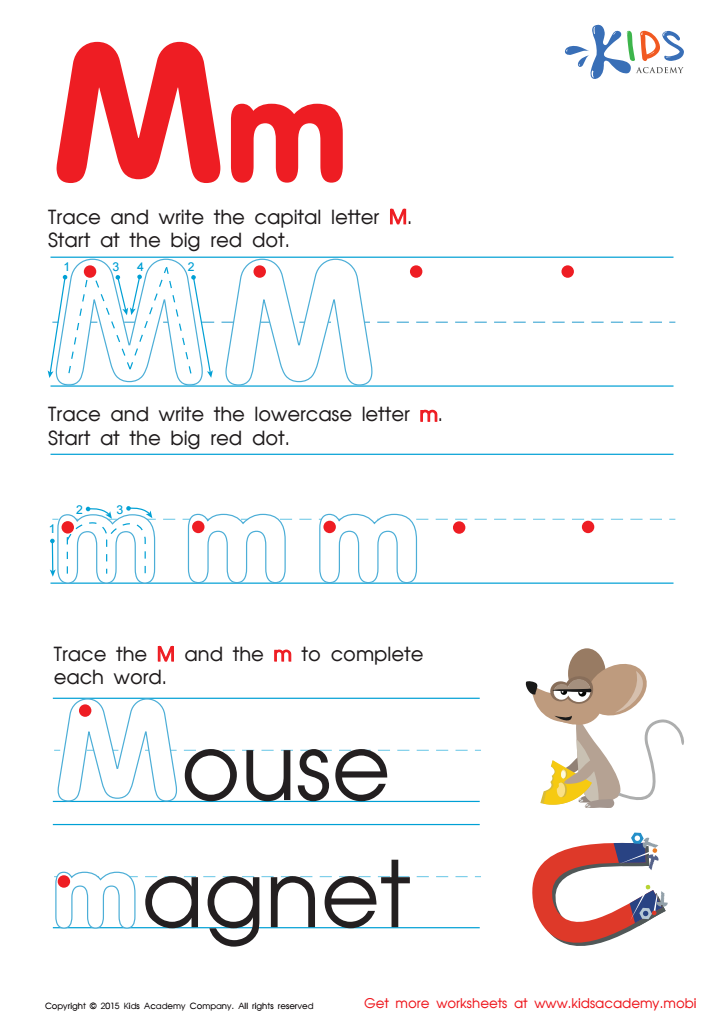
Letter M Tracing Page
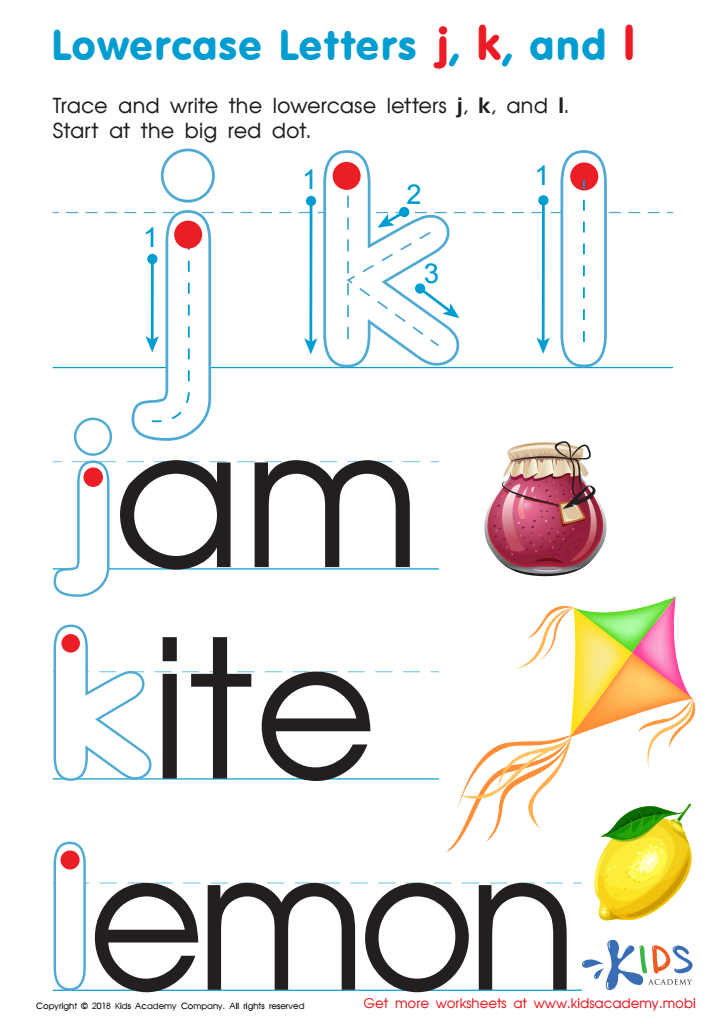
Lowercase Letters j k l Worksheet








Alphabet recognition is a foundational skill that serves as the building block for all future reading and writing abilities. For children aged 3-4, recognizing letters and their corresponding sounds is critical as it sets the stage for literacy development. When parents and teachers focus on alphabet recognition, they are equipping young learners with the tools to decode words, enhancing their ability to understand and communicate effectively.
Early familiarity with letters helps children understand that written symbols have specific meanings, boosting cognitive skills and promoting a love of reading. This early encouragement sparks curiosity and nurtures a learning environment where children feel motivated to explore books and stories independently.
Furthermore, alphabet recognition supports phonemic awareness, the understanding that words are composed of individual sounds. This skill is directly linked to successful reading instruction. Research has consistently shown that children who enter kindergarten with strong letter recognition are more likely to excel in later reading tasks, minimizing the risk of future academic struggles.
Combining engaging, playful, and repetitive experiences like singing alphabet songs, reading alphabet books, and engaging in hands-on activities strengthens retention. Overall, prioritizing alphabet recognition ensures children build strong literacy foundations, fostering their confidence and success in their educational journey.








