
Basic subtraction Worksheets for Ages 3-4
5 filtered results
Difficulty Level
Grade
Age
-
From - To
Subject
Activity
Standards
Welcome to our Basic Subtraction Worksheets for Ages 3-4! Designed specifically for young learners, these engaging worksheets introduce the fundamental concept of subtraction through fun activities. Our colorful and interactive exercises allow children to practice simple subtraction using visuals and relatable scenarios, fostering early math skills in a playful way. With a variety of worksheets, your little ones will build confidence in their counting and subtracting abilities while enjoying each step of the learning process. Perfect for parents and educators alike, these worksheets lay a strong foundation for future math success. Start your child’s subtraction journey today!
Favorites
With answer key
Interactive
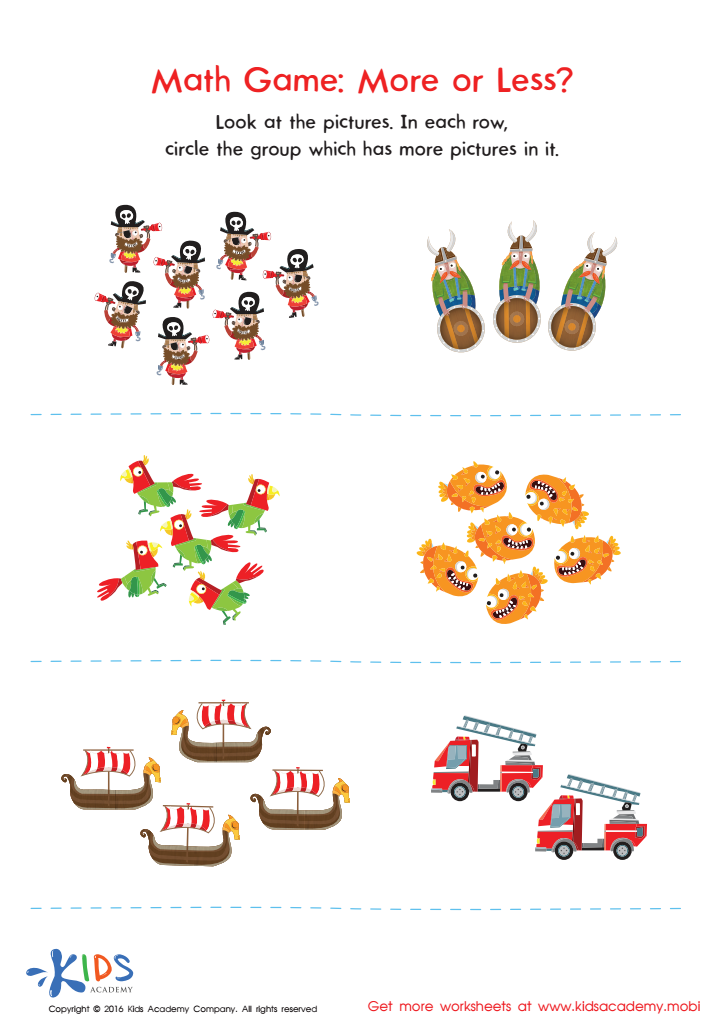
More or Less Worksheet
Counting and understanding quantity are essential skills for kindergarteners. Get your free printable more or less worksheet now!
 Assign to My Students
More or Less Worksheet
Worksheet
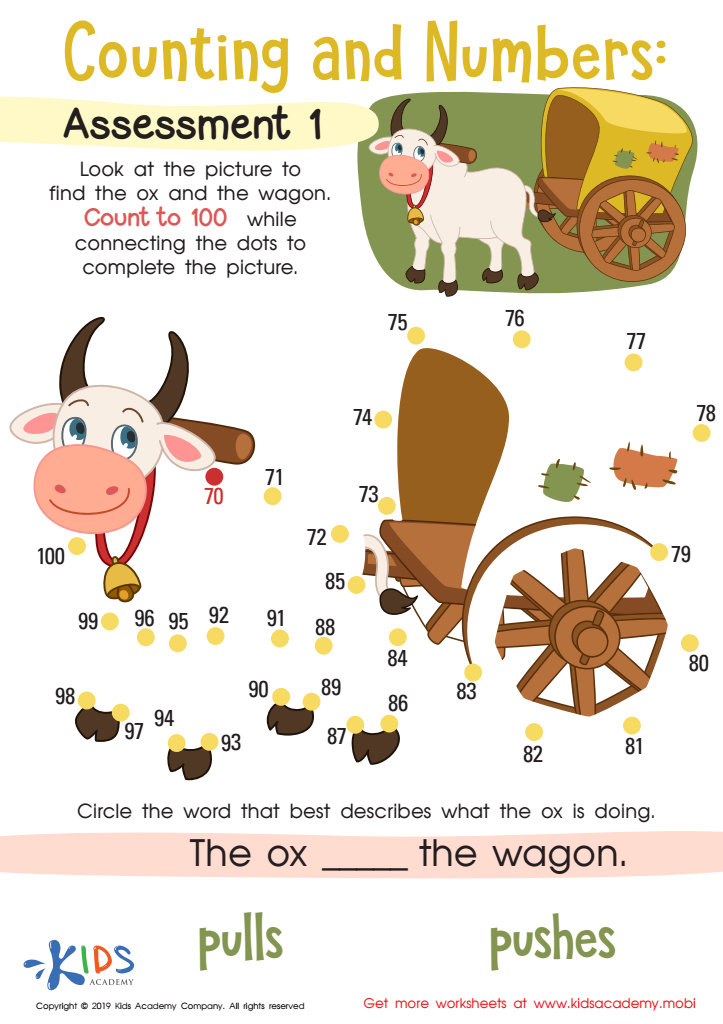
Counting and Numbers: Assessment 1 Worksheet
Let your kids use the picture as a guide and count from 70 to 100 to complete an ox pulling a wagon. As a comprehension check, have them answer the related question using words from the word bank. This dot-to-dot worksheet is a great way to assess their number reasoning and counting forward skills.
Counting and Numbers: Assessment 1 Worksheet
Worksheet
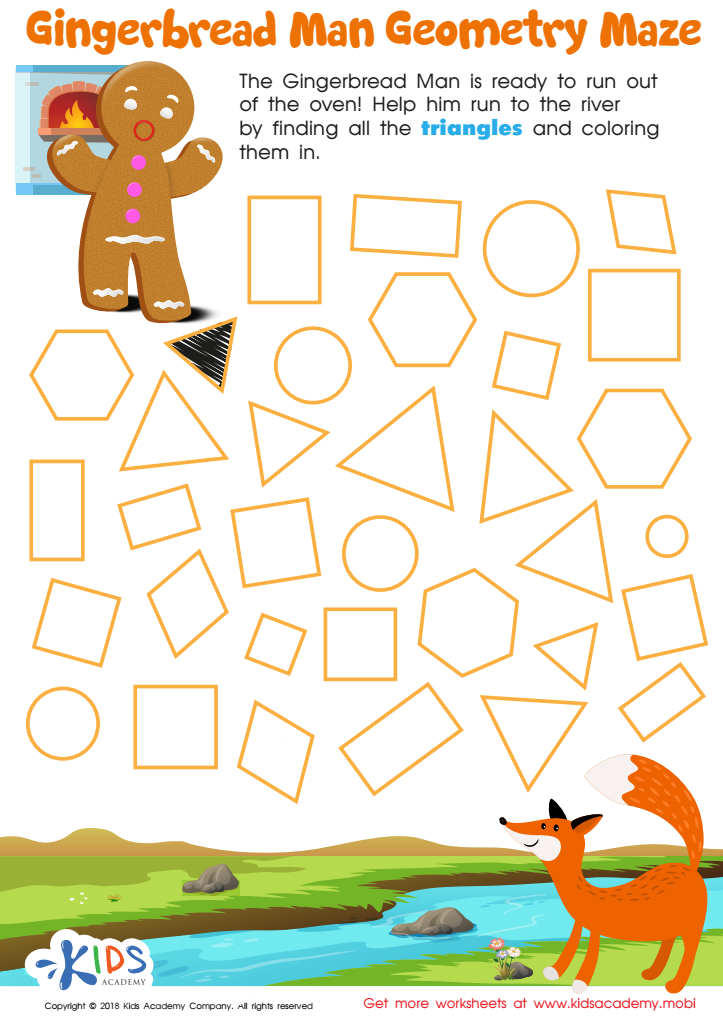
Gingerbread Man Geometry Maze Worksheet
Help a beloved character escape the oven! Kids race through a sea of geometrical shapes, searching for triangles of various sizes. With this free worksheet, they can have fun while learning about similarity of geometrical shapes concepts. Run, run, run as fast as they can!
Gingerbread Man Geometry Maze Worksheet
Worksheet
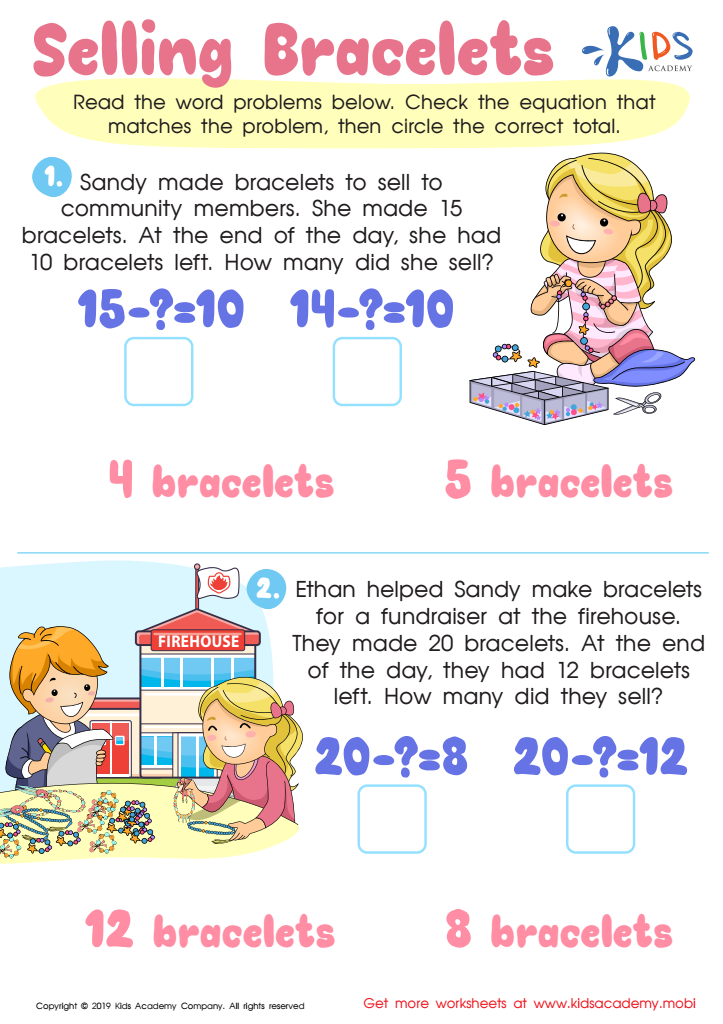
Selling the Bracelets Worksheet
Engage your kids with learning by making it fun! Try this creative worksheet: your kids can practice subtraction while making bracelets. Download the pdf; read the two word problems to them and help them choose the correct total. Have fun! (80 words)
Selling the Bracelets Worksheet
Worksheet
Join Kids Academy for Free
Who is primarily going to use this learning content?




%20(1).jpg)



Basic subtraction is a fundamental skill that lays the groundwork for future mathematical understanding. For children aged 3-4, developing early subtraction skills is crucial as it supports cognitive growth, critical thinking, and problem-solving abilities. At this age, children are naturally curious, and introducing subtraction through engaging activities fosters their love for learning.
Parents and teachers should prioritize basic subtraction to help children recognize simple relationships between numbers, which enhances their overall numerical comprehension. Engaging in playful subtraction activities, such as using toys or everyday objects, allows young learners to visualize the concept of “taking away.” This hands-on experience not only makes learning fun but also strengthens fine motor skills.
Additionally, mastering subtraction contributes to children's emotional and social development. As they navigate challenges in learning, children gain confidence in their abilities, fostering resilience. It can also provide opportunities for social interactions during group activities, teaching cooperation and communication.
Moreover, early exposure to subtraction helps close the gap in mathematical understanding before formal schooling begins. Ultimately, nurturing these foundational skills creates a strong academic base and sets children on a path for lifelong learning and success in mathematics and beyond.








